Posted on

TCL unveils new UK and Europe mini-LED TV range, with impressive spec claims to put even the mighty Sony Bravia 9 to shame – and at a lower price

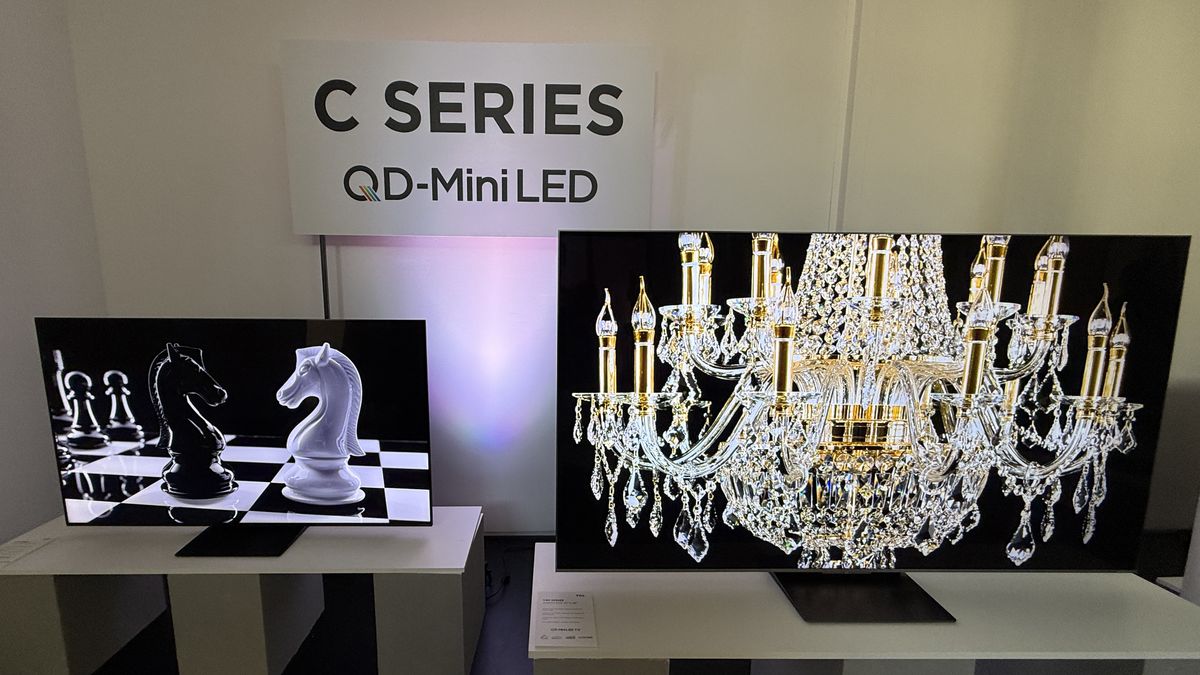
TCL unveils new TV range for UK and Europe Next-gen backlight promises 23-bit depth and better efficiency 3 new mini-LED models in the UK TCL has unveiled its new line-up of TVs for the UK and Europe, which are available to buy this week – and the company really wants to take the lead on being the mid-price mini-LED TV range to go for. Half of the new range includes the company’s latest ‘7th-gen’ mini-LED backlight, which TCL says has been improved in a large number of ways on the spec sheet. TCL says it has developed a new LED chip that can be 53% brighter but also 10% more efficient, which is paired with a new micro-lens to focus the light better and create less blooming – while also bringing the mini-LEDs closer to the screen, to reduce crossover and halo-ing effects between their light zones. You may like On top of that, the new LEDs have a 23-bit controller, meaning a claimed 65,000 different levels of light gradation control. For reference, the Sony Bravia 9 has a 22-bit controller, and we hailed it as an awesome new performance level for mini-LED worthy of its super-premium price. TCL will almost certainly undercut that price. It also says that the new mini-LED backlight has a faster adaptation and refresh rate, meaning that it reacts faster than the refresh rate of the screen, so the backlight’s contrast control will never lag what’s supposed to be visible on screen, reducing the mismatch between what should be high and low brightness, and what actually is high and low brightness. TCL also says that it’s using a new type of quantum dot tech in the panel, meaning 98% coverage of the DCI-P3 color gamut – though we already measured the TCL C855 from last year at 97.5%, so this is just a small step forward. That’s all the theory, anyway – obviously, how well this works in practice will need to be tested in-depth, but I saw TCL’s next-gen backlight demoed at CES, and it’s certainly impressive. Sign up for breaking news, reviews, opinion, top tech deals, and more. @techradar ♬ original sound – TechRadar So, what will this mean for the TVs in practice? I’ll take you through the full list of models, but the big question that remains open is just how big the difference between their different backlights will be. TCL says they all use the 7th-gen panel, but depending on how it’s classifying exactly what backlights count as 7th-gen, that could mean a lot of different things. From my brief introduction to them so far, I can already tell you that there are clear differences in the panel beyond the backlight – the C8K has richer, deeper black tones compared to the C6K because it uses a ‘CrystGlow WHVA’ LCD panel that improves dark tones, and benefits from reduced reflections and haze on the screen, which washes out and raises black tones. Here’s the list of TVs, with the key differences between them. They all come with Google TV as their smart system, with two exceptions at the end. TCL C8K (Image credit: Future) This is the flagship 4K TV in the UK, though based on our experience with the TCL C855 last year, the price may end up being temptingly mid-range. It comes in 65-, 75-, 85- and 98-inch sizes, with up to 3,840 dimming zones and a quoted 5,000 nits of brightness. It has the CrystGlow panel, it’s 144Hz, it has a Zeroborder design that reduces bezels to the absolute minimum, and 6.2.2-channel Bang & Olufsen Dolby Atmos speakers. Pricing: 65C8K-UK: £1,599 75C8K-UK: £1,999 85C8K-UK: £2,799 98C8K-UK: £4,799 TCL C7K (Image credit: Future) Here’s the big mid-range model, available in the biggest range of sizes. This comes in 50-, 55-, 65-, 75-, 85-, 98- and 115-inch sizes. It has a slightly different LCD panel to the C9K and C8K, and is claimed to hit up to 3,000 nits of brightness, with up to 2,880 dimming zones. It has a CrystGlow panel, but not the more advanced version. This also has an audio system by B&O, except the 115-inch model, which has an Onkyo 4.2.2-channel system. Pricing: 50C7K-UK: £799 55C7K-UK: £999 65C7K-UK: £1,399 75C7K-UK : £1,799 85C7K-UK: £2,199 98C7K-UK: £4,299 115C7K-UK: £12,999 TCL C6K (Image credit: Future) The budget mini-LED model comes in 50-, 55-, 65-, 75-, 85- and 98-inch sizes. It has up to 512 dimming zones, and TCL didn’t specify the expected HDR brightness of this one, though we have tested the closest US model to this – the TCL QM6K – and it reached 700 nits of brightness in a 10% window in Standard model. There’s no CrystalGlow panel here, too. It’s 144Hz, and still supports all HDR formats – but the B&O speakers have been dropped for an Onkyo Dolby Atmos sound system. Pricing: 55C6K-UK: £799 65C6K-UK: £999 75C6K-UK: £1,499 85C6K-UK: £1,899 98C6K-UK: £3,199 The rest of the range Beyond these, TCL also has two QLED models. The P8K is available from 55 inches to 98 inches, has a 144Hz refresh rate for gaming, and has full HDR support and Onkyo sound. It’s basically the C6K without a mini-LED backlight, settling for regular LED instead. The P7K comes in 43-inch to 85-inch sizes and drops multi-HDR support, 144Hz, and the Onkyo sound system. It uses a weaker image processor too – but it’s still promoted as a QLED TV. The P6K comes in 43-inch to 75-inch sizes and drops the QLED coating from the specs. The S5K is a Full HD TV with QLED and comes in 32-inch, 40-inch and 43-inch sizes. And finally, the S4K is a 32-inch Full HD QLED TV, with unclear differences from the S5K. Both of these TVs come with Android TV, instead of Google TV. We don’t yet have prices for these models yet. TCL also has two models of high-end TV that aren’t coming to the UK but will be available in the rest of Europe. TCL X11K (Image credit: Future) This is the flagship model, available only in 85- and 98-inch sizes – and not available in the UK, though let’s take a look anyway. It has the most elaborate mini-LED construction of the group, offering up to 14,112 dimming zones, and up to 6,500 nits of brightness. It has audio developed by Bang & Olufsen, with a 6.2.2-channel Dolby Atmos speaker array. As with all the mini-LEDs here, it supports 4K at 144Hz and both Dolby Vision IQ and HDR10+ HDR formats. TCL C9K (Image credit: Future) This one also won’t actually be available in the UK but will be available in the rest of Europe. This is available in 65-, 75- and 85-inch sizes, and also promises brightness of up to 6,500 nits, like the X11K. However, you’ll have to slum it with a maximum number of dimming of zones reaching merely 5,184 – assuming this uses the 23-bit backlighting, which puts it right in line with the Sony Bravia 9 for specs, except a lot brighter. It has the CrystGlow panel. Again, it’s a 144Hz TV, with 6.2.2-channel B&O sound. It also has a ‘Zeroborder’ design, meaning that there’s a new super-slim bezel. You might also like…

Posted on

Samsung promises to repair soundbars bricked by its disastrous software update for free – but it’ll probably involve shipping

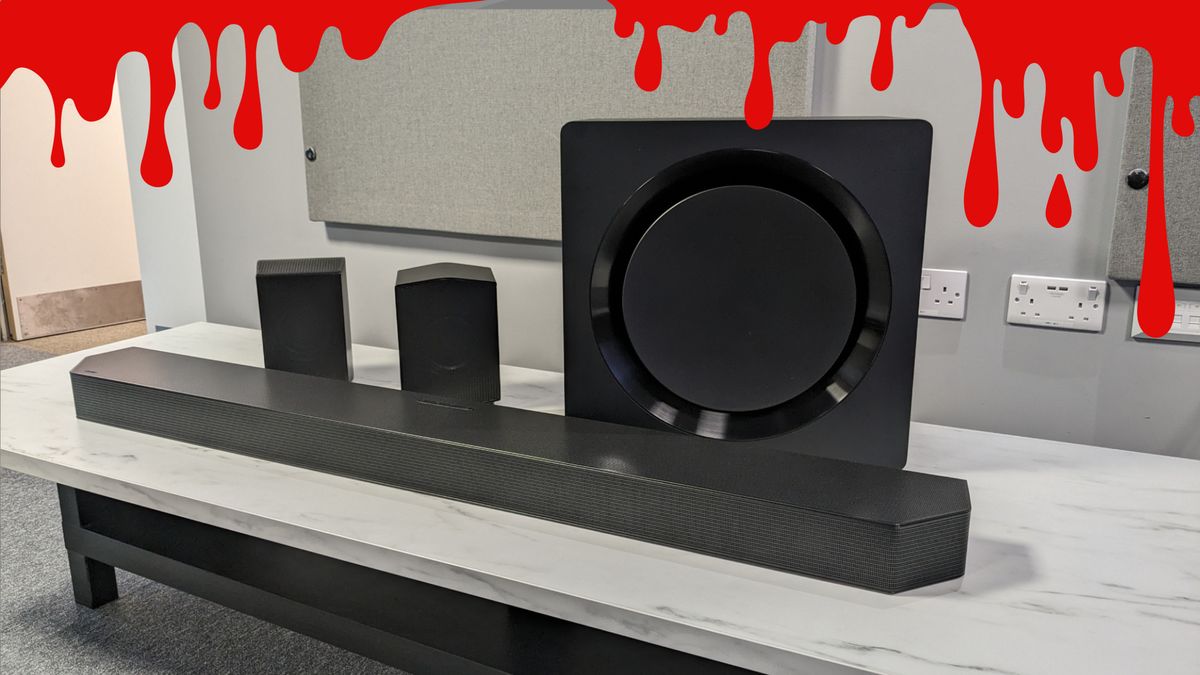
Samsung promises free repairs for everybody You’re probably going to have to send your unit away for a while Some support techs don’t seem to have been informed As we reported last week, several Samsung soundbars including the flagship Samsung HW-Q990D have been rendered inoperable by a faulty firmware update. The firm promised to investigate, and now there’s a free fix – although it’s not ideal. In a statement sent to Digital Trends, Samsung said: “Samsung Electronics has identified a software update error as the cause of the operational issue affecting certain 2024 soundbar devices. We are taking immediate action to resolve the situation. Samsung is offering free repairs for all affected units—regardless of warranty status.” You may like Unfortunately that’s likely to require you to send your soundbar away for a while – hardly convenient for a hefty soundbar at the best of times, and maybe doubly so if you didn’t keep the box. And that’s not to mention that your TV audio will suffer during that time… It also seems that Samsung hasn’t told all its support techs yet, based on reports online. Samsung HW-Q990D: affected users have been promised free repair irrespective of warranty status. (Image credit: Future) What are Samsung support techs saying? Some Samsung owners have turned to Reddit to discuss the “debacle”, with some saying that support techs have been problematic: TigerHawk7 was “offered free parts but [told to] pay shipping and labor and that was after arguing after quite some time.” Over on the Samsung community forums, UK user ApocalypseRogue7122 – whose experience with support so far has been very frustrating, with Samsung initially refusing to take the soundbar back – reports getting a call from Samsung’s authorized UK repairer: “The affected soundbars require a ‘new part’ (motherboard) and due to the number of failures Samsung is out of stock of said part. He told me that they (Mint Group FX) have ordered the part and if they are unable to get it by next Wednesday 25th March, then I will either receive a refund or replacement unit.” Sign up for breaking news, reviews, opinion, top tech deals, and more. Hopefully Samsung is on top of this, because it’s bad enough having to send back a soundbar without then having to wait an uncertain amount of time for a repair or replacement. We’ve asked Samsung what customers should do if they encounter problems getting a free repair, and we’ll update you when the company responds. We rate Samsung’s options highly among the best soundbars, and while it sounds like the update danger has now passed, Samsung’s response to the problem might strongly affect how well people trust the company in the future. You only need to look at Sonos’ nearly year-long problems to know that trust can be broken quickly and slow to regain. You might also like

Posted on

Indiana Jones and the Great Circle’s PS5 Release Date Will Reportedly Be Announced on March 24

Indiana Jones and the Great Circle’s release date on the PS5 will reportedly be announced on Monday. The action-adventure title from Bethesda launched on PC and Xbox Series S/X in December 2024, with a PS5 launch slated for 2025. While Microsoft and Bethesda have not confirmed the release date for the PS5 versions of the game, an industry insider has said an announcement is likely on March 24.

Indiana Jones PS5 Announcement Soon

The information comes from billbil-kun, a reliable leaker with a track record for accurate games industry scoops. According to them, Bethesda will make an announcement on Indiana Jones and the Great Circle’s PS5 release date on March 24.

The leaker also posted box arts for the Standard and Premium editions of the game on X, along with details on pre-order bonuses. As per marketing images shared by billbil-kun, pre-purchasing the Standard Edition will grant players The Last Crusade pack, which includes a Travelling Suit outfit and the Lion Tamer whip. Pre-ordering the Premium Edition, on the other hand, will get players two days of early access, The Order of Giants story DLC, The Last Crusade pack, Temple of Doom outfit and a digital art book.

The leaker’s claim was strengthened by publisher Bethesda; the studio teased an upcoming announcement for Indiana Jones on X Sunday, posting a photo of Troy Baker, who plays Indy in Indiana Jones and the Great Circle, along with text that reads, “keep eyes here tomorrow.”

Earlier this month, billbil-kun had claimed that Indiana Jones and the Great Circle would be released on PS5 on April 17, with Premium Edition early access starting April 15. The leaker had also said pre-orders would begin around March 25, with PS5 pricing matching the Xbox Series S/X version of the game.

Indiana Jones’ PS5 launch is likely bring a host of new players to the game. In January, Microsoft confirmed at its second quarter earnings call for FY 2025 that the action-adventure title had reached over four million players. The figure, however, includes players who accessed the title on Game Pass.

(Except for the headline, this story has not been edited by NDTV staff and is published from a syndicated feed.)

Posted on

Android 16 Developer Preview 3 Reportedly Enables Screen-Off Fingerprint Unlock on All Pixel Phones

Android 16 Developer Preview 3 (DP3) for Pixel smartphones was released last week. It adds a new feature which makes unlocking the phone with the inbuilt fingerprint sensor more convenient, according to a report. The feature is said to allow Pixel users to use the fingerprint unlock sensor even when the screen is turned off. It was first introduced with the Android 16 DP2 update in December but was said to be limited to the Pixel 9 series. The latest update expands the feature all Pixel handsets with an in-display fingerprint scanner.

Unlocking the Pixel on Android 16 DP3

At present, the Pixel’s screen needs to be awake in order for the in-display fingerprint sensor to function. Although there is no direct option to enable it, there are some workarounds, such as turning on the always-on display or using the tap to wake feature. However, this limitation is set to be removed with Android 16.

According to an Android Authority report, the Android 16 DP3 adds a new setting called Screen-off Fingerprint Unlock on all Pixel phones with an in-display fingerprint scanner. The feature’s description states that it can be “toggled to use fingerprint unlock even when the screen is off”. Once enabled, users will be able to tap on the fingerprint reader and it will be illuminated, verifying their biometric credentials and unlocking the phone.

It is reportedly found under Settings > Security & privacy > Device unlock > Face & Fingerprint Unlock > Fingerprint Unlock.

The same feature was first introduced in December with the Android 16 DP2 update. However, the publication reports that the latest update expands its availability. It is reported to have been tested successfully on the Google Pixel 6a. While previously it required an ultrasonic under-display fingerprint sensor to work, it remains unknown if this criteria has been removed with the Android 16 DP3 update. Notably, the Google Pixel 9 series are the only Pixel handsets to use an ultrasonic sensor. Meanwhile, previous models up to the Pixel 6 utilised an optical fingerprint reader for biometric authentication.

Posted on

Google’s Tensor G5 SoC May Use Imagination Technologies’ GPU to Power Pixel 10 Series

Google Pixel 10 series is rumoured to be in development as the successor to last year’s Pixel 9 lineup. Ahead of its anticipated debut, a report suggests that the company may leverage a graphics processing unit (GPU) developed by UK-based Imagination Technologies in the Tensor G5 SoC to power its purported smartphones. It could reportedly use DXT-48-1536 GPU which supports features such as scalable ray tracing, RISC-V firmware, and 2D dual-rate texturing.

Google Pixel 10 Series GPU

According to an Android Authority report, Yang Yanling, a postgraduate student, created a blog post to discuss the RISC-V and integration with Imagination GPU IP following the RISC-V Day Tokyo last month. The initial, unedited version of the text contained information about the processors using Imagination GPUs, with one of them being the in-development Tensor G5.

The GPU developer itself shared the blog post although the text has since been edited to remove any references to the purported chip. However, screenshots suggest that Google could use Imagination Technologies’ DXT-48-1536 GPU. Introduced for premium handsets, this GPU can deliver ray tracing in several configurations and performance points using its ray acceleration cluster (RAC).

It also supports improved graphics performance without reducing the visual quality courtesy of Fragment Shading Rate (FSR). As per the company, it decreases the number of fragments processed, making ray-traced effects more efficient. The GPU is also claimed to have 50 percent more top-end compute and texture performance per SPU (Scalable Processing Unit) compared to the previous generation. All these features are speculated to improve the graphical fidelity of the purported Google Pixel 10 series.

Past reports suggest that the Tensor G5 SoC may come with significant changes related to the always-on compute (AoC) audio processor, the Google Emerald Hill memory coprocessor, the Google GXP (DSP), and the Google EdgeTPU. It is speculated to be fabricated using TSMC’s 3nm process technology instead of Samsung Foundry, delivering performance and efficiency improvements over the Tensor G4 which powers the Pixel 9 series.

Posted on

I tested Samsung’s new wireless TV connection box, and gamers need to know one thing

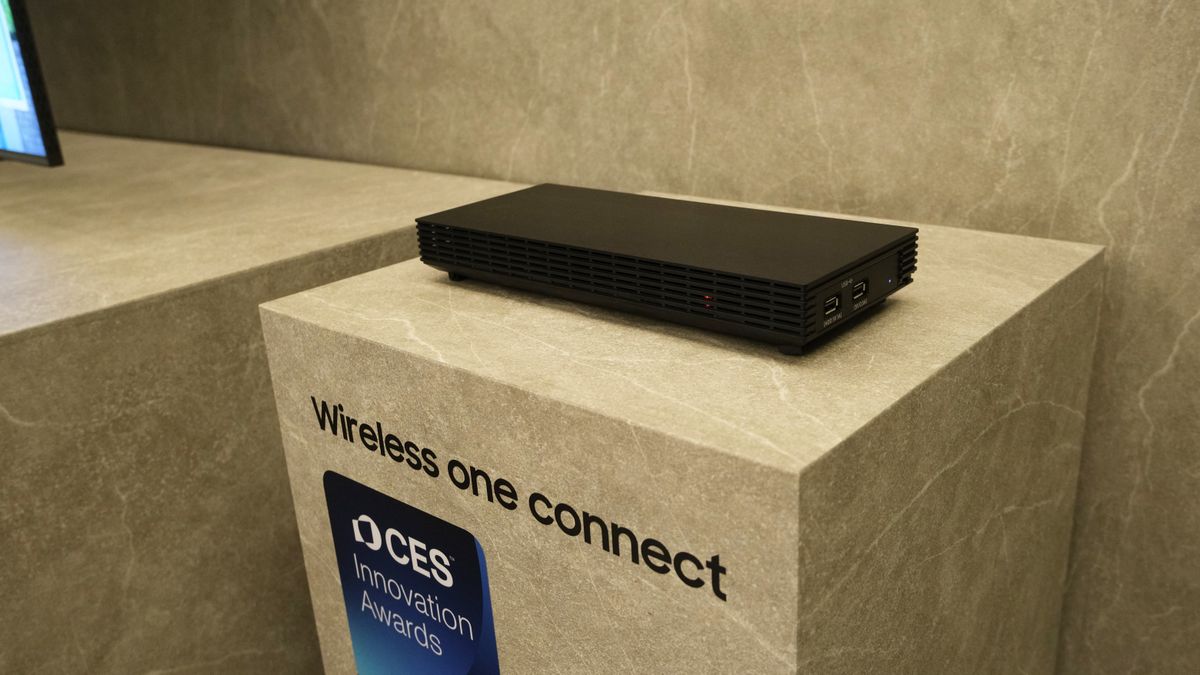
When Samsung recently unveiled its 2025 TV range, it introduced several models that use its new Wireless One Connect Box. A wireless version of the Samsung One Connect Box – an external box that houses all connections such as HDMI and USB with one cable connecting to the TV – that was featured in some of the best TVs of 2024 such as the Samsung S95D, the Wireless One Connect Box adds a wireless connection to the TV, doing away with cables entirely. LG also has a wireless connection box, called Zero Connect, that will be included with its LG M5 OLED TV, which could be the weirdly perfect TV for PC gamers. Samsung’s version is set to be included with its Frame Pro and Samsung QN990F 8K mini-LED TVs. Samsung claims its box can work up to a distance of 10m even with obstacles in its path, which would make it a dream for those wanting to wall-mount the Frame Pro and QN990F. That group would include gamers looking for a way to tidy up their space and keep it clear of cables. These models on paper have many of the features gamers look for: 4K 144Hz, VRR, ALLM and four HDMI 2.1 ports. But, what about input lag? Is the signal being transmitted wirelessly from the Wireless One Connect Box to the TV affected by latency? Well, I found out the answer to that question. You may like Less than optimal Samsung’s Frame Pro introduces more gaming features and mini-LED to the Frame series for the first time, which has been mainly known for its Art Mode. (Image credit: Future) When TechRadar tests input lag on the best gaming TVs, we’re looking for a number below 15ms at 4K 60Hz. This is a level of latency that professional gamers consider to be acceptable and it will suit most gamers at home. And you don’t have to spend a fortune to get this; even the Hisense U6N, one of the best mini-LED TVs and a budget bargain, clocked in at 13.2ms at 4K 60Hz when I measured it. That measurement was made with a direct cable connection between the TV and our Leo Bodnar 4K HDMI Input Lag Tester. What happens when you perform the same test on a TV connected to a wireless transmission system such as Samsung’s Wireless One Connect Box? I recently got to test out the new Samsung Frame Pro, and when I used the same device to measure its input lag, it clocked in at roughly 35-37ms at 4K 60Hz, a significantly higher level than some of the best 120Hz TVs. The Samsung QN990F (pictured), Samsung’s flagship 8K TV for 2025, also features the Wireless One Connect Box. (Image credit: Future) Is that to say that it’s a disastrous result for Samsung? Not exactly, since many people wouldn’t notice the difference. We’re talking an extra 20 milliseconds. But, it’s still worth pointing out to the more seasoned gamer. Samsung does claim, however, that the Frame Pro (with the Wireless One Connect Box) will hit sub-10ms at 4K 120Hz, though I unfortunately had no way of testing that. (Many games featured on PS5 and Xbox Series X are played at 60Hz rather than 120Hz.) Sign up for breaking news, reviews, opinion, top tech deals, and more. As I said, this isn’t a disaster for Samsung, as 35ms is roughly in line with the input lag on some gaming projectors. But still, it’s worth noting for those who take their FPS or racing gaming seriously. You might also like

Posted on

WhatsApp Reportedly Working on Support for Motion Photos on Android

WhatsApp is working on adding support for sharing motion photos in chats and channels, according to details shared by a feature tracker. The Meta-owned messaging service could soon introduce a feature that lets users share a brief clip with audio and video recorded by some smartphones when taking a photo. This feature was spotted in development on the latest beta version of the app for Android smartphones, while iPhone users should eventually be able to see them as Live Photos on WhatsApp for iOS.

WhatsApp Motion Photos Picker Button Spotted in Development

According to WABetaInfo, the messaging service is working on adding support for sharing motion pictures in individual chats, group chats, and channels. It was first spotted on the WhatsApp beta for Android 2.25.8.12 update, which is rolling out to beta testers via the Play Store. However, users will not be able to try out the feature, as it is still in development.

whatsapp motion photo sharing wabetainfo WhatsApp

Motion photo support in development on WhatsApp
Photo Credit: WABetaInfo

Motion photos, a feature supported on Android smartphones, and can be captured via the camera app on select devices. When taking a motion photo (or Top Shot on Pixel phones) the handset records a short video clip and some audio, along with a still image. The iOS equivalent of this feature is known as Live Photos.

The feature tracker was able to enable support for the feature, and a screenshot of the upcoming media picker (currently available to beta testers) shows a new icon located in the top right corner of the pop-up card, next to the HD button. 

When enabled, users will be able to send share motion photos with other users from their Android smartphone. These images are currently shared as static images, but an upcoming version of WhatsApp should allow users to share motion pictures (or Live Photos on iOS) in chats or on channels.

While capturing motion photos is only supported on select Android smartphones, WhatsApp will allow recipients t see them on an unsupported handset, according to WABetaInfo. This means that WhatsApp is likely to include support for viewing these images on all Android phones, while iOS users might see them as a Live Photo.

Just like other features that are currently in development, there’s no word on when WhatsApp will roll out this functionality to testers. Once it is ready to test, it should be available to beta testers on Android, before it is rolled out to all users on the stable channel.

Posted on

Killed by Google: These are the apps I miss the most

Google is responsible for some of the most important, impactful apps and services ever created. Where would we be without Google Search? What on earth would I use if not Gmail? How could I possibly begin to imagine a world without Android? For all these massive hits that survived the test of time, Google has also laid to rest several apps I’ve really enjoyed using in the past. There are the apps Google killed that I miss the most.

Which dead Google app do you miss the most?

22 votes

Google Now

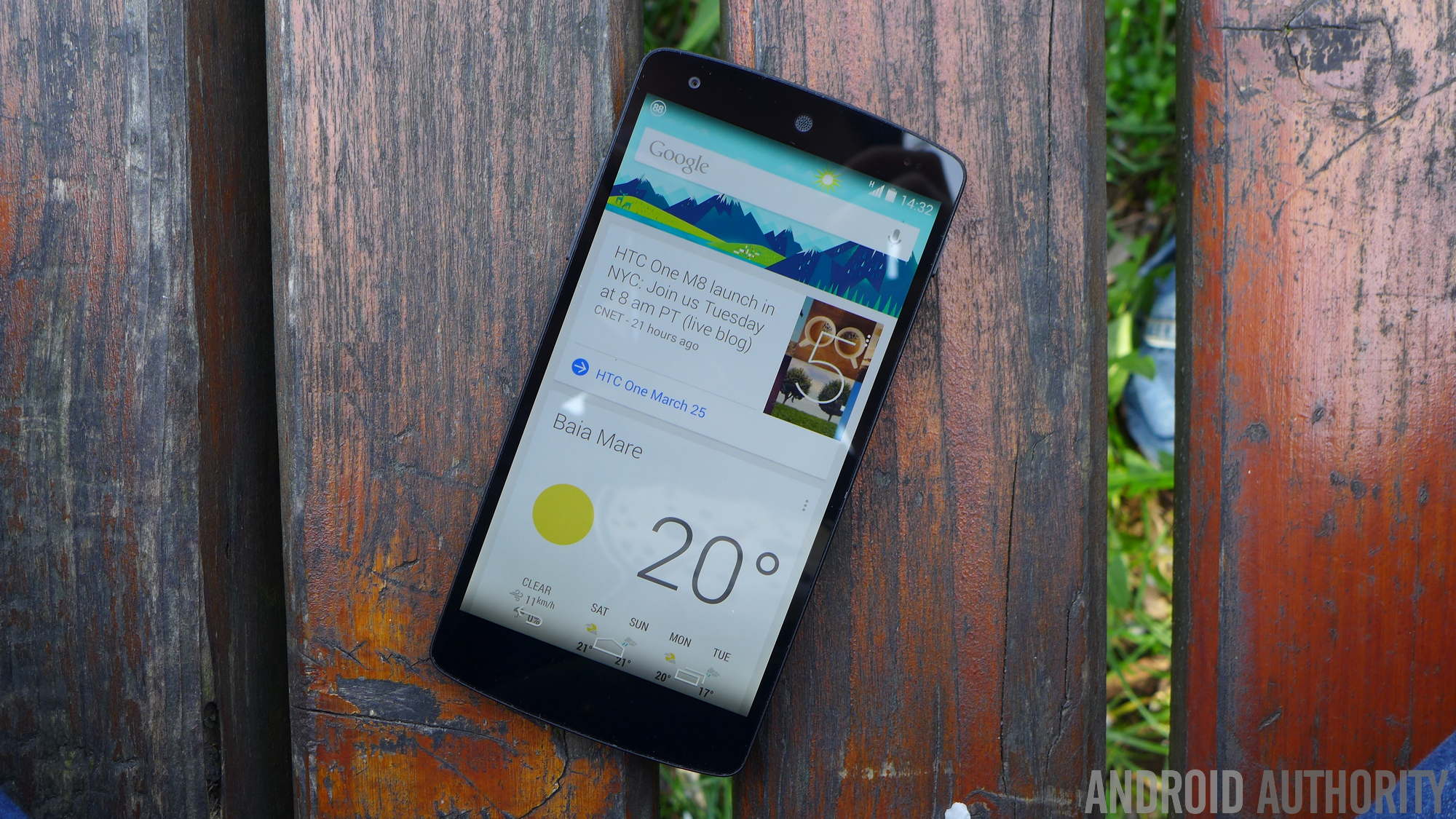
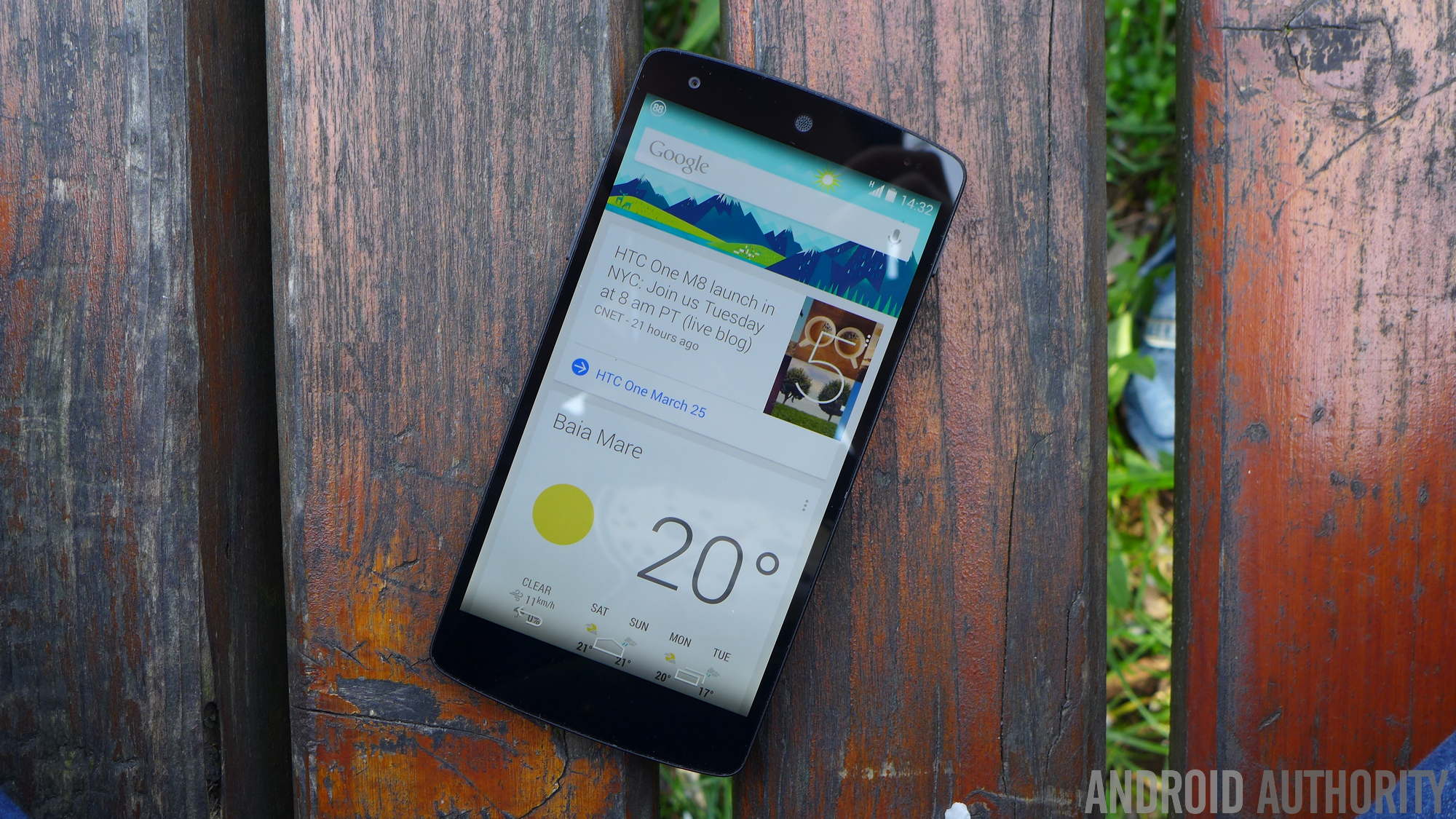
A product well ahead of its time, Google Now launched in 2012 to deliver contextually relevant information to users when needed. This sounds a bit like Google’s At a Glance widget and Assistant, but Now’s implementation was far superior to both.

Located within the Google app, Now displayed its information in scrollable cards, making it easy to visualize and interact with them. It notified me of upcoming events, when I should leave to arrive at my planned destination (including a handy countdown), prepared my boarding pass details when my flight time neared, and alerted me of contacts’ birthdays and weather information. This was just a taste of what I found helpful, though. Now supported a dizzying number of information cards and eventually expanded support to third-party services.

Google Now reliably offered me the information I needed in the moment without any direct intervention.

In 2015, Google Now was shuttered and was eventually replaced by the Discover feed, Google Assistant, and other features spread across different offerings. As much as I’ve relied on Assistant over the years, I don’t consider it a Now replacement. Assistant (or Gemini now, to an extent) demands I interact with it before it delivers information. Google Now required little to no attention on my part.

Inbox by Google

Google Chrome, Inbox by Gmail, and Pocket Casts icons on an HTC10.

Inbox by Google was a smarter, feature-full alternative email client that starkly contrasted with Gmail’s seemingly changeless design. Although its primary goal aligned with a bog-standard email client, it’s how it performed its job that made it revolutionary.

Inbox seamlessly grouped similar emails into “bundles,” making it super simple to trash multiple emails in one fell swoop or access particular information more easily. Think travel documents, like boarding passes, hotel booking confirmations, and transport details. This, paired with its email pinning and reminder features, made it a potent personal management tool far beyond email.

Inbox was a fresh take on the email app that would still feel current years later.

I preferred Inbox over Gmail during its relatively brief run, enjoying many of its features at a time when I traveled plenty for work. It made achieving inbox zero possible, a goal I will never see again with Gmail.

While Google officially killed off Inbox in 2019, some five years after its debut, many of its features were integrated into Google’s premier email app. That said, I still miss the simplicity and focus of the company’s renegade mail tool.

Google Trips

As I wrote in a recent piece, Google desperately needs a reliable travel app. In 2016, it had just that.

Trips was another Google app I heavily relied on. It paired perfectly with Inbox or Gmail, automatically syncing important travel information from emails, detailing points of interest and travel guides from Google Maps, and offering easy access to itineraries. It also included a trip-planning feature for those who know they want to visit famous cities but have no idea where to start.

Trips was Google’s short-lived but much-loved travel app, and I still miss it dearly.

More importantly, Trips offered offline support for moments I wasn’t within sight of a cell tower and a brilliant point-by-point map visualization tool called “Your day plan.” How I wish the latter feature was integrated into modern Google Maps!

Not willing to let a good time stand, Google shuttered Trips in 2019 and still hasn’t replaced it with a competent travel platform. Of all the Google products that no longer exist, Trips leaves the largest void on my device.

Android Auto on smartphones

One of the first cars I owned was a beautifully simple Toyota built like a tiny fort that offered few creature comforts. But when I stuck a smartphone cradle on the dashboard and popped in my device, I could run Android Auto for phone screens on it for navigation like a member of the digital aristocracy. It was brilliant.

The app, which rolled out in 2016 for phones running Android Lollipop or newer, was a nifty innovation, especially before the dawn of modern Android Auto infotainment units, which are a dime a dozen on modern vehicles.

Don’t have a car with a screen? No Android Auto for you.

However, even though it still makes plenty of sense in the modern context, Google didn’t see fit to continue developing Android Auto for phone screens. The app would shutter in 2022, three years after Google announced its demise. Now, if you want Android Auto in your car, you’ll need a vehicle with a dedicated screen and relevant support.

Granted, we still have driving mode on Google Maps for those who don’t have Google’s automotive support in their cars, so not all is lost.

Trusted Contacts

google maps apple maps google strip district

Ryan Haines / Android Authority

Google Maps

Trusted Contacts rolled out in 2016 to keep loved ones up to date about the live location of friends and family members. The app allowed users to request the location of others, making it useful for parents to keep tabs on their kids.

I know many modern location-sharing apps exist on Android, but Trusted Contacts was simple enough for anyone to use. My family, in particular, relied on this app back when I scuttled myself to and from work on foot and by rail.

Trusted Contacts offered a fast and fluid way to keep my live location shared with loved ones.

My folks could see where I was on my journey home, while I could also keep tabs on them when they travel. If their request for my location wasn’t accepted within a few minutes, it would automatically share my details with them. This meant that if I couldn’t get my device out on a train or at the side of the road, they’d know where I was regardless.

Despite its simple functionality, Trusted Contacts lasted a surprisingly long before being absorbed into Google Maps. It drew its last breath in 2020, but we can still enjoy location-tracking features in Google’s mapping app. It’s not quite the same, though.

Google Reader

google news alternative inoreader 1

Andy Walker / Android Authority

Shut down in 2013, Google Reader was an aggregation tool that closely resembled Gmail in its appearance. But instead of providing a river of emails, it siphoned content from RSS feeds you plug into it.

Although it may not be aesthetically exciting or groundbreaking through our modern lens, it offers plenty of essentials for catching up on the news. I loved its broad search functionality, sensible categorization and organization tools, and fuss-free ability to share interesting articles with others.

Perhaps it’s the nostalgia talking, but Google Reader was the perfect RSS feed aggregator for my needs.

Google Reader also functioned offline through the Google Gears extension. At a time when my internet connection was spotty at worst and 2Mbps at its best, this was an invaluable trick for me. Of course, my Reader journey started when Windows XP was still my desktop OS, and it took another five years for Reader to migrate to Android.

Of course, modern RSS and feed readers for Android exist in the hundreds, with many great options available. Inoreader (pictured above), in addition to Feedly, are two of my current favorites, although both lack the early charm of Reader.


Is there a dead Google product that you still miss today? We’d love to hear how it left an impression on you. Drop a comment below.

You might like

Posted on

Oppo Find X8s, Find X8+ Specifications Leaked; Said to Arrive With Dimensity 9400+ Chip

Oppo Find X8s and Oppo Find X8s+ specifications have been leaked, ahead of their anticipated debut. Both smartphones are expected to arrive with an updated version of the processor powering the Oppo Find X8 series that launched last year. Both smartphones will pack considerably bigger batteries, and the handsets will support 80W wired charging, according to details shared by a tipster on Weibo, the Chinese microblogging platform. Oppo is expected to launch these handsets next month, after MediaTek unveils its next flagship chipset.

Oppo Find X8s, Oppo Find X8s+ Specifications (Expected)

Tipster Digital Chat Station (translated from Chinese) leaked the specifications of the Oppo Find X8s and Find X8+ in a post on Weibo. The standard Find X8s model will be equipped with a 6.3-inch display, while the larger Oppo Find X8s+ will sport a 6.59-inch screen, according to the post.

The tipster says that both the Oppo Find X8s and Find X8s+ will be powered by a MediaTek Dimensity 9400+ chip, which is yet to be released. The chipmaker is expected to launch the processor at its MediaTek Dimensity Developer Conference (MDDC) next month, and Oppo’s handsets could be one of the first to arrive with the chipset.

Earlier this month, the tipster claimed that the Oppo Find X8s will be a slim handset that is less than 8.15mm thick, and weighs under 187g. At the time, it was said that both the Find X8s and Find X8s+ would be equipped with a periscope telephoto camera.

Both the upcoming Oppo Find X8s and Find X8s+ models will be equipped with higher capacity batteries, according to the tipster, who previously claimed that the smaller handset would be equipped with a battery that has a capacity of more than 5,700mAh. The Find X8s and Find X8s+ will support 80W (wired) and 50W (wireless) charging.

The tipster also claims that the Oppo Find X8s and Find X8s+ will be equipped with an optical fingerprint scanner for biometric authentication, located under the display. It will also arrive with an IP69 rating for dust and water resistance.

We can expect more details about the Oppo Find X8s and Find X8s+ in the coming days, and the handsets are expected to launch alongside the Oppo Find X8 Mini and Find X8 Ultra in April. The company previously introduced the Oppo Find X8 series last year with a Dimensity 9400 SoC, up to 16GB of RAM, and up to 512GB of built-in storage.

Affiliate links may be automatically generated – see our ethics statement for details.
Posted on

T-Mobile is giving long-time customers a free line, but there are some catches

T Mobile logo on smartphone (1)

Edgar
Cervantes
/
Android
Authority

TL;DR

  • T-Mobile
    is
    giving
    away
    a
    free
    line
    to
    some
    customers
    who’ve
    been
    with
    the
    carrier
    for
    at
    least
    10
    years.
  • There
    are
    several
    qualifying
    criteria,
    though,
    and
    only
    users
    who
    are
    notified
    via
    SMS
    can
    take
    advantage
    of
    the
    offer.
  • This
    comes
    just
    a
    week
    after
    T-Mobile
    offered
    another
    free
    line
    promotion.


T-Mobile

recently

gave
away
free
voice
lines

for
some
users,
and
it
looks
like
the
company
isn’t
stopping
here.
Now,
the
carrier
is
reportedly
giving
away
free
lines
to
long-time
customers,
but
there
are
a
few
caveats.

According
to


The
Mobile
Report
,
citing
multiple
sources
and
internal
documents,
T-Mobile
is
giving
away
a
free
line
to
eligible
customers
who
have
been
with
the
carrier
for
at
least
10
years.

However,
the
carrier
apparently
has
a
few
conditions
for
users:

Targeted
customers
active
as
of
March
10,
2015
who
are
on
eligible
rate
plans,
and
who
have
a
multi-line
account
with
at
least
2
paid
voice
lines
on
a
Family
Plan
and
no
more
than
one
free
or
discounted
lines
on
their
account,
can
get
a
free
voice
line
(via
monthly
bill
credits).

In
other
words,
you
don’t
qualify
for
this
offer
if
you
have
a
plan
targeting
certain
population
segments
(e.g.
55+,
first
responders)
or
if
you
already
have
two
or
more
free/discounted
lines.
The
outlet
also
reports
that
you
can’t
finance
a
device
on
the
free
line
(so
you’ll
need
to
bring
your
own
phone).
Furthermore,
you
can’t
cancel
your
existing
paid
lines
for
a
year
after
taking
advantage
of
this
offer.


The
Mobile
Report

adds
that
only
customers
notified
via
SMS
will
be
eligible
for
the
deal.
Finally,
customers
who
took
advantage
of
the
previous
line
offer
aren’t
eligible
for
this
offer
(and
vice-versa).

This
latest
promotion
indeed
comes
a
week
after
the
company
gave
away
free
lines
to
some
users
via
the
T-Life
app
“just
for
being
a
valued
customer.”
Customers
had
to
pay
a
$10
one-time
fee,
while
certain
plans
carried
taxes
and
extra
fees.

There
was

some
confusion

following
this
previous
offer.
Some
users
reported
that
they
were
able
to
claim
the
offer
despite
having
existing
free
lines.
Meanwhile,
other
people
reportedly
received
messages
saying
their
existing
free
lines
were
removed
after
claiming
the
new
one,
but
this
was
apparently
just
a
system
adjustment
by
T-Mobile.


Got
a
tip?
Talk
to
us!
 Email
our
staff
at

news@androidauthority.com
.
You
can
stay
anonymous
or
get
credit
for
the
info,
it’s
your
choice.

You
might
like