Posted on

iQOO Z10x First Impressions

iQOO’s Z9x was a bit competitive in terms of price but only stood out because of its battery life and fast charging capabilities. Its cameras were very basic, and the same can be said about its software, which was loaded to the brim with bloatware and pushed spammy notifications. Nearly a year later, we have a successor, and it’s called the iQOO Z10x. It seems like iQOO did its homework this time, as the Z10x appears prepared to tackle the competition.

iqoo z10x design waves gadgets 360 iQOOZ10x iQOO

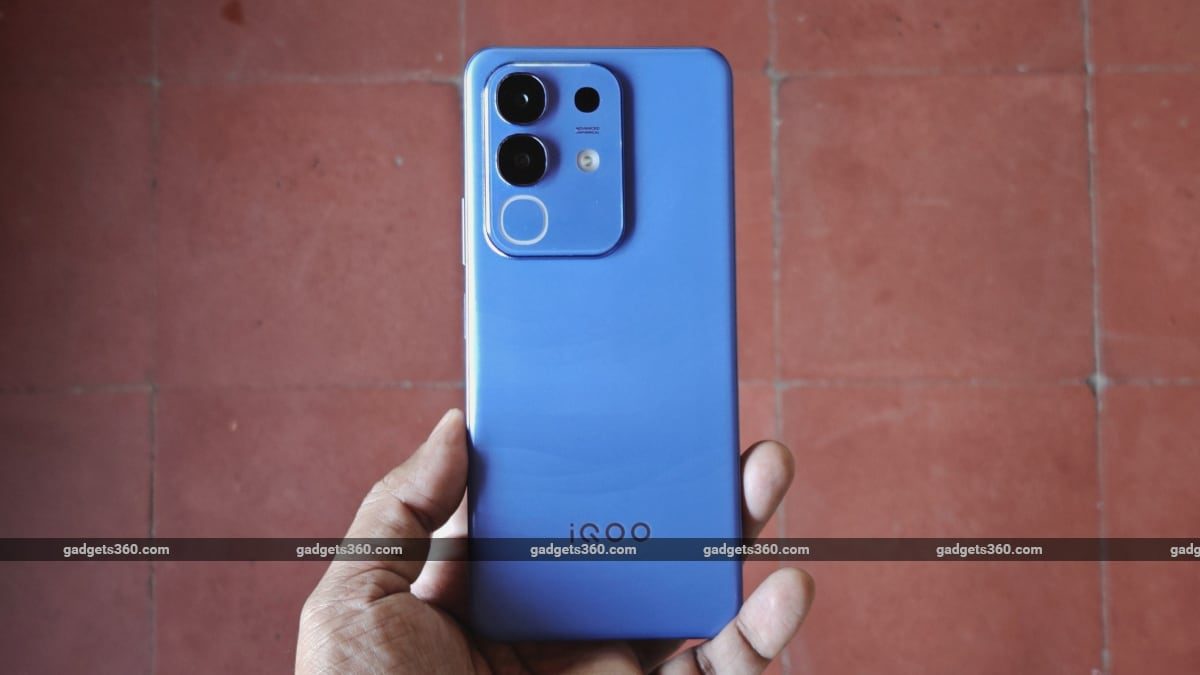
The rear panel is made of polycarbonate and has a matte finish, which does not pick up smudges and dust.

Out of the box, the iQOO Z10x’s design looks a lot better than the phone it replaces. Its mid-frame (also made of polycarbonate) has flat sides, but its rear panel has been given a curved treatment near the edges. We received the phone in its Ultramarine finish for review, which has a lavender-like colour. However, iQOO has added some detail in the form of a wave-like texture, which is visible when you twist the phone. I like that it’s subtle and not as flashy as the iQOO Neo 10R I recently reviewed.

iqoo z10x display gadgets 360 iQOOZ10x iQOO

Unlike the mid-range iQOO Z10, the iQOO Z10x retains its flat display panel.

While things have improved around the back, it’s not the same with the front. The LCD, albeit having the same 6.72-inch diagonal, FHD+ resolution and 120Hz refresh rate, has some thick borders. The borders are the thinnest on the sides (although not as thin as those on the iQOO Z9x) but are thicker at the top and the thickest at the bottom. It’s easy to conclude that iQOO has cut a few corners here, but more about this in our review.

The phone also retains its IP64 dust and water resistance rating from the iQOO Z9x. Given its chunky appearance and weight (204g), iQOO decided to omit the 3.5mm headphone jack, which was available on the previous model.

iqoo z10x cameras infrared gadgets 360 iQOOZ10x iQOO

The third smaller camera-like cutout is actually an IR blaster

The camera module appears abnormally complex, given that it only offers one user-accessible camera. It remains as basic as before, with a 50-megapixel (f/1.8 aperture) primary camera (with no OIS) and a 2-megapixel depth camera (for the Portrait camera mode). The selfie camera is also the same as before, and it is an 8-megapixel unit. I’m definitely not expecting a better performance in the photography department this year.

As for core hardware, there are a few upgrades. A newer MediaTek Dimensity 7300 processor offers a 2.5GHz maximum clock speed compared to the Qualcomm Snapdragon 6 Gen 1 SoC used in the previous model. The 7300’s GPU is also a lot faster compared to the GPU in the iQOO Z9x, so gaming performance should see some improvements.

iqoo z10x bloatware gadgets 360 iQOOZ10x iQOO

iQOO’s Z10x is powered by Vivo’s Funtouch OS 15, which is based on Android 15

Also new is a 6GB base RAM variant, an improvement over the basic 4GB RAM variant the iQOO Z9x offered. The iQOO Z10x is available in 6GB+128GB (Rs. 13,499), 8GB+128GB (Rs. 14,999) and 8GB+256GB (Rs. 16,499) variants. There’s support for several SA and NSA 5G brands and dual 5G standby. There’s no NFC, but you get Wi-Fi 6 and Bluetooth 5.4 connectivity.

iqoo z10x fingerprint reader power gadgets 360 iQOOZ10x iQOO

The iQOO Z10x’s fingerprint reader is embedded in its power button

The battery has grown from a 6,000mAh unit to a 6,500mAh unit. Given the more efficient TSMC chipset this time around, I can only expect the iQOO Z10x to perform even better than the iQOO Z9x. Charging remains the same as with the Z9x, which is 44W.

With many upgrades, we are expecting the iQOO Z10x to perform better in some areas compared to the iQOO Z9x we tested last year. We are not too confident about its camera prowess, which remains the same as before. Hopefully, iQOO has taken care of the annoying spammy notifications we experienced on the iQOO Z9x this time. If you are looking for a big battery budget smartphone that won’t break the bank, the iQOO Z10x might just be the right phone. But we recommend waiting for our detailed review before you pick one.

Posted on

Oppo Find X8 Ultra First Impressions

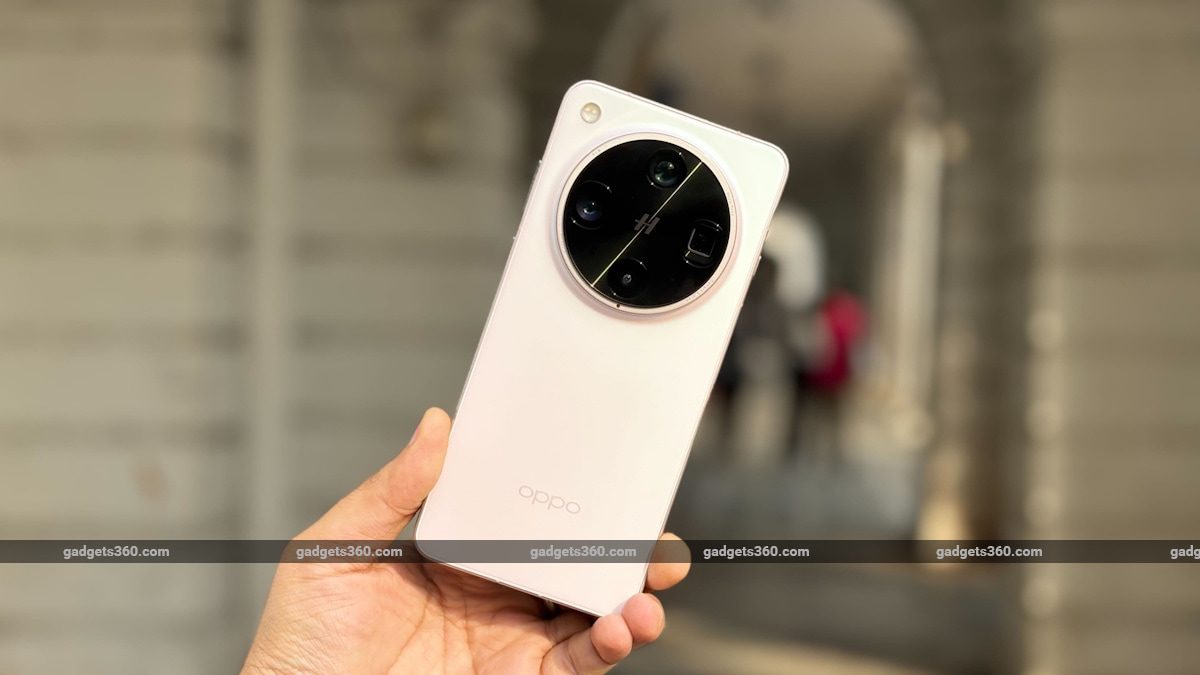
Another month and another Ultra model is here! Oppo’s latest salvo, the Find X8 Ultra, has been unveiled in China. As expected, the new Ultra is an upgrade over its predecessor in almost every department and a true flagship of 2025. But, if you’re reading this anywhere in India and getting excited, don’t be because this Ultra isn’t making its way to India. But I’m not surprised because the Find X7 Ultra did not make its way here. We got our hands on the phone a few days back, and here are our first impressions.

Oppo Find X8 Ultra: The Package

The Oppo Find X8 Ultra will be available in multiple RAM and storage variants in China. The price starts at CNY 6,499 (roughly Rs. 76,300) for the base (12GB + 256GB), CNY 6,999 (roughly Rs. 82,200) for the 16GB + 512GB model, and the top-of-the-line model costs CNY 7,999 (roughly Rs. 94,000). The sale starts next week on April 16 in China.

oppo find x8 ultra6 oppo-find-x8-ultra

It sports a peak brightness of 1600nits and a pixel density of 510PPI

Oppo claims that the Find X8 Ultra is the thinnest camera phone at 8.78mm thickness. To compare, the Find X7 Ultra, launched last year, measured 9.5mm, and the recently reviewed Xiaomi 15 Ultra (Review) measures 9.48mm.

The company also claims that the sleek profile has been possible with multiple internal optimisations like a redesigned motherboard and a new-gen silicon-carbon battery tech. Oppo also joins Apple’s club in introducing two new physical buttons on the Find X8 Ultra. There’s a Shortcut Button that can be customised for any function or tagged to an app, while the Quick Button can be used as a camera control.

Of course, cameras are the biggest highlight, and they are always part of Oppo’s Ultra line of smartphones.

oppo find x8 ultra5 oppo-find-x8-ultra

It runs on ColorOS 15 based on Android 15

Oppo Find X8 Ultra: Initial Thoughts

Holding the Find X8 Ultra in your hand for the first time, and you will get a flagship smartphone feel right away. And, indeed, on paper, it is the best from Oppo yet. The company has launched the Ultra in Matte Black, Pure White, and Shell Pink colours. I got the Pink one, and the muted colour and matte surface enhance the overall look of the phone – pure elegance.

The 6.82-inch Quad HD+ AMOLED display is bright and crisp. The support for Dolby Vision enhances the multimedia experience. In the limited time I spent with the Find X8 Ultra, I loved reading or streaming videos on the display. But I will reserve my verdict on it till I get more time to test it.

oppo find x8 ultra2 oppo-find-x8-ultra

It sports a five-camera setup at the back that Oppo touts as the “Holy Trinity in your pocket”

Like some recent Oppo premium phones, the Find X8 Ultra also comes with the branding of Hasselblad, the legendary camera maker. Oppo (Hasselblad), Vivo (Zeis), and Xiaomi (Leica) – all three are tightly locked to their respective collaborations for cameras.

The Oppo Find X8 Ultra gets an all-new penta camera system featuring a 50-megapixel wide camera with a 1-inch Sony LYT-900 sensor, OIS, 10-bit HDR, f/1.8 aperture alongside a 50-megapixel ultra-wide camera with Samsung JN5 sensor, f/2.0 aperture. Another 50-megapixel Sony LYT700 sensor with 3X periscope telephoto camera, and the second telephoto camera – a 50-megapixel Sony LYT-600 with OIS, 120x digital zoom, and 6x periscope zoom. Lastly, a 2-megapixel colour sensor is used for a multispectral system. At the front, there’s a 32-megapixel Sony IMX809 sensor. On the video front, Oppo says that all four cameras at the back can shoot 4K 60fps Dolby Vision video, which is an impressive addition.

oppo find x8 ultra4 oppo-find-x8-ultra

The phone offers plenty of modes, including Hasselblad Portrait Mode

Talking about the quality of the images, the Find X8 Ultra is a capable smartphone, and the below samples are a great indicator. Plenty of details, accurate colours, and controlled noise are some of the highlights of the camera – this I could derive from the limited time I spent with the device as it has been with me only for a couple of days. But stay tuned for our full-fledged review to know what it gets in terms of camera upgrades over the Find X7 Ultra, which we said was a camera powerhouse in our review last year.

With the new Ultra launch, Oppo has also introduced Lumo, the next-gen image processing engine. The company talked about it during China’s unveiling and said that it is a major leap for smartphone photography, and the new image processing engine is aimed to improve clarity, speed, and colour accuracy. I will dive deeply into this in my review.


Oppo Find X8 Ultra camera samples (tap images to expand)

Boosting confidence in everyday usage are features like IP68 and IP69 ratings, and the company claimed the SGS five-star drop resistance certification – an interesting addition. The phone supports a 3D ultrasonic fingerprint scanner and is quick for daily use.

Like other big-shot flagships, the Find X8 Ultra also packs the Snapdragon 8 Elite chipset. And, in the limited time I spent with the Ultra, it seemed snappy. Of course, you can expect more in-depth details on the performance credentials in our review.

oppo find x8 ultra3 Oppo-Find-X8-Ultra

Oppo Find X8 Ultra packs a 6100mAh battery and supports 100W fast-charging

Oppo has also raised the bar for the battery department with its Ultra model. Compared to the competition, the Find X8 Ultra packs the biggest battery unit at 6100mAh battery and supports 100W SuperVOOC fast charging.

Overall, the Find X8 Ultra looks like a solid contender for the best camera phone of 2025 globally. Stay tuned to Gadgets 360 for an in-depth review of the Find X8 Ultra.

Posted on

Xiaomi 15 Ultra Review: The Super Leica Phone

The 15 Ultra, Xiaomi’s third-generation camera-focused smartphone, is a strong contender in the segment that appeals to camera enthusiasts in India. Premium smartphone consumers are spoilt for choice today, especially if there’s an inclination to get a phone that nails smartphone photography. In the long list of phones available today, including the Xiaomi 15 Ultra and Xiaomi 15, there are other options like Vivo X200 Pro, Vivo X200, Oppo Find X8, and Oppo Find X8 Pro.

If anyone had asked me about which camera-focused phone to buy almost five years ago, I would have recommended the iPhone or Samsung’s top-tier models to users. But that is no longer the case. That means the segment is expanding and is a win-win situation for consumers.

The new Xiaomi 15 Ultra continues the good work achieved by its predecessor – Xiaomi 14 Ultra – by being a very effective evolution (and if we take Xiaomi 13 Pro also into consideration). Xiaomi has done a great job by sticking to the winning formula and making sure there’s the Leica branding on it. That’s more than a winning badge of honour for a category focused on photography, and having the legendary camera maker logo is more than just reassuring.

So, if you are out in the market and want to buy a camera flagship smartphone, should you pick the Xiaomi 15 Ultra? Let me answer that in my review.

Xiaomi 15 Ultra Design: Mimics Classic Leica Camera

  • It comes in a single Silver Chrome colour
  • It weighs 229 grams and is on the heavier side
  • The 15 Ultra measures 9.48mm thick

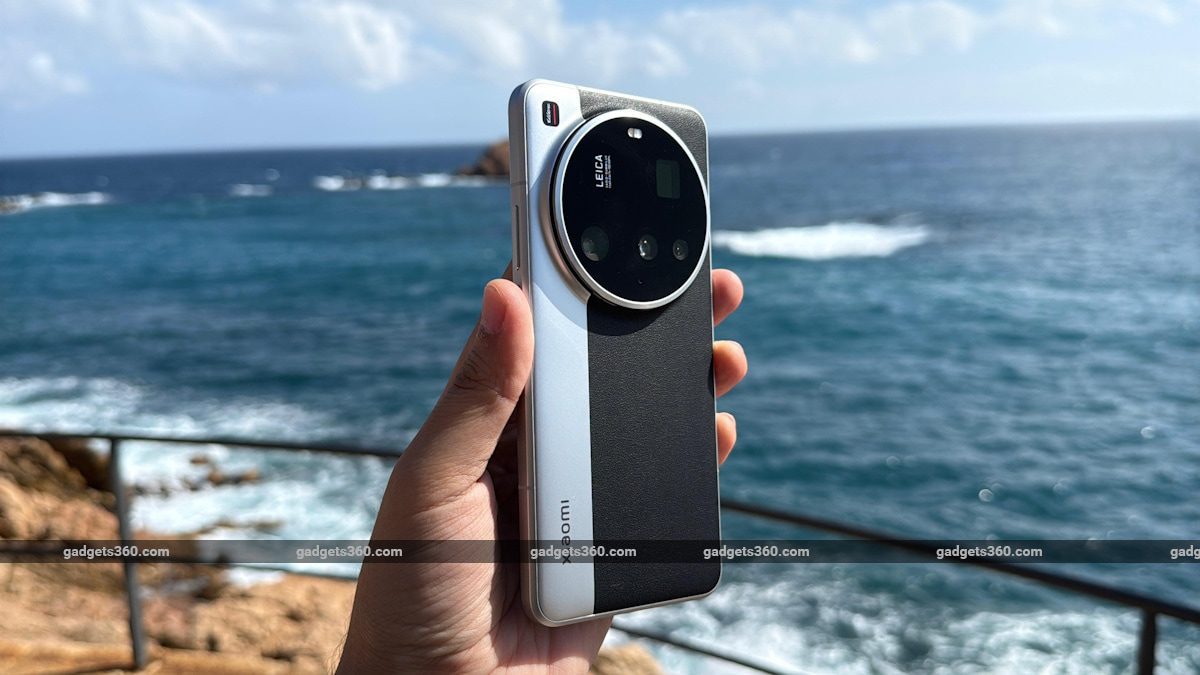
You don’t need to be an expert to tell that the Xiaomi 15 Ultra is aimed at camera enthusiasts. Iconic looks and legendary Leica rangefinder camera series-inspired aesthetics are on point, making the 15 Ultra stand out in the market. The rear sports an aerospace-grade glass fibre and PU leather combination, offering a premium and classic look. The unibody frame of the 15 Ultra feels solid and gives an excellent in-hand feel.

xiaomi 15 ultra gadgets360 review2 xiaomi-15-ultra

Xiaomi 14 Ultra (on the left) and Xiaomi 15 Ultra (on the right)

For someone who may be picking a camera-focused smartphone, the camera deco at the back of the 15 Ultra could be too much. The four cameras fit into a large circular camera module. At 229 grams, the Xiaomi 15 Ultra is on the heavier side, and it took me a few days to get familiar with the device and start using it more with just one hand. The aesthetics are excellent, and thanks to the rear design (PU leather + glass fibre combination), it works well for a one-hand grip.

For enhanced protection from accidental drops and daily wear and tear, Xiaomi has gone a notch above for the 15 Ultra and used the Xiaomi Guardian Structure, which utilises an aluminium frame, Corning Gorilla Glass 7i for the camera deco, and the Xiaomi Shield Glass 2.0 on the front.

xiaomi 15 ultra gadgets360 review3 xiaomi-15-ultra

Rear design comparison: Xiaomi 14 Ultra (on the left) and Xiaomi 15 Ultra (on the right)

The quad-curved display adds to the character of the device, and thin bezels make it ideal for multimedia consumption. The phone also gets an IP68 rating for dust and water ingress protection. While many users may start nitpicking Xiaomi for not adding an IP69 rating to the Ultra, I don’t see any point in this unless you really like to use your phone around water jets. Yes, it’s good to have on your spec sheet, but I don’t think you are missing a lot. Xiaomi 15 Ultra also switches to an ultrasonic fingerprint scanner from the optical we got on its predecessor.

One thing I absolutely love about the Xiaomi 15 Ultra is its attention to detail. The addition of the Ultra hallmark at the back (top left) adds to the appeal and makes the design impeccable for a camera enthusiast. 

Overall, the 15 Ultra is the purest camera phone for enthusiasts.

Photography Kit Legend Edition – How can we talk about the design and not bring up the exclusive Photography Kit for the 15 Ultra? The camera-inspired accessory adds more firepower to the already powerful Xiaomi 15 Ultra. The kit includes a detachable shutter button and thumb support, along with a 2000mAh battery pack that offers more juice while you’re busy snapping photos or videos. The kit also includes a grip case that enhances the overall look and feel of the phone. Then, there’s a customisation dial for adjusting EV, shutter, ISO and white balance, the zoom lever adds a new dimension to the overall zooming experience. The nice touch is a quick video button that instantly starts video recording and lets you customise aspect ratio, auto exposure, and more. The kit also enables a customisable UI style Fastshot mode for quick shots, and the entire package is IP54 rated (including the battery pack). While the kit definitely adds value to the entire proposition, I can’t deny that it makes the whole package kind of cool and makes the phone a head-turner in every way.

xiaomi 15 ultra gadgets360 review4 xiaomi 15 ultra

The phone comes in a Silver Chrome colour option and weighs 229 grams

Long story short, if you’re someone who really wants to unlock the beast photography mode on your 15 Ultra, then go for the kit.

Xiaomi 15 Ultra Display: Straight to the Top of the Class

  • Offers 3200nits peak brightness
  • Supports HDR10+ and Dolby Vision
  • Xiaomi Shield Glass 2.0 protection

The 15 Ultra retains the display from its predecessor, and it is among the best we have seen on a Xiaomi device yet. There’s one big addition, and that’s for peak brightness. From 14 Ultra’s 3000nits peak brightness, Xiaomi has bumped 15 Ultra to 3200nits. In real-world usage, you may not be able to tell the difference, but having a higher number for brightness is good. This helps Xiaomi beat most of the competition in the market, like Pixel 9 Pro XL (3000nits peak brightness), Samsung Galaxy S25 Ultra (2600nits), and even iPhone 16 Pro Max (2000nits). However, it stays behind Vivo X200 Pro (4500nits), Find X8 Pro (4500nits), and OnePlus 13 (4500nits).

xiaomi 15 ultra gadgets360 review5 xiaomi-15-ultra

It features a 6.73-inch LTPO display with a 1440×3200 pixels screen resolution

The display also features an adaptive 120Hz refresh rate that can go down to as low as 1Hz. The phone gets the rest of the bells and whistles one expects from a flagship-grade Android smartphone, including HDR10+ and Dolby Vision support. It also supports Widevine L1 so you can watch HDR content on popular OTT apps.

The 6.73-inch OLED display of the 15 Ultra serves as an excellent multimedia screen for your gaming, binge watching or Internet browsing. It also gets 1920Hz PWM dimming, DC dimming, and wet touch tech, which comes in handy while using the phone with sweaty hands. Apart from all these, the 15 Ultra also gets TUV Rheinland Low Blue Light and similar certifications to make your bedtime reading on your phone convenient. Overall, the 15 Ultra sports a brilliant display; you won’t be left demanding more.

xiaomi 15 ultra gadgets360 review7 xiaomi-15-ultra

The biggest highlight of the display is it supports 3200nits peak brightness

Xiaomi 15 Ultra Cameras: The Company’s North Star

  • 50-megapixel Leica 23mm primary camera (1-inch LYT-900 image sensor)
  • 200-megapixel ultra Leica telephoto with 100mm equivalent focal length
  • 50-megapixel 70mm Leica floating telephoto
  • 50-megapixel ultra-wide camera with 115-degree field of view
  • 32-megapixel in-display selfie camera

The 14 Ultra was a solid phone for photography last year, so the biggest doubt I had about the 15 Ultra was how it would surpass its predecessor. There are some additions to the 15 Ultra, like the new 200-megapixel telephoto sensor, that add muscle to the overall package, and mind you, none of the competitor devices have that sort of capability. You get 0.6x, 1x, 2x, 3x, and 4.3x zoom options on the camera app. However, there is one little downgrade: omitting the variable aperture on the 15 Ultra, but that isn’t a deal-breaker by any means.

So, let’s jump to the camera samples, starting with daylight SAMPLES. The Xiaomi 15 Ultra can click brilliant daylight photos with plenty of detail, accurate exposure and a wide dynamic range. The colour science of Leica is evident in the results and is simply too good for smartphone photography enthusiasts. The colours are natural and appear crisp. The skin tones are natural, too, and there’s barely noise in daylight photos.

xiaomi 15 ultra gadgets360 review8 xiaomi-15-ultra

The company is selling the Photography Kit Legend Edition separately for the Xiaomi 15 Ultra

Switching between 1x and 2x doesn’t spoil photo quality – an impressive feat. The samples captured using the 2x lens are equally remarkable.


Xiaomi 15 Ultra daylight camera samples (tap images to expand)

The portrait mode is a kind of USP of the Xiaomi Ultra devices, and 15 Ultra nails it. Portraits with people come out well, and depth estimation, subject isolation and natural blur are effortless.

Xiaomi 15 Ultra portrait camera sample (tap image to expand)

When it comes to zoom performance, the Xiaomi 15 Ultra will surely be among the top phones this year. I managed to click a ship in the ocean that was barely visible on the phone camera at 0.6x with the help of the long-range tele camera. When premium phones like the iPhone lost track of the subject beyond 25x zoom, the Xiaomi 15 Ultra impressed me with its strong zoom credentials. If you’re someone who clicks many zoom photos, just grab this one. The 3x zoom photos come out well with amazing colours, dynamic range, low noise, and details. The 4.3x telephoto is even better for portraits and gives you enough room to fit your subject in the frame. The results are below, and I was blown away by what the 15 Ultra can achieve with this terrific combination.

A ship in the ocean appears like a dot in 0.6x (tap image to expand)

The ship is visible with the name being readable, showing the 15 Ultra’s zooming capability

Xiaomi 15 Ultra zoom samples (tap images to expand)

The phone is also capable when it comes to close-up photos, and a 3x telephoto lens is used for that. Excellent close-up pictures with enough details and natural-looking shots with accurate colours.

Xiaomi 15 Ultra is also a capable smartphone for close-up shots (tap images to expand)

In this entire ensemble, the ultrawide camera on the 15 Ultra is the only one that could have been slightly better. Mind you, it is not a letdown and can reproduce some pleasant photos with excellent dynamic range. It’s just that when you compare ultrawide with the main camera, it slightly lacks overall quality.

Xiaomi 15 Ultra ultrawide samples (tap images to expand)

Of course, there are Leica photographic styles – Leica Authentic and Leica Vibrant – to spice up your portraits and take the upper hand on social media platforms.

Xiaomi 15 Ultra low-light samples (tap images to expand)

This is where it gets really interesting. The night photography on the Xiaomi 15 Ultra is fantastic. The phone is capable of capturing high levels of detail in low-light situations. During my testing, the 15 Ultra mostly maintained highlights, sharpness, shadows, and details and kept noise in check in low-light conditions. The phone was also capable of keeping fine textures in check.

Xiaomi 15 Ultra selfie sample (tap image to expand)

If there’s one department where I could really ask the Xiaomi team to improve in the camera department, it has to be a selfie shooter. It’s not bad, but it’s not remarkable too. For a phone made for smartphone photography enthusiasts, you expect more from every camera sensor. The front camera is capable during the daytime with no major issues with details, but in the low-light scenarios, it gets a bit unpredictable.

Of course, the camera phone is also built for videos. It supports 4K 60fps log video recording across all focal lengths and 4K 120fps cinematic slow motion video recording with both the main and periscope telephoto cameras. The video quality is top-notch, but how much would a content creator want to bring it into their daily workflow will depend on the ecosystem of devices for quicker video editing.

Overall, the Xiaomi 15 Ultra will be the camera smartphone to beat in 2025, and I’m guessing competition, including the likes of Oppo and Vivo, are already working on new Ultras. The 14 Ultra is already a capable smartphone for photography, but with the 15 Ultra, it’s been pushed to the extreme with two tele cameras. It’s the ultimate point-and-shoot smartphone for enthusiasts. If you want to raise the stakes, spend some more and grab the Photography Kit Legend Edition for the 15 Ultra that takes you to another level.

Xiaomi 15 Ultra Performance: Boringly Brilliant

  • Snapdragon 8 Elite Mobile Platform
  • 16GB + 512GB (single variant)
  • HyperOS 2.0 based on Android 15
  • 4 years of software support and 6 years of security updates promised

Xiaomi 15 Ultra is among a handful of devices launched this year with Qualcomm’s top-end Snapdragon 8 Elite platform. In everyday usage, there’s barely anything that this phone can’t handle, be it multitasking, streaming videos, photo editing on the go, video editing, gaming or anything else you can think of. For context, I tested the phone with almost 32 apps open in the background, and even when jumping between them, it didn’t stutter – absolutely top-tier performance – as expected.

The phone ships in a single RAM and ROM variant in India – 16GB and 512GB storage. However, Xiaomi sent me a 1TB variant, only available in China, for review. Talking about specifics, the 15 Ultra gets LPDDR5X and UFS 4.1 storage.

xiaomi 15 ultra gadgets360 review11 Xiaomi-15-ultra

In India, the phone is available in single RAM and storage trim – 16GB + 512GB

Talking about biometrics, the ultrasonic fingerprint sensor is quick compared to the one we saw on the 14 Ultra. There’s also face unlock, which works well, but I preferred the fingerprint sensor during the review for daily use. For people who love gaming, there’s a 3D Dual-Channel IceLoop system which helps cool down the phone. In my time with the device, I noticed that the 15 Ultra did heat up while running Google Maps for continuously 45 minutes or more, gaming for more than 40 minutes, and even while camera use for more than 25 minutes. But, it never became too challenging to handle, and of course, the cooling system kicked in quickly.

I tested the Xiaomi 15 Ultra with a suite of benchmarking apps, and as expected, the phone shines with impressive scores, which you can check below.

Benchmark Xiaomi 15 Ultra iPhone 16 Pro Max Samsung Galaxy S25 Ultra Google Pixel 9 Pro XL
Geekbench 6 Single 2,980 3,203 3,053 1,944
Geekbench 6 Multi 8,870 7,846 9,832 4,667
AnTuTu v10 25,19,481 15,87,059 21,23,303 10,67,971
PCMark Work 3.0 18,189 N/A 19,266 12,922
GFXB T-rex 120fps 59fps 120fps 120fps
GFXB Manhattan 3.1 306fps 59.7fps 115fps 105fps
GFXB Car Chas 120fps 59.4fps 94fps 55fps
3DM Slingshot Extreme OpenGL Maxed Out N/A Failed to run Failed to run
3DM Slingshot Maxed Out N/A Failed to run Failed to run
3DM Wild Life Maxed Out 8,942 Maxed Out 8,902
3DM Wild Life Unlimited Failed to run N/A 23,683 9,294

Calling on the 15 Ultra was clear, and I faced no issues with 5G connectivity with Airtel and Jio networks. I love typing on the 15 Ultra as it packs an excellent haptic motor that is amazing for typing, texting, and gaming.

The phone features stereo speakers and comes with Dolby Atmos support. The setup is the usual one, with one at the bottom firing down and another built into the earpiece. The speakers are loud and sufficient to fill a medium-sized room.

Moving to the software side of things, the Xiaomi 15 Ultra ships with Android 15-based HyperOS 2.0 out-of-the-box. Xiaomi promises 4 Android updates and 6 years of security updates for the 15 Ultra, which may not be as comprehensive as what Samsung and Google offer for their devices. But, keeping in mind the phone change cycle, anything above 3 years is good support from the company side.

xiaomi 15 ultra gadgets360 review12 Xiaomi-15-ultra

The new aerospace-grade glass fibre and PU leather back make a great rear design

The HyperOS 2 feels the same as HyperOS 1, albeit with some neat additions for overall optimisation and AI features. Now, you can check notifications and quick toggles on the control centre separately, like on iOS. You get plenty of customisation options for your home screen and lock screen.

Then, there’s a suite of Google features like Gemini Access and Circle to Search. For me, Circle to Search has been the coolest addition by Google lately and just makes things to search instead of typing it all. Xiaomi also bakes in plenty of AI features, namely AI writing, which provides proofreading and summarising your writing features; AI Gallery Editor, which offers image editing tools powered by AI; and AI speech recognition, which provides features like transcription and more. There are more features like Interpret Conversations with AI, AI Interpreter, and AI subtitles. It’s good to have a full-blown AI suite to help you be more productive.

But, the AI features in HyperOS 2 still need refinement. The AI-powered post-processing image editing tools like Object Remover lack polish, and I ended up with not-so-great edits. The same was true with some recorded conversations, and the speech recognition feature almost lost track of the recorded conversation and showed a random summary. This is not just Xiaomi but practically every other major OEM. Even Apple has failed to nail its much-hyped Apple Intelligence features. I hope 2025 is when AI features get advanced and do what they are expected to do with more finesse.

xiaomi 15 ultra gadgets360 review9 Xiaomi-15-ultra

The rear design of the 15 Ultra makes it stand out in the crowd

Xiaomi 15 Ultra Battery: Exceeds Expectations

  • 5410mAh Battery
  • 90W HyperCharge
  • Fully charges in less than an hour

The battery department is another one where there is a significant incremental update compared to the predecessor. The 15 Ultra packs a 5410mAh battery, which is way more than what we got on the 14 Ultra (5000mAh).

In our internal video loop test, the 15 Ultra ended up with impressive figures of over 20 hours of continuous video playback, thus putting it among the top devices we tested in 2025 and late 2024. The phone ships with a 90W adapter and is among a handful of devices that still get a charger in the box. It can fully charge (from 0 to 100 percent) within an hour, but the device gets heated up – a compromise you make to get additional charging speeds. It’s worth noting that the device comes with standard wired charging mode enabled by default, which usually means it will take more time to charge fully. For quicker charging, you must opt for “Top Speed.”

xiaomi 15 ultra gadgets360 review10 xiaomi-15-ultra

The phone comes with 90W fast-charging support that can charge the phone fully within an hour

In real-world usage, the bump in battery capacity gives the Xiaomi 15 Ultra some edge over competition devices like Pixel 9 Pro XL and the like. With heavy usage, which included significant camera app usage, the phone lasted over a day, included an hour of gaming, calls lasting about an hour, browsing, streaming, image editing on the go, Instagram, X, and other work-related apps open in the background at all times. During the review, I got over seven hours of screen-on time on the 15 Ultra, which is impressive.

Overall, the Xiaomi 15 Ultra exceeded my expectations in terms of battery output.

Xiaomi 15 Ultra Verdict

The Xiaomi 15 Ultra is a sensible camera phone that is done very, very well and will be a solid contender in next year’s best smartphone camera category at our NDTV Gadgets 360 Awards.

It is packed to the brim with features like Snapdragon 8 Elite that handles all performance needs efficiently, a fantastic camera setup tuned with legendary camera maker Leica, a large 5410mAh battery, 90W HyperCharge support, and much more. The idea of selling the Photography Kit Legend Edition separately is well-timed and should appeal to true Xiaomi fans and camera enthusiasts.

xiaomi 15 ultra gadgets360 review6 Xiaomi-15-ultra

Xiaomi 15 Ultra is also a great device for gaming and can handle games like BGMI, COD: Mobile at high graphics settings

The 15 Ultra is available at Rs. 109,999 on Amazon, Mi.com and through the company’s offline channel partners. The company is running some bank offers that can bring down the price of the smartphone to under a lakh, which makes it a sweet deal. Of course, if you are a pro and want to add the Photography Kit Legend Edition, add another Rs. 11,999. Overall, you get a solid smartphone camera built to last a few years at around Rs. 1,21,998 minus any offers.

Compared to some rivals, the Xiaomi 15 Ultra (plus Photography Kit Legend Edition) costs less than the Samsung Galaxy S25 Ultra (Review), which is available at Rs. 141,999 and iPhone 16 Pro Max (Review) available at as low as Rs. 137,900 on Amazon. There are some cheaper alternatives, like the Vivo X200 Pro (Review), available at Rs. 94,999, and the Find X8 Pro (Review), retailing at Rs. 99,999.

Posted on

iQOO Neo 10R Review: Excellent Value for Money?

iQOO’s Neo 10R may not end up being the successor to last year’s iQOO Neo 9 Pro when comparing price tags. However, the two phones appear to cross paths because their hardware specifications and features overlap in several areas. The new iQOO Neo 10R lacks the “Pro” branding and, so we could expect a proper successor to the iQOO Neo 9 Pro, sooner than later. Interestingly, each of these two phones have their strong points. If you are looking to buy the iQOO Neo 10R, you should also take a look at the Neo 9 Pro and here’s why.

iQOO Neo 10R Design: Plain Jane

  • Dimensions – 163.7 x 75.8 x 7.9mm
  • Weight – 196g
  • Durability – IP65

Compared to the iQOO Neo 9 Pro, the iQOO Neo 10R is as basic as possible. Yes, it has a slim overall appearance, but the materials used are quite basic. The confusing graphics aside, the Raging Blue finish uses a polycarbonate frame and a polycarbonate rear panel. I have no issues with its polycarbonate frame, as its overall quality is quite good and helps with the phone’s weight. But its polycarbonate rear panel is a proper smudge and dust magnet. These are easy to wipe off, but they just need some skin contact to get smudgy once again.

The use of polycarbonate does make sense because this phone packs a very high-capacity battery. And even after taking such weight-saving (or cost-cutting) measures, the phone still feels a bit heavy at 196 grams.

iqoo neo 10r design plain gadgets 360 iQOONeo10R iQOO

The iQOO Neo 10R’s Raging Blue finish is a very confusing colourway

An IP65 rating is good to have at this price point, but there are competing smartphones that offer a better IP68 rating for dust and water resistance. However, do keep in mind that most manufacturer warranties do not cover damage due to water ingress.

A design element that I really liked about the iQOO Neo 10R is to do with its display. It has very thin borders at the top, left and right. The border at the bottom, too, is quite thin, even though it’s a bit thicker than the others.

iQOO Neo 10R Display: Neat and tidy!

  • Display size – 6.78-inch, 1,260 x 2,800 pixels, 1.5K, 452 ppi
  • Display type – AMOLED, 60-90-120Hz
  • Display protection – Schott Xensation Up

The display shows mostly natural colours in the default screen colour mode. Sharpness is on point, and the display gets sufficiently bright (4,500 nits peak) outdoors. Despite packing the same peak brightness as the Nothing Phone 3a, I noticed that iQOO’s display sustained those brightness levels for a lot longer.

iqoo neo 10r display 120Hz gadgets 360 iQOONeo10R iQOO

iQOO uses Schott Xensation Up glass for display protection. It does a fine job of rejecting fingerprints, which contrasts with the rear panel.

The display also supports Widevine L1, meaning you can stream content in Full HD quality. To my surprise, the display is also HDR10 certified and supported content on supported apps appeared as expected.

The in-display fingerprint reader works as expected, and I had no trouble using it during the testing period.

iQOO Neo 10R Software: Something better

  • Android version – Android 15
  • Software – Funtouch OS 15
  • Software commitment – 3 years of software and 4 years of security updates

The iQOO Neo 10R runs Funtouch OS 15, which is powered by Android 15. Funtouch OS originally focussed on areas that other smartphone brands ignored (fingerprint unlock customisation, charging animations, etc). But with Funtouch OS 15, they have added new live wallpapers, new icon styles, new always-on display effects and plenty more. The OS, in general, also feels fluid and responsive.

I also like that you can run even the most demanding games in a pop-up window, which comes in handy when you have to wait for your turn. Or you simply need to get some other task done in full-screen while waiting for your game to log in/load.

iqoo neo 10r software funtouchos15 gadgets 360 iQOONeo10R iQOO

Funtouch OS 15 gets Android 15, some AI tools and plenty of customisation options

There is also the usual set of artificial intelligence (AI) tools. The AI Erase tool works surprisingly well but struggles when removing complicated objects in a scene. After selecting the object you want to erase, you can also see how the tool gradually erases it from the image as it’s getting processed. There’s also an AI-enabled Photo Enhance tool, which is built to enhance the resolution of Portrait photos. The content creation AI tools also worked as expected.

During the testing period, I don’t remember getting any spammy notifications, but the phone does come with a bunch of preinstalled third-party apps. However, they can be uninstalled if you have no use for them.

iQOO Neo 10R Performance: Great for its price

  • Processor – Qualcomm Snapdragon 8s Gen 3
  • RAM – 8/12GB (LPDDR5X)
  • Storage – 128/256GB (UFS 4.1, UFS 3.1 for 8+128GB)

Funtouch OS runs smoothly sans any hiccups. With indoor use, the phone rarely heats up except when playing demanding games like Genshin Impact. Outdoors, it’s business as usual until you fire up the camera and start shooting. This is when the phone starts to heat up. Funtouch OS still runs buttery-smooth in this condition, and the same can be said about the camera app. The heat generated when using the camera app can mainly be felt on the display and not so much on the rear panel or the frame. Despite getting very hot, the phone did not ask me to stop recording 4K 60 fps video, nor did it reduce the number of camera features available.

As for gaming, which is the highlight of this phone, it performed as expected. The Qualcomm Snapdragon 8s Gen 3 is not a high-end premium chipset; in fact, the slightly older Snapdragon 8 Gen 2 in the iQoo Neo 9 Pro performs better in some areas.

iqoo neo 10r cameras dual gadgets 360 iQOONeo10R iQOO

The iQOO Neo 10R has a dual rear camera setup

I could play Call of Duty: Mobile comfortably at Very High graphics and Max frame rate without any heating issues, with the phone managing a steady 59-61 fps during gameplay. So, I tried out something a bit more challenging (in terms of graphics) and installed Genshin Impact. The phone managed a steady 60 fps with all graphics settings maxed out to High. However, at Very High graphics settings, even 30 fps was a bit unstable. This is fine given that it’s only the top-end chipsets on premium devices that can handle this setting well.

In short, iQOO Neo 10R is a performer who can handle most games well without noticeable performance issues. For a smartphone priced from Rs. 26,999, it does deliver in terms of raw performance, as can be seen from the table below.

Benchmarks iQOO Neo 10R iQOO Neo 9 Pro Poco F6 Nothing Phone 3a
Chipset Snapdragon 8s Gen 3 (4nm) Snapdragon 8 Gen 2 (4nm) Snapdragon 8s Gen 3 (4nm) Snapdragon 7s Gen 3 (4nm)
Display resolution 1.5K 1.5K 1.5K FHD+
AnTuTu v10 14,91,562 15,85,868 14,57,491 8,04,179
PCMark Work 3.0 12,072 13,319 15,743 13,554
Geekbench 6 Single 1,927 2,050 1,835 1,158
Geekbench 6 Multi 5,047 5,741 4,693 3,255
GFXB T-rex 121 120 120 60
GFXB Manhattan 3.1 114 119 112 55
GFXB Car Chase 71 85 71 28
3DM Slingshot Extreme OpenGL Maxed Out Maxed Out 5,481 5,485
3DM Slingshot Maxed Out Maxed Out 4,655 6,954
3DM Wild Life Maxed Out Maxed Out Maxed Out 3,988
3DM Wild Life Unlimited 7,797 12,789 11,734 4,175


iQOO Neo 10R Cameras: Could have been better

  • Primary camera – 50-megapixel, f/1.79, OIS, AF
  • Ultrawide camera – 8-megapixel, f/2.2, FF
  • Selfie camera – 32-megapixel, f/2.4, FF

I have compared the iQOO Neo 10R to the Nothing Phone 3a I reviewed earlier to give our readers an idea about where the iQOO ranks at this price point.

The Nothing Phone 3a’s primary camera (below) performs better in a basic daylight photo comparison

Off the bat, there seems to be a colour consistency problem both between the two rear-facing cameras and even when using the primary camera itself. In the Natural colour mode, photos show slightly muted colours compared to the ultrawide camera, which showed the most true-to-life colours. At the same time, when shooting objects up close, I noticed that the primary camera randomly boosts saturation levels, so you may notice a strong red or green tone when using it, depending on what you capture.

The Nothing Phone 3a’s primary camera (below) shoots photos with better colour accuracy when shooting close-up photos

Colour accuracy aside, the photos from the primary camera do a bit of post processing, adding a bit of contrast. While I like that this processing adds some emotion to the images captured (despite cutting down on the overall dynamic range), the hardware somehow is unable to pull much detail from a scene even in daylight, leading to reduced detail and increased softness, especially near the edges of the frame.

In low light or street-lit scenes, the iQOO Neo 10R’s primary camera suffers from the same issues with softer images that are low on resolved detail. Nothing manages better. (Top: iQOO Neo 10R, bottom: Nothing Phone 3a)

As for the iQOO Neo 10R’s ultrawide camera, it produces poor images, which are a bit too soft, lacks any resolved detail whatsoever and also show a lot of purple fringing in the bright areas.

When shooting in low light, the photos from the iQOO Neo 10R (top) are primarily unusable versus what you get from the Nothing Phone 3a (below).

Portrait mode selfies captured in daylight have decent edge detection but are a bit low on detail, even though they appear a bit oversharpened. Low-light selfies also cut down on detail and, despite using the display flash, have an over-processed look.

Video recordings in daylight are surprisingly good. 1080p video recordings (30 and 60fps) showed accurate colours have a smooth framerate along with good stabilisation. 4K video recordings appear cropped and mimic the 1080p footage in terms of character but with slightly better quality. Shooting at 4K at 60fps offers the best quality but will limit you to the primary camera only. Sadly, in low light, noise creeps in, and the videos appear soft and blurry at best.

iQOO Neo 10R Battery: Fantastic

  • Battery capacity – 6,400mAh
  • Wired charging – 80W
  • Charger in the box – Yes

With a massive battery and good standby time, the iQOO Neo 10R easily lasts a whole day and a bit more with heavy usage. With casual use, expect this one to last more than 1.5 days on a single charge. Our video loop test, which runs an HD video in a loop at 50 percent brightness till the battery runs out, lasted an impressive 34 hours and 56 minutes. Running the PC Mark Work Battery test saw the phone last an equally impressive 24 hours and 38 minutes, far ahead of its rivals.

iqoo neo 10r battery charging gadgets 360 iQOONeo10R iQOO

The iQOO Neo 10R charges very fast, given the high capacity of its battery

Charging speeds are equally impressive, given that this phone packs a high-capacity 6,400mAh battery. The bundled charger managed a 26 percent charge in 15 minutes, 55 percent in half an hour and 100 percent charge in an hour, completing the charging process 3 minutes later (1 hour and 3 minutes).

iQOO Neo 10R Verdict

Indeed, the iQOO Neo 10R packs quite the punch given its attractively low price tag. The phone delivers when it comes to software performance, gaming, battery life, and charging, but it comes up short in the camera department.

It’s here that the recently launched Nothing Phone 3a (Review) shines, keeping in mind its lower price, coupled with its arsenal of cameras that are rare for this price segment. While its software experience is unmatched in this segment, the Nothing Phone 3a is not a performance-oriented device like the Neo 10R.

A direct competitor to the iQOO Neo 10R is the Poco F6 (Review), which retails at a lower price. Fortunately for the Poco, it also packs good camera performance (primary only). However, it also cannot match the Neo 10R when it comes to battery life or charging.

At an additional Rs. 5,000, is the elephant in the room, the iQOO Neo 9 Pro (Review), it packs a powerful, premium-grade Snapdragon 8 Gen 2 SoC, an excellent set of cameras and even offers a better finish with a vegan-leather option. Battery and charging are top-notch, though not as good as the Neo 10R. If you can stretch your budget a bit, I highly recommend skipping the iQOO Neo 10R and reaching for the Neo 9 Pro instead.

Posted on

ChatGPT Plus Free Access for Select Users Announced Until the End of May

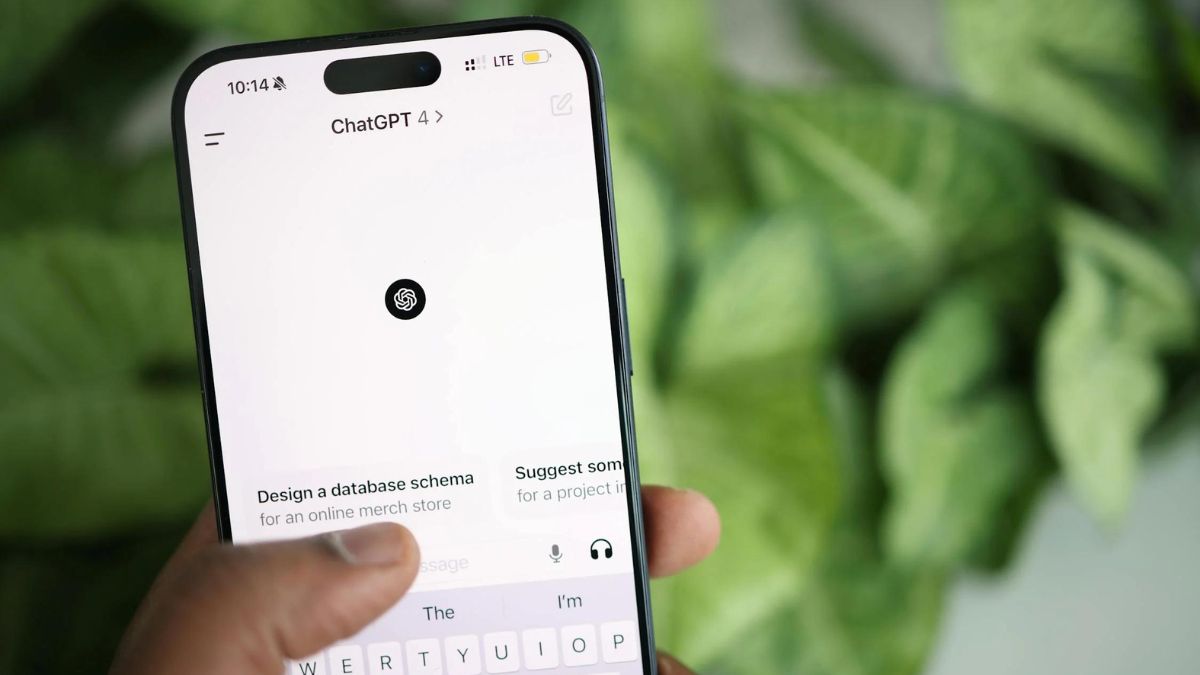
ChatGPT Plus will be free to access for select users over the next few weeks, OpenAI announced on Friday. The AI firm’s ChatGPT Plus subscription tier typically costs $20 (roughly Rs. 1,700) per month, but eligible users won’t have to pay for access to OpenAI’s deep research and multiple reasoning models and limited access to Sora video generation. The lowest paid subscription plan lifts limits on messaging or file uploads, and image generation, while also offering limited access to Sora video generation.

ChatGPT Plus Free Access for Students to Remain Available Through May

In a post on X (formerly Twitter), CEO Sam Altman announced that the company will offer students in the US and Canada free access to ChatGPT Plus. This is part of a limited promotion that offers access to the paid subscription for free, until the end of May, and details of the promotion are available on the company’s support website.

In order to avail of the student promotion, students must be enrolled at a degree-granting school in the US or Canada. OpenAI requires users to verify their student status via SheerID’s secure verification system before claiming access to the complimentary ChatGPT Plus subscription. Students who are already paying for the service will get two months of access at no additional cost.

ChatGPT Plus Subscription Plan Benefits, Features

The free version of ChatGPT already offers access to ChatGPT-4o mini, along with limited access to GPT-4o and o3-mini models, while the Plus subscription offers access to deep research and multiple reasoning models. These include o1, o3-mini, and o3-mini-high. The paid subscription also offers access to a research preview of the GPT-4.5 model that was announced in February.

ChatGPT Plus also lets users upload more files, send more messages, and generate more images than users on the free tier. Subscribers also have access to the advanced voice mde with support for video and screensharing.

OpenAI also allows ChatGPT Plus subscribers to create custom GPTs and enables users to try out upcoming features on the platform. A subscription to ChatGPT Plus also grants limited access to Sora video generation, which isn’t available on the free tier.

Posted on

Massive Steam Plume Spotted at Alaska’s Mount Spurr as Volcano May Erupt Soon

A large steam plume has been seen emerging from Mount Spurr in Alaska, signalling increased volcanic activity. Images shared by the Alaska Volcano Observatory (AVO) on March 28 confirmed steam and gas emissions visible from the volcano’s summit and a northern vent. The volcano is located around 80 miles west of Anchorage and stands at 11,070 feet high. The experts have revealed that there could be a possible eruption in the coming weeks or months. However, nothing is certain yet.

Increased Signs of Unrest Reported

According to the latest update by the Alaska Volcano Observatory steam was observed rising from the summit on March 26. A smaller plume was also recorded from a fumarole on the volcano’s northern flank. No immediate changes in seismic activity or gas levels were detected during these observations as per the AVO statement.

The AVO had earlier mentioned in a March 11 update that a noticeable rise in gas emissions indicates fresh magma has moved into the crust beneath Mount Spurr. This has led scientists to assess the chance of an eruption in the near future. The observatory clarified that the exact timing of any eruption cannot be predicted yet.

Hazards and Possible Alerts

The observatory has cautioned that the volcano’s alert level might be raised if there are further signs of escalation. According to AVO, this may include persistent seismic tremors, increased gas emissions or visible surface changes. If an eruption occurs, possible hazards include ash clouds impacting flights, ashfall across nearby areas, pyroclastic flows and mudflows known as lahars.

The volcano last erupted in 1992. That eruption resulted in heavy ashfall and affected air travel in the region. AVO has advised residents and visitors to stay informed and follow safety instructions if alerts are raised.

Posted on

NASA’s SPHEREx Mission Sends First Space Images Before Full Sky Survey

NASA’s SPHEREx mission has sent back its first images from space. This marks an important step before it begins the full survey of the sky. The space telescope, which was launched on March 11, 2025, is designed to scan millions of galaxies and collect data in infrared light. On March 27, its detectors captured uncalibrated images that show thousands of light sources, including distant stars and galaxies. The images, processed with added colours for infrared wavelengths, confirm that SPHEREx is operating as expected. Once fully operational, the telescope will take 600 exposures daily and map the entire sky four times during its two-year mission.

Recorded Images Reveals Interesting Details

According to NASA’s SPHEREx mission, the observatory’s six detectors recorded images of the same area of the sky, providing a wide field of view. The top three images represent one portion of the sky, while the bottom three cover the same section. As per the report, the SPHEREx catpured each image with around 100,000 light sources. As per multiple reports, scientists can now learn more about what celestial objects and its distance from Earth with the help of infrared wavelengths. The data from SPHEREx will also help researchers to explore the origins of water in the Milky Way. Moreover, it might also help the scientists to find more clues about the universe’s earliest moments.

Olivier Doré, SPHEREx project scientist at NASA’s Jet Propulsion Laboratory (JPL) and Caltech, told NASA that the telescope is functioning as intended. The infrared light detected by SPHEREx is invisible to human eyes, but colour mapping enables researchers to visualise and analyse it. The observatory’s unique design includes 17 infrared wavelength bands for each detector, creating a total of 102 hues in every six-image capture.

How the Telescope Works

Unlike Hubble or the James Webb Space Telescope, which focuses on specific areas of space, SPHEREx is built for large-scale surveys. It uses spectroscopy to break down light and identify chemical compositions and distances of celestial bodies. Light entering the telescope is divided into two paths, each leading to three detectors. Specialised filters process the incoming wavelengths, allowing for detailed observations of millions of cosmic sources.

Beth Fabinsky, deputy project manager at JPL, said in NASA’s official statement that the successful image capture represents a major milestone. The telescope has also reached its target operating temperature of minus 350 degrees Fahrenheit, crucial for detecting faint infrared signals. Since focusing cannot be adjusted after launch, mission engineers verified the accuracy of the telescope’s optics before sending it into space.

Jamie Bock, principal investigator at JPL and Caltech, confirmed in NASA’s report that the telescope is performing as expected. Engineers will continue testing before the observatory begins routine operations in late April.

Posted on

James Webb Space Telescope Reveals a Stunning Einstein Ring in Hydrus

James Webb Space Telescope has recently captured a detailed image of an unusual cosmic occurrence. The latest images released by European Space Agency shows a glowing ring in the depths of space. It also reveals an effect that is caused by a massive galaxy bending light from another galaxy hidden behind it. The phenomenon has been recorded in the constellation Hydrus. It has been observed that light from the background galaxy forms a ring due to gravitational bending.

Formation of the Einstein Ring

According to the European Space Agency and the Canadian Space Agency the sight captured is known as an Einstein ring. It was reported that the effect is caused when a massive object bends light from another galaxy located behind it. The report further highlights that the foreground galaxy shown in the images belongs to a cluster known as SMACSJ0028.2-7537. The light from a distant spiral galaxy is being curved by the gravitational pull of the elliptical galaxy in front.

As per the official statement from ESA, the effect is a classic case of Albert Einstein’s theory of general relativity. The agency highlighted that the large objects in space can warp space-time, which in turn, forces light to travel around them in curved paths. The report further mentioned that when the observer, the light source and the massive object align perfectly, the light appears as a full ring.

Significance of Gravitational Lensing

The image was shared as part of the March picture of the month initiative by the space agencies. The images were capture using the Near Infrared Camera instrument on the James Webb Space Telescope with the help of Hubble Space Telescope’s Wide Field Camera 3 and Advanced Camera for Surveys.

It is also reported that such lensing phenomena assist astronomers in studying distant galaxies that would otherwise be too faint to observe. The ESA further noted that the magnification effect helps reveal the structure and composition of galaxies that existed shortly after the Big Bang

For the latest tech news and reviews, follow Gadgets 360 on X, Facebook, WhatsApp, Threads and Google News. For the latest videos on gadgets and tech, subscribe to our YouTube channel. If you want to know everything about top influencers, follow our in-house Who’sThat360 on Instagram and YouTube.

Scientists Spot a Key Difference in Matter and Antimatter Decay

Two New Exoplanets Found Orbiting a Star in Draco Constellation

Related Stories

Posted on

T Corona Borealis May Erupt Soon: Rare Nova Could Be Visible to Naked Eye

T Corona Borealis is a binary star system in the Northern Crown constellation which is being monitored closely by astronomers worldwide for signs of a rare stellar eruption. The system consists of a white dwarf and a red giant orbiting each other with the white dwarf pulling material from its companion. The gradual accumulation of matter on the surface of dwarf white planet can lead to a thermonuclear explosion, known as a Nova. Scientists recorded the last erupted Nova in 1946. Now, there have been some indications that we might experience another nova outburst in the near future.

The researchers have recorded a brightening event in 2015 followed by a dimming in 2023, which has mirrored the pattern seen in the last eruption. This leads the experts to believe that there might be another nova outburt. If an eruption occurs T Corona Borealis could become visible to the naked eye and shine as brightly as the most prominent stars.

Accretion Activity and Expert Predictions

According to a study published in the Monthly Notices of the Royal Astronomical Society, the system has exhibited behaviour similar to the years leading up to its previous eruption. T Corona Borealis is one of only eleven recurrent novae observed in recorded history with eruptions noted in 1217, 1787, 1866 and 1946. As per the latest data available with the researchers, the accretion disc surrounding the white dwarf has became highly active and bright between 2015 and 2023. The study reveals that this heightened activity could trigger an eruption within a year or two.

There are multiple predictions from the scientists based on orbital analysis suggesting possible eruption dates. As per multiple reports, the Nova outburst might take place between March 27 or November 10 this year or June 25, 2026. The researchers has also suggested a theory regarding a potential third object influencing the binary system. Astronomers like Dr Léa Planquart of Université de Strasbourg and Dr Jeremy Shears of the British Astronomical Association have dismissed this theory citing the absence of supporting evidence. Both experts believe the activity of the accretion disc remains the most likely cause of an impending eruption.

For the latest tech news and reviews, follow Gadgets 360 on X, Facebook, WhatsApp, Threads and Google News. For the latest videos on gadgets and tech, subscribe to our YouTube channel. If you want to know everything about top influencers, follow our in-house Who’sThat360 on Instagram and YouTube.

Vivo X200 Ultra Confirmed to Feature Dedicated Camera Control Button; Design Teased

Facebook Introduces Friends Tab Without Recommended Content as Part of ‘OG’ Revamp

Related Stories

Posted on

Archaeologists May Have Found 2,100-Year-Old Roman Canal Built by Gaius Marius in Southern France

A Roman canal dated back more than 2,100 years may have been located in southern France. The structure is believed to be the Marius Canal. It is thought to have been built between 104 and 102 B.C. during the Cimbrian Wars. The Romans had been engaged in battles against the Cimbri and Teutones, two migrating Celtic tribes. The waterway was said to have been ordered by Roman general Gaius Marius to improve supply routes. If confirmed, this would be the first major Roman hydraulic engineering project in Gaul.

Study Suggests Ancient Canal Matches Roman Construction Patterns

According to a study published in the Journal of Archaeological Science: Reports, the canal’s remains were found south of Arles within the Rhône River delta. The research team which was led by Joé Juncker, a geoarchaeologist at the University of Strasbourg, conducted sediment core analysis and radiocarbon dating. These tests indicate that the site was used between the first century B.C. and third century A.D. The dimensions of the canal which measured approximately 98 feet in width, aligns with Roman engineering standards.

Archaeological Evidence Points to Roman Use

Finding from the site includes 69 pieces of Roman ceramics. It  has two ancient wooden stakes, and large cobblestone platforms. Radiocarbon analysis of the stakes suggests they date back to the first to fourth century A.D. Simon Loseby, an honorary lecturer at the University of Sheffield, told Live Science that the discovery adds to evidence of Roman large-scale infrastructure projects. He noted that further excavations may reveal quays or towpaths, which could provide stronger confirmation of the canal’s purpose and duration of use.

Further Excavations Needed to Confirm Identity of Canal

The last historical mention of the Marius Canal was recorded by Pliny the Elder in the first century A.D. Juncker cautioned that without additional archaeological verification, definitive attribution to Marius remains uncertain. Research at the site continues.

For the latest tech news and reviews, follow Gadgets 360 on X, Facebook, WhatsApp, Threads and Google News. For the latest videos on gadgets and tech, subscribe to our YouTube channel. If you want to know everything about top influencers, follow our in-house Who’sThat360 on Instagram and YouTube.

OpenAI Close to Finalising $40 Billion SoftBank-Led Funding

Infinix Note 50X 5G With MediaTek Dimensity 7300 Ultimate Chipset Launched in India: Price, Specifications

Related Stories