Posted on

Samsung Galaxy M16 5G, Galaxy M06 5G India Launch Confirmed; Design Teased

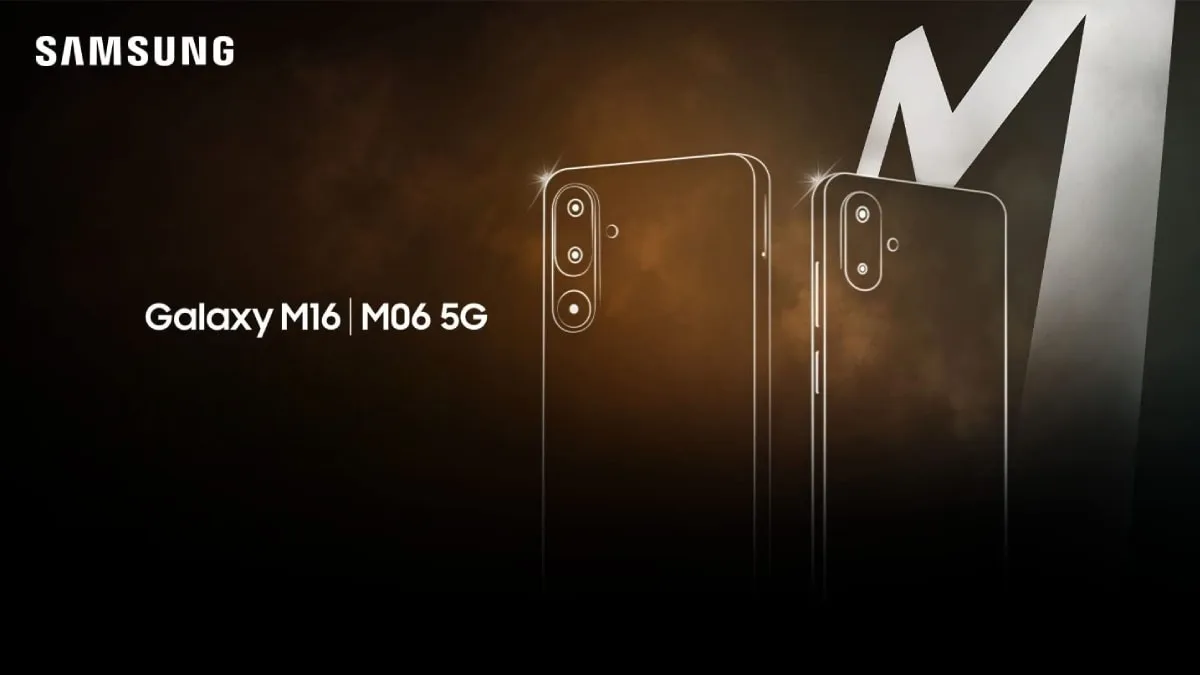
Samsung is gearing up to introduce two new 5G smartphones in India. The company has teased the arrival of the Samsung Galaxy M16 5G and the Galaxy M06 5G via social media. While Samsung has yet to announce the exact launch date of the handsets, availability details of the upcoming phones have been confirmed. Design details, particularly the rear camera layout of the Galaxy M16 and Galaxy M06 5G have been teased as well. Previously, few other details of the handsets surfaced online through several certification sites and other reports.

Samsung Galaxy M16 5G, Galaxy M06 5G India Launch: All We Know

The Samsung Galaxy M16 5G and the Galaxy M06 5G will launch in India soon, according to an X post by the company. The exact launch date has yet to be announced. A promotional poster for the smartphones on Amazon suggests that they will be available for purchase in the country via the e-commerce website.samsung galaxy m16 m06 amazon inline m16 m06 

The rear camera layout for the Samsung Galaxy M16 5G and the Galaxy M06 5G has been teased in the promotional posts. The Samsung Galaxy M16 5G appears to have three rear cameras, arranged vertically, placed within a pill-shaped island. A larger cutout within the module holds two sensors, while a smaller slot holds the third. A circular LED flash unit is placed outside the camera island. This resembles the design of previously leaked renders of the handset.

Meanwhile, the Samsung Galaxy M06 5G gets a vertical pill-shaped rear camera module appears to hold two sensors. The camera island is placed in the top left corner of the rear panel, similar to the Galaxy M16 5G, next to an LED flash unit. 

Previously, the Samsung Galaxy M06 5G with the model number SM-M166P had appeared on Geekbench. The listing suggested that the phone could come with a MediaTek Dimensity 6300 SoC paired with 8GB of RAM. The handset is expected to ship with Android 14-based One UI 6.

Affiliate links may be automatically generated – see our ethics statement for details.

For the latest tech news and reviews, follow Gadgets 360 on X, Facebook, WhatsApp, Threads and Google News. For the latest videos on gadgets and tech, subscribe to our YouTube channel. If you want to know everything about top influencers, follow our in-house Who’sThat360 on Instagram and YouTube.

Qualcomm Partners With Croma to Launch First Snapdragon Experience Zone in India

Related Stories

Posted on

I tested a cheap smart projector with surprisingly good JBL sound, but don’t get too excited

The Yaber K3 is a budget smart projector that offers 1080p resolution, 1600 ANSI lumens brightness and built-in access to streaming services such as Netflix and Disney Plus. While it delivers good sound and a Google TV smart interface for cheap, its picture quality is inconsistent and there are several other issues with it as well. A smart projector such as the Yaber K3 for $599 / £569 is a tempting prospect, especially when it can light up 40-200-inch screens. And while it’s not as well featured as the best projectors, built-in Wi-Fi and decent built-in speakers are hard to find at this price range. But some of the K3’s other main features such as its auto keystone correction and processing are sluggish and often frustrating to use. Gamers will also be better off looking elsewhere. The K3’s picture quality is a very mixed bag. It displays natural colors and solid enough detail at times and puts in a decent showing with sports. But contrast is weak and black levels are washed out. The K3’s picture quality was never going to compete with the best 4K projectors, but even compared with some of the best portable projectors, such as the Samsung Freestyle Gen 2, the K3’s picture struggles. Where the K3 excels is its sound, as the built-in JBL speakers are punchy and powerful, especially at this budget price range. While one of the best soundbars is still recommended, some won’t find the need to add one, especially for casual viewing. Fundamentally, the Yaber K3 is for those who are looking for a smart projector at an affordable price for the occasional movie night. While it packs as much as it can into its budget-friendly frame, it’s not quite the bargain budget gem it could have been. Yaber K3 projector review: Price & release date The Yaber K3 has natural enough colors but they appear washed out in some instances (Image credit: Future) Price: $599 / £569 (roughly AU$942) First available: September 2024 The Yaber K3 is a 1080p smart projector that follows on from Yaber’s K2 series. The K3 is priced at $599 / £569 (roughly AU$942 with direct exchange), putting it at the budget end of the projector spectrum in direct competition with portable projectors such as the Samsung Freestyle Gen 2 (also a 1080p smart projector) which has a standard price of $749 / £649. Since its release in September 2024, there have been some discounts on the Yaber K3, with prices falling to $499 / £465 during sales events. This is similar to the discounts the Samsung Freestyle receives, as it’s regularly priced at $549 / £499 during sales events. Yaber K3 projector review: Specs Swipe to scroll horizontally Screen sizes supported: 40-200-inches Brightness (specified): 1600 ANSI Lumens HDR support: N/A Optical technology: LED, DLP Smart TV: Google TV Connections: HDMI x2, 3.5mm, USB Dimensions: 11.4 x 12.7 x 6.1 inches (290 x 3232 x 154mm) Weight: 11.2 pounds (5kg) Yaber K3 projector review: Design & features 1600 ANSI lumens Google TV smart interface Nice fabric grill but bulky elsewhere The Yaber K3 offers access to smart features and streaming via Google TV at a budget price (Image credit: Future) The Yaber K3’s fabric front grill gives it a slightly more premium appearance than its budget price would suggest, but elsewhere it appears a little plain and oddly bulky looking. It measures 11.4 x 12.7 x 6.1 inches (290 x 3232 x 154mm) and requires a mains power supply with no battery options. There’s also a noticeable amount of fan noise after extended viewing periods. The K3 has a specified 1080p resolution and 1600 ANSI lumens brightness. It has a 1.2:1 throw ratio and fits screens from 40-200 inches. Auto and manual keystone adjustment and object detection count among its features, but I generally found that auto keystone was frustrating and often didn’t calibrate correctly to the Optoma 80-inch portable screen I was using for my tests. Manual keystone correction can only be done via the Yaber homepage and not while watching content – another aspect I found frustrating. Despite its budget price, it uses Google TV as a smart TV interface. This provides access to some of the best streaming services including Netflix, Prime Video and Disney Plus. For connections, it has two HDMI ports, one USB-A port, a 3.5mm audio output and Bluetooth wireless. The K3 has a surprisingly robust built-in speaker system for such a budget projector, with dual 15W JBL speakers totaling 30W of power. No gaming features are included on the K3. For those looking for a gaming projector, you’re better off with something like the BenQ X300G. Design & features: 3/5 Yaber K3 projector review: Picture & sound quality The Yaber K3 displays details well on occasion, but textures and contrast are often inconsistent and unbalanced (Image credit: Future) Inconsistent picture quality Decent enough colors Surprisingly punchy sound For my testing, I used an Optoma 80-inch, 1.0 gain matte white projection screen. I first began by taking brightness measurements using a colorimeter, and the K3 yielded results of 109 nits and 93 nits in Standard and Natural picture modes respectively, putting it above 4K portable projectors such as the LG CineBeam Q (which yielded 60 nits in Filmmaker Mode). Moving on to critical viewing, I first looked at an HD stream of Star Wars: The Last Jedi on Disney Plus, focusing on the throne room fight scene. Colors were natural enough, but they lacked any sort of dynamic punch. Characters’ skin tones also appeared washed out, even in the most accurate Natural picture mode (though there wasn’t a great deal of difference between the various picture modes). The same was true for La La Land on Blu-ray, which showed natural colors but also inaccurate textures, although in some scenes details were more refined than I’d anticipated. Next, I watched a Blu-ray of The Batman to test black levels and contrast. While mostly acceptable, I found some scenes difficult to watch due to limited brightness (namely the opening crime scene investigation) even in blacked-out viewing conditions. In brighter scenes, details were clear and accurate enough, but there was a gray wash over the screen and textures still appeared fuzzy. One area where the K3 did well was with sports. Watching soccer matches in Sports mode, the action was smooth and accurate enough that the games were watchable, though it won’t beat more premium projectors. While the K3’s picture is average, its built-in sound is surprisingly good. Equipped with a JBL speaker system totaling 30W of power, the K3’s sound is punchy, detailed and clear. Watching the Batmobile chase sequence in The Batman, the sound of swerving cars was accurately presented, with a strong sense of direction. The rumble of the Batmobile’s engine had a hefty amount of bass and plenty of power, especially for small built-in projector speakers. Even La La Land’s dynamic, jazzy score was presented with real clarity, with a good balance between the horns, strings and vocals throughout. While the JBL speaker’s soundstage is limited by its size, it’s still surprisingly effective for a built-in speaker at this price range. Picture and sound quality: 3/5 Yaber K3 projector review: Value The Yaber K3’s remote is cheap-feeling but has the buttons you need (Image credit: Future) Smart projector for a budget price Cheaper than most portable projectors Overall performance is frustrating The $599 / £569 Yaber K3 is good value for those looking for an affordable projector that provides access to streaming services via the Google TV smart platform. It isn’t going to beat more premium projectors and may even struggle against some of the best portable projectors, but for those looking for a casual projector, the K3 is a budget-friendly option. Unfortunately, shortcomings in the K3’s picture quality and some frustrations with setup such as keystone correction hold it back from being a budget gem. You’ll have to make some sacrifices, particularly with sound, on other portable projectors such as the Samsung Freestyle Gen 2, but the Freestyle is likely to give you a more consistent experience for a similar price. Value score: 3.5/5 Should I buy the Yaber K3 projector? Black levels are one of the K3’s weakest areas, with pictures appearing washed out at most times (Image credit: Future) Swipe to scroll horizontally Yaber K3 projector Attributes Notes Rating Design and features Google TV smart interface and fabric grille, but problematic keystone features and sluggish software 3/5 Picture quality & sound quality Punchy built-in sound plus good brightness and natural colors but inconsistent in every aspect with picture 3/5 Value A smart projector at an affordable price, but similarly priced protable projectors probably a better alternative 3.5/5 Buy it if… Don’t buy it if… Also consider Swipe to scroll horizontally Comparison: portable projectors Header Cell – Column 0 Yaber K3 Samsung The Freestyle 2nd Gen Xgimi MoGo 3 Pro LG CineBeam Q Price: $599/£569 $799/£549 $449 / £429 / AU$1,099 $799/£749 Screen sizes supported: 40 to 200 inches 30 to 130 inches 40 to 200 inches 50-120 inches Brightness (specified): 1600 ANSI lumens 230 ANSI lumens 450 ANSI lumens 500 ANSI lumens HDR support N/A HDR10+, HDR10, HLG HDR10, HLG HDR10, HLG Optical technology: LED LED, DLP LED, DLP RGB laser DLP Smart TV: Google TV Tizen Google TV webOS Connections: HDMI 2.0 x2, 3.5mm x1, Ethernet x1 Micro-HDMI, USB-C (power) Micro-HDMI, USB-A, USB-C (power), Bluetooth 5.1 HDMI, USB-C (display, power) How I tested the Yaber K3 projector (Image credit: Future) Tested with an Optoma 1.0 gain, matte white 80-inch screen Tested using Blu-ray, streaming sources Measurements taken using Portrait Displays’ Calman calibration software To test the Yaber K3 projector, I first used high definition and standard definition sources including Blu-ray and streaming. I tested the K3’s picture quality, analyzing color, contrast, black levels, detail and motion. I also evaluated its built-in JBL sound using the same reference scenes from movies and TV shows. I used a colorimeter, test pattern generator and Portrait Displays’ Calman color calibration software to record measurements for brightness, contrast ratio and color and grayscale accuracy. The projector was primarily tested in pitch-black conditions in our testing room at TechRadar and also in full ambient light settings to see how it handled brighter viewing environments.

Posted on

India vs Pakistan ICC Champions Trophy 2025 Live Streaming for Free: How to Watch IND vs PAK Match on Mobile and Smart TV

The ICC Champions Trophy 2025 is finally here after an eight-year hiatus. The ‘mini’ Cricket World Cup tournament starts from February 19, 2025 and will end on March 09, 2025. This time, all the Champions Trophy matches take place in Pakistan and Dubai. The ninth edition of the tournament will include eight of the best ODI teams, including India, Pakistan, Bangladesh, and New Zealand, in Group A. Group B includes Australia, South Africa, Afghanistan, and England teams.

Today, we will see one of the biggest matches in the tournament. Yes, India is going against Pakistan this time, making this match a very special for both the countries. India will be headed by Rohit Sharma, while the Pakistan’s team captain will be Mohammad Rizwan. So, if you are wondering where you can watch all the cricketing action online that too free, then you have come to the right place. In this article, we will talk in-depth about ICC Champions Trophy 2025 live streaming details, how to watch it for free in India, streaming details of other countries, the full schedule, and more. So, without further ado, let’s get started.

ICC Champions Trophy 2025: Today’s Match Details

Here’s the detail of the second match of the ICC Champion Trophy 2025:

Match Date Time Venue
India vs Pakistan February 23rd 2:30 pm IST Dubai International Stadium, Dubai

India Squad: Rohit Sharma (c), Shubman Gill, Virat Kohli, Shreyas Iyer, KL Rahul, Rishabh Pant, Hardik Pandya, Axar Patel, Washington Sundar, Kuldeep Yadav, Harshit Rana, Mohd. Shami, Arshdeep Singh, Ravindra Jadeja, Varun Chakaravarthy

Bangladesh Squad: Mohammad Rizwan (c), Babar Azam, Imam-ul-Haq, Kamran Ghulam, Saud Shakeel, Tayyab Tahir, Faheem Ashraf, Khushdil Shah, Salman Ali Agha, Usman Khan, Abrar Ahmed, Haris Rauf, Mohammad Hasnain, Naseem Shah, Shaheen Shah Afridi

ICC Champions Trophy 2025: India Matches Schedule

ICC Champions Trophy 2025 India is placed with Pakistan, New Zealand, and Bangladesh in Group A. The team will have a match with each of the contenders in the group. Here’s a breakdown of India  matches for this year’s ICC Champions Trophy:

Match Date Time Venue
India vs Bangladesh February 20th 2:30 pm IST Dubai International Stadium, Dubai
India vs Pakistan February 23rd 2:30 pm IST Dubai International Stadium, Dubai
India vs New Zealand March 2nd 2:30 pm IST Dubai International Stadium, Dubai

How to Watch India vs Pakistan ICC Champions Trophy 2025 Match Live Stream on Mobile in India for Free?

ICC has confirmed that Jiostar is the official streaming partner for the ICC Champions Trophy 2025. The OTT platform has confirmed that users can watch all the matches for free on the new JioHotstar application. Interestingly, the company has confirmed that users can watch the matches in nine different languages: English, Hindi, Marathi, Haryanvi, Bengali, Bhojpuri, Tamil, Telugu, and Kannada. The live streaming on JioHotstar will be complemented by four multi-cam feeds.

However, users might be able to watch the free matches in the 480p resolution. Those who want to watch the matches in higher quality, need to upgrade to the JioHotstar subscription. These are as follows:

JioHotstar Mobile: The plan comes with a price tag of Rs. 149 for three months or Rs. 499 for one year. Users will get 720p video quality streaming, though you can watch it on one mobile device at a time.

JioHotstar Super: The membership is priced at Rs. 299 for three months or Rs. 899 per year. Users will get a Full HD 1080p quality streaming experience. One can watch the content on both mobile and other platforms on two devices at a time.

JioHotstar Premium: Lastly, the Premium subscription plan comes with a price tag of Rs. 299 per month, Rs. 499 for three months, or Rs. 1,499 for one year. The plan offers 4K 2160p video quality. Moreover, one can watch the content on four devices at a time.

How to Watch India vs Pakistan ICC Champions Trophy 2025 Matche on JioHotstar

Here’s how you can easily watch the Pakistan vs New Zealand Champions Trophy 2025 ODI match on JioHotstar. 

  1. Download and install JioHotstar application on your Android or iOS. 
  2. Login to your Hotstar account by either your registered mobile number or username. 
  3. Enter the OTP sent to your registered mobile number. 
  4. Now, simply select the top banner on the homepage to start streaming the match. 

How to Watch Watch India vs Pakistan ICC Champions Trophy 2025 Match Live Streaming Online in Other Countries?

Here’s a list of other streaming platforms that will showcase all ICC Champion Trophy 2025 matches:

Country TV Channel OTT Platform
Pakistan PTV Sports, Ten Sports Myco, Tamasha
Bangladesh Nagorik TV Toffee
MENA CricLife Max StarzON
UK & Northern Ireland Sky Sports Cricket Sky Sports
Sub-Saharan Africa SS Cricket SuperSport
USA & Canada Willow TV(USA & Canada) Willow TV
Caribbean Islands ESPN Caribbean ESPN Play Caribbean
Australia N/A Prime Video
New Zealand Sky Sport 1 Sky Sports Now, Sky Go
Sri Lanka TV1 ICC.tv
Afghanistan ATN ICC.tv
Papua New Guinea TVWAN Action ICC.tv
ROW N/A ICC.tv

Where to Watch Watch India vs Pakistan ICC Champions Trophy 2025 Match Live Telecast on TV?

In India, users can watch all the matches of the Champions Trophy 2025 on Star Sports Network and Sports 18 channels. The platform has already confirmed that the live broadcast of the matches will take place in English, Hindi, Tamil, Telugu, and Kannada languages. Check out the list of channels that will showcase all the Champions Trophy matches.

  • Star Sports 1 Hindi HD
  • Star Sports 1 HD
  • Star Sports 1 Hindi
  • Star Sports 1
  • Star Sports 1 Tamil
  • Star Sports 1 Tamil HD 
  • Star Sports 1 Telugu 
  • Star Sports 1 Telugu HD
  • Star Sports 1 Kannada 
  • Star Sports 2
  • Sports 18 1
  • Sports 18 1 HD
  • Sports 18 2
  • Sports 18 2 HD
  • Sports 18 3

ICC Champions Trophy 2025 Full Schedule

Match Group Date Time (IST) Venue
Pakistan vs New Zealand Group A 19 February, Wednesday 2:30 pm National Stadium, Karachi
India vs Bangladesh Group A 20 February, Thursday 2:30 pm Dubai International Stadium
Afghanistan vs South Africa Group B 21 February, Friday 2:30 pm National Stadium, Karachi
Australia vs England Group B 22 February, Saturday 2:30 pm Gaddafi Stadium, Lahore
India vs Pakistan Group A 23 February, Sunday 2:30 pm Dubai International Stadium
Bangladesh vs New Zealand Group A 24 February, Monday 2:30 pm Rawalpindi Cricket Stadium
Australia vs South Africa Group B 25 February, Tuesday 2:30 pm Rawalpindi Cricket Stadium
Afghanistan vs England Group B 26 February, Wednesday 2:30 pm Gaddafi Stadium, Lahore
Pakistan vs Bangladesh Group A February 27, Thursday 2:30 pm Rawalpindi Cricket Stadium
Australia vs Afghanistan Group B 28 February, Friday 2:30 pm Gaddafi Stadium, Lahore
England vs South Africa Group B March 1, Saturday 2:30 pm National Stadium, Karachi
India vs New Zealand Group A 2 March, Sunday 2:30 pm Dubai International Stadium
A1 vs B2 1st Semi-Final March 4, Tuesday 2:30 pm Dubai International Stadium
B1 vs A2 2nd Semi-Final March 5, Tuesday 2:30 pm Gaddafi Stadium, Lahore
Winner of Semi-Final 1 vs Winner of Semi-Final 2 Final March 9, Sunday 2:30 pm TBC

ICC Champions Trophy 2025: List of Stadium and Venues 

This year’s Champions Trophy will take place in Pakistan and Dubai. There are five different stadium where all the matches will take place, including Semi-Finals and Final. Here’s a list of stadiums: 

  1. National Stadium, Karachi
  2. Gaddafi Stadium, Lahore
  3. Rawalpindi Cricket Stadium, Rawalpindi
  4. Dubai International Cricket Stadium, Dubai

Frequently Asked Questions (FAQs)

What time will Champions Trophy matches begin?

All the ICC Champions Trophy matches will start at 2.30 pm IST.

How can I watch Champions Trophy 2025 matches online in India?

You can watch all the matches on the JioHotstar application or website for free.

Which teams are competing in the Champions Trophy 2025?

The squads of eight teams are split into two groups, with the top two sides from each group advancing to the semi-finals.

  • Group A: Pakistan, Bangladesh, India, New Zealand
  • Group B: Australia, South Africa, Afghanistan, England

When will India play its first match in ICC Champions Trophy 2025?

India will play its first match against Bangladesh on February 20, 2025.

Can I watch the ICC Champions Trophy Live?

Yes, you can watch the live action of ICC Champions Trophy live on JioHotstar application and on Star Sports and Sports 18 channels. 

Posted on

I tested an ultra-cheap Dolby Atmos soundbar against a premium alternative, here’s why it’s worth spending the extra cash

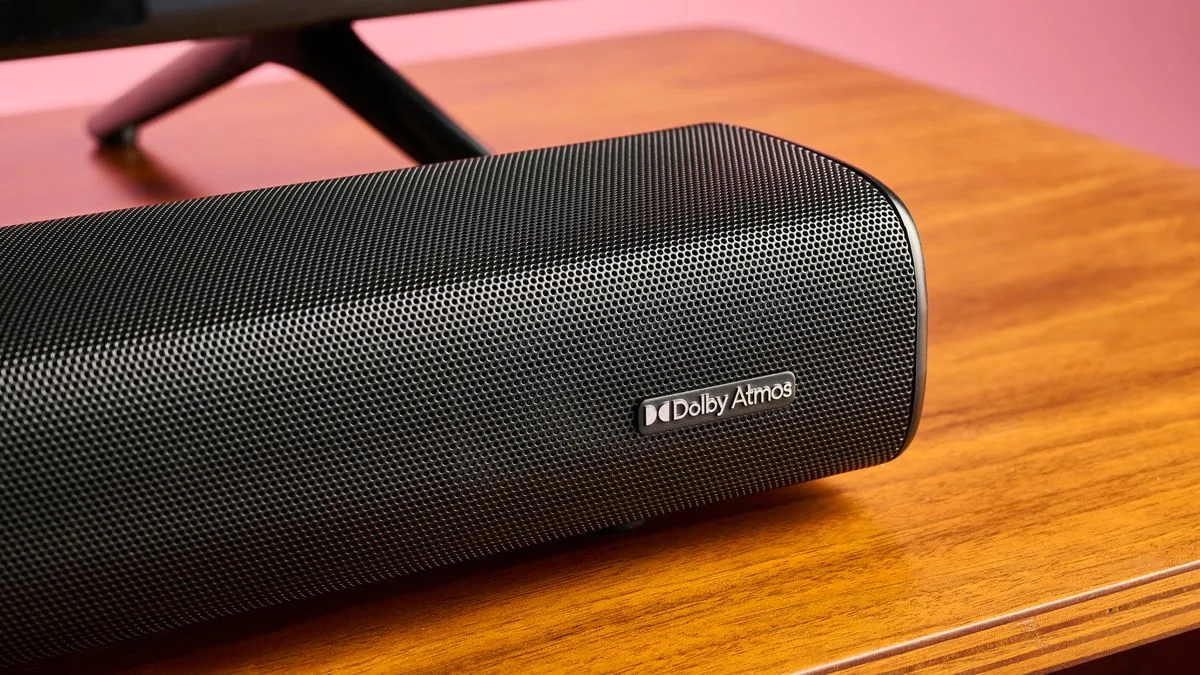
If you’re looking to grab one of the best soundbars around, there’s something that you’ll almost certainly be seeking – Dolby Atmos support. And I wouldn’t blame you. This immersive audio tech can provide a three-dimensional, natural sound profile to your viewing experiences that will really take movie nights to the next level. Luckily, I’ve been able to test a number of the best Dolby Atmos soundbars here at TechRadar – everything from ultra-cheap models around the $100 / £100 mark to more premium options in the $1,500 / £1,500 range. So, you might be wondering, if you can access Atmos at such a low price-point, is it really worth spending extra on a more elite option? Let’s find out. A few months ago, I checked out the Majority Elias, a soundbar that’s available in the UK for £99.95 (about $130 / AU$190). This budget standalone soundbar packs in Dolby Atmos support alongside upfiring speakers – something you need if you’re looking to reap the benefits of Atmos’ verticality. I tried watching a few movies with this soundbar, such as Top Gun: Maverick – a hit that gives Atmos plenty of space to showcase its strengths, with soaring jets and all-action onslaughts. During one scene where Tom Cruise’s character flies his aircraft up at a rapid pace, the Elias offered a more expansive impression than my standalone TV audio, but it couldn’t map his trajectory to a precise, true-to-life degree. (Image credit: Future) The Elias is a 2.0.2 soundbar – it lacks a standalone sub and rear speakers, merely offering two forward facing and two upward firing speakers. Now, a lot of the more expensive models out there come with their own sub, maybe even individual rear speakers, meaning you get true surround sound. This really takes the effects of Atmos up a level, enveloping you in a layer of sound for high-calibre immersion. Its worth commending the Majority Elias for casting a decent spatial impression – but also noticing that despite having Atmos capabilities, they’re fairly limited. Ultimately, the Elias also suffers from an issue that many cheap soundbars – including models like the Ultimea Nova S50 – struggle with. Namely, disappointing overall audio quality. I found that dialogue could sound fairly muddy when watching movies and TV shows and that it struggled with busier scenes where details could get hidden away in the mix. And what that unfortunately means is you’re not going to be able to fully indulge in the joys of Dolby Atmos. With average or sub-par audio, more subtle artefacts can seem hidden – something you don’t have to worry about with the Samsung HW-Q800D – a model I tested at the tail-end of 2024. (Image credit: Future) Atmos, in all its glory The HW-Q800D has a list price of $999 / £749 / AU$1,099, so it’s by no means cheap, but oh my do you still get your money’s worth. First off, you don’t have to face up to middling audio quality here – the HW-Q800D can do it all, from ultra-defined dialogue through to rhythmic music replication. But on Atmos specifically, the HW-Q800D can plate up phenomenal three-dimensional audio that fills your room effortlessly. When testing, I threw on The Boy and the Heron and the soundbar mapped the titular bird’s flight expertly, tracing his every flutter. In an area consumed by fire, both the width from the soundbar’s side speakers and verticality from its upfiring ones captured the frightening, heart-racing atmosphere of the opening scene to perfection, really involving me in the action. This model also comes with a dedicated sub, which adds incredible low-end power for those tense moments in movies and video games – or bass-heavy bangers in your music library. You’re getting a total power output of 360W from the HW-Q800D, more than double that of the Majority Elias – so you can attain the kind of power needed for an authentic home cinema experience. (Image credit: Future) Of course, if you have a bit more money to play with (lucky you), you can heighten performance by adding rear speakers with a model like the Samsung HW-Q990D. But there are cheaper options available that offer amazing Atmos. For instance, we still love the Sony HT-S2000 – a standalone soundbar that can often be found for less than $400 / £300. This bar harnesses virtual processing to make height effects in Dolby Atmos soundtracks like Top Gun exceed the verticality of your TV screen – pretty neat at this price-point! All in all, I’d argue that if you have the budget, spending extra on a higher-end Dolby Atmos soundbar is well-worth it. You can access more accurate mapping, impressive verticality and truly expansive sound, even with mid-range options like the Sony HT-S2000. Ultimately, a lot of budget soundbars lack the ability to plate up nuanced, fully three-dimensional audio – especially without surround channels. But if you are on a tighter budget, fear not – there are some excellent cheap options out there – albeit without Atmos. One of the best cheap soundbars is the diminutive Hisense HS214, which offers clear dialogue and impressive power for less than $100 / £80. (Image credit: Future) You might also like

Posted on

DMRC Signs Agreement to Improve Internet Connectivity Across All Corridors

The Delhi Metro Rail Corporation (DMRC) on Friday signed an agreement with a telecommunication company to improve internet connectivity across all its corridors, according to an official statement.

As part of this initiative, Beckhaul Digital Technologies private limited will lay 700 km of fibre optic cables along all metro lines, including the Airport Line, it said.

The rollout will happen in phases, with Pink and Magenta Lines being the first to go live, and the rest expected to be ready in the next six months, the statement said.

The fibre network will act as a backbone for high-speed internet, supporting telecom companies, internet service providers, data centres, and smart city projects. It will also help in the smooth rollout of 5G services across Delhi-NCR, it stated.

This initiative supports the government of India’s vision for a digitally connected nation, the statement said.

It will help telecom companies deliver faster, more reliable internet while allowing DMRC to make better use of its existing infrastructure. With increasing demand for high-speed internet and 5G expansion, this project will play a key role in making Delhi better connected and future-ready, it stated.

Posted on

Infinix Note 50 Series Launch Date Announced, AI Features Teased Ahead of Debut

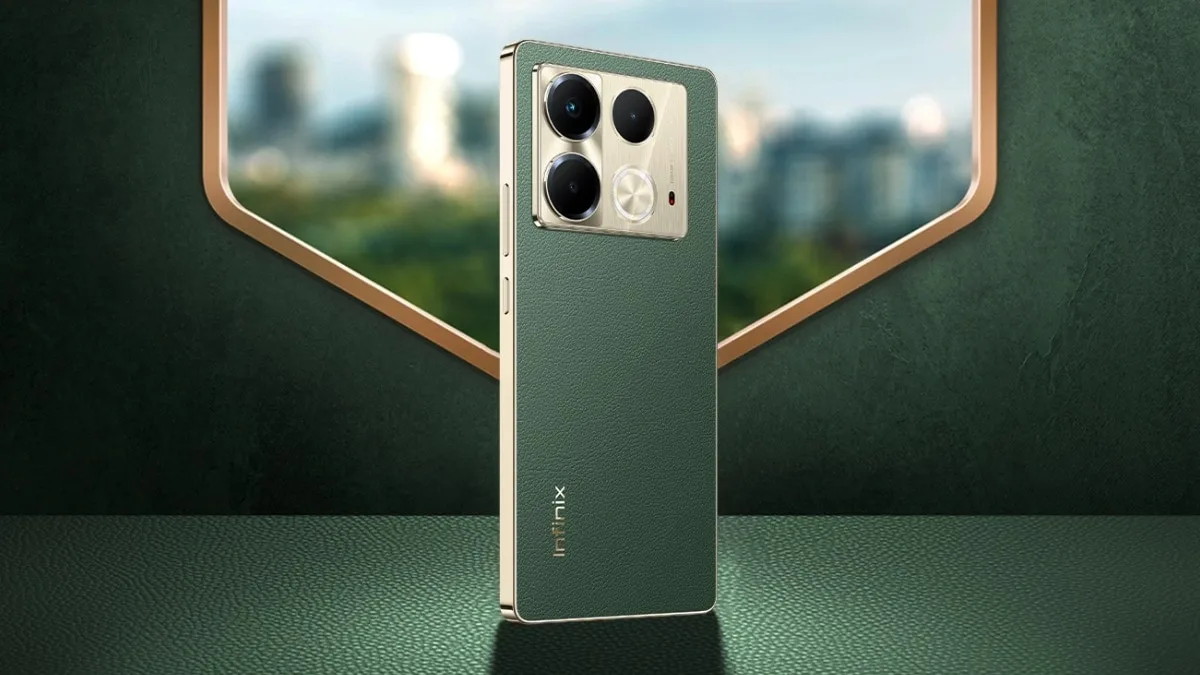
Infinix Note 50 series will be launched next month, according to the company. The upcoming smartphone lineup will succeed the Infinix Note 40 models that were unveiled nearly a year ago, and will first arrive in Indonesia. A teaser published by the company also gives s a look at the rear camera module of one of the handsets in the Infinix Note 50 series. Infinix has also revealed that the upcoming Note 50 series will offer support for artificial intelligence (AI) features.

Infinix Note 50 Launch Date, Design Revealed

The Infinix Note 50 series of smartphones will be launched in Indonesia on March 3, according to a post on the company’s Instagram account. The company previously teased the debut of the smartphone in another post on the platform. There’s no word from Infinix on how many models will be launched in the Note 50 series.

According to the company’s post, the upcoming Infinix Note 50 series will offer support for AI functionality. We can also see the rear camera module of one of the models in the Note 50 series. Other details about the smartphones are likely to be announced in the days leading up to their debut.

While Infinix has yet to announce details of its upcoming smartphones, a new model — the Infinix Note 50 Pro — was previously listed on Indonesia’s SDPPI website, with the model number X6855. The listing on the regulator’s website doesn’t reveal any of its specifications, but it appears to confirm at least one of the models in the upcoming series.

The Infinix Note 50 Pro is expected to arrive as the successor to the Note 40 Pro 5G model that arrived in in April 2024. That handset featured a 6nm MediaTek Dimensity 7020 chip and a 5,000mAh battery. It sports a 6.78-inch curved 3D AMOLED display with a 120Hz refresh rate. The Note 40 Pro is also equipped with a 108-megapixel primary camera and a 32-megapixel selfie camera.

For the latest tech news and reviews, follow Gadgets 360 on X, Facebook, WhatsApp, Threads and Google News. For the latest videos on gadgets and tech, subscribe to our YouTube channel. If you want to know everything about top influencers, follow our in-house Who’sThat360 on Instagram and YouTube.

Apple Vision Pro to Get Apple Intelligence Support, Spatial Gallery App With visionOS 2.4 in April

Related Stories

Posted on

I tested Sony’s Bravia Projector 8, and its class-leading motion handling and ultra-low input lag make it fantastic for gaming

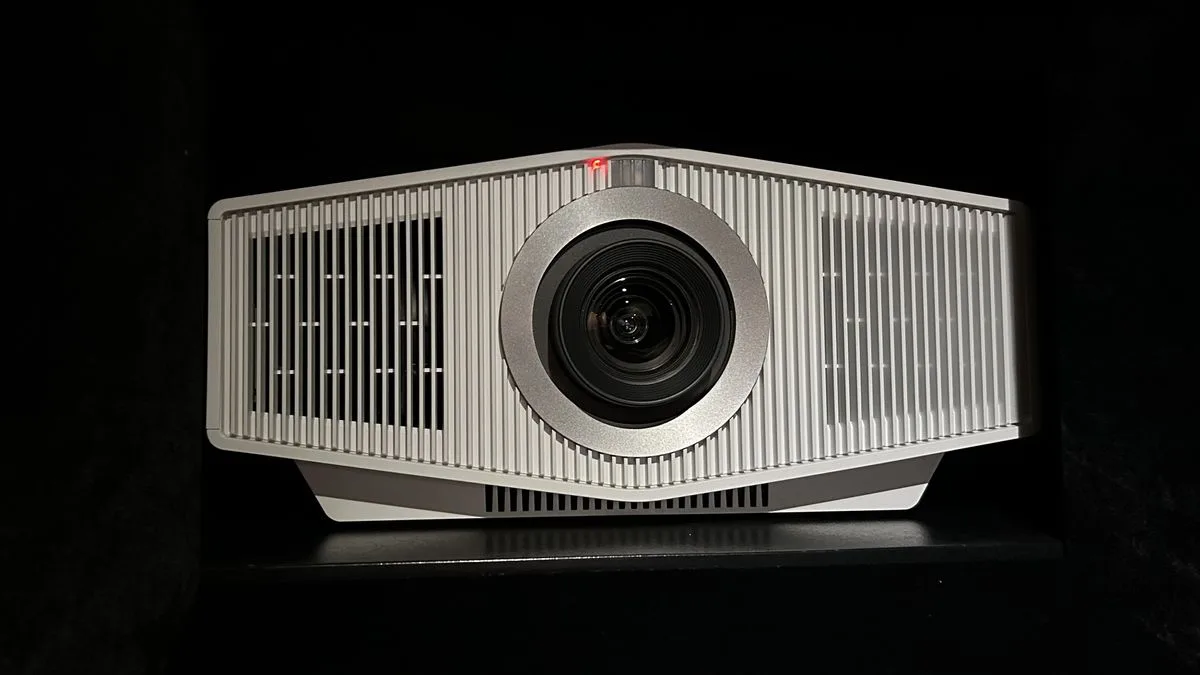
Sony Bravia Projector 8: two-minute review The Sony Bravia Projector 8 (VPL-XW6100ES) is the latest addition to the company’s lineup of native 4K projectors, all of which use the Z-Phosphor laser light source. This new beamer, along with the flagship Bravia Projector 9 (VPL-XW8100ES), adds several key features that bring the brand’s higher-end models in line with their chief competitors among the best 4K projectors, the JVC DLA-NZ800 and JVC DLA-NZ900. Brightness for the Sony Projector 8 has been increased to 2,700 lumens and both models now use Sony’s professional-grade XR Processor. One of the key benefits is genuine dynamic tone mapping for a superior HDR experience. The Projector 8 and 9 retain the same chassis and Advanced Crisp-Focus (ACF) lens, motorised lens controls and lens memories as the previous generation, but unlike the JVC projectors, they don’t support HDR10+ high dynamic range or 3D. The Projector 8’s design is the same as previous generations, but the compact chassis remains well-built. The menu system is easy to navigate, installation is flexible, and the backlit remote control makes this beamer a pleasure to operate. The connectivity has been upgraded and now includes two HDMI 2.1 inputs, which means the Projector 8 accepts signals with higher frame rates up to 4K 120p – great news for next-generation console and high-end PC rig gamers. The inclusion of 4K 120p isn’t the only good news for gamers, with the Projector 8 supporting ALLM. As a result, it automatically goes into the game mode when a console is detected, and the input lag is an incredibly low 10ms. All of this finally makes this beamer the ideal companion to the brand’s own PlayStation 5 game console, as well as other consoles and PC gaming rigs. It’s not perfect of course. There’s no HDR10+ or 3D support, the colour gamut could go wider, the black levels dig a little deeper, and shadows retain more detail, but overall this high-end beamer delivers the big screen goods. In fact, its smooth motion, superior processing, fast responses, and improved HDR are sure to please even the most demanding cinephile or competitive gamer. Sony Bravia Projector 8 review: price and release date First available: October 2024 Price: £15,999 / $15,999 / around AU$21,170 The Sony Bravia Projector 8 (VPL-XW6100ES) is the new mid-range model in the brand’s line-up of home cinema projectors and is available now in a choice of matte black or white finishes. The Projector 8 currently retails for £15,999 in the UK or $15,999 in the US. The Sony Projector 8 has a specified 2,700 lumens light output, and its laser light engine has a 20,000-hour lifespan (Image credit: Future) Sony Bravia Projector 8 review: Specs Swipe to scroll horizontally Screen sizes supported: Up to 150 inches Brightness (specified): 2,700 lumens HDR support: HDR10, HLG Optical technology: Z-Phosphor laser, SXRD Smart TV: NA Connections: 2 x HDMI 2.1 , 2x USB-A (powered), IR, RS-232C, Ethernet Dimensions (W x H x D): 460 x 210 x 517mm (18.1 x 8.2 x 20.3 inches Weight: 14kg/30.8 pounds The Projector 8 is available with either a white or black casing (Image credit: Future) Sony Bravia Projector 8 review: design Advanced Crisp-Focus (ACF) lens Motorised lens controls and memories Backlit remote control The Sony Projector 8 looks identical to the brand’s previous generations, with the same angled design and centrally-mounted lens. There are air intake grilles at the front, exhaust vents at the rear, and some basic controls on the left-hand side as you face the lens. The Projector 8 measures 460 x 210 x 517mm (WxHxD), and weighs in at 14kg. Sony offers a choice of matte black or matte white, and you can also choose between a stand or ceiling mount. The build quality is good, although it feels less substantial when compared to the JVC NZ800. The Projector 8 uses the Advanced Crisp-Focus (ACF) 70mm lens introduced on earlier models, which is designed to resolve more detail. The lens controls are also motorised, making setup easier, and there are lens memories to create different aspect ratios if you use a 2.35:1 screen. The connections are all located in a recess along the bottom left-hand side as you face the projector. Here you’ll find two HDMI 2.1 inputs, which is a welcome addition, along with an Ethernet port and RS-232C connector, a 12V trigger, an IR input jack, and a USB port for power. The provided remote is the same large and backlit zapper included with previous generations of Sony beamers. The buttons are laid out sensibly, it’s comfortable to hold and use with one hand, and includes all the controls you’ll need to set up and operate the Projector 8. Design score: 5/5 Ports include 2 HDMI 2.1 connections with 4K 120Hz support for gaming (Image credit: Future) Sony Bravia Projector 8 review: features Z-Phosphor laser light source Dynamic HDR Tone Mapping Support for 4K 120Hz high frame rate The Sony Projector 8 uses the brand’s current 0.61-inch SXRD chip to deliver native 4K (3840 x 2160) images. The projector has a refresh rate of 120Hz, and thanks to the addition of the two HDMI 2.1 inputs it can now support higher frame rates up to 4K 120p. The Projector 8 also uses a Z-Phosphor laser light source, with an increased claimed brightness of 2,700 lumens and a claimed lifespan of up to 20,000 hours. That basically means you could watch a film a day for the next ten years without worrying about the image dimming like a lamp or bulb. The inclusion of wide dynamic range optics and Sony’s XR Triluminos Pro technology promises deeper blacks, more saturated colours and improved contrast ratios. Sony’s professional-grade XR Processor also promises advanced image processing and real-time optimisation of the picture. Thanks to the addition of the XR Processor the Projector 8 has XR Clear Image processing for intelligent upscaling and noise reduction, along with improved HDR thanks to image cross-analysis, depth mapping and focal point recognition. There’s also XR Deep Black laser dimming and XR Dynamic Tone Mapping for optimised HDR10 based on analysis of the incoming signal. There’s Motionflow frame interpolation for fast-paced sports action and a low-latency mode for gaming. In addition to the support for 4K 120p high frame-rate gaming, the Projector 8 also has ALLM (auto low latency mode) that puts it into game mode when a games console is detected. Features score: 4 The Sony’s Reference picture mode proved very accurate out of the box (Image credit: Future) Sony Bravia Projector 8 review: picture quality Bright and detailed pictures Impressive HDR tone mapping Very low input lag for gaming The Sony Projector 8 (VPL-XW6100ES) delivers awesome big-screen pictures thanks to its native 4K (3840 x 2160) resolution and Advanced Crisp-Focused (ACF) 70mm lens. This results in detailed and distortion-free images, along with wider dynamic range optics. All of this means you’ll get pin-sharp resolution across the entire screen – no matter how big that screen is. If you have a really large screen, there’s no need to worry, because this beamer has a Z-Phosphor laser light source that can reach an extremely bright 2,700 lumens. It also has a claimed lifespan of 20,000 hours, so you’ll never have to worry about changing a lamp, plus the laser itself delivers a consistent colour performance and doesn’t dim significantly over its long average lifespan. The Reference picture mode proves very accurate out of the box, and the extensive calibration controls can be used to dial in a near-perfect picture. The black levels are not as good as the JVC NZ800, and I measured the Projector 8’s contrast ratio at 12,000:1. Sony only quotes a dynamic contrast ratio of infinity to one, but this is achieved by turning the laser off, which doesn’t represent mixed content. The big selling point of a Sony projector is its image processing, and the XR Processor doesn’t disappoint. When watching a high quality 1080p source, you’ll be rewarded with an upscaled picture that makes full use of the projector’s more than eight million pixels, producing images that are expertly rendered so they appear clean, detailed and free of unwanted artefacts or noise. Sony’s Reality Creation detail enhancement applies sharpening to any resolution, including 4K, but is so sophisticated that it achieves this without introducing distracting artefacts. Motion handling is class-leading, appearing fluid and free of judder or other issues, even without engaging Motionflow. Although for fast sports the frame interpolation feature can be beneficial. The Projector 8 supports HDR10 and HLG, but not HDR10+. The addition of dynamic tone mapping is most welcome, performing frame-by-frame analysis of incoming HDR signals, and adjusting the tone mapping dynamically through pixel processing and the laser power. The results are impressive for a projector, bringing out details in the darkest and brightest parts of the picture. While I was generally impressed by the picture quality, I do feel that to get the most out of this beamer you need to use all the processing. The Reference mode, which bypasses a lot of the processing, often appeared flat and lifeless, but when switched to Film 1 or Film 2 it was a different story. The images burst into life with detail, depth and colour that really add to SDR and HDR. Watching Passengers reveals a detailed native 4K image with well rendered HDR and rich colours that retain plenty of depth. The same is true with the saturated primaries in The Greatest Showman, which the Projector 8 handles with skill. It’s only when watching a darker film like The Batman that the weaker blacks of the Projector 8 are laid bare, but at least the shadows are free of crush and the peak highlights don’t suffer from loss of detail or clipping. The Projector 8 is a great choice for gamers thanks to its bright and detailed images, as well as its peerless motion handling. The performance with SDR is superb, while HDR gaming is exceptional due to the laser light source and HDR enhancements. The overall gaming experience is smooth and responsive thanks to a dedicated game mode that delivers an input lag of 18ms with 4K 60p, and just 10ms with 4K 120p. Both these latency measurements are lightning-fast for a projector, and better than many TVs. Picture quality score: 4.5/5 The Sony’s fully backlit remote control makes it easy to adjust settings in a dark room and has all of the adjustments you’ll need (Image credit: Future) Sony Bravia Projector 8 review: value Priced to directly compete with superior JVC NZ800 Expensive when compared to very similar JVC NZ700 The Sony Bravia Projector 8 (VPL-XW6100ES) is priced to compete directly with the JVC DLA-NZ800, which also costs £15,999/$15,999. However, the NZ800 does have the edge due to its all-glass lens, deeper blacks, superior dynamic tone mapping, and support for both HDR10+ and 3D. The Projector will also face serious competition from JVC’s DLA-NZ700, which currently retails for £9,499/$8,999. The NZ700 isn’t as bright at 2,300 lumens, but it delivers better contrast and HDR tone mapping, and it supports HDR10+. However, the Sony still has the edge with gaming thanks to its lower input lag and support for 4K 120p compared to the JVC, which is limited to 4K 60p. Value score: 4/5 The Projector 8’s surface controls (Image credit: Future) Swipe to scroll horizontally Sony Bravia Projector 8 Header Cell – Column 0 Notes Rating Features Long-life laser light source, dynamic HDR tone mapping, advanced frame interpolation, and superior image processing 4/5 Design Compact chassis, backlit remote, excellent build quality, easy setup and motorised lens controls with memories 5/5 Picture quality Good out-of-the-box accuracy and super-bright pictures produce enjoyable HDR, although the black levels aren’t great 4.5/5 Value Faces stiff competition from JVC NZ700, which has better HDR support and 3D, but lower brightness 4/5 Should I buy the Sony Bravia Projector 8? (Image credit: Future) Buy it if… Don’t buy it if…  Also consider… Swipe to scroll horizontally Comparison: 4K UST projectors Header Cell – Column 0 Sony Projector 8 Epson QB1000 Epson LS1200 JVC DLA-NZ800 Price: £15,999 / $15,999 £4,799 / $7,999 £4,399 / $4,999 £15,999 / $15,999 Screen sizes supported: up to 150 inches 50 to 300 inches 50 to 130 inches 30-150 inches Brightness (specified): 2,700 lumens 3,300 lumens 2,700 lumens 2,700 lumens HDR support HDR10, HLG HDR10+, HDR10, HLG HDR10+, HDR10, HLG HDR10+, HDR10, HLG Optical technology: Z-Phosphor laser, SXRD Laser 3LCD Laser 3LCD Laser D-ILA Smart TV: N/A N/A N/A N/A Connections: 2 x HDMI 2.1 , 2x USB-A (powered), IR, RS-232C, Ethernet 2 x HDMI 2.1 (1 with eARC), 2xUSB-A (powered), RS-232C, Ethernet 2xHDMI 2.1 (1 with eARC), 1 x powered USB, Ethernet, RS232-C, 12-volt trigger output 2x HDMI 2.1 (Image credit: Future) How I tested the Sony Bravia Projector 8 Measured with Calman calibration software Evaluated using SDR and HDR content Reviewed in a dedicated home cinema As with all my TV and projector reviews I use a combination of subjective viewing and objective measurements against the industry standards. For projectors, I also do all my testing in a dedicated home cinema with a completely blacked-out environment and high-quality screen. The subjective testing is based around watching a variety of familiar scenes, primarily sourced from 4K and 1080p Blu-rays, plus the Spears & Munsil UHD Benchmark 4K disc. Any test scenes have been specifically chosen to evaluate a display’s black levels, contrast performance, colour accuracy, upscaling, image processing, motion handling, and HDR tone mapping. For the objective testing, I measured the Projector 8’s brightness, greyscale and colour gamut in SDR, before doing the same in HDR. I also evaluated the accuracy of the HDR tone mapping, along with the colour gamut coverage for DCI-P3. To do this I used a pattern generator and colour meter combined with Portrait Display’s Calman calibration software. I measured the Projector 8’s input lag in milliseconds using a specialised Leo Bodnar tester. First reviewed: February, 2025

Posted on

ISRO Unveils World’s Largest 10-Tonne Vertical Mixer for Solid Propellants

A significant advancement in India’s space technology has been achieved with the development of a 10-tonne vertical planetary mixer, the largest globally for solid propellant production. Designed and manufactured through a collaboration between the Indian Space Research Organisation (ISRO) and the Central Manufacturing Technology Institute (CMTI), this new equipment is expected to enhance efficiency and safety in the manufacturing of solid rocket motors. The handover ceremony took place on February 13 at CMTI, Bengaluru, where Satish Dhawan Space Centre (SDSC) Director A. Rajarajan received the mixer in the presence of ISRO Chairman S. Somanath and CMTI Director K. Prasad.

Enhancing Solid Propellant Production

As reported by ISRO, according to ISRO, the new vertical planetary mixer is a critical addition to India’s space propulsion systems. Solid propellants, which serve as the backbone of rocket motors, require precise and controlled mixing due to the sensitivity of the materials involved. The newly developed mixer, weighing approximately 150 tonnes with dimensions of 5.4 metres in length, 3.3 metres in breadth, and 8.7 metres in height, will improve the consistency, quality, and scalability of solid propellant production.

Towards Self-Reliance in Space Technology

As part of India’s push for self-reliance in critical technologies, the Department of Space has undertaken multiple initiatives to develop indigenous manufacturing capabilities. The realisation of this mixer underscores India’s increasing capability in aerospace engineering and manufacturing. The equipment has undergone successful factory-level acceptance tests and is set to play a key role in advancing the country’s space transportation systems.

Future Implications for ISRO’s Missions

With an emphasis on improving safety and productivity, the newly developed mixer is expected to streamline the process of solid propellant preparation for future ISRO missions. The technology is set to support upcoming launch vehicle developments, reinforcing India’s position in the global space industry.

Posted on

New Farm Fertilizer Could Remove CO2 from Air, Improve Soil Quality

A potential method to reduce carbon dioxide (CO2) levels in the atmosphere has been identified, involving a material that could be used in agriculture. This approach utilises specific minerals to accelerate the natural process of carbon mineralisation, a method that could significantly impact carbon removal efforts. Research suggests that by modifying certain minerals, CO2 can be absorbed and locked into stable compounds much faster than traditional methods, potentially sequestering billions of tons annually. Scientists believe this innovation could complement existing climate mitigation strategies while benefiting agricultural practices.

Study Identifies Faster Carbon Capture Process

According to a study published in Nature, researchers have found that calcium silicates react with CO2 more efficiently than the traditionally used magnesium silicates. This reaction speed makes them a promising option for large-scale CO2 removal. The study, led by Stanford University chemist Matthew Kanan and postdoctoral researcher Yuxuan Chen, suggests that integrating these materials into agricultural soils could provide a dual benefit—enhancing soil quality while removing atmospheric CO2.

Mineral Conversion Could Enhance Efficiency

A method was developed to produce calcium silicates by heating a mixture of calcium oxide (CaO) and magnesium silicates at high temperatures. This process, which facilitates a mineral exchange, resulted in a material that binds CO2 thousands of times faster than natural weathering. Speaking to Science, Kanan noted that while magnesium silicates are abundant, calcium silicates are less available and require processing. The study outlines a technique to produce CaO from limestone, though capturing emissions from this process remains a challenge.

Practical Implications for Agriculture

Farmers currently use calcium carbonate to reduce soil acidity, applying about a billion tons annually. Replacing it with calcium silicate and magnesium oxide could serve the same purpose while also capturing CO2. Field trials have been initiated in Louisiana and New Jersey to assess potential impacts on soil health. According to reports, concerns regarding impurities in the minerals, such as trace metals, are being examined before large-scale implementation.

For the latest tech news and reviews, follow Gadgets 360 on X, Facebook, WhatsApp, Threads and Google News. For the latest videos on gadgets and tech, subscribe to our YouTube channel. If you want to know everything about top influencers, follow our in-house Who’sThat360 on Instagram and YouTube.

Tecno Camon 40 Series Set to Debut at MWC 2025; Will Feature Upgraded Universal Tone

Pixar’s Win or Lose Now Streaming on JioHotstar: Everything You Need to Know

Posted on

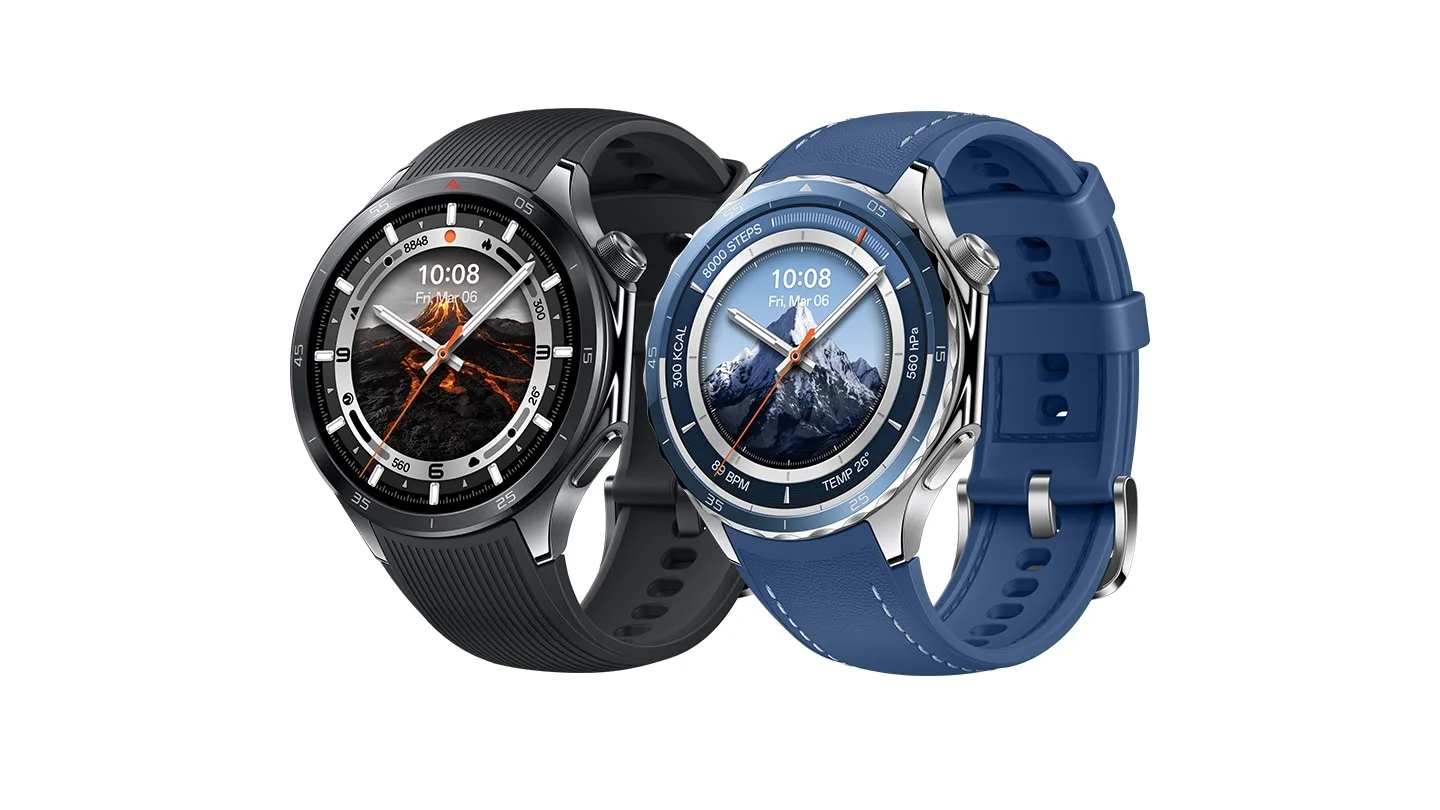
Oppo Watch X2 With Snapdragon W5 Gen 1 Chipset, 1.5-Inch AMOLED Display Launched

Oppo Watch X2 was launched in China and global markets on Thursday alongside the Oppo Find N5 smartphone. The new Oppo smartwatch has a 1.5-inch LTPO AMOLED display and is claimed to deliver up to 16 days of battery life in power save mode. The Oppo Watch X2 runs on a Snapdragon W5 chipset alongside 32GB storage. It ships with WearOS 5 and has an IP68-rated build. The Oppo Watch X2 supports more than 100 sports modes. It has an optical heart rate sensor and is said to be capable of measuring blood oxygen saturation (SpO2) levels.

Oppo Watch X2 Prie

The Oppo Watch X2 is available with an initial price tag of SGD 499 (roughly Rs. 30,000) in Singapore. It is listed for pre-orders in the country in Lava Black and Summit Blue colour options.

Oppo Watch X2 Specifications

The Oppo Watch X2 runs on Wear OS 5.0 and includes a proprietary Real-Time Operating System (RTOS). It features a 1.5-inch (460×460 pixels) LTPO AMOLED screen with a peak brightness of 2,200 nits and 310ppi pixel density. It boasts a 2D Sapphire crystal cover with titanium alloy bezels. The wearable is powered by a Snapdragon W5 Gen 1 chipset alongside BES2800BP MCU. It carries 32GB of RAM.

Like the previous models, Oppo’s new Watch X2 has an optical heart rate sensor, blood oxygen (SpO2) tracker, as well as daily activity reminders. It offers a 60S health check-in feature to provide instant wellness assessment of key metrics like heart rate, blood oxygen, and wrist temperature in just 60 seconds. This data can be accessed on OHealth app on the paired phone. Additionally, there are features to monitor sleep quality and snoring.

Oppo Watch X2 features an EKG electrode for monitoring arterial stiffness and ECG readings. The wearable is claimed to identify issues such as sleep apnea and irregular breathing. It includes features like heart rate variability (HRV) to offer insights into stress levels. Further, it is equipped with a wrist temperature sensor. It has MIL-STD-810H durability and an IP68-rated build. 

For fitness enthusiasts, the Watch X2 supports more than 100 sports modes. It has dual-frequency GPS (L1 and L5 bands) for location tracking. The device allows wearers to control paired smartphone cameras remotely. Users can also control video playback through the smartwatch. Further, it allows users to respond to texts and emails, and control music directly from the wrist. It comes with access to Google Maps, and Google Wallet, and has support for Google Fast Pair.

The Oppo Watch X2 houses a 648mAh battery and it is claimed to deliver up to 120 hours of battery life for standard use in smart mode. It is advertised to provide up to 16 days of battery life in power saver mode.