
Posted on

Amazon Prime Plans 2025: Membership Price in India, Subscription Benefits, More

Amazon Prime continues to be a one-stop solution for digital entertainment and online shopping in India. The service offers a variety of membership plans tailored to meet diverse user needs. These plans come with a plethora of benefits, including access to exclusive content, faster deliveries, and special deals. Additionally, several telecom operators provide prepaid plans bundled with Amazon Prime benefits, enhancing the value proposition for subscribers. So, if you are looking for in-depth information about Amazon Prime membership plans, then you have to the right place. In this article, we will talk in detail about Prime membership, its price in India, benefits, and more.

Amazon Prime Membership Plans 2025

Amazon Prime offers multiple subscription tiers in India, each designed to cater to different user preferences and budgets.

Rs 299 Monthly Subscription Plan

The Rs 299 monthly subscription combines entertainment, convenience, and savings. Enjoy ad-free streaming, fast delivery and exclusive discounts. Get free shipping, access to premium content, free games and eBooks—all in one affordable plan. It is perfect for frequent shoppers and entertainment lovers, offering exceptional value with multiple premium services.

Rs 599 Quarterly Subscription Plan

The Rs 599 quarterly subscription plan offers all the benefits of the monthly plan while saving you Rs 298 over three months when compared to the monthly subscription. The plan is Ideal for those looking for uninterrupted entertainment and shopping perks and don’t want to pay monthly subscription fee.

Rs 1,499 Yearly Subscription Plan

The Rs 1,499 yearly subscription plan offers the best value, saving you Rs 2,089 compared to the monthly plan. Perfect for long-term users, it ensures uninterrupted access to premium entertainment, fast and free delivery, exclusive discounts, free games and eBooks. This cost-effective option maximises savings while providing year-round benefits.

Rs 999 Prime Lite Yearly Subscription Plan

The Rs 999 Prime Lite yearly subscription offers a budget-friendly alternative, saving Rs 500 compared to the standard yearly plan. With this plan, customers can access to Prime Video (with limited ads), ad-free music, and free standard delivery. It provides Prime Video, Prime Music and free delivery at a lower cost, making it ideal for value-conscious users.

  • Prime Video: Streaming access with limited advertisements, available in HD.
  • Prime Music: Ad-free music and podcast access.
  • Free Delivery: Standard shipping on eligible products.

Amazon Prime Subscription Benefits

Subscribing to Amazon Prime unlocks a host of advantages that enhance both shopping and entertainment experiences:

  • Saves Money: Free shipping, exclusive discounts, and bundled services help reduce overall spending.
  • Time-Efficient Shopping: Faster deliveries mean no waiting for essentials or last-minute purchases.
  • Uninterrupted Entertainment: No need to spend on movie tickets or rentals with unlimited streaming.
  • Enhanced Music Experience: Ad-free music ensures an uninterrupted and enjoyable listening experience.
  • Access to More Content: Prime Reading and Prime Gaming offer free books and games, expanding entertainment options.
  • Better Deals: Early access to discounts helps secure the best prices before they sell out.
  • Convenience for Families: Special savings on essentials make managing household expenses easier.

It’s important to note that starting January 2025, Prime Video will introduce limited advertisements. An ad-free viewing option will be available for an additional fee, with pricing details to be announced.

Best Prepaid Plans with Amazon Prime Benefits

Several telecom operators in India offer prepaid plans that include Amazon Prime subscriptions, providing added value to their customers.

Airtel Prepaid Plans with Amazon Prime Benefits:

Rs 838 Plan:

  • Data: 3 GB per day
  • Validity: 56 days
  • Calls: Unlimited local and STD
  • SMS: 100 SMS per day
  • Amazon Prime Membership: 56 days
  • Additional Benefits: Access to 22+ OTT platforms via Airtel Xstream Play, Apollo 24/7, and FASTag.

Rs 1,199 Plan:

  • Data: 2.5 GB per day
  • Validity: 84 days
  • Calls: Unlimited local and STD
  • SMS: 100 SMS per day
  • Amazon Prime Membership: 84 days
  • Additional Benefits: Access to 22+ OTT platforms via Airtel Xstream Play, Apollo 24/7, and RewardsMini Subscription.

Jio Prepaid Plan with Amazon Prime Benefits:

Rs 1,029 Plan:

  • Data: 2 GB per day
  • Validity: 84 days
  • Calls: Unlimited
  • SMS: 100 SMS per day
  • Amazon Prime Lite Subscription: 84 days
  • Additional Benefits: Access to JioTV, JioCinema, and JioCloud services.

Vi Prepaid Plans with Amazon Prime Benefits:

Rs 996 Plan:

  • Data: 2 GB per day
  • Validity: 84 days
  • Calls: Unlimited
  • SMS: 100 SMS per day
  • Amazon Prime Lite Subscription: 84 days
  • Additional Benefits: Binge All Night, Weekend Data Rollover, and Data Delights.

Rs 3,799 Plan:

  • Data: 2 GB per day
  • Validity: 365 days
  • Calls: Unlimited
  • SMS: 100 SMS per day
  • Amazon Prime Mobile Edition Subscription: 365 days
  • Additional Benefits: Binge All Night, Weekend Data Rollover, and Data Delights.

These plans cater to various user preferences, combining essential telecom services with the added advantage of Amazon Prime memberships.

Posted on

How to Activate New Airtel 5G SIM: A Step-by-Step Guide

Airtel has rolled out its 5G services in various regions, offering high-speed connectivity and improved network performance. If you have recently purchased a new Airtel 5G SIM or upgraded from a 4G SIM, activation is required before you can start using the network. The activation process is straightforward and can be done via SMS, online portals or by visiting an Airtel store. Whether you are setting up a physical SIM, an eSIM or reactivating a deactivated SIM, this guide provides detailed steps to ensure a smooth activation process.

How to Activate Your New Airtel SIM Card

If you have purchased a new Airtel 5G SIM, follow these steps to activate it:

  1. Power off your phone and insert the new Airtel 5G SIM into the designated slot.
  2. Switch on your device and wait for the network signal to appear.
  3. Call 59059 from your Airtel number to complete the activation process. Follow the IVR instructions to verify your identity.
  4. Your SIM should be activated within a few hours. Restart your phone if necessary.
  5. Once activated, ensure that the Airtel network is available and that mobile data is functioning correctly.

If your SIM does not activate within 24 hours, contact Airtel customer support or visit a nearby Airtel store for assistance.

How to Activate Airtel eSIM

Airtel also supports eSIM activation, allowing users to activate a virtual SIM without requiring a physical card. The activation process varies slightly depending on the device.

For Android

  1. Check if your Android device supports eSIM by going to Settings > About Phone > SIM Status.
  2. Send an SMS with the text “eSIM” to 121.
  3. You will receive a confirmation SMS. Reply with “1” to proceed.
  4. Airtel will send a QR code to your registered email.
  5. Go to Settings > Mobile Network > Add Data Plan and scan the QR code to complete the activation.
  6. Restart your device to ensure the eSIM is activated successfully.

For iPhone

  1. Ensure Your iPhone Supports eSIM. Compatible iPhones include iPhone XR, XS, 11 series and newer models.
  2. Text “eSIM” to 121.
  3. Reply with “1” after receiving the confirmation message.
  4. Check your email for the eSIM QR code.
  5. Open Settings > Mobile Data > Add Data Plan and scan the QR code.
  6. Once the eSIM is installed, restart your phone to complete activation.

If the eSIM does not activate, contact Airtel customer service for assistance.

How to Activate a Previously Deactivated Airtel SIM?

If your Airtel SIM has been deactivated due to prolonged inactivity, follow these steps to reactivate it:

  1. Check the Deactivation Period. If your SIM has been inactive for more than 90 days, it might be permanently deactivated.
  2. Carry a valid government ID and visit the nearest Airtel store to request reactivation.
  3. Provide identity proof and address proof for verification.
  4. The SIM reactivation process may take 24 to 48 hours.
  5. Once reactivated, restart your phone and check if the network is available.

If your number has been permanently deactivated, you may need to purchase a new SIM and request the same number if available.

FAQs

What is the Airtel SIM activation number?

To activate a new Airtel SIM, dial 59059 from your new SIM and follow the IVR instructions for verification.

How do you check if an Airtel SIM is activated?

To check if your Airtel SIM is active, insert it into your phone and restart the device. If the network bars appear, the SIM is active. Alternatively, dial 121 to check the activation status.

How to keep an Airtel SIM active?

To prevent deactivation due to inactivity, use your Airtel SIM at least once every 90 days. Make a call, send an SMS or use mobile data to keep the number active. By following these steps, you can ensure uninterrupted connectivity with Airtel’s 5G network.

For the latest tech news and reviews, follow Gadgets 360 on X, Facebook, WhatsApp, Threads and Google News. For the latest videos on gadgets and tech, subscribe to our YouTube channel. If you want to know everything about top influencers, follow our in-house Who’sThat360 on Instagram and YouTube.

How to Activate Vodafone Idea (Vi) SIM Card: A Step-by-Step Guide

Income Tax Bill 2025 Clarifies Virtual Digital Asset Definition, Includes NFTs: Key Details

Posted on

I think new world of wireless home theater is coming that could explode its popularity, if anyone can put all the pieces together

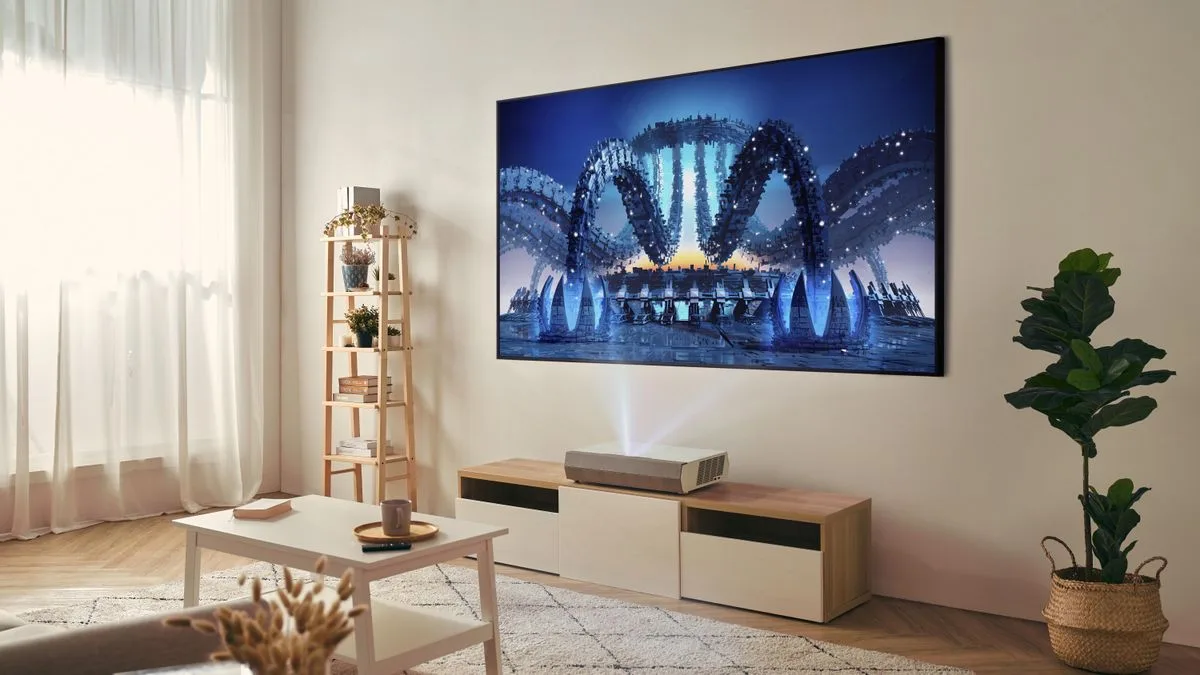
We’re on the cusp of a few interesting breakthroughs in home theater that could make it much more tempting for people to get on board with more serious setups. I’m talking about the huge screens and separate speakers that hardcore home theater fans champion over even the best TVs and best soundbars – but without the inconveniences that stop people from going for these options currently. In five years, I think the potential for more people to have a serious home theater setup without needing a dedicated room will look very different from now, based on new releases, demos I’ve seen at trade shows, or what I’ve been shown by companies. There’s some great emerging tech that will make the difference – but at the moment, it’s all very disparate, full of proprietary tech from companies that don’t tend to work together. Bringing it all together will be a big ask… but if it happens, it’s going to be glorious for those who want the home theater experience without the hassle. Here are the changes coming that could turn the tide. 1. Wireless and flexible sound (Image credit: Future) One of the biggest changes will be the explosion of wireless sound options. Right now, we’re seeing the infancy of this: Samsung and LG TVs offer wireless connectivity with their soundbars; Sony’s Bravia Theater Quad system offers easy real surround sound from a wireless HDMI adapter; Dolby Atmos FlexConnect and the new version of DTS Play-Fi promise wireless sound beamed to any compatible speaker system; and Sonos is set to launch a streaming box that will enable you to use Sonos speakers as wireless separates in surround system. Dolby Atmos FlexConnect is an especially interesting one because the idea of this system is that it doesn’t require you to have speakers in traditional home theater positions, or even in matching pairs – the system will map your room and adjust the sound to give the best experience based on what’s available to you in reality, not in an ideal world of speaker placement. Perhaps Sonos could do the same for its system using its Trueplay room-tuning tech. Any home theater fan knows that sound is the biggest upgrade when you switch to dedicated gear, but the idea of working out an AV receiver and cabling system means it’s always going to remain of interest to only the most dedicated. Going wireless and convenient could unlock a whole new world of home theater fans, and the tech is more than capable of handling uncompressed DTS-HD and Dolby TrueHD. However, you might have noticed the thing that could hold it back from taking off, implied in what I’ve written above… lock-in. Right now, all the big wireless sound options are company-specific. Samsung works with Samsung, and LG with LG. Sonos will need an expensive Sonos streamer to work. Even Sony’s option that’s theoretically more neutral, thanks to its HDMI adapter, works better with Sony TVs, which it treats as the center channel. Dolby Atmos FlexConnect is a TCL-exclusive option for the foreseeable future (and hasn’t launched yet). Play-Fi won’t be locked in, but interest in it from companies seems minimal to date. Sign up for breaking news, reviews, opinion, top tech deals, and more. 2. Smaller ultra short throw projectors (Image credit: Future) The best ultra short throw projectors will be key to home theater taking off in mixed-use rooms because people can get images up to 150 inches without the expense (and delivery logistics…) of a TV that size, or the need to find a home and uninterrupted beaming corridor for a traditional long or short-throw projector. UST projectors just sit right near the wall, projecting the image upwards perfectly. But even UST projectors are still hefty and require a larger surface than people want to devote in their living room. Thankfully, a new wave of tiny UST projectors is arriving that could make all the difference as they develop. The most real-world option right now is an absolutely tiny new UST projector from Optoma that takes up barely any room but can project images up to 100 inches in 1080p HD. Meanwhile, a small 4K JMGO option can hit the same size and promises up to 2,500 ANSO lumens of brightness, which is impressive. Hisense has shown a prototype of a small UST projector with next-gen laser tech that’s the same level of quality and brightness as the fantastic Hisense PX3-Pro projector (meaning brightness of up to 3,500 ANSI lumens) but is a fraction of the size. It’s a real working unit now, though it’s not planned for release this year – but in the next few years, if today’s best picture quality can be shown at 120-150 inches and sticks just a handful of inches out from the wall, projection becomes a lot more tempting. 3. Wireless connection boxes (Image credit: Future) Okay, your tiny projector sits tidily on the edge of your room beaming big images, and it connects wirelessly to your speakers, keeping everything neat and tidy. You don’t then want your games console/set-up box/Blu-ray player all running ugly cables to it, do you? A TV is good at hiding these things behind it, a tiny projector will not be. 2025 is the year that wireless connection boxes for TVs have really landed. LG has had this tech for a couple of years in its M-series of OLED TVs, but this year there will be several models that can receive full-quality 4K HDR 144Hz images from an external box wirelessly. They include the LG M5 OLED TV, LG’s new high-end QNED mini-LED TV, Samsung’s Frame Pro art TV, Samsung’s QN990F 8K TV, and Samsung’s 8K The Premiere projector. The convenience is that you can shut all the boxes you want to connect to your TV or projector away in a cupboard separate from your screen, giving you way more flexibility over the design and layout of your room. Obviously, the tech is still cutting-edge right now, so is only in the most expensive models. Over time, hopefully, this will change – perhaps every projector or TV will have the option of using a separately purchased wireless box instead of the built-in connections, so you only need to pay for it if you want it. 4. Better projector screens (Image credit: Future) Realistically, my hope of having smaller projectors means we can’t expect them to be any brighter than today’s, and if you have a bright room, this may be a problem – so projector screens with ambient light rejection will be essential. I discussed the advantages of ALR projector screens in this article, so I won’t go into all the details here, but here’s the short version: an ALR screen reflects light from the projector’s particular angle toward your eyes, and avoids reflecting light from other angles towards you, meaning that the image you see is brighter, colors are richer, and black tones look deeper. Hisense says that its newest generation of screen can raise the real-world brightness of the PX3-Pro’s projector to 700 nits, putting it in line with mid-range TVs… but obviously, at a much larger size than mid-range TVs. ALR screens are, however, really quite expensive at the moment. If more companies can do what Hisense does, and bundle them with projectors for a great overall price, then that will be a key part of making sure projectors can fully serve as TV replacements. It’s all got to come together, though… As I mentioned at the top, this might all come to nothing if we can’t get the ecosystem right. But these days, tech companies are leaning so hard into ecosystems being a way to sell a second product of their own, rather than to launch something new and expansive, that it’s far from certain that the big companies will support the interoperability needed bring this all together. It’s not impossible (if I were Sonos, trying to regain good word-of-mouth after my app debacle, maybe I’d try working with other companies to offer something new; if I were Hisense, maybe I’d try being open to working with others as a way to get one over on Samsung and LG), but we’re going to need this to develop just as quickly as the tech itself to achieve the easy home theater dream. You might also like…

Posted on

Ajith Kumar’s Vidaamuyarchi OTT Release Date: When and Where to Watch it Online?

Ajith Kumar’s action thriller Vidaamuyarchi, directed by Magizh Thirumeni, is set to release on Netflix on March 3. The film, which was released in cinemas on February 6, garnered mixed reactions from audiences and critics alike. While the anticipation was high, the film’s performance at the box office did not align with expectations. It has, however, continued to spark conversations about balancing commercial elements with artistic choices. Vidaamuyarchi was produced by Lyca Productions and features music composed by Anirudh Ravichander, cinematography by OM Prakash, and editing by NB Srikanth.

When and Where to Watch Vidaamuyarchi

The film will be available for streaming on Netflix from March 3. Subscribers will be able to watch it in multiple languages, including Tamil, Telugu, Malayalam, Kannada, and Hindi. The announcement was made by Netflix through a social media post, which included the phrase, “Muyarchi thiruvinai aakum. Vidaamuyarchi ulagai vellum” (Hard work leads to results… perseverance can win the world).

Official Trailer and Plot of Vidaamuyarchi

The trailer of Vidaamuyarchi hinted at an intense, action-packed narrative. The film follows Ajith Kumar’s character as he navigates a high-stakes mission, with a mix of suspense and action woven throughout the plot. While the storyline remained under wraps before the theatrical release, the film was promoted as a gripping thriller with elements of personal struggle and redemption. Magizh Thirumeni, known for his distinctive storytelling, brought his signature touch to the film’s screenplay.

Cast and Crew of Vidaamuyarchi

Ajith Kumar takes the lead in Vidaamuyarchi, marking his first collaboration with director Magizh Thirumeni. The film’s ensemble cast includes actors who play key roles in shaping the narrative. The music for the film is composed by Anirudh Ravichander, with cinematography handled by OM Prakash and editing by NB Srikanth. Lyca Productions backed the project, adding to its high production value.

Reception of Vidaamuyarchi

The film received a mixed response upon its theatrical release. According to trade reports, Vidaamuyarchi collected around Rs 80 crores in domestic nett revenue and surpassed Rs 100 crores in global earnings. It has an IMDb rating of 7.5 / 10.

For the latest tech news and reviews, follow Gadgets 360 on X, Facebook, WhatsApp, Threads and Google News. For the latest videos on gadgets and tech, subscribe to our YouTube channel. If you want to know everything about top influencers, follow our in-house Who’sThat360 on Instagram and YouTube.

ED Uncovers Rs. 600 Crore Crypto Fraud, Seizes Rs. 2.18 Crore in Search Operations

Samsung Galaxy M16 and Galaxy M06 5G India Launch Date Set for February 27

Posted on

Asus ROG Flow Z13 (2025) With 13.4-Inch 2.5K Display, Up to Ryzen AI Max+ 395 CPU Launched

Asus ROG Flow Z13 (2025) was launched in global markets on Tuesday, and the 2-in-1 convertible gaming tablet is now available to purchase in China and the UAE, a month after it was unveiled at CES 2025. It is powered by up to AMD Ryzen AI Max 395 CPUs, paired with up to 128GB of RAM. Asus has also equipped the gaming tablet with a 2.5K LCD screen with a 180Hz refresh rate, and a 70Wh battery that is claimed to offer over 10 hours of battery life on a single charge.

Asus ROG Flow Z13 (2025) Price, Availability

Asus ROG Flow Z13 (2025) is priced at AED 8,999 (roughly Rs. 2,13,600) for the GZ302EA-XS96 model with a Ryzen AI Max+ 395 CPU and 32GB of RAM. The company has yet to announce pricing for other variants in the region.

In the US and China, the ROG Flow Z13 (2025) is available at $2,099 (roughly Rs. 1,83,000) and CNY 14,999 (roughly Rs. 1,80,400) for the base model with a Ryzen AI Max 390 CPU and 32GB of RAM. Two other Ryzen AI Max+ 395 variants with 32GB and 128GB of RAM are listed at $2,299/ CNY 15,999 (roughly Rs. 2,00,400/ Rs. 1,92,500) and $2,799/ CNY 17,999 (roughly Rs. 2,44,000/ Rs. 2,16,500), respectively.

Asus ROG Flow Z13 (2025) Specifications

The Asus ROG Flow Z13 (2025) sports a 13.4-inch 2.5K (2,560×1,600 pixels) IPS LCE screen with a 180Hz refresh rate, Dolby Vision HDR, and 100 percent coverage of the DCI:P3 colour gamut. The screen is protected by Corning Gorilla Glass 5 and it is claimed to deliver 500nits peak brightness.

It is powered by up to 16-core AMD Ryzen AI Max+ 395 CPUs with built-in Radeon 8060S graphics and an AMD XDNA NPU with up to 50 TOPS. There’s a new vapour chamber that’s built using copper and stainless steel, along with dual second-generation Arc Flow Fans for improved cooling. Asus has equipped the ROG Flow Z13 (2025) with up to 128GB of LPDDR5x RAM.

You get 1TB of NVMe M.2 SSD storage on the ROG Flow Z13 (2025). There’s a 13-megapixel rear camera and a 5-megapixel IR camera on the front. Connectivity options on the gaming tablet include Wi-Fi 7, Bluetooth 5.4, a USB  3.2 Gen 2 Type-C port, two USB 4 Type-C ports, an HDMI 2.1 port, a 3.5mm combo audio jack (Hi-Res certified), and a MicroSD card reader.

The company has equipped the Asus ROG Flow Z13 (2025) with two 2W speakers with Dolby Atmos. There’s a 4-cell 70Wh battery on the gaming tablet, and it can be charged using a 200W charger. It measures 300x204x14.9mm and weighs 1.2kg.

Posted on

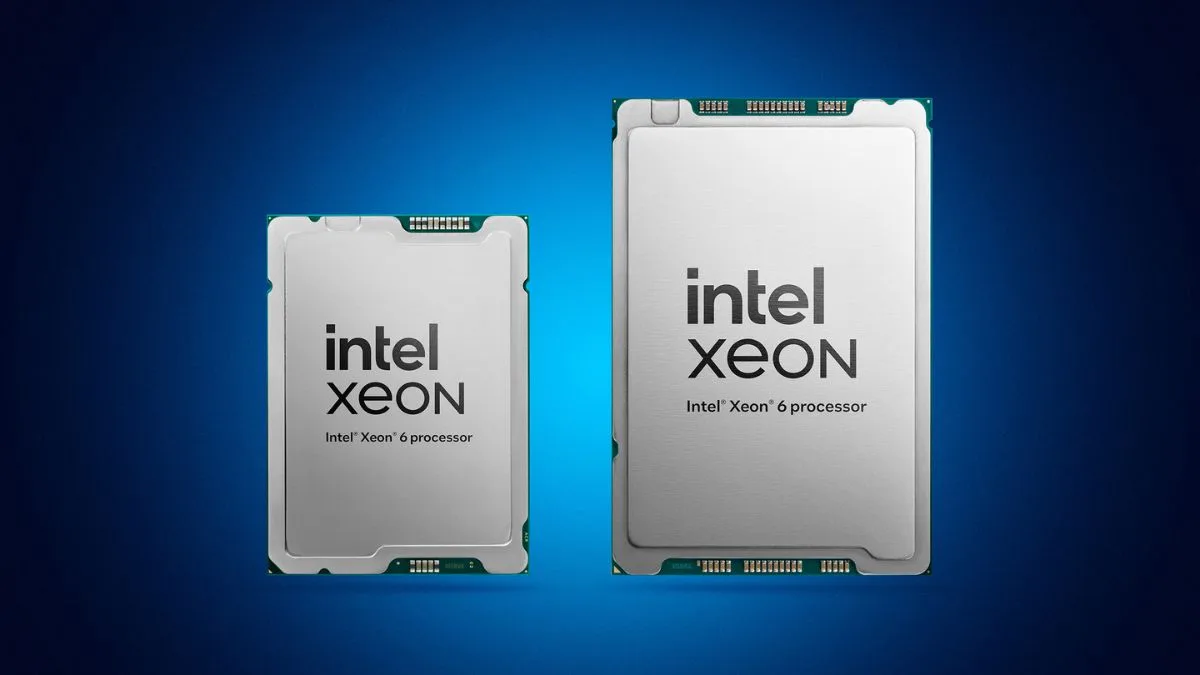
Intel Xeon 6700, 6500 Series Processors With Performance Cores Announced

Intel unveiled two new processor series in the Xeon 6 family on Monday. Dubbed Intel Xeon 6700 and Xeon 6500 series, the new processors offer improved performance and power efficiency compared to the previous generation. It is based on the x86 computer architecture and comes with up to 86 cores. The chipmaker claimed that the newly launched chipsets also feature dedicated Performance cores (P-cores) and are aimed at complex artificial intelligence (AI) tasks, traditional enterprise apps, and high-performance computing (HPC) solutions.

Intel Xeon 6700/6500 Series Processors Introduced

In a newsroom post, the chipmaker detailed the new processors in the Intel Xeon 6 family. Alongside the 6700 and 6500 series, the company also unveiled Xeon 6 for network and edge, a system-on-chip (SoC) designed for high performance and power efficiency. Notably, these are not retail-focused processors, and are instead aimed at data centres.

According to the company, the Intel Xeon 6700 and 6500 series processors with P-cores offer 1.4X higher performance compared to the fifth generation of Intel Xeon processors, and can also handle a more diverse set of workloads, with a focus on enterprise tasks. The company said that it is also designed to work with AI systems and can handle complex tasks.

intel xeon 6700 Intel Xeon 6

Intel Xeon 6700 and 6500 series specifications
Photo Credit: Intel

Compared to the fifth-generation AMD EPYC processors, the Xeon 6700 and 6500 series chipsets are claimed to offer up to 1.5X better performance in AI inference while using only two-thirds of the cores. Intel also claimed that the chipsets offer improved performance-per-watt efficiency allowing for 5:1 consolidation of a five-year-old server on average.

Coming to technical specifications, the new chipsets feature up to 86 cores with a Thermal Design Power (TDP) of between 150 to 300W. It comes with up to eight channels of DDR5 MRDIMM (multiplex ranked DIMM) memory, up to 88 lanes for PCIe 5.0 which goes up to 136 lanes for single socket design, as well as 64 lanes CXL 2.0.

On the other hand, the Intel Xeon 6 for network and edge uses in-built accelerators for virtualised radio access networks (vRAN), media, AI, and network security. The company said the processor is designed to address the growing demand for network and edge solutions in the AI-driven world.

These SoCs also deliver a 70 percent improvement in performance-per-watt with 2.4X the RAN capacity compared to the previous generation. The Xeon 6 for network and edge also features the Intel Media Transcode Accelerator, an in-built media accelerator that further improves power optimisation.

For the latest tech news and reviews, follow Gadgets 360 on X, Facebook, WhatsApp, Threads and Google News. For the latest videos on gadgets and tech, subscribe to our YouTube channel. If you want to know everything about top influencers, follow our in-house Who’sThat360 on Instagram and YouTube.

Realme GT 7 India Variant Key Specifications, Colour Options Surface Online

Samsung Set to Refresh Its Galaxy A Series Lineup With Improved Camera Features

Posted on

Realme 14 Pro Series Global Launch Confirmed at MWC Barcelona; ‘Ultra’ Model Reportedly Teased

Realme 14 Pro series debuted in India last month and its global launch has now been confirmed. The company has announced that its lineup, comprising the Realme 14 Pro and 14 Pro+, will be launched at the Mobile World Congress (MWC) Barcelona. The event takes place between March 3-6 in the aforementioned nation. This also confirms the company’s participation at one of the world’s biggest technology showcases of the year. Realme has also reportedly teased an Ultra variant that could join the lineup as a new offering.

Realme 14 Pro Series Global Launch Confirmed

In a post on X (formerly Twitter), Realme shared a short video clip which confirms that it will launch a smartphone with a “DSLR-level” smartphone camera at MWC Barcelona. While it did not officially reveal its name, it is widely believed to be the Realme 14 Pro series based on its appearance. Both models, the Realme 14 Pro and Realme 14 Pro+, are expected to have similar features and specifications as their Indian counterparts.

This includes a cold-sensitive colour-changing technology that reacts to temperature changes. The phone’s back cover claims to change from pearl white to blue when the temperature drops below 16 degrees Celsius. It will return to its original shade when the ambient temperature increases. Other specifications include AMOLED 120Hz screens, 50-megapixel cameras with optical image stabilisation (OI)S, Corning Gorilla Glass 7i protection, and IP66+IP68+IP69 rating.

Meanwhile, Realme has also reported to have teased a new “Ultra” variant which might join the Realme 14 Pro series at the upcoming MWC Barcelona. It is said to have a camera sensor “larger” than other flagship models, although it remains unclear which devices the company is referring to here. The teaser shows a phone’s silhouette featuring a large, circular camera module which occupies the entire top-half of its back panel.

Realme 14 Pro Series Price in India

Realme 14 Pro 5G price in India starts at Rs. 24,999 for the 8GB+128GB model, while the 8GB+256GB variant is priced at Rs. 26,999. It is available in Jaipur Pink, Pearl White, and Suede Grey finishes.

The Realme 14 Pro+ 5G is priced at Rs.29,999 for the 8GB+128GB version, and an is8GB+256GB costs Rs. 31,999. A 12GB+256GB storage model is available for Rs. 34,999. It is sold in Bikaner Purple, Pearl White, and Suede Grey colourways.

Affiliate links may be automatically generated – see our ethics statement for details.
Posted on

The price of mini-LED 4K TVs is changing the game – just look at the record-low deal on this 75-inch model

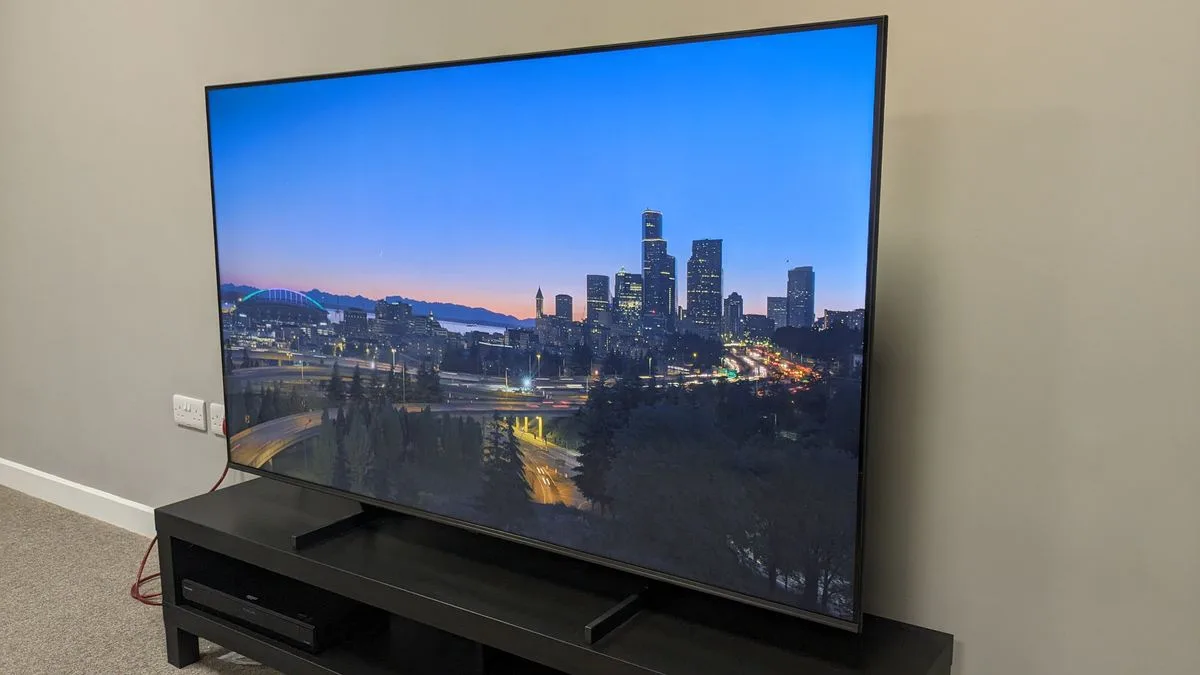
2024 was quietly a revolutionary year for TVs, because the best mini-LED TVs suddenly went from being a premium tech that dabbled in dropping to mid-range, to being tech that reached all the way from premium down to the budget end, with a really solid option for everyone. In the US, we raved about the Hisense U8N and the TCL QM851G for delivering unbelievable bang for your buck. The Hisense U7N quickly staked a place as top-value mid-range TV, with some unbelievable deals available, despite packing great brightness and 4K 120Hz support to complete with the best gaming TVs. In the UK, we raved about the TCL C855K and the TCL C805K, the latter of which is obscenely inexpensive for something that looks that good. If anything, the aggressive pricing on these TVs creates the issue of them nearly crashing into each other – we gave the Hisense U6N a less effusive score than the U7N or U8N, but that was mostly because it cost far too close to the U7N while offering a notable step down in features. But over time, the U6N has started dropping to some absolutely ridiculous prices, and there’s a deal on the 75-inch model right now that is absolutely the budget giant-screen mini-LED I’d buy if I were in the market for one. Today’s best deal on the Hisense U6N It’s funny to think that the first mini-LED TVs only launched in 2021 – making them far, far younger than the 11 years that the best OLED TVs have been a staple of the TV market – and yet they’ve already moved from launching as a high-end only option to covering the whole range of budgets… something OLED has never managed, and doesn’t look likely to any time soon. OLED has certain high costs around the reliability and complexity of the manufacturing process that haven’t been fundamentally solved, and the price simply can’t come down much further while these continue. Even new inkjet-printed methods – which are finally beginning to become real for OLED monitors – look unlikely to solve this for TVs in the near term. TCL, which is leading on this technique, told me there will still be manufacturing reliability problems with larger screens that mean it won’t be as cost-effective for TVs immediately, so we won’t see it used for that yet – though we might in a few years. As a result, the cheapest 77-inch OLED TV you can get is the LG B4 for $1,796 – which is more than $1,000 pricier than the Hisense U6N. Yet the U6N has far superior full-screen brightness (though less-good contrast, viewing angles or gaming features). We tested the U6N’s brightness and color accuracy, and it’s amazingly accurate and consistent on colors out of the box, matching the more expensive Samsung QN85D. (Image credit: Future) Mini-LED, however, offers all kinds of ways for manufacturers to be flexible on price. For a start, they can change exactly how mini those mini-LEDs are, and how many of them there are. They can change how many different dimming zones they work in. They can use a different LCD pixel panel to bring the price down. And the cost of the parts themselves comes down as they become more common. The technology doesn’t need the delicate manufacturing touch that OLED does, and advancements to the technology don’t always need to cost much, if any, more than the last version of the tech – the next big thing in mini-LED TVs is RGB backlighting, and Samsung told me that it doesn’t expect its version of the tech to cost more than current mini-LED tech (though we’ll see what happens in practice). The TVs from 2024 that are still around may get cheaper again by the time they get replaced by the 2025 models – and the 2025 models will likely be the same kind of price, but with bolder colors and even more impressive contrast at all budgets. I’ve especially got my eye on the Hisense QM7K, which looked beautiful at CES 2025, will have a mid-range price, and will go all the way up to 98 inches. @techradar ♬ original sound – TechRadar I’m an OLED guy. I have an OLED TV at home that I recently upgraded, and that technology is where I find that the most interesting tech developments are happening – at least in terms of tech that’s making it into fairly mainstream TVs. But I do a lot of recommending of TVs for other people, and this is the year I found things really tipping in mini-LED’s favor in most of my conversations. Not so much at the high end, but at the “You don’t have to buy premium to get a seriously good experience, just look at these mid-range models” end. And then also at the low-end, where I find myself saying that you only need to spend a tiny bit more to get a big step up to a mini-LED set from a basic LED set, which will be a better long-term investment. Mini-LED is only going to cement its place as the people’s TV tech this year. A genuinely good 75-inch 4K TV for under $600? Hail to the king.

Posted on

India PC Shipments Surged 3.8 Percent YoY in 2024, HP Lead the Way, Acer Saw Highest Growth: IDC

PC sales in India witnessed a solid 3.8 percent year-over-year (YoY) growth in 2024, as per a report by market research firm IDC. HP grabbed the lion’s share of domestic PC shipment, while Lenovo secured the second spot followed by Dell. Acer and Asus also have featured in the top five positions. Total shipments of desktops, notebooks and workstations in India touched 14.4 million units last year. IDC opined that the growth was aided by momentum in public sector buying and accelerated demand for gaming and AI-powered PCs.

As per a report by IDC, PC shipments in India touched 14.4 million units in 2024, up 3.8 percent YoY. This includes 4.5 percent YoY growth in shipments of notebooks and 1.8 percent YoY in shipments of desktops. Workstation shipments recorded the highest growth at 10.9 percent. 

In Q4 2024 the overall market grew by 6.9 percent YoY, driven by a 9.6 percent YoY growth in the notebook category. Premium notebook shipments grew by 13.8 percent YoY in 2024. The consumer segment grew by 2.6 percent YoY in 2024, while the commercial segment grew by 5.1 percent YoY. The enterprise and government segments registered 10.6 percent YoY growth in the same period.

Top Five PC Companies

As mentioned, HP secured first place in the overall PC market in 2024 with 30.1 percent market share. While its government and enterprise segments grew by 14.7 percent and 14.3 percent respectively, its consumer segment declined by 7.5 percent YoY due to increasing competition, especially in the eTailer channel.

Lenovo, came second on the list with a 17.2 percent market share last year. The brand grew across both the consumer and commercial segments by 7 percent and 7.4 percent YoY respectively. Shipments to the enterprise segment and a consistent push through eTailers led to 7.3 percent YoY growth.

The IDC report notes that Dell came in third with a 16.1 percent market share in 2024 while Acer took fourth place with a 15.1 percent market share. As per the report, Acer’s growth is the highest among the top five vendors last year mainly driven by the eTailer push, aggressive pricing, and steep discounts. Acer grew by 48.4 percent YoY in the consumer segment.

Asus came in fifth position by grabbing a 7 percent market share by maintaining a healthy channel inventory. IDC notes that the vendor increased its footprint in the commercial segment growing by 18.4 percent YoY there in last year.

IDC Research Manager Bharath Shenoy opines that the consumer PC market has been on a growth trajectory driven by gaming and AI-powered PCs. “Since mid-2024, shipments of AI-powered notebooks increased substantially as the demand for relatively lower-end AI PCs powered by Intel Core Ultra processors and AMD Ryzen AI processors have seen a steady increase,” he said.

Navkendar Singh, Associate Vice President, of Devices Research, IDC India attributes the growth of the commercial PC market to healthy refresh order books and momentum in public sector buying. He notes that the industry is expecting replacement demand to start coming in from this year, as 2020-21 purchases reach 3-4 years in age. The weakening rupee could increase device costs and it can impact the price-sensitive SMB and consumer segments. The report predicts low single-digit growth for the India PC market in 2025.

Posted on

Lenovo IdeaPad Slim 5 With Up to AMD Ryzen AI 7 350 CPU Launched in India: Price, Features

Lenovo IdeaPad Slim 5 has been upgraded with up to AMD Ryzen AI 7 350 processors in India and is now available for purchase. Users can choose between 14 and 16 inch display options on the laptop, which carries a 60Wh battery. The laptop is claimed to offer military-grade durability and has pre-installed AI-backed features like Lenovo’s AI Now and Learning Zone. They are expected to help users with personal as well as professional tasks like workflow optimisation, document summarisation, text conversion and more.

Lenovo IdeaPad Slim 5 (Gen 10) Price in India, Availability 

Lenovo IdeaPad Slim 5 (Gen 10) price in India is listed at Rs. 91,990 for the 16-inch 2.8K OLED display with the AMD Ryzen AI 7 350 CPU option, Lenovo representatives said.

It is offered in 14-inch and 16-inch display options and is available in Cosmic Blue, Luna Grey, and Seafoam Green colourways. The laptop is currently available for purchase in the country via the Lenovo e-store, e-commerce websites, as well as Lenovo Exclusive Stores and offline retail stores.

Customers can avail of Custom to Order (CTO) via Lenovo.com for personalised configurations, which are said to be delivered within 25 days. Buyers can enjoy Lenovo Premium Care benefits as well. 

Lenovo IdeaPad Slim 5 (Gen 10) Features

The Lenovo IdeaPad Slim 5 (Gen 10) can be configured with either a 14 and 16-inch display. The 16-inch variant gets a 2.8K OLED screen, 100 percent DCI-P3 colour gamut and 500 nits brightness, while the 14-inch model has a WUXGA OLED display. Both models offer a 120Hz refresh rate.

The new IdeaPad Slim 5 laptops are powered by up to AMD Ryzen AI 7 350 processors with Zen 5 cores, AMD RDNA 3.5 GPU, and XDNA 2 NPU. They are said to offer AI processing of up to 55 TOPS (trillion operations per second). 

Lenovo AI Now is said to use a local LLM based on Meta’s Llama 3 for personalised AI assistance like help with Q&A sessions, workflow optimisation, and more. Meanwhile, the Lenovo Learning Zone tool can be used to record lectures, convert texts, summarise documents and generate quizzes. These features are pre-installed in select configurations.

The Lenovo IdeaPad Slim 5 (Gen 10) is backed by a 60Wh battery with quick charging technology support. It is equipped with a full-HD IR camera, a ToF sensor, privacy shutter and supports AI-backed noise cancellation. The laptop is claimed to come with military-grade durability and measures 16.9mm in thickness.