Posted on

Global Pressure Mounts for Apple as Brazilian Court Demands iOS Sideloading Within 90 Days

A Brazilian court has dealt a major blow to Apple’s tightly controlled ecosystem, ordering the tech giant to allow sideloading on iOS within 90 days. The ruling follows similar mandates in the EU, signaling a global push for more open digital marketplaces.

With Apple commanding nearly 60% of the U.S. mobile market and over 62% in Japan, the decision could set off a domino effect worldwide.

How does sideloading affect iOS users?

Sideloading occurs when a mobile smartphone user downloads an app from a source other than the official App Store. In this case, the App Store remains the sole distribution channel — a model that Apple is determined to protect.

It’s clear why Apple wants to restrict third-party apps. According to StatCounter, the tech giant accounts for less than 30% of the global OS market share as of February 2025. Forcing users to download apps from the App Store is a surefire way to keep them in the iOS ecosystem.

However, users do receive some benefit from downloading apps exclusively from the App Store. Since all apps undergo a screening process, users know they’re receiving authentic software that isn’t going to harm their device. If they ever do experience an issue, technical support is usually available.

These safeguards don’t necessarily extend to apps that are downloaded from developer websites or other sources, but many users still want the freedom to choose. Despite already making similar accommodations in other regions, Apple insists that sideloading will have a negative impact on all iOS users.

Judge Pablo Zuniga, who overturned an injunction that would have given Apple more time to consider their next move, said that Apple “has already complied with similar obligations in other countries, without demonstrating a significant impact or irreparable damage to its business model.”

What does this mean for other countries?

If the ruling stands, similar legal battles could emerge worldwide. With the European Union already setting a precedent, and Brazil potentially following suit, other countries may soon join the movement. While the case in Brazil could be a major catalyst for a future disruption in the iOS ecosystem, it’s still too early to tell.

Following the latest ruling, Apple now has 90 days to remove all restrictions on sideloading for all Brazilian iOS users. As expected, the company plans to appeal the decision.

This article was written by TechnologyAdvice contributing writer J.R. Johnivan.

Posted on

My Hero Academia Vigilantes OTT Release Date: When and Where to Watch it Online?

My Hero Academia: Vigilantes is finally official. The new spinoff anime’s series is all set to debut on April 7, 2025 with the streaming rights secured by Crunchyroll. The anime adaptation of My Hero Academia: Vigilantes brings to life the popular manga by Hideyuki Furuhashi and Betten Court, which concluded in May 2022 after 15 volumes. A fresh opening theme song, “Kekka Orai,” will be performed by Kocchi no Kento, as revealed in the latest announcement.

When and Where to Watch My Hero Academia: Vigilantes

My Hero Academia: Vigilantes will be available for streaming on Crunchyroll. The anime will follow a storyline set before the events of My Hero Academia, focusing on characters operating outside the established hero system.

Official Trailer and Plot of My Hero Academia: Vigilantes

The newly released trailer provides a glimpse into the series, highlighting the journey of Koichi Haimawari, an ordinary college student who abandons his dream of becoming a hero. His life takes a turn when he encounters Knuckleduster, a vigilante who operates outside the law. Alongside Pop☆Step, Koichi takes on the role of an underground hero, assisting those in need without official recognition. The series explores themes of justice beyond regulations and the challenges faced by vigilantes in a world dominated by licensed heroes.

Cast and Crew of My Hero Academia: Vigilantes

Kenichi Suzuki, known for his work on JoJo’s Bizarre Adventure, is directing the adaptation, with Yosuke Kuroda handling series composition. Character designs are led by Takahiko Yoshida, while Yuki Hayashi, Shogo Yamashira, and Yuki Furuhashi are responsible for the music. The main cast features Shuichiro Umeda as Koichi Haimawari/The Crawler, Ikumi Hasegawa as Kazuho Haneyama/Pop☆Step, Yasuhiro Mamiya as Oguro Iwao/Knuckleduster Additional character visuals have been revealed for Kuin Hachisuka, Soga Kugisaki and Naomasa Tsukauchi, with their respective voice actors announced. The anticipation for My Hero Academia: Vigilantes continues to grow, with its release expected to expand the franchise’s universe by delving into the struggles of unlicensed heroes.

For the latest tech news and reviews, follow Gadgets 360 on X, Facebook, WhatsApp, Threads and Google News. For the latest videos on gadgets and tech, subscribe to our YouTube channel. If you want to know everything about top influencers, follow our in-house Who’sThat360 on Instagram and YouTube.

Neela Nira Sooriyan Now Streaming on Aha Tamil: Everything You Need to Know

Apple’s Foldable iPad Pro to Sport 18.8-Inch Screen With Under-Display Face ID, Tipster Claims

Posted on

Sudowrite Launches Muse AI Model That Can Generate Narrative-Driven Fiction

Sudowrite, a Los Angeles-based AI startup, launched a new fiction-writing artificial intelligence (AI) model last week. Dubbed Muse, the AI model is built with a single function of generating creative writing pieces focused on fiction. The new model will be offered on the Sudowrite platform, which also offers several other writing-focused AI models. The startup claims that the model was specifically trained to remove clichés from the output to ensure that every generation is a unique prose. Sudowrite also offers free credits to users to try out the AI model.

Sudowrite Introduces Muse AI Model

In a post on X (formerly known as Twitter), Sudowrite’s Founder James Yu announced the launch of the Muse AI model. He highlighted that the model was in the testing phase for the last few months. The company claimed to have Muse with “hundreds of authors” to ensure the high-quality of output. The model’s writing samples can be found on this web page.

While generative AI models are capable of creative writing, they come with certain limitations. AI models are prone to generating clichés, constructing monotonous sentences, and following a templatised plot structure.

Yu claimed that the Muse AI model solves these challenges by focusing on a single vertical of fiction writing. Since the model does not try to do everything, it was able to specialise in creative writing with specific training processes. The model’s support page claims, “Muse is the most unfiltered model on Sudowrite, and embraces the full range of human experience, including violence, and adult themes.”

To use Muse, users can go to Sudowrite’s AI platform, tap on Write, and navigate to Write Settings. Here, they can pick Muse from the Prose Mode dropdown menu. Muse is also the default model for Write, Draft, and Expand modes. The company claims the model offers a high level of creativity and prompt adherence. Notably, Sudowrite also offers several third-party AI models such as Claude 3.5 Sonnet, GPT-4o, and DeepSeek-R1.

The Muse AI model can be used to generate a prose from scratch, rewriting an existing draft in a certain tone, style or structure, describing a word or phrase in unique ways, or to brainstorm plot points and character names.

Once a user registers on the platform, they are given 10,000 free credits. Gadgets 360 staff members tested the platform and found that generating a prose with 75-100 words uses up 25 credits. After the one-time credits are used up, users will have to purchase a subscription that starts at $10 (roughly Rs. 870). This subscription offers 2,25,000 monthly credits. The most expensive subscription costs $44 (roughly Rs. 3,830) a month and provides two million monthly credits.

Posted on

Myntra Birthday Sale: Top 10 Deals on Wearables You Can’t Miss

Looking for a smartwatch? These options on Myntra cater to various needs. The Timex iConnect Calling ACE offers a large display and Bluetooth calling, while the Fastrack Radiant FX3 boasts an AMOLED screen and AI voice assistant. The NOISE Diva blends style with health tracking, and the CULT Ace X Luxe features a premium stainless steel body. For fitness enthusiasts, the boAt Smart Ring provides compact tracking. From budget-friendly to premium, find the right match with features like SpO2 monitoring, IP ratings, and smart assistants.

Sr. No. Product Name Price
1 Timex iConnect Calling ACE  Rs. 1,798
2 Fastrack Radiant FX3 BT Rs. 4,999
3 NOISE Diva 1.01″ Smartwatch  Rs. 2,999
4 NOISE Evolve 3 Smartwatch  Rs. 2,199
5 CULT Ace X Luxe Smartwatch Rs. 3,399
6 boAt Active Smart Ring Rs. 5,299
7 French Connection Elite Premium Smartwatch (FCSW07-A) Rs. 1,999
8 Realme S2 Rs. 4,799
9 Pebble Rio Smartwatch Rs. 6,499
10 Hammer Active 3.0 Smartwatch Rs. 1,619

Timex iConnect ACE 

This black solid smart watch from Timex offers a 1.83″ TFT touch display with a resolution of 240 x 280 pixels. Designed for fitness and convenience, it features a heart rate monitor, auto sleep tracking, multiple sports modes, and Bluetooth calling. The IP68 dust and water resistance ensure durability, while the seven-day battery life keeps it running longer.

Pros:

  • Large, colourful touch display
  • Heart rate and sleep monitoring
  • Multiple sports modes for fitness tracking
  • IP68-rated water and dust resistance
  • Bluetooth calling with caller ID

Cons:

  • No GPS tracking
  • No OS for app integration
  • No altimeter or barometer

This smartwatch is available on Myntra for Rs. 1,798.

Timex iConnect Calling ACE Smart Watch Timex iConnect Calling ACE Smart Watch

Fastrack Radiant FX3

This stylish smart watch features a 1.43″ AMOLED display with a 466×466 resolution, ensuring sharp visuals. Designed for everyday convenience, it includes BT calling, an auto stress monitor, SpO2 tracking, 24/7 heart rate monitoring, and women’s health features. Additional tools like AI voice assistant, music control, and a calculator enhance its functionality.

Pros:

  • High-resolution AMOLED display
  • Bluetooth calling with AI voice assistant
  • Comprehensive health tracking, including SpO2 and sleep monitoring
  • Metal strap for a premium look
  • Productivity tools like calculator and calendar

Cons:

  • No GPS tracking
  • No altimeter or barometer
  • Limited app support due to RTOS

It is available on Myntra for Rs. 4,999.

Fastrack Radiant FX3 BT Calling Smart Watch Fastrack Radiant FX3 BT Calling Smart Watch

Noise Diva

A stylish smartwatch designed for those who want elegance and functionality. The diamond-cut dial, combined with metallic and leather strap options, adds a sophisticated touch. The 1.1″ AMOLED display ensures crisp visuals, and the always-on feature enhances convenience.

Pros:

  • Diamond-cut dial for a premium look
  • AMOLED display with always-on mode
  • Bluetooth calling for hands-free convenience
  • 24/7 heart rate, SpO2, and female cycle tracking
  • Over 100+ watch faces and productivity tools

Cons:

  • No GPS tracking
  • Limited battery capacity (4-day life)
  • No dust resistance

Available on Myntra for Rs. 2,999

NOISE Diva 101 Smartwatch with AMOLED Display NOISE Diva 1.01" Smartwatch with AMOLED Display

Noise Evolve 3

A feature-packed smartwatch with a 1.43″ AMOLED Always-On Display, Tru Sync for seamless connectivity, and a lightweight metallic design. The Noise Health Suite™ offers 24/7 heart rate tracking, SpO2 monitoring, sleep tracking, and stress monitoring.

Pros:

  • 1.43” AMOLED Display with 500 nits brightness
  • Up to 7-day battery life
  • IP68 water resistance
  • Dust-resistant design
  • Bluetooth calling with a built-in microphone

Cons:

  • No GPS tracking
  • No voice recognition
  • Silicon strap may not suit all preferences

Available for Rs. 2,199 on Myntra

NOISE Evolve 3 Smartwatch 143 AMOLED Display with BT Calling NOISE Evolve 3 Smartwatch – 1.43" AMOLED Display with BT Calling

Cult Ace X

A premium smartwatch featuring a 1.96” AMOLED display, stainless steel body, and Bluetooth calling with quick dial access. Designed for fitness and convenience, it tracks heart rate, SpO2, steps, calories, and BMI while offering cricket match notifications for sports enthusiasts.

Pros:

  • 1.96” AMOLED Display with high resolution (410 x 502 px)
  • Premium stainless steel strap and body
  • Up to 7-day battery life
  • Voice recognition for easy controls
  • IP67 water and dust resistance

Cons:

  • No GPS tracking
  • No scratch resistance on the screen
  • Stainless steel strap may feel heavier for some users

It is available on Myntra for Rs. 3,399.

CULT Ace X Luxe Smartwatch 196 AMOLED Display with BT Calling CULT Ace X Luxe Smartwatch – 1.96" AMOLED Display with BT Calling

Boat Active Smart Ring

A lightweight stainless-steel smart ring designed for fitness tracking, health monitoring, and seamless smartphone control. With 5 ATM water and dust resistance, it ensures durability while offering features like heart rate and SpO2 monitoring, sleep and stress tracking, and camera control.

Pros:

  • Compact and stylish stainless-steel design
  • Heart rate, SpO2, sleep, and stress tracking
  • Multiple sports modes and fitness challenges
  • 5 ATM water and dust resistance
  • Smartphone camera control for hands-free operation

Cons:

  • No Bluetooth connectivity
  • No GPS or call function
  • Limited size availability

It is priced at Rs. 5,299 on Myntra

boAt Active Smart Ring Size 10 boAt Active Smart Ring – Size 10

French Connection FCSW07-A

A budget-friendly smartwatch with a 1.8-inch TFT display, Bluetooth calling, and smart notifications for seamless connectivity. IP67 water resistance ensures durability, while health tracking features like heart rate monitoring and sleep tracking enhance everyday wellness.

Pros:

  • Affordable pricing with premium brand backing
  • Bluetooth calling and voice assistant support
  • Smart notifications for calls, messages, and apps
  • Heart rate and sleep tracking for health insights
  • IP67 water resistance for daily wear protection

Cons:

  • Plastic dial may feel less premium
  • No GPS tracking or dust resistance
  • TFT display lacks AMOLED clarity

It is available on Myntra for Rs. 1,999.

French Connection Elite Premium Bluetooth Calling Smartwatch FCSW07 A French Connection Elite Premium Bluetooth Calling Smartwatch (FCSW07-A)

Realme S2

A feature-packed smartwatch with a 1.43-inch Super AMOLED round display, ChatGPT 3.5 support, and AI-powered health tracking. IP68-rated water and dust resistance make it suitable for everyday wear, while Bluetooth calling enhances connectivity.

Pros:

  • Vibrant 1.43-inch Super AMOLED display
  • ChatGPT 3.5 integration for smart assistance
  • Up to 13-day battery life (8 days with Always-On Display)
  • Bluetooth 5.3 for stable connectivity
  • AI-powered health and activity tracking

Cons:

  • No built-in GPS for location tracking
  • Caller ID not supported
  • Limited internal storage (256MB)

It is priced at Rs. 4,799 on Myntra.

Realme S2 RMW2401 Smartwatch myntra Realme S2 RMW2401 Smartwatch

Pebble Rio

A sleek and stylish smartwatch with a polygonal bezel-less design, 1.39-inch HD full-touch display, and up to 7-day battery life. IP67-rated water and dust resistance make it a durable option for everyday use.

Pros:

  • Premium polygonal bezel-less design
  • 1.39-inch HD display for clear visuals
  • Heart rate monitoring and multiple sports modes
  • Up to 7-day battery life
  • Includes 3-month ISO-certified health coaching

Cons:

  • No built-in GPS tracking
  • Lacks sleep monitoring feature
  • No dedicated operating system for advanced apps

It is available on Myntra for Rs. 6,499.

Pebble Rio Smartwatch Pebble Rio Smartwatch

Hammer Active 3.0

A stylish and feature-packed smartwatch with a 1.39-inch IPS display, Bluetooth calling, and a metallic build. Designed for fitness tracking with in-app GPS, multiple sports modes, and health monitoring features.

Pros:

  • Premium metallic build with a round dial
  • 1.39-inch radiant IPS display with 600 nits brightness
  • Bluetooth calling with dial pad and SOS feature
  • Health tracking with heart rate, blood pressure, and SpO2 monitoring
  • Wireless charging for hassle-free power-ups

Cons:

  • Limited battery life compared to some competitors
  • No dedicated OS for app expansion
  • Only 6 months warranty

This watch is available on Myntra for Rs. 1,619.

Hammer Active 30 Smartwatch Hammer Active 3.0 Smartwatch

Disclaimer: Affiliate links may be automatically generated – see our ethics statement for details

Posted on

Owning a soundbar has been a game-changer for me – here are 5 cheap options I’d recommend

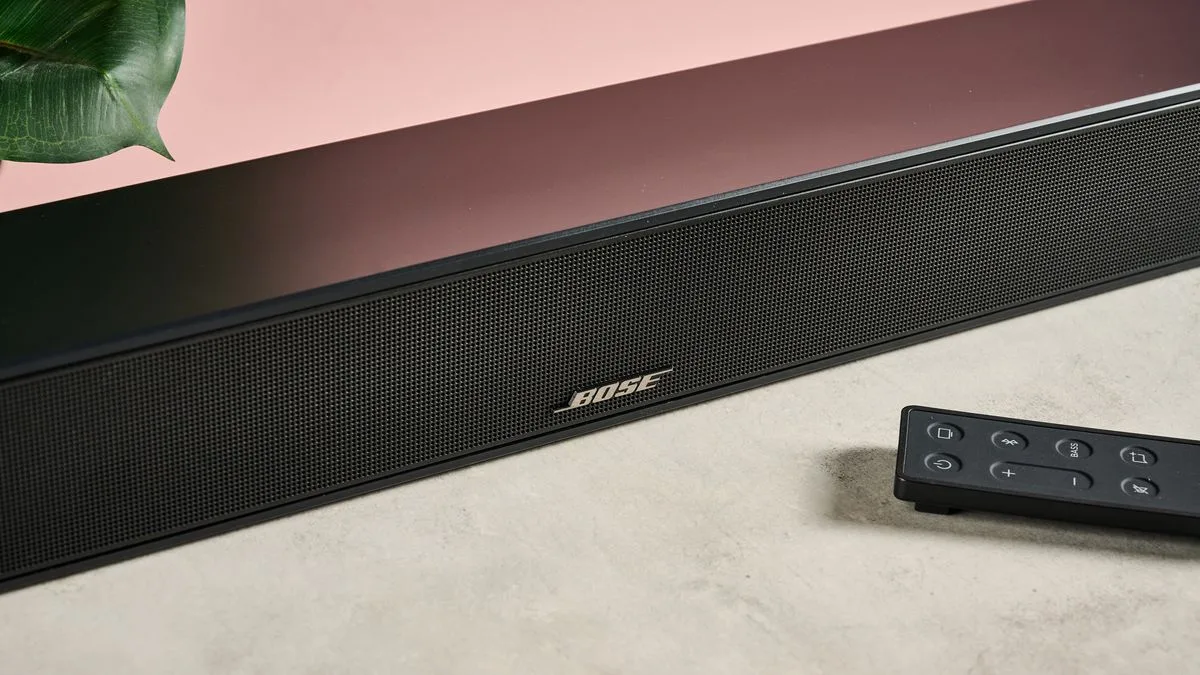
Are you growing tired of your TV’s sub-par audio? Well I promise you this, you’re not alone. A lot of TVs – yes, even some more expensive models – are guilty of plating up unclear dialogue, tinny treble and thin bass. But since I added a soundbar to my setup, I’ve freed myself of such issues and watching my favorite movies or TV shows never felt better. But a lot of you may be thinking that a good soundbar will set you back quite some way. And OK, if you want the crème de la crème, you’re right; some of the best Dolby Atmos soundbars, for instance, won’t come cheap. Having said that, I’ve tested some of the absolute best cheap soundbars on the market and now I’m convinced – there’s an option for everyone, whether your budget is around $300 or under $100. So, I’ve collected a list of five budget bars that will take your viewing experiences to the next level. Let’s take a look… Sony HT-SF150 (Image credit: Future) I’d like to begin with a real favorite of mine, the Sony HT-SF150, or HT-S100F for those of you in the States. This isn’t the newest soundbar on the market – there’s nothing flashy like Dolby Atmos or DTS:X support, but it just nails the basics. You may like Firstly, it’s ultra-cheap, often appearing on sale for less than $100 / £90 / AU$180 – that’s a phenomenally low price. But don’t be deceived: that low price is not indicative of the bar’s quality. The HT-SF150 also offers up clear dialogue, meaning you can keep those pesky subtitles turned off. And you can adjust audio to suit whatever content you’re viewing by switching between the soundbar’s Standard, Cinema, Music, Night, and crisp-sounding Voice modes. On top of all of that, the HT-SF150 harnesses the power of Sony’s S-Force Front Surround virtual processing, which aims to emulate “cinema-style surround sound”. Now that might be a bit out of reach for this bar, but still, I was impressed by the width of audio and felt on-screen action was mapped pretty effectively to boot. Pair that with the soundbar’s surprisingly sleek looks and you’re staring at a value champion. Read our full Sony HT-SF150 review. Hisense HS214 (Image credit: Future) But hold on: let’s say you’re working with a bit less space. Well, the Hisense HS214 could be the perfect option for you. This is another sub-$100 option, coming in at $99 / £79, but unlike the Sony HT-SF150, this is a mini soundbar. The HS214’s diminutive build makes it is ideal if you live in a dorm room or small-sized apartment and want a soundbar that seamlessly slots into your TV setup. But despite its truncated size, this thing is able to pack quite the punch. It boasts a maximum power output of 108W and has a built-in subwoofer for some added weight in the low-end. Does it dish out truly booming bass? Not quite. But if will be a significant step-up on a lot of TVs – especially smaller models that often serve up disappointing sound. Yep, that even includes some of the best small TVs. What’s more, this soundbar comes with EQ options of its own, is simple to setup and has every connection type under the sun – including HDMI ARC. It can’t create quite as broad a spatial impression as the HT-SF150, though. That’s partially inherent to its more restricted width, but its included Surround Mode also sounds a bit tinny – so if you want truly expansive audio, the Sony alternative may be a better fit. But all in all, this surprisingly powerful soundbar is a super solid option if you’re looking for a quick and cheap upgrade on plain TV audio. Read our full Hisense HS214 review. Panasonic SC-HTB100 (Image credit: Future) And for my next trick: a UK exclusive. Sorry, US folk. I’d like to shed some light on the Panasonic SC-HTB100, which sees us return to full-sized soundbars once again. This model is ultra-cheap, often retailing for less than £80, but I was surprised to find that out myself. Why? Well, above all, I was impressed by how clear and well-positioned vocals sounded with this soundbar. Both higher and lower-pitched voices are pretty neatly separated, rarely sounding muffled or disrupted in the overall mix. Sure, this isn’t the most powerful bar and bass isn’t going to blow you away – but if you listen to a lot of radio or documentaries, for instance, the crisp reproduction of vocals makes this bar worth it alone. Another reason to choose the Panasonic SC-HTB100 is its Bluetooth connectivity. This bar uses Bluetooth 5.0 – more up-to-date than the previous two’s Bluetooth 4.2. And of course the big win there is you can seamlessly connect your phone up to the soundbar and play your favorite tunes from Spotify, Apple Music and the like. I found music quality to be pretty decent on the SC-HTB100 – not as good as the best Bluetooth speakers or anything – but still clear and tonally accurate, especially in Music mode. Read our full Panasonic SC-HTB100 review. Bose Solo Soundbar 2 (Image credit: Future) Another small-sized option I enjoyed using was the Bose Solo Soundbar 2. I’ll come clean from the get-go… there’s no HDMI connectivity option here, so you’ll have to use the included-remote to adjust volume output. But picture this: you have a Playstation 5, a Nintendo Switch and a Blu-ray player. Oh no! You have no more HDMI ports remaining. But the optical connection will render that insignificant. So, if you don’t want to keep swapping out one of your consoles or accessories, the optical route may be a better fit for you anyway. Regardless, let’s talk about the soundbar itself. Again, it’s surprisingly powerful for such a tiny model, with a maximum power output of 100W. It also has adjustable bass levels, so you can get fairly meaty low-end audio – a big plus when watching movies with dark, imposing soundtracks. On top of that, there’s Dialogue Mode, which is effective at lifting speech out in busier scenes, or just giving crisp clarity when streaming podcasts, for example. Like the Hisense HS214, you can’t expect particularly striking expansiveness from this soundbar, in part down to its small size. But a more positive similarity is that this is again, a pretty attractive-looking model, with a responsive remote and straightforward setup process. It’s not too expensive for a Bose product either, carrying a list price of $199 / £179.95 / AU$359.95 – and it’s sometimes available at a cut-price too. Read our full Bose Solo Soundbar 2 review. Sony HT-S2000 (Image credit: Future) Maybe I’m being a bit cheeky here, but I just have to circle back to Sony and shout out the HT-S2000 model. In honesty, this bar isn’t quite as cheap as the previously mentioned soundbars, but still, it’s by no means super-expensive. We’ve even seen it drop to less than $300 in the US and that’s unbeatable value as far as I’m concerned. That’s because this soundbar packs almost everything you need into one comprehensive package. And I mean that literally: this is a standalone 3.1 soundbar that can play Dolby Atmos and DTS:X soundtracks to a high standard and deeply immerse you in the action, courtesy of Sony’s proprietary processing tech. It’s quite rare, in my experience, to find a more budget-friendly soundbar that can do Atmos justice. But when I tested this bar myself, I was really impressed by the verticality on offer – sounds can easily exceed the height of your TV screen, making for significantly more engaging viewing. Again, you can expect the HT-S200 to handle the fundamentals – be it crisp dialogue, neat aesthetics and a straightforward setup. But it even gets trickier things right too, be that deep bass output, adept music replication or accurate mapping of on-screen activity. It’s worth noting that this is a chunkier bar than some of the alternatives I’ve listed above, so make sure you have plenty of space on your TV unit – that is if you don’t fancy setting it up on a rack. Read our full Sony HT-S2000 review. So, there you have it. My picks for the best soundbars if you’re on a budget. As you may have noticed, a lot of these models sit closer to the $100 side of the spectrum, which really goes to prove that stepping up from TV audio doesn’t have to be a crazy expensive endeavour. Of course, some of these options won’t rock your world with booming bass or the delights of Dolby Atmos – but I can still vouch for their impressive sound quality. If you’re looking for a real top-tier performer, check out our guide to the best soundbars, where we’ve curated a list of the most elite options available today. You might also like

Posted on

US President Trump Directs SEC Task Force to Outline Crypto Rules by August 

US President Donald Trump met with several crypto founders and leaders during the recent Crypto Summit held at the White House. The event brought US lawmakers under one roof with the crypto industry for the first time. At the summit, President Trump asked the US Securities and Exchange Commission’s (SEC) Crypto Task Force to put the country’s crypto and stablecoins regulations “on his desk” by the end of August this year. This gives the task force approximately five months to complete the research and proposal work for crypto rules.

Chris Dixon, a managing partner at Web3-focussed investment firm a16z crypto, said Trump’s timeline for a crypto regulatory framework was the most important announcement during the summit.

Lauding Trump’s proactive regulatory approach, Dixon said, “With accelerating progress in crypto, AI, and other frontier domains, this is the time to craft thoughtful, comprehensive policies that acknowledge both the promise and risks of these technologies.”

White House crypto czar David Sacks and Treasury Secretary Scott Bessent co-chaired the summit alongside Trump. Addressing the invitees, Bessent said the US intended to keep the dollar as the dominant reserve currency in the world, for which it intends to put stablecoins to use.

In another noteworthy development, US’ banking regulator said that banks were allowed to engage in selected crypto-related services, overturning years of restrictions. US’ Office of the Comptroller of the Currency (OCC) has reportedly allowed banks to explore crypto-asset custody, blockchain participation, as well as exploring stablecoins use cases.

Sergey Nazarov, the co-founder of Chainlink, was among attendees of the event in Washington DC. “Having the most senior members of the cabinet that cover these topics, says a lot about the US’s newfound commitment to cryptocurrencies, blockchains and its own evolution as a financial system,” he said in a post on X. Nazarov added that the Trump administration had vouched cooperation with the industry.

Owing to the awaited regulatory development, Coinbase CEO Brian Armstrong said he was set to open a thousand job opportunities in Web3 this year. Following the summit, Armstrong posted a video on X saying that Coinbase planned to hire about 1,000 employees in the US in 2025 as a result of the “renewed growth”.

Prior to the Crypto Summit, Trump ordered the creation of a strategic Bitcoin reserve as well as a crypto stockpile in the US. His executive order said Bitcoin and altcoins seized by federal agencies during investigations will be put into these reserves as long-term holdings.

Despite the success of Trump’s crypto summit, the market continued to bleed on Monday. While Bitcoin was trading at $82,680 (roughly Rs. 72 lakh) on international exchanges, the crypto sector valuation receded to $2.7 trillion (roughly Rs. 2,35,48,050 crore) over the last 24 hours.

Market analysts believe that in the coming days, with more regulatory development, the digital assets sector will gradually touch new highs. Meanwhile, the market remains extremely volatile, and investors have been instructed to exercise caution in their decisions.

Posted on

Return of the Dragon OTT Release Date: When and Where to Watch it Online?

Kollywood’s latest blockbuster, Dragon (Return of the Dragon in Telugu), has made waves at the box office, surpassing Rs 120 crore in collections across Tamil Nadu and the Telugu states. Directed by Ashwath Marimuthu, the film features Pradeep Ranganathan in the lead, with Anupama Parameswaran and Kayadu Lohar playing pivotal roles. Backed by AGS Entertainment with a budget of Rs 35 crore, the film has emerged as a major commercial success. Following its theatrical run, the much-anticipated OTT release is now on the horizon.

When and Where to Watch Return of the Dragon

Dragon and its Telugu version Return of the Dragon will premiere on Netflix on March 28. The official announcement from the streaming platform is awaited, but reports suggest that digital rights were secured early due to the film’s strong pre-release buzz. The movie’s availability on Netflix is expected to further expand its audience reach, especially among those who missed its theatrical run.

Official Trailer and Plot of Return of the Dragon

The trailer, which was released prior to the film’s theatrical debut. The storyline follows a young man navigating a series of unexpected events that alter his life’s course, blending action, humour, and emotions. Pradeep Ranganathan’s performance, combined with Ashwath Marimuthu’s direction and Leon James’ music, has been widely appreciated by audiences.

Cast and Crew of Return of the Dragon

The film stars Pradeep Ranganathan in the lead role, with Anupama Parameswaran and Kayadu Lohar as the female leads. Ashwath Marimuthu has helmed the project, while AGS Entertainment’s Archana Kalapathi has bankrolled it. Leon James has composed the music, contributing to the film’s overall appeal.

Reception of Return of the Dragon

With a box office collection exceeding Rs 120 crore, the film has cemented its position as a commercial success. It has an IMDb rating 8.3 / 10.

For the latest tech news and reviews, follow Gadgets 360 on X, Facebook, WhatsApp, Threads and Google News. For the latest videos on gadgets and tech, subscribe to our YouTube channel. If you want to know everything about top influencers, follow our in-house Who’sThat360 on Instagram and YouTube.

Laila OTT Release Date: When and Where to Watch it Online?

Zara Si Dhoop Now Streaming YouTube: A Moving Women’s Day Short Film on Love and Forgiveness

Posted on

HMD Barbie Flip Phone Confirmed to Launch in India Soon

HMD Barbie Flip Phone will be available in India soon, according to teasers from the company. The phone was initially launched in certain regions in August 2024. The flip feature phone flaunts Barbie aesthetics in a pink colourway. The accompanying accessories, like back covers, the charger, and the battery, come in varying shades of pink. The phone also has a Barbie-themed user interface. The Barbie Flip Phone, whose cover display acts as a mirror, ships in a jewellery box-styled case.

HMD Barbie Flip Phone India Launch

The HMD Barbie Flip Phone will launch in India soon, the company confirmed in an X post. The exact launch date of the handset in the country has yet to be confirmed. The design of the phone seen in the promotional image appears to be similar to that of the existing global variant. The features of the Indian counterpart are expected to be similar as well. 

The global version of the HMD Barbie Flip Phone has a 2.8-inch QVGA main screen and a 1.77-inch QQVGA cover display, which doubles as a mirror. It is supported by a Unisoc T107 SoC paired with 64MB of RAM and 128MB of onboard storage. The phone also has a 0.3-megapixel rear camera and an LED flash unit.

HMD’s Barbie Flip Phone is offered in a Power Pink shade, obviously. The Barbie pink keypad includes hidden palm trees, hearts, and flamingo motifs that light up in the dark. When the phone is turned on, a “Hi Barbie” voice welcomes users. The phone runs on S30+ OS with a Barbie-themed UI. It comes with a pre-installed beach-themed Malibu Snake game.

The phone packs a 1,450mAh removable battery, which is said to offer a talk time of up to nine hours on a single charge. The battery as well as the charger that ships with the HMD Barbie Flip Phone are pink in colour. It supports 4G, Bluetooth 5.0, 3.5mm audio jack, and USB Type-C connectivity. In the US, it is priced at $129 (roughly Rs. 10,800).

Posted on

Philips’ flagship OLED Ambilight is one of the best-looking and best-sounding TVs I’ve tested, but it’s pricey

Why you can trust TechRadar We spend hours testing every product or service we review, so you can be sure you’re buying the best. Find out more about how we test. Philips OLED+959 review: Two minute review The Philips OLED+959 is a superb, premium OLED TV. It goes toe-to-toe with the best TVs, especially when it comes to built-in sound, but several things hold it back from immortality. The Philips OLED+959’s strong contrast and black levels, realistic detail and vibrant color all rival the best OLED TVs. Combined with Philips’ Ambilight feature, the OLED+959 really does provide a unique home-viewing experience. Motion processing can require some setup and upscaling of lower-resolution SDR sources could be better (it could take a page here from other flagship OLEDs such as the Samsung S95D and LG G4), but the OLED+959’s overall picture quality is excellent. Sound is what sets the OLED+959 apart. Its built-in 5.1.2-channel speaker system is powerful, immersive, and dynamic and can easily substitute for most of the best soundbars. Even Dolby Atmos height effects are audible! The OLED+959 easily joins the other best TVs for sound, with the Panasonic Z95A only really offering similar quality. You may like The OLED+959 looks like a premium TV, and while I’m always happy to see Ambilight on a TV, the new Ambilight Plus system introduces movement into the mix and may be too cluttered for some. Using it, I found myself longing for the standard Ambilight system. It’s also a hefty TV with a divisive stand design, but Philips’ use of fabric material gives it a good look. The OLED+959 carries most features found on the best gaming TVs and has the performance to match, with 4K 144Hz, VRR, ALLM, Dolby Vision gaming support, plus a 12.6ms input lag time. While its performance won’t beat the best LG and Samsung TVs, it’s undoubtedly a great OLED for gaming. Google TV is a serviceable smart TV platform that rounds out the whole package. The OLED+959’s software is responsive, but the home screen feels very cluttered with a large banner ad. Given what it offers, the OLED+959 carries a premium price tag, but when its closest rivals are roughly £1,000 cheaper, it’s tough to ignore the price gap. Still, if you have the budget, the OLED+959 is a fantastic TV. Philips OLED+959 review: Prices & release dates The Philips OLED+959 demonstrates realistic textures and detail (Image credit: Future) First released: October 2024 65-inch price: £3,999 The Philips OLED+959 is the flagship OLED TV in Philips’ 2024 TV range, sitting above the Philips OLED759, Philips OLED809 and Philips OLED909. On its release in November 2024, the OLED+959 cost £3,999 for the 65-inch model (the only size available), placing it at the very premium end of the market. Since its release, prices have dropped, with the OLED+959 now retailing for around £2,999. While this is a significant price cut, it still puts the OLED+959 above other premium OLEDs such as the LG G4 and Samsung S95D, both of which cost roughly £1,999. Philips OLED+959 review: Specs Swipe to scroll horizontally Screen type: OLED Refresh rate: 144Hz HDR support: Dolby Vision, HDR10+, HDR10, HLG Audio support: Dolby Atmos Smart TV: Google TV HDMI ports: 4 (2x HDMI 2.1) Philips OLED+959 review: Benchmark results Philips OLED+959 review: Features Ambilight is a unique feature that sets Philips TVs apart from others, but the new Ambilight Plus may be a little busy for some (Image credit: Future) New Ambilight Plus 5.1.2-channel Dolby Atmos speaker system Philips P5 AI Dual Action Engine The Philips OLED+959 features the company’s P5 AI Dual Engine Processor and META 2.0 OLED panel with micro lens array (MLA), the same tech found in the LG G4 and Panasonic Z95A OLEDs. It supports all HDR formats, including Dolby Vision and HDR10+, and both the Dolby Atmos and DTS:X audio formats. The OLED+959’s most unique feature is Ambilight Plus technology, an upgraded version of Ambilight that can be found on most Philips TVs, including its step-down OLED809 and OLED909 models. Ambilight Plus not only projects colours onto the wall behind and around the TV but also generates movement and shadows that extend the on-screen action. The OLED+959’s built-in 5.1.2 channel Bowers & Wilkins sound system contains 18 drivers powered by a robust 102W. The system has a front speaker array for left, right and centre channels, two side-firing and two up-firing channels, and a rear-mounted subwoofer. For gaming, the OLED+959 supports 4K 120Hz, VRR including AMD FreeSync Premium and Nvidia GSync, HGiG, Dolby Vision gaming and ALLM, and it has a Game Bar menu that allows for settings customization during gaming. Only two HDMI 2.1 ports are provided. One of the OLED+959’s more eye-catching features is its supplied stand, which sits approximately 473mm off the ground. The OLED+959 uses Google TV as its smart TV platform, but it’s worth noting that it does not support Freeview Play with its UK-based streaming apps, such as BBC iPlayer and ITVX. Features score: 4.5/5 Philips OLED+959 review: Picture quality Ambilight gives the OLED+959’s bold, vibrant, and accurate colours an extra layer, as shown here on Elemental (Image credit: Future) Stunning, vibrant colours Great detail and contrast Picture upscaling could be better Starting off with brightness measurements, the Philips OLED+959 achieved 2,050 nits peak brightness (measured on a 10% white window HDR pattern) in Personal mode (used as Standard) and 1,296 nits in Filmmaker Mode. On a fullscreen HDR window pattern, the OLED+959 measured 277 nits and 271 nits in Personal mode and Filmmaker Mode, respectively. (Philips claims the OLED panel in the OLED+959 is capable of 3,000 nits max brightness, but the maximum I measured was 2,502 nits on a 2% HDR window pattern in Vivid mode.) Moving on to reference viewing, I began by watching an HD-quality Disney Plus stream of Fight Club. While the picture was mostly fine, I have seen better upscaling on other premium OLED sets, particularly the Samsung S95D. This was also the case with low-resolution broadcast TV, where textures were on the fuzzy side. Watching a 4K Dolby Vision stream of Elemental on Disney Plus, the OLED+959 showcased bold, dynamic and vibrant colours throughout, with the orange of fire and blue of water popping on the screen with a shimmery glow. A 4K Dolby Vision stream of Star Wars: The Last Jedi also showed off the OLED+959’s accurate colour reproduction, with reds in the throne room fight scene displayed with real authenticity and punch. In both instances, Ambilight gave colours an even brighter quality. When measuring the BT.2020 and UHDA-P3 HDR color gamut coverage of the OLED+959, it yielded 75.1% and 98.5%, respectively – both fantastic results and ones that validate its superb color when I watched movies. It also achieved an average of 1.7 for color accuracy (we look for an average below 3), another great result. The OLED+959 has superb contrast, with excellent balance between light and dark tones, as shown here in The Batman. (Image credit: Future) The contrast and black levels on the OLED+959 were refined and deep. In the opening crime scene of The Batman, the balance between light and dark tones was superb, with excellent shadow detail on display in clothing and objects. Even the darkest scenes accurately captured the movie’s gritty tone and look. Watching Oppenheimer, the black and white scenes also showed a wide range of subtle grey tones. The OLED+959 demonstrated accurate, refined textures and detail across all the movies and TV shows I watched. In the close-up shots in Top Gun: Maverick and The Batman, facial features such as hair and skin looked clear and authentic. I found I didn’t need to make any changes to most picture settings throughout my viewing. When watching HD streams of sport, including soccer, however, I had to make adjustments to motion, setting blur and judder reduction to 3 or 4. For movies, motion was generally handled well. In Top Gun: Maverick, for example, training missions and flight sequences looked smooth, but I felt I’d seen them look smoother on rival OLEDs such as the Samsung S95D and LG G4. Picture quality score: 4.5/5 Philips OLED+959 review: Sound quality The OLED+959 features a robust-sounding 5.1.2 Bowers & Wilkins speaker system (front speaker array shown here) (Image credit: Future) Powerful built-in sound Accurate and immersive Possibly the best built-in TV sound I’ve heard The OLED+959 has a built-in Bowers & Wilkins 5.1.2 channel, 102W sound system and supports Dolby Atmos and DTS:X soundtracks. It also has AI sound and bass enhancement as well as EQ and Room Calibration features. The OLED+959’s speaker array is one of the most impressive built-in sound systems I’ve ever experienced on a TV, and it eliminates any need to connect a soundbar. Watching the Penguin/Batmobile chase scene from The Batman, the rumbling bass of the Batmobile’s engine was powerful and hefty but well controlled. As car tyres screeched and vehicles weaved in and out of traffic, the placement of sound was pinpoint accurate in the front speaker array and well-connected to the action on screen. Dolby Atmos overhead effects like rain were audible and well-balanced with other elements in the mix, and the soundstage was wide and immersive. It was a similar story with Top Gun: Maverick, with the Mach 10 scene in the movie’s opening showing off the expressive, dynamic capabilities of the OLED+959’s speakers. Subtle surround effects such as wind and the Darkstar jet’s creaking panels could be heard clearly amidst the boom of engines, and dialogue throughout the movies and TV shows I watched was crystal clear. Philips OLED+959 review: Design Ambilight Plus version might be too busy for some Included stand Premium backlit remote control While the OLED+959’s stand design is unique in the TV world, some may find it cumbersome (Image credit: Future) The OLED+959 carries some unique features that set it apart from other TVs. First, it comes with Ambilight, which projects coloured lights around and behind the TV. I’m a fan of Ambilight, which adds another dimension to the viewing experience, making the picture feel bigger and more immersive. The OLED+959 comes with the latest Ambilight Plus system, which further extends the movement of images on screen to the coloured lights on show. While this adds an extra twist to traditional Ambilight, I felt it occasionally looked too busy and distracting and found myself longing for the standard Ambilight system. The OLED+95’s meaty sound system necessarily makes it a thick TV by modern standards. On the positive side, the fabric around the frame and front speakers gives it a premium look and helps negate this added depth. The OLED+959 also has a trim bezel, allowing the picture to be the main feature. The OLED+959 is supplied with a heavy-duty stand that positions the TV roughly 473mm from the floor. It’s worth noting that when connected to its stand, the OLED+959 is a weighty TV, clocking in at 44.5kg. The OLED+959 comes with Philips’ premium TV remote, which is USB-C rechargeable and lights up when moved – useful for viewing in darker conditions. It’s made of a matte, metal material and feels reassuringly solid. Design score: 4.5/5 Philips OLED+959 review: Smart TV & menus The OLED+959 uses Google TV as its smart TV platform, complete with large banner ads. (Image credit: Future) Google TV smart TV platform Big home screen banner ads Good number of picture and sound settings The OLED+959 uses Google TV as its smart TV platform, which supports apps such as Netflix, Disney Plus and Prime Video. However, it’s worth noting that it does not support Freeview, UK-based apps such as BBC iPlayer and ITVX. If you want access to these, you will need to add one of the best streaming devices such as an Amazon Fire TV Stick. Google TV is a solid enough smart TV platform. The home screen provides easy access to apps, with the main ones laid out in a horizontal row. There are content recommendations from apps based on your viewing history, but this requires a sign-in to a Google account. There is no ignoring the large banner ad at the top of the home screen, which not only takes up a large portion of the screen but can also be a video, which I found annoying There are a good number of picture and sound settings provided for those who like to adjust the picture and sound to suit their tastes. There are also advanced controls for calibration for those who really like to fine-tune things. Navigating menus is smooth enough and the TV software feels responsive. Smart TV & menus score: 4/5 Philips OLED+959 review: Gaming The OLED+959 is packed with gaming features, including a Game Bar shown here with Battlefield V (Image credit: Future) 4K 144Hz, VRR, Dolby Vision gaming and ALLM 12.6ms input lag time Only two HDMI 2.1 ports The OLED+959 is well equipped for gaming, with 4K 144Hz, VRR including AMD FreeSync Premium and Nvidia G-Sync, HGiG, Dolby Vision gaming and ALLM all supported. There is also a Game Mode with optimized settings and a Game Bar menu where settings can be further adjusted. Performance is responsive and smooth, with graphically intense action sequences and fast-paced gaming all well-handled. When playing Battlefield V at 120fps on Xbox Series X, scanning the environment in chaotic battle sequences was an easy and judder-free experience. The OLED+959’s input lag measured at 12.6ms, which doesn’t beat the very best 120Hz TVs from LG and Samsung, but is still below the 15ms most gamers look for. Picture quality while gaming is also very strong, especially with games in Dolby Vision (a limited category). The textures are accurate, colours are vibrant, contrast is balanced, and the details of the environments and weapons look intricate and true-to-life. Those looking for an OLED TV for gaming will be pleased. Gaming score: 4.5/5 Philips OLED+959 review: Value The OLED+959’s supplied remote met our expectations for a premium TV remote (Image credit: Future) Pricier than rival flagship OLEDs Premium design and performance Step-down Philips OLED909 has similar picture quality Overall, the OLED+959 is a fantastic but expensive TV that’s noticeably pricier than rival flagship OLEDs. It’s currently priced at £2,999 for a 65-inch screen(a £1,000 discount since its launch in October 2024), while the Samsung S95D and LG G4 65-inch models are available for roughly £1,999. While the OLED+959 has the bonus of a significantly better built-in sound system than its rivals, it’s tough to ignore that £1,000 price difference, which can easily net you one of the best Dolby Atmos soundbars, such as the Samsung HW-Q990D. The OLED+959 is a premium TV with premium performance and features, so a premium price tag is expected. While it does tick all the boxes, Philips fans could also look to the step-down Philips OLED909, which delivers the same gaming features and performance and similar overall picture quality to the OLED+959 (and arguably better Ambilight) for £2,199 – an £800 saving. Value score: 3.5/5 Should I buy the Philips OLED+959? (Image credit: Future) Swipe to scroll horizontally Philips OLED+959 Attributes Notes Rating Features META 2.0,MLA OLED panel, 5.1.2-channel sound system, good stock of gaming features and Ambilight Plus 4.5/5 Picture quality Superb color, contrast, black levels and details, but upscaling could be better 4.5/5 Sound quality Powerful, immersive and dynamic system that rivals soundbars 5/5 Design Premium appearance with unique stand, but some may find it cumbersome. New Ambilight Plus a divisive feature 4/5 Smart TV and menus Google TV is serviceable with plenty of settings, but home screen is obscured by large banner ad 4/5 Gaming Fantastic suite of gaming features, but only two HDMI 2.1 ports 4/5 Value Premium price expected for performance and features, but significantly pricier than rivals 3.5/5 Buy it if… Don’t buy it if… Also Consider Swipe to scroll horizontally Header Cell – Column 0 Philips OLED+959 Samsung S95D LG G4 Panasonic Z95A Price (65-inch) £3,999 $3,399 / £3,399 $3,399 / £3,299 $3,100 / £3,899 Screen type OLED (MLA) OLED OLED OLED Refresh rate 144Hz 144Hz 144Hz 144Hz HDR support Dolby Vision, HDR10+, HDR10, HLG HDR10+/HDR10/HLG Dolby Vision/HDR10+/HDR10/HLG Dolby Vision/HDR10+/HDR10/HLG Smart TV Google TV Tizen webOS 24 Fire TV HDMI ports 4 (2x HDMI 2.1) 4 x HDMI 2.1 4 x HDMI 2.1 4 (2x HDMI 2.1) How I tested the Philips OLED+959 Image 1 of 2 (Image credit: Future) These photos were taken in brighter conditions for photographic purposes – measurements are normally taken in pitch black conditions. (Image credit: Future) Tested in lab in various lighting conditions Tested using both SDR and HDR sources Measurements were taken using specialized equipment and Portrait Displays’ Calman Color calibration software After some casual viewing to determine the most accurate picture mode (Filmmaker Mode in this case), I began critical testing of the Philips OLED+959 using SDR (broadcast TV and HD streaming) and HDR (4K streaming and 4K Blu-ray) sources. I used reference scenes to test the picture quality, analysing colour, contrast, detail, upscaling, motion and black levels. I also used these scenes to test the OLED+959’s built-in speakers and sound quality. For 4K Blu-ray testing, I used the Panasonic DP-UB820 4K Blu-ray player, and to test gaming features and performance, I used an Xbox Series X. I next took measurements using a colourimeter, test pattern generator and Portrait Displays Calman color calibration software to record the measurements. I tested the OLED+959’s brightness using both SDR and HDR white window patterns ranging in size from 1-100% screen coverage. I tested these in both Standard (in this case Personal) and Filmmaker Mode picture modes. I also tested the OLED+959’s colour and greyscale accuracy, looking for an average Delta E value (the margin for error between the test pattern and what’s shown on screen) lower than 3 for both tests. I also tested the OLED+959’s HDR colour gamut coverage, measuring the BT.2020 and UHDA-P3 colour spaces. Input lag was tested using a Leo Bodnar 4K HDMI input lag tester.


Posted on

Setting up the Sonos Arc Ultra soundbar was one of the worst tech experiences of my life, but damn it sounds incredible

I. Loathe. The. Sonos. App. Sorry for that appalling punctuation, but since the firm retooled and relaunched its application last year, thousands of Sonos fans have been forced to endure audio anguish. Up until recently, it was about as dependable as a starving fox guarding a hen house. Not long ago, we labelled 2024 as the year Sonos slipped. Why? Largely because of the redesigned Sonos app’s refusal to play ball with many of the company’s soundbars and smart speakers, like the wonderful Sonos Era 300. I was first introduced to how annoying the app was a few months ago when I installed the updated software on my iPad Pro 13-inch (2024). All of a sudden, I could no longer tweak my EQ settings due to a maddening failed login loop that kept telling me to “Sign in as the System Owner to see this content” on both my tablet and iPhone 14 Pro. You may like It was only recently when I bought the Sonos Arc Ultra that I dared go near the app again. For the first two weeks of owning what we consider to be “the best one-box Dolby Atmos soundbar”, the System Owner loop was still stuck in full Groundhog Day mode for me… minus the Bill Murray-provided chuckles. I would also say that this, perhaps, is not the most efficient use of space… (Image credit: Future) The sweet sound of success Finally, I was presented with a glimmer of hope when I installed the app on my Asus Zephyrus G14 laptop. As soon as it allowed me to sign in as the owner of my system – a gobsmacking privilege, I know – the app suddenly started playing nice on my Apple devices. This meant I could at long last tweak the EQ of the best soundbar Sonos has ever made. Sadly though, more software sadness soon presented itself. The app forced me to resync every one of my Sonos devices – a setup that spans the Arc Ultra, two Sonos Subs and a pair of Sonos Era 300 speakers. Cue an hour-long experiment in twisted torture that involved scanning the pairing buttons of all my Sonos kit with my iPhone’s camera. The process proved to be incredibly finicky, and it took me around seven attempts on both of my Sonos Subs before the app finally recognized them. My poor, utterly ruined knees. After obliterating all of my cartilage, my Sonos surround sound setup mercifully at least sounds glorious. And during that fortnight when I couldn’t sync my Era 300 speakers and subwoofers, it made me appreciate how much of an audio upgrade the Arc Ultra provides over the OG Sonos Arc. Kai hard With my subs out of action during the App Incident, I could instantly appreciate just how much weightier the bass of the Ultra was compared to the original Arc. Another significant improvement? The way the Arc Ultra handles Dolby Atmos effects. While watching the exhilarating final few episodes of Cobra Kai season 6, it was easy to hear the added height the Ultra pumped out sound during all that kickass karate action. Patience was necessary to achieve (sound) balance. (Image credit: Future) I also really appreciate how much clearer dialogue sounds on the Arc Ultra. While I never had many problems while watching the best Disney+ movies on my old soundbar, it was definitely an issue when playing some of the best PS5 games. On the Arc Ultra, though, playing through Cyberpunk 2077 again is proving to be a delight. That’s in part because the voices of V, Johnny Silverhand and friends feel so much more enhanced; no longer being drowned out by the background buzz of Night City’s streets that blare from my Sonos Era 300 rear speakers. Though I’ve only owned it for less than a month, I already consider the Arc Ultra the best piece of audio equipment Sonos has ever released. There’s no question that it’s one of the best soundbars you can buy today. I just wish I hadn’t gone through all that app agony to appreciate its full glory. You might also like…