Posted on

Google TV just lost some more of its free streaming channels, but it’s not all bad news

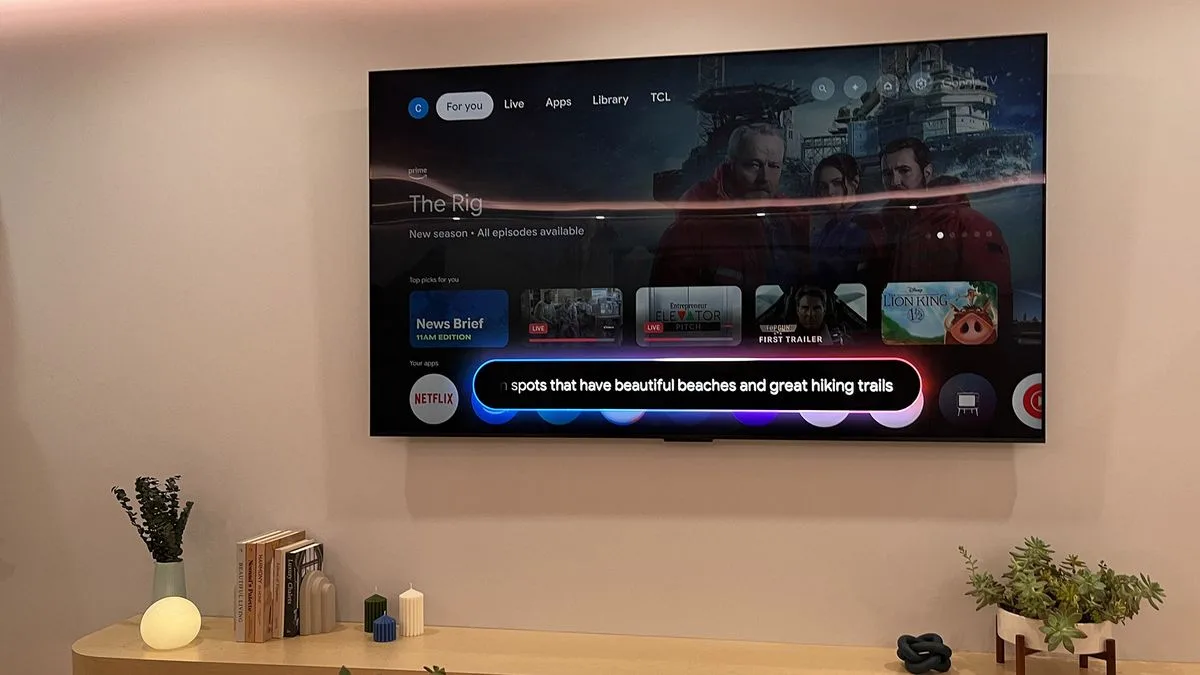
Google Freeplay is axing some TV channels, and bringing back others Out TV Proud and Shades of Black both return after a few weeks away Freeplay’s channel list has still shrunk overall Google TV users may notice a few changes to the platform’s Freeplay service this month, with a number of free TV channels leaving and arriving in quick succession. We’re saying goodbye to some seasonal Christmas channels, including Xumo Holiday Movie Channel, Xumo Holiday Classics, and Xumo Christian Christmas – all of which arrived in time for the Christmas season and are unlikely to see much traction for the coming nine months (via 9to5Google). Although, honestly, we all know people who would happily watch those Hallmark holiday movies all year round, don’t we… But for anyone sad about losing some free channels, there is some good news here too. A pair of channels that were removed from Freeplay earlier in February are now returning to the service to make up for it. After a brief absence, Shades of Black – the “Black culture, entertainment and lifestyle” channel formerly known as Fuse Beat – is now back on Freeplay, alongside the LGBTQ+ network Out TV Proud. These channels were part of a major cull to Google TV’s Freeplay, alongside The Hill TV, Dog Whisperer with Cesar Milan, the Dove Channel, Comedy Dynamics, the Bob Ross Channel, Dazn Ringside, and Dazn Women’s Football. However, it seems like their absence only lasted a couple of weeks, even if the remaining seven channels are still nowhere to be seen. (We’ll miss you, Bob Ross). Google Freeplay now has around 160 free channels after a major cull earlier in 2025. (Image credit: Google / 9to5google) What’s the issue? Google TV Freeplay is a big perk for US customers using Google’s smart TV operating system, packing in over 160 free channels that cover everything from documentary channels and sports to Bollywood movies and true crime. 2024 saw a steady increase in the number of channels available, eventually peaking around 170, though it seems Google is starting to curate that list a little more intentionally in the new year. Freeplay is just one of the major players in FAST (Free Ad-supported Streaming Television) these days. TV viewers can now watch oodles of free TV shows and films on the likes of Samsung TV Plus, Pluto TV, Tubi, and The Roku Channel. Sign up for breaking news, reviews, opinion, top tech deals, and more. As Netflix raises its subscription prices once again, and it becomes even harder to juggle all the best TV shows across a splintered streaming market, many people are embracing free, ad-supported TV that doesn’t put a big monthly dent in their spending budget. And as long as your favorite channels don’t suddenly disappear, there should still be plenty of Google TV Freeplay for you to enjoy throughout 2025. Let’s just hope Google’s AI news summaries don’t end up replacing them. You might also like

Posted on

Crypto Scams Likely Set New Record in 2024, Helped by AI: Chainalysis

The rise of “pig butchering” scams and the increasing use of generative artificial intelligence likely lifted revenues from crypto scams to a record high in 2024, according to blockchain analytics firm Chainalysis.

Revenue from pig butchering scams, where perpetrators cultivate relationships with individuals and convince them to participate in fraudulent schemes, increased nearly 40 percent in 2024 from the previous year, the firm estimated in a report published on Thursday.

Revenue in 2024 from crypto scams was at least $9.9 billion (roughly Rs. 85,996 crore), although the figure could rise to a record high of $12.4 billion (roughly Rs. 1,07,711 crore) once more data becomes available, it said.

“Crypto fraud and scams have continued to increase in sophistication,” Chainalysis researchers said.

The company pointed to marketplaces that support pig butchering operations and the use of GenAI as factors making it easier and cheaper for scammers to expand operations.

Indeed, GenAI technology could potentially “exponentially scale crypto scams”, Chainalysis said.

The company, which tracks publicly available transaction data on the blockchain to identify scam revenue, said crypto fraud activity grew 24 percent each year on average since 2020.

Cryptocurrencies, most notably Bitcoin, have soared in price and popularity over the past few years as investors chased banner returns and interest in blockchain technology soared.

The sector has jumped significantly since US President Donald Trump’s victory in the November election on hopes of an easier regulatory environment.

Other particularly lucrative scams included crypto drainers, where scammers pose as blockchain projects and take control of victims’ crypto wallets, and high-yield investment scams that promised outsized returns, according to Chainalysis.

In January 2024, a crypto drainer posed as the US Securities and Exchange Commission after the regulator’s X account was compromised.

Cryptocurrency ATMs have also been key hotspots for scams, according to Chainalysis, with perpetrators often impersonating government officials or customer support agents to convince victims to deposit cash into the machines.

© Thomson Reuters 2025

(This story has not been edited by NDTV staff and is auto-generated from a syndicated feed.)

Posted on

NASA SPHEREx Mission to Map Water Ice in the Milky Way for Life’s Origins

NASA’s SPHEREx mission is set to embark on an extensive survey of the Milky Way, aiming to locate water ice and other essential compounds associated with the formation of life. Slated for launch no earlier than February 27, the spacecraft will be carried into orbit aboard a SpaceX Falcon 9 rocket from Vandenberg Space Force Base in California. Once operational, it will analyse frozen elements in molecular clouds, vast regions of gas and dust where planets and stars originate. The mission seeks to understand the distribution and formation of these life-enabling substances, shedding light on their role in planetary evolution.

Mapping Molecular Clouds

According to the SPHEREx mission details, the telescope will conduct a large-scale survey of the galaxy, distinguishing itself from previous space observatories. Unlike missions such as NASA’s James Webb Space Telescope and the retired Spitzer Space Telescope, which have detected frozen compounds in targeted regions, SPHEREx will provide a comprehensive map by analysing over 9 million line-of-sight observations. By measuring how ice accumulates in different environments within molecular clouds, scientists will gain insight into how these compounds influence planetary development.

Uncovering Hidden Water Reserves

As reported by NASA, previous research, including findings from NASA’s Submillimeter Wave Astronomy Satellite (SWAS), indicated that far less gaseous water was present in molecular clouds than expected. As per reports, scientists proposed that this water was likely locked in ice on interstellar dust grains rather than existing in a gaseous state. Gary Melnick, Senior Astronomer at the Center for Astrophysics | Harvard & Smithsonian, stated in an official press release that these findings suggested deeper layers of molecular clouds could hold significant water ice reserves, protected from cosmic radiation that would otherwise break them apart.

Collaboration with Other Telescopes

SPHEREx is designed to conduct rapid, large-scale observations, making it a complementary tool for highly focused telescopes like James Webb. If the survey identifies regions of particular interest, these can be examined in greater detail by telescopes with higher spectral resolution. As stated by Melnick, Webb’s ability to observe specific targets with enhanced precision allows for a combined approach, where SPHEREx highlights key locations and Webb provides in-depth analysis.

Mission Management and Data Processing

Managed by NASA’s Jet Propulsion Laboratory, SPHEREx has been developed with contributions from multiple institutions. The telescope and spacecraft bus have been constructed by BAE Systems, while the scientific analysis will involve researchers from ten U.S. institutions, two in South Korea, and one in Taiwan. Data from the mission will be processed at the Infrared Processing and Analysis Center (IPAC) at Caltech. Once compiled, the SPHEREx dataset will be publicly accessible through the NASA/IPAC Infrared Science Archive, supporting further studies into the role of frozen compounds in planetary and stellar formation.

Posted on

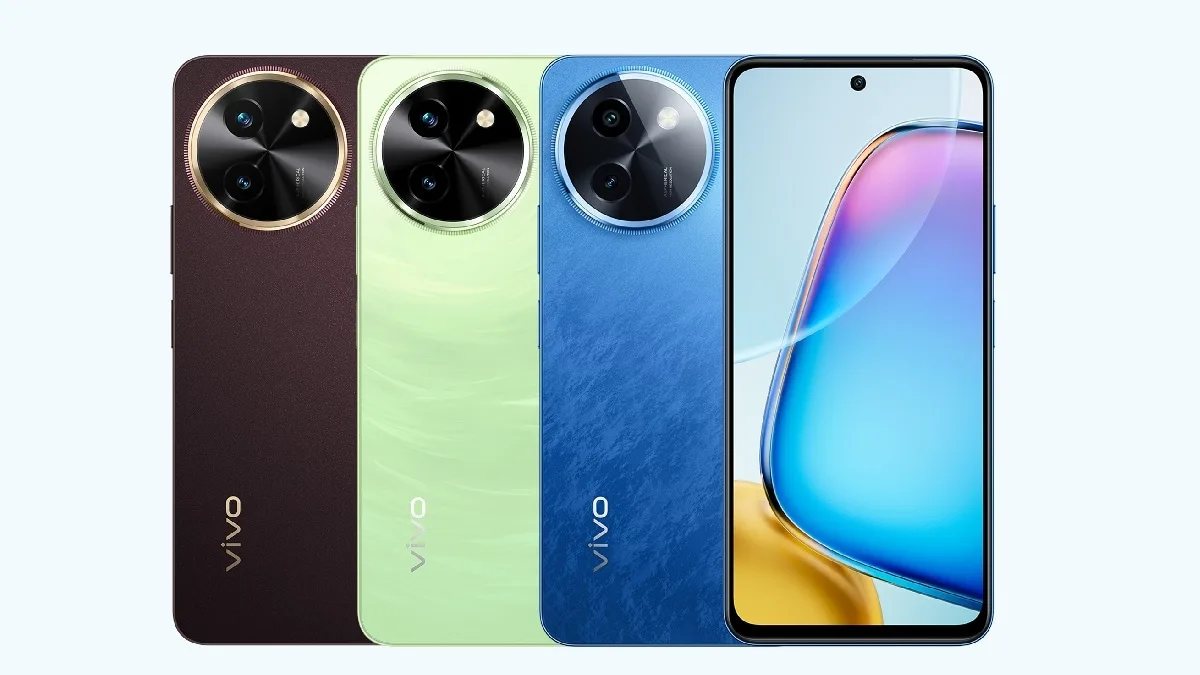
Vivo T4x 5G to Launch in India Soon; Price Range, Availability Confirmed

Vivo T4x 5G has been teased to launch in India soon. Several details about the handset, including price, specifications, and a probable launch timeline, had surfaced online. Leaks suggested that the phone could arrive in Indian markets in March. However, an official teaser now suggests that the smartphone will likely launch in the country in the next few days. It also hints at the possible price range and confirms the availability details of the upcoming model. The Vivo T4x is teased to pack a large battery.

Vivo T4x 5G India Launch

An X (formerly Twitter) post from the company confirms that the Vivo T4x 5G will launch in India soon. The upcoming handset is teased to have the largest battery in its segment. A footnote in the teaser suggests that the phone will likely have a 6,500mAh battery, be priced under Rs. 15,000, and will be introduced in the country on February 20.

The promotional poster for the Vivo T4x 5G reveals that the smartphone will be available for purchase in the country via Flipkart, Vivo India e-store, and offline retail stores. A Flipkart microsite for the handset is also live. However, it does not reveal any additional details about the handset. 

A previous report had suggested that the Vivo T4x 5G could be offered in India in Pronto Purple and Marine Blue colour options. It is expected to sport a Dynamic Light feature to indicate different notifications. 

Notably, the Vivo T3x 5G packs a 6,000mAh battery with 44W fast charging support and is powered by a Snapdragon 6 Gen 1 SoC. It comes in Crimson Bliss, Celestial Green, and Sapphire Blue shades. The price of the handset in India starts at Rs. 12,499 for the 4GB + 128GB option, while the 6GB and 8GB options are available at Rs. 13,999 and Rs. 15,499, respectively.

Affiliate links may be automatically generated – see our ethics statement for details.
Posted on

Samsung S95F vs Samsung S95D OLED TV: Should you upgrade?

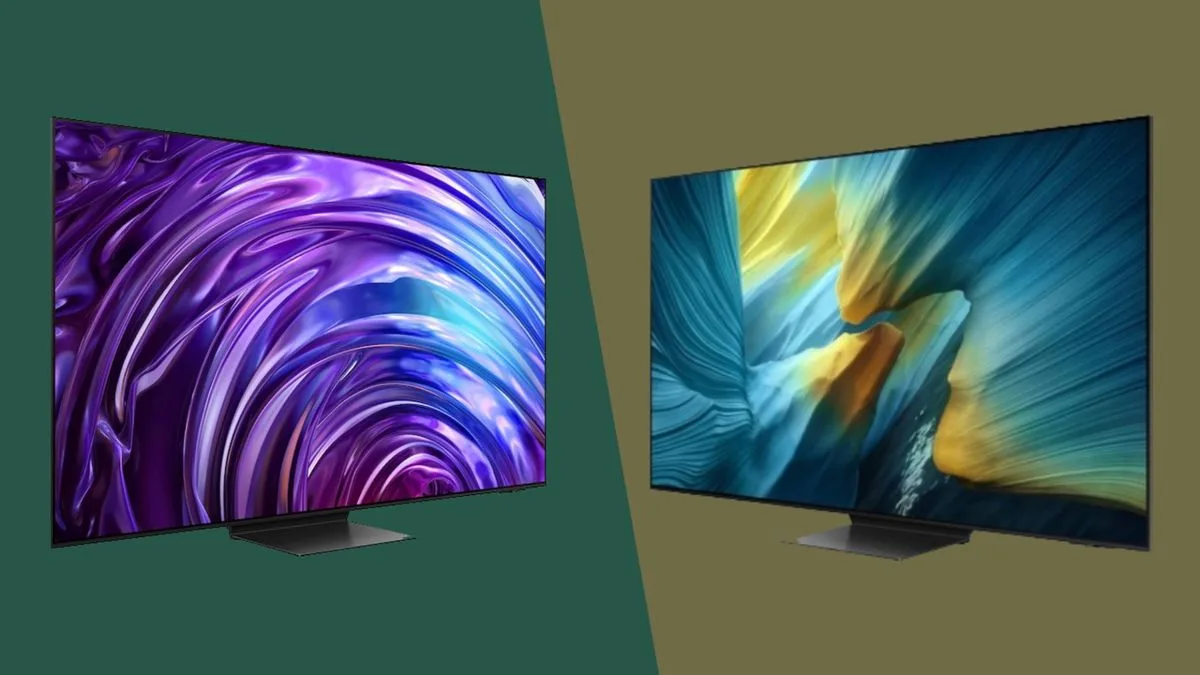
At CES 2025, Samsung unveiled its latest flagship OLED TV, the Samsung S95F – a successor to what was widely considered the best OLED TV of 2024, the Samsung S95D. The S95D was an obvious standout thanks to its QD-OLED panel, glare-free viewing, and exceptional gaming performance, earning praise for its stunning picture quality and impressive HDR brightness. Now, with the S95F OLED, Samsung seems to have taken things even further, boosting brightness to a claimed eye-watering 4,000 nits, introducing a smoother 165Hz refresh rate, and refining its anti-glare screen tech. But does this make it a worthy upgrade, or was the S95D already close to OLED perfection? On paper, the Samsung S95F OLED builds on everything that made its predecessor great. The new QD-OLED panel offers enhanced brightness and contrast, Samsung’s NQ4 AI-powered processor brings improved upscaling and HDR tone mapping, and gamers get a refresh rate bump from 144Hz to 165Hz for even smoother motion. The S95F also retains key features like Samsung’s Glare Free coating and Tizen OS smart TV platform, ensuring a familiar experience, and the S95F introduces an 83-inch variant – though unlike the 55-, 65-, and 77-inch models, this one uses a W-OLED panel instead of QD-OLED. So, does the S95F OLED meaningfully improve on the S95D, or is it an incremental upgrade that most people won’t notice? Let’s take a look. A Samsung depiction of its Glare Free screen tech (Image credit: Samsung) Samsung S95F OLED vs. S95D OLED: What’s new? At first glance, the Samsung S95F OLED and S95D OLED look similar, but there are some key differences. Both models feature Samsung’s QD-OLED panel, but the S95F introduces an upgraded third-generation version that promises brighter highlights, richer colours, and better contrast. Sign up for breaking news, reviews, opinion, top tech deals, and more. For us, the headline upgrade is brightness. Samsung Display, a Samsung division that supplies QD-OLED panels to Samsung Electronics, claims the new panel used in the S95F can hit up to 4,000 nits of peak HDR brightness, a huge jump from the S95D’s already impressive 1,650 nits. And the boost applies across all sizes – including the new 83-inch model, though it uses a W-OLED panel instead of QD-OLED. Alongside brightness improvements, the S95F also brings an enhanced Glare Free coating, designed to improve black depth and maintain better visibility in bright rooms compared to the S95D’s first-generation anti-glare tech. In terms of design and build, the S95F retains Samsung’s ultra-slim profile and premium aesthetic, with only minor refinements. Like the S95D, it features razor-thin bezels, a minimalist stand, and an overall sleek appearance. Samsung continues to include the One Connect Box, a separate hub that houses HDMI 2.1 ports, power management, and other connectivity options, allowing for a cleaner cable setup. The S95F doesn’t introduce any major durability upgrades, but its panel refinements could lead to better long-term brightness performance. One of the biggest talking points of the S95F OLED is its gaming performance. Samsung has pushed the refresh rate from 144Hz on the S95D to 165Hz, making it one of the fastest OLED TVs available. This refresh rate increase benefits PC gamers with high-end GPUs, offering smoother motion clarity and reduced screen tearing. While the S95F makes small but meaningful refinements over the S95D, the biggest takeaway is its combination of extreme brightness and improved gaming capabilities. The boost to 4,000 nits of peak HDR brightness and the 165Hz refresh rate set it apart from its predecessor. The Samsung S95F OLED TV on display at CES 2025 (Image credit: Future) Samsung S95F OLED vs. S95D OLED: Picture quality, gaming, and AI Samsung’s QD-OLED tech has been a game-changer for OLED TVs, and the S95F OLED pushes it even further, as befits its top-end OLED TV. The biggest improvement is in brightness, with Samsung claiming the S95F can hit a peak HDR brightness of 4,000 nits, significantly higher than the 1,868 nits we measured on the S95D, making the S95F the brightest OLED TV yet. The QD-OLED panel’s colour accuracy and uniformity have also been enhanced, thanks to Samsung’s NQ4 processor, which refines real-time tone mapping and upscaling, and the next-gen Glare Free coating should further improve visibility in bright environments by reducing reflections while maintaining deep blacks. The S95F will also have a new AI Gamma feature that helps improve shadow detail rendition when viewing in brighter rooms. For gamers, the S95F OLED adds a 165Hz refresh rate, up from 144Hz on the S95D. Like its predecessor, the S95F supports Variable Refresh Rate (VRR), Auto Low Latency Mode (ALLM), and AMD FreeSync Premium Pro, ensuring stutter-free and lag-free gameplay on consoles like the PS5 and Xbox Series X. On the smart TV side, both the S95F and S95D run Samsung’s Tizen OS, but the S95F benefits from a faster, AI-powered interface. Samsung has introduced improved AI-driven recommendations, enhanced multi-tasking for apps, and a more responsive UI. The S95F also integrates Samsung’s SmartThings platform, allowing it to function as a hub for smart home control. In terms of audio, the S95F continues to support Dolby Atmos and Samsung’s Object Tracking Sound (OTS) tech, though any major upgrades over the S95D remain unconfirmed at the time of writing. Both TVs also offer Q-Symphony, which syncs the TV’s built-in speakers with a compatible Samsung soundbar for an enhanced surround sound experience. Overall, the S95F makes meaningful upgrades over the S95D, particularly in brightness, glare reduction, and gaming performance. The picture quality improvements will be most noticeable in HDR-heavy content, while gamers will benefit from the higher refresh rate. The smart features and audio experience remain largely unchanged, meaning those who already own an S95D may not feel the need to upgrade. However, for those looking for the absolute best OLED TV available in 2025, the S95F makes a strong case as Samsung’s most advanced OLED yet. The Samsung S95D is the brightest OLED TV TechRadar has yet measured (Image credit: Future) Samsung S95F OLED vs. S95D OLED: Should I upgrade? Samsung has yet to announce official pricing for the S95F OLED, but it’s expected to launch at a similar price point to the S95D when it debuted in 2024, meaning buyers should anticipate a premium price tag. While the S95D remains one of the best OLED TVs available, the S95F’s improvements in HDR performance, refresh rate, and glare-free viewing could justify the extra cost for those looking for the latest and greatest. However, if prices on the S95D drop, it could remain an excellent value pick, especially for those who don’t need 4,000 nits of brightness, a 165Hz refresh rate for gaming, or a TV that’s versatile enough to look great in bright as well as dim environments. So, should you upgrade? If you already own an S95D, the S95F isn’t a revolutionary leap – it’s a refinement. The S95D still delivers incredible OLED picture quality, fast gaming performance, and strong smart TV features, making it a worthy option for most people. But for those upgrading from an older OLED model or a traditional LED/LCD TV, the S95F stands out as one of the most advanced OLEDs available when Samsung launches it later in 2025. You might also like…

Posted on

Blue Origin Prepares Second New Glenn Launch, Aims for Better Landing

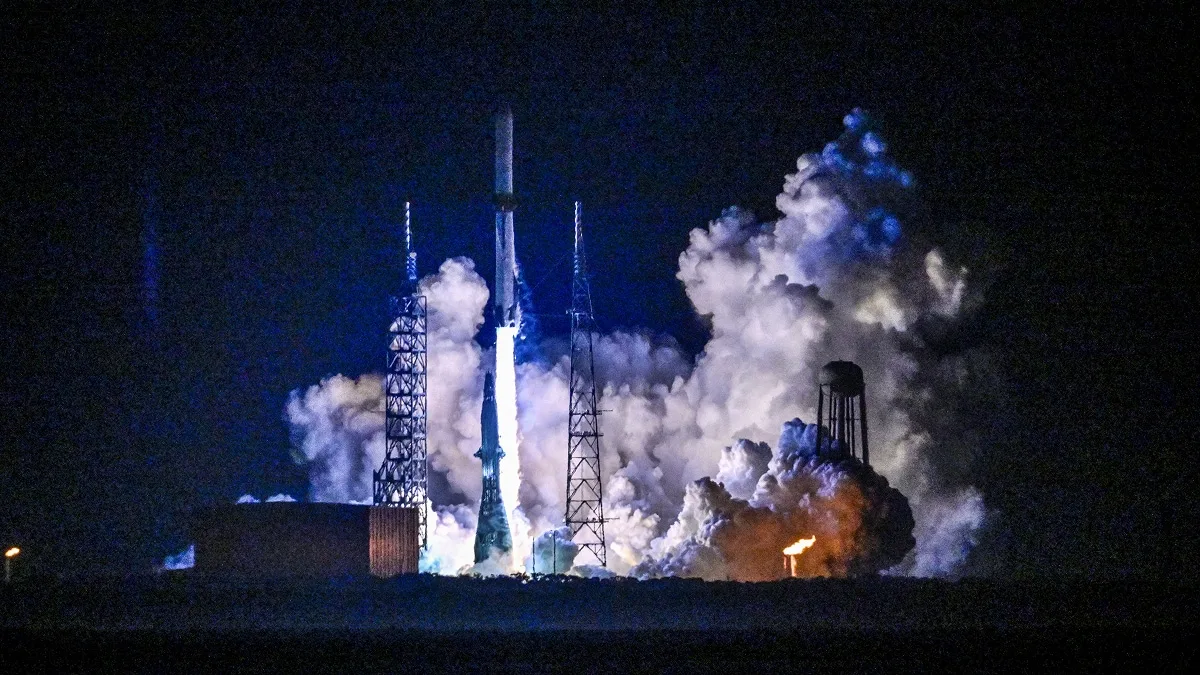
The second launch of Blue Origin’s New Glenn rocket is being targeted for late spring, as efforts are being made to enhance its landing capabilities. The 320-foot-tall rocket was first launched on January 16, 2025, from Florida’s Space Coast, successfully deploying a test version of the Blue Ring spacecraft into orbit. However, the booster stage failed to land on the recovery platform at sea. The company had anticipated this possibility and has since identified potential issues affecting the landing sequence. Adjustments to the booster are being made in preparation for the upcoming launch.

Landing Challenges Identified and Addressed

According to reports, the engines performed as expected during the descent, but issues in delivering fuel from the tanks prevented a successful touchdown. Blue Origin Chief Executive Officer Dave Limp stated at the 27th Annual Commercial Space Conference that a combination of factors contributed to the failed landing. While specific technical details were not disclosed, it was mentioned that modifications are being implemented on the second booster. These changes are expected to improve landing success without delaying the next flight.

Payload for the Second Flight Yet to Be Finalized

The payload for the upcoming launch has not been officially confirmed. Reports indicate that Blue Origin is considering several options, including potential commercial missions. If no suitable payload is available, the rocket may carry a mass simulator for testing purposes. Limp mentioned that the first three flights of New Glenn are regarded as developmental missions, while commercial launches are expected to begin from the fourth flight onward.

New Glenn’s Capabilities and Future Prospects

New Glenn, under development for nearly a decade, is designed to transport 50 tons of payload to low Earth orbit. Its payload fairing, measuring 23 feet in diameter, is larger than that of any operational rocket. The company aims to establish New Glenn as a competitive launch vehicle for commercial and government clients, with an emphasis on reusability and cost efficiency.

(Except for the headline, this story has not been edited by NDTV staff and is published from a press release)

Posted on

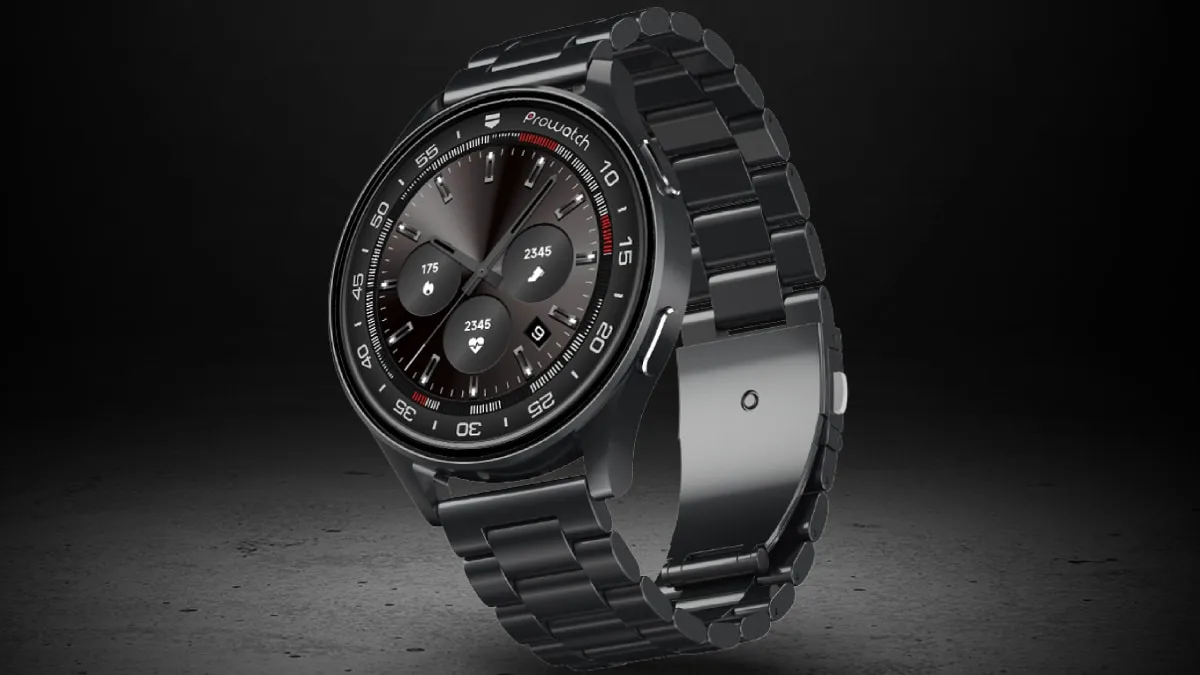
Lava Prowatch X With 1.43-Inch AMOLED Screen, IP68 Rating Launched in India

Prowatch X by Lava was launched in India on Saturday, and the company’s latest smartwatch is equipped with a 1.43-inch AMOLED screen and is housed in an aluminium alloy frame. The wearable supports various health tracking features, such as SpO2 monitoring and heart rate variability (HRV) tracking. It also offers GPS and Bluetooth connectivity. The Prowatch X is claimed to offer up to 10 days of battery life on a single charge. It also has an IP68 rating for dust and water resistance.

Prowatch X Price in India, Availability

Prowatch X by Lava price in India is set at Rs. 4,499 and the smartwatch will be available to pre-order between February 15 and February 18. The company says that customers can avail of a Rs. 1,000 discount using any bank debit or credit card to complete their purchase.

The smartwatch will go on sale in India via Flipkart starting February 21. It will be available in a single Cosmic Grey colourway, along with metal, nylon, and silicone strap variants.

Prowatch X Specifications, Features

There’s a 1.43-inch (466×466 pixels) AMOLED screen on the Prowatch X, with Corning Gorilla Glass 3, 500nits peak brightness, 326ppi pixel density and a 30Hz refresh rate. It has a dual-core ATD3085C processor, according to the company, and it works with both iOS and Android smartphones.

The Prowatch X is packed with sensors, including a HX3960 PPG sensor used for heart rate and SpO2 monitoring, six-axis accelerometer, barometer, altimeter, and compass. It offers built-in GPS and Bluetooth 5.3 connectivity, with support for calling and quick responses.

Lava says that the Prowatch can use these sensors to track over 110 sports and workouts and six structured running courses. It also offers intelligent exercise recognition (IER) and aerobic training effect. Other health tracking features offered by the smartwatch include body energy monitoring, VO2 Max, HRV, post-workout recovery analysis, SpO2 monitoring, sleep tracking, and breathing exercises.

The Prowatch X packs a 300mAh battery that is claimed to offer up to 10 days of battery life on a single charge, or about 17 hours of use with GPS tracking enabled, or five hours of Bluetooth calling. Lava says it worked with Techarc to validate the  accuracy of the Prowatch X

The wearable offers additional features such as Air Quality Index (AQI) monitoring and watch and smartphone tracking. Users can also choose from over 110 watch faces, according to the company. Lava says that the Prowatch X has an IP68 rating for dust and water resistance and can be used during “mild showers”, but hasn’t revealed whether it can be worn while swimming.

Posted on

Bacteria-Based Cellulose Bandage Speeds Up Plant Healing and Growth

A bacteria-based cellulose bandage has been found to enhance plant healing and regeneration. Studies show that wounds treated with these patches heal faster, with over 80 percent recovery in a week compared to less than 20 percent in untreated plants. The cellulose also speeds up root and leaf development in plant cuttings. Researchers attribute this to plant hormones…
Posted on

Animoca Brands, The Sandbox Join Web3 Alliance Group in Saudi Arabia

Saudi Arabia has launched a Web3 alliance group as part of its Saudi Vision 2030 program that aims to diversify the country’s economy. The newly construed Web3 Alliance of Saudi Arabia (WASA) will bring together players from the international Web3 industry. The group will work to create awareness around Web3 and help Saudi Arabia develop regulatory standards to oversee and govern the sector, according to press release shared Thursday.

Members of the WASA include The Sandbox, Animoca Brands and Outlier Ventures. The group will work as a non-profit organisation with a focus on collaborating with the country’s regulators to safely integrate blockchain technologies into existing financial and industrial systems.

“The alliance’s governance structure includes a General Assembly and an Executive Committee, ensuring transparent and effective leadership. A comprehensive digital infrastructure and marketing strategy will support the alliance’s mission to connect and empower the Web3 community throughout Saudi Arabia,” the announcement said.

Web3 can be explained as the next iteration of the Internet we know and use today. The blockchain technology, that offers an alternative to traditional Web2 servers, makes for the foundation for Web3. Cryptocurrencies, NFTs, and the metaverse are all part of the Web3 ecosystem that bring financial autonomy, virtual ecosystems, and digital collectibles to the table. By 2030, the country aims to revamp its economy and bring more transparency and effectiveness to its existing governance and industrial structure. The blockchain technology could contribute to this vision, the release noted.

While Web3 technologies are emerging and showing growth in several parts of the world, they remain largely unregulated. Cryptocurrencies, for instance, are volatile in nature and can pose risks to the trader and investor community.

As part of its pro Web3 efforts, the WASA will be initiating Web3 educational programmes, seminars, and workshops in the country to drive awareness and ensure safer exploration of the technologies.

Alongside other nations like India, the UAE, and the US, the newly formed group will conduct research and development work to chalk out the pros and cons of Web3 integration with existing systems.

Members of this group will work to bring Web3-related networking and collaboration opportunities to grow the market in Saudi Arabia.

“Web3 enthusiasts, corporations, and industry leaders are invited to join the alliance and have a say in shaping the future of the Web3 ecosystem in Saudi Arabia,” the launch announcement noted.

In recent years, Saudi Arabia has garnered the attention of Web3 players.

In 2023, Animoca Brands entered into a strategic partnership with Saudi Arabian NEOM Investment Fund with plans to build enterprise-level Web3 services. The same year, The Sandbox, a decentralised gaming ecosystem, also teamed up with Riyadh-based game developer, Sandsoft, to grow the Web3 gaming arena in the country.

A report by the IMARC Group claimed recently that the crypto market in Saudi Arabia touched the valuation of over $23 billion (roughly Rs. 1,99,402 crore) in 2024. As per Statista, the crypto market in Saudi Arabia is also poised to see growth in 2025. The laws in the country allow trading and holding of crypto assets, but financial institutions are not permitted to engage with volatile digital assets.

Despite Saudi’s positive projections and estimates around crypto, the investment firm of Saudi Arabian Prince Alwaleed Bin Talal recently said it would not be investing in cryptocurrency in the near future. The CEO of the firm, Talal Ibrahim al-Maiman, explained the decision, saying cryptocurrencies could be used to buy goods.

Posted on

iPhone 17 Pro, iPhone 17 Rear Camera Bar Designs Leak Online

Apple is not expected to launch the purported iPhone 17 series of smartphones for a few more months, but the details of the handsets have already surfaced online. Renders of two models in the series — the iPhone 17 and iPhone 17 Pro — suggest that they will feature an elongated camera bar on the rear panel. The iPhone 17 seen with two horizontally aligned rear cameras in the leaked render, while he Pro model could feature the same camera layout as its predecessor, the iPhone 16 Pro.

iPhone 17, iPhone 17 Pro Design (Leaked)

A render of the standard iPhone 17 model leaked by X (formerly Twitter) user @MajinBuOfficial suggests that the handset could arrive with a redesigned rear camera layout. Last year, Apple equipped the iPhone 16 and iPhone 16 Plus with a vertical camera layout, instead of the diagonal alignment used on previous models.

The new render indicates that the primary and ultrawide camera will be horizontally aligned, on a camera bar that extends to both sides. We can also see an LED flash on the right side. The camera bar appears to be dark, while the render shows the phone in a white colourway, which suggests the bar might sport the same colour on all colourways.

On the other hand, the rumoured iPhone 17 Pro can be seen in a video on Jon Prosser’s FrontPageTech YouTube channel. While the handset is seen with the same elongated camera bar as the iPhone 17, it is “taller” as it houses the three rear cameras with a very familiar design.

Unlike previous renders that showed the iPhone 17 Pro models with three horizontally aligned rear cameras, the FrontPageTech renders show the handset with the exact same layout as the iPhone 16 Pro. The LED flash is seen on the right end of the camera bar.

It’s worth noting that there are several months until the iPhone 17 series is launched, and it’s worth taking these leaks with a grain of salt. This year, Apple is tipped to launch an ‘Air’ model in place of the the successor to the iPhone 16 Plus. More details about these phones are likely to surface in the months leading up to their debut.