Posted on

Nothing Phone 3a, Phone 3a Pro Get Guaranteed Exchange Value Offer on Flipkart

Nothing Phone 3a series was launched on March 4 at the Mobile World Congress (MWC) in Barcelona comprising two models — Nothing Phone 3a Pro and the Phone 3a. Ahead of the commencement of its sales in India beginning March 11, Flipkart has announced a Guaranteed Exchange Value (GEV) programme which lets customers trade in their old smartphones for either the Nothing Phone 3a Pro or the Phone 3a and get the best value for their devices.

Guaranteed Exchange Value Programme for Nothing Phone 3a Series

According to Flipkart, its GEV programme enables customers to get the maximum possible trade-in value for their existing smartphones while offering full exchange value without deductions based on various other factors such as device condition. The process of exchanging an old smartphone for the Nothing Phone 3a series remains the same. Buyers can log in to Flipkart, select the model they wish to purchase, and check the exchange value for their old device, which is then auto-applied.

However, while Flipkart personnel carry out evaluations of the phone to be exchanged at the time of delivery, it won’t be the case with the GEV programme.

The company emphasises that the assured exchange value at the time of checkout will be the one customers will get, without any evaluations or deductions carried out at the time of delivery. To ensure a smoother exchange, the delivery personnel will run a diagnostics app to confirm the smartphone’s make and model.

However, there is an eligibility criteria. Flipkart says the GEV programme is applicable on Android smartphones launched post 2020 and iPhone models introduced after 2018.

Nothing Phone 3a, Phone 3a Pro Price in India

Nothing Phone 3a price in India starts at Rs. 24,999 for the 8GB + 128GB configuration, while the 8GB + 256GB variant costs Rs. 26,999. The phone is also offered in a 12GB + 256GB configuration although this model is only available in select markets outside India. It has been launched in three colourways — Black, Blue, and White.

Meanwhile, the Nothing Phone 3a Pro price begins at Rs. 29,999 for the 8GB + 128GB option. Its 256GB storage variant is paired with 8GB and 12GB of RAM options, priced at Rs. 31,999 and Rs. 33,999, respectively. The phone comes in Black and Grey shades.

For details of the latest launches and news from Samsung, Xiaomi, Realme, OnePlus, Oppo and other companies at the Mobile World Congress in Barcelona, visit our MWC 2025 hub.

Posted on

Samsung Galaxy Z Flip 7 Tipped to Get a Larger Cover Display; May Ditch the Folder-Type Design

Samsung Galaxy Z Flip 7’s expected features and design elements have surfaced online recently. It is said to offer significant improvements over the Galaxy Z Flip 6 handset from last year. Previous leaks and reports have suggested that the phone may have a slightly larger cover display than its predecessor. However, a new report claims that the outer screen of the purported clamshell foldable will be considerably bigger. The design of the cover screen is also said to be different on the Galaxy Z Flip 7.

Samsung Galaxy Z Flip 7 Cover Display Size and Design (Expected)

According to an Android Headlines report, citing tipster Steve H. McCFly (@OnLeaks), the Samsung Galaxy Z Flip 7 will likely get a cover display about four inches in size. The report added that Samsung may ditch the folder-type design for the outer screen. The two rear cameras will be placed inside the display, which will extend to the edges. The new CAD renders shared by the tipster reflect this change.

Samsung galaxy zflip7 onleaks android headlines inline Samsung Galaxy Z Flip 7

Samsung Galaxy Z Flip 7 leaked CAD renders
Photo Credit: Onleaks/Android Headlines

Previously, the same source suggested that the Galaxy Z Flip 7 might retain the folder-type design and get a slightly larger 3.6-inch cover display over the 3.4-inch outer screen of the Galaxy Z Flip 6.

Samsung Galaxy Z Flip 7 Other Features (Expected)

The Samsung Galaxy Z Flip 7 is expected to pack a larger battery than its preceding handset. The phone has been tipped to get dual cells with a combined rated capacity of 4,174mAh. This is expected to be marketed as a 4,300mAh battery, which is bigger than the 4,000mAh battery on the Galaxy Z Flip 6. 

Some reports claim that the Galaxy Z Flip 7 may be powered by Qualcomm’s Snapdragon 8 Elite SoC, whereas other leaks suggest that it could arrive with Samsung’s in-house Exynos 2500 chipset. It is expected to support 12GB of RAM paired with storage options of 256GB and 512GB. 

The Galaxy Z Flip 7 is also expected to have a stronger hinge and a less visible display crease than the Galaxy Z Flip 6. For optics, it may carry a 50-megapixel primary rear sensor alongside a 12-megapixel ultra-wide shooter.

For details of the latest launches and news from Samsung, Xiaomi, Realme, OnePlus, Oppo and other companies at the Mobile World Congress in Barcelona, visit our MWC 2025 hub.

Posted on

I saw LG’s G5 flagship OLED TV next to last year’s G4, and the brightness boost I was excited about is very real

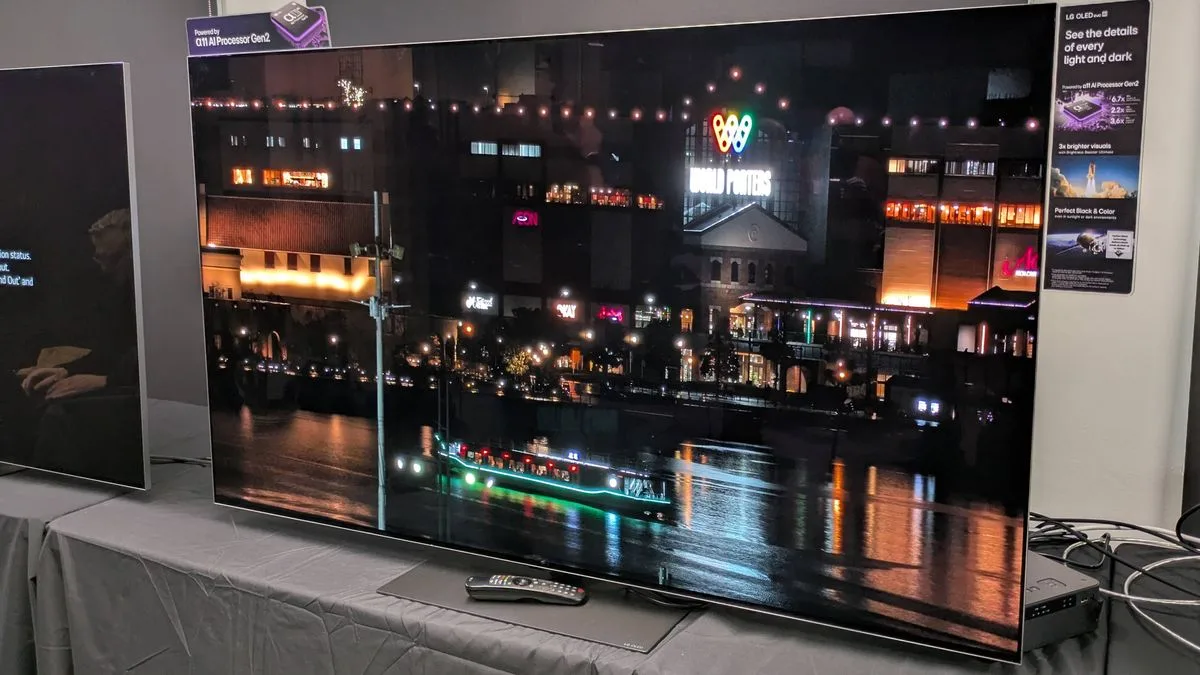
The release of the latest batch of TVs from LG and Samsung is imminent, and although we don’t have official release dates yet, I did get the opportunity to see some of LG’s latest sets in person – including its flagship OLED, the LG G5. After the LG G5’s reveal at CES 2025, one of the headline announcements – and what I described as its most anticipated upgrade – was a big claimed boost in its fullscreen brightness, an area that all of the best OLED TVs find challenging. The LG G4 was one of the best OLED TVs of 2024, earning a five star rating from us in our LG G4 review. It demonstrated spectacular color, stunning contrast and realistic textures and details, as well as pleasing levels of brightness. But, it’s unsurprising that the G4’s brightness, especially its fullscreen levels, still paled in comparison to the best mini-LED TVs, meaning the TVs are more prone to being overwhelmed by reflections. You may like So, when it was suggested by LG itself that there would be a 40% increase in fullscreen brightness between the G4 and G5, that caught my attention – this would mean the G5’s fullscreen brightness would be over 350 nits. Although still not in the same league as mini-LED TVs such as the Hisense U8N or Samsung QN90D, which both averaged around 600 nits of fullscreen brightness, it was still a significant boost over the average OLED, which have hovered closer to 200 nits for years. This would make the G5 a very viable OLED TV for daytime viewing in bright rooms, especially for sports and even gaming. Naturally then, I was excited to see just how the LG G5 looked in person and thankfully, I got to see it next to its predecessor to see just how bright it was. The tech that makes it possible The LG G5 (pictured second from left) is brighter than its predecessor the LG G4 (first on the left), with higher peak and fullscreen brightness. Second from right is the Samsung S95D, and far right is the Sony A95L. (Image credit: Al Griffin) Before I get into just how noticeable the difference between the G5 and G4 was, what is it that makes this brightness boost possible? Interestingly, it’s not micro lens array (MLA) (a layer comprising microscopic lenses that allowed for higher brightness) which was used in last year’s G4, but rather a new type of OLED panel that LG Display calls the META 3 ‘four-stack’ OLED. LG says this is what makes the brightness boost happen, in combination with processing from the G5’s Alpha A11 processor. Sign up for breaking news, reviews, opinion, top tech deals, and more. While I didn’t get a chance to see the LG G5 and LG G4 in every possible condition, I was able to see several video clips, and these alone were enough to show off the G5’s brightness increase over the G4. Looking at the LG G5 and LG G4 side-by-side, with both TVs set to Filmmaker Mode, the brightness difference was obvious, with the G5 showcasing a significant boost in brightness, not only in peak sections (small areas of the screen), but the overall fullscreen brightness. Watching a clip of a daytime chat show, the vividness of the studio backdrop showed just how much brighter the G5 was overall, and even the two people on screen had brighter skin tones and clothing that crucially were still accurate and never looked overblown or oversaturated. Even in darker scenes, the LG G5 (pictured) showed higher peak brightness on brighter objects such as lamps, shown here in a scene from Disney+’s A Thousand Blows, compared to the LG G4. (Image credit: Future) At one stage, a loop of a trailer from Disney+ show A Thousand Blows played and while the gritty, Victorian-London set series showcased the G5’s colors and contrast more, brighter tones within the scene from lamplight or fire were given a more lifelike look thanks to the boosted brightness from the four-stack OLED panel. Colors also had a brighter, more vibrant punch to them. One interesting scene was of a Japanese harbor at night, which again demonstrated the G5’s deep black levels. But throughout the scene were glossy neon signs that once again had more shine and vibrancy on the G5 compared to the G4, with the colors seeming to ‘pop’ more on the screen. This again showcased the G5’s contrast, with an excellent balance between the jet blacks of the background with the sheen of the neon signs. Even viewing standard test patterns, in black and white or grayscale, showed elevated whites on the G5 compared to the G4, while also showing a better balance between black and white tones, with a broad range of gray tones in between. While I wasn’t able to take any objective brightness measurements, I’m eager to see just what the brightness difference between the G4 and the G5 actually is when I can get my hands on the G5. When we measured the G4, it yielded brightness results in Filmmaker Mode of 1,489 nits and 257 nits in 10% (peak) and 100% (fullscreen) white window patterns. It’s clear the G5 has beaten this handily, but will it top a projected fullscreen brightness of 400 nits? I can’t wait to find out. You might also like

Posted on

SpaceX Successfully Deploys 21 Starlink Satellites, Loses Falcon 9 Booster

A Falcon 9 rocket carrying 21 Starlink satellites was launched by SpaceX from Cape Canaveral Space Force Station on March 2. Liftoff took place at 9:24 p.m. ET on March 3, with the mission including 13 satellites equipped with direct-to-cell capabilities. The first stage of the rocket successfully landed on the droneship “Just Read the Instructions” stationed approximately 400 kilometres off Florida’s coast. However, the booster, designated B1086, was lost shortly after landing due to damage sustained by one of its landing legs.

Booster Loss After Landing

According to SpaceX, a fire at the aft end of the booster resulted in structural damage, leading to its collapse. The incident occurred after the rocket had completed its return to Earth and made contact with the landing platform. Data from this failure will be examined to improve the reliability of future Falcon 9 missions, as stated in SpaceX’s official mission description.

Mission Details and Starlink Expansion

The deployment of the 21 satellites took place approximately 65 minutes after launch, marking another step in the expansion of SpaceX’s Starlink constellation. More than 7,000 operational Starlink satellites are currently in orbit, contributing to global broadband coverage.

This launch marked the Falcon 9 booster’s fifth and final flight. The B1086 had previously been used for three Starlink missions, as well as the GOES-U and Maxar 3 missions. SpaceX has completed 26 Falcon 9 missions in 2025, with 19 dedicated to Starlink. The company continues to advance its satellite network despite the loss of the booster in this mission.

For details of the latest launches and news from Samsung, Xiaomi, Realme, OnePlus, Oppo and other companies at the Mobile World Congress in Barcelona, visit our MWC 2025 hub.

Posted on

Sony Announces Unified Beta Testing Program for PS5 and PC Games, Console Features and More

Sony announced a beta testing program for PS5 and PC games and other PlayStation experiences on Tuesday. The initiative, dubbed Beta Program at PlayStation, will be a centralised platform for users to register for beta experiences across future PlayStation games, PS5 features, PlayStation app features and more. Registrations for the program are now live, and players can sign up to register their interest in any upcoming PlayStation betas.

Sony Launches New Beta Program

The Beta Program at PlayStation, revealed on the PlayStation Blog Tuesday, will offer a consolidated way for users to express their interest in various future beta experiences. While Sony has held individual beta tests for games and experiences on its platform in the past, the new program will bring a unified hub for beta testers. Users will only be required to register to the program once to receive beta access for games, console features and more.

“The Beta Program at PlayStation will create an easy, centralized place for you to register your interest in a range of future PlayStation betas,” the announcement said. “A single registration for Beta Program at PlayStation will allow you to express interest in gaining beta access to test participating games for the PS5 console and PC, new PS5 console features, PlayStation App features, and even user experience features on PlayStation.com.”

Once players sign up to the program, they can choose to participate in a specific beta if they receive an invitation. To register for the new beta program, players must have a valid PlayStation Network (PSN) account, live in a supported region and meet region-specific age requirements.

The Beta Program at PlayStation kicked off Tuesday and is free to join for eligible users. Interested players can sign up at playstation.com/beta-program-at-playstation/. It’s worth noting that just signing up for beta testing doesn’t guarantee an invite for a specific beta because of the sheer volume of players.

For details of the latest launches and news from Samsung, Xiaomi, Realme, OnePlus, Oppo and other companies at the Mobile World Congress in Barcelona, visit our MWC 2025 hub.

Posted on

Infinix Note 50X 5G India Launch Date Set for March 27; Design Officially Teased

Infinix Note 50X 5G will be introduced in India soon. The company has announced the launch date and teased the design of the upcoming handset. A live Flipkart microsite has confirmed its eventual availability on the e-commerce site. More details about the smartphone could be revealed in the days leading up to the launch. Notably, Infinix unveiled the base Note 50, the Note 50 Pro, and the Note 50 Pro+ in Indonesia earlier this week. The India launch of these variants has not yet been confirmed.

Infinix Note 50X 5G India Launch

The Infinix Note 50X 5G will launch in India on March 27, the company confirmed in a press release. The phone will come with an Active Halo light feature, which will light up for notifications, act as a selfie timer, show charging status, and create “a dynamic effect during game boot-up.”

In an image shared by the company, the Infinix Note 50X 5G appears with an octagonal ‘gem-cut’ camera module in a silver finish. It houses three sensors, an LED flash and an Active Halo unit. The camera island appears to be similar to that of the base Infinix Note 50. The Flipkart microsite suggests that several key features of the handset will be revealed in the upcoming days.

Notably, the Infinix Note 50X is expected to succeed the Infinix Note 40X 5G, which was unveiled in India in August 2024. The phone comes with a MediaTek Dimensity 6300 SoC, a 6.78-inch 120Hz full-HD+ screen and a 5,000mAh battery with 18W wired charging and reverse charging support. It carries a 108-megapixel triple rear camera unit and an 8-megapixel selfie shooter. The handset ships with Android 14-based XOS 14.

At launch, the Infinix Note 40X was priced in India at Rs. 14,999 for the 8GB + 256GB option, while the 12GB + 256GB variant cost Rs. 15,999. The anticipated Infinix Note 50X will likely be introduced in the country at a similar price range.

Affiliate links may be automatically generated – see our ethics statement for details.

For details of the latest launches and news from Samsung, Xiaomi, Realme, OnePlus, Oppo and other companies at the Mobile World Congress in Barcelona, visit our MWC 2025 hub.

Assassin’s Creed Shadows’ Main Story Is Reportedly 30-40 Hours Long

Posted on

Google’s March Pixel Drop Brings Gemini Live Upgrades, Scam Detection in Messages and More

Google on Tuesday rolled out the March Pixel Drop for compatible Pixel devices. As per the company, it is the first Pixel Drop of the year which introduces several new features. Gemini Live, the conversational artificial intelligence (AI) tool can now be spoken to in a combination of 45 languages. Further, there’s a new Suggestions feature in the Pixel Screenshots app, which as the name suggests, provides users with recommendations about the screenshots which they can add to their collection.

The quarterly update also includes additions to Pixel Studio, Pixel AI weather reports, Pixel Recorder, and Satellite SOS.

Pixel Drop for March: New Features

In a blog post, Google highlighted the new features arriving exclusively on Pixel devices as part of the March Pixel Drop. The company says Gemini Live gets enhanced conversation capabilities with expanded language support, enabling users to converse in a combination of over 45 languages without fidgeting with the settings. The conversational AI tool’s multimodal capabilities, which was introduced with the Pixel 9 series, is expanding to Pixel 6 and newer and Pixel Fold devices with the update. Users will be able to add images, files and YouTube videos to enhance search.

And in the coming weeks, Google will also roll out the ability to have conversations with Gemini Live via live video or screen sharing, leveraging Gemini Advanced.

In addition to suggestions, the Pixel Screenshots app is said to get support for work profiles. Meanwhile, users will be able to create unique images of people to share with their friends and family using simple text-based descriptions in Pixel Studio. Another new feature is Connected Cameras. As per Google, it lets Pixel users connect their phones to another camera, be it a GoPro or another Pixel device. All of their cameras can then be used to stream on social media platforms from different angles.

With the March Pixel Drop, Google will expand the availability of Pixel Screenshots, Pixel Studio, Pixel AI weather reports and Pollen tracker in the Weather app to Japan and Germany. Japanese speakers can now also access AI-powered summaries in the Recorder app.

Another key addition with the quarterly update is Scam Detection in Messages on Pixel. The feature leverages on-device AI to analyse conversational text patterns, identify and flag those associated with scams, and provide users with a warning in real-time. Further, the company is also expanding Satellite SOS to Hawaii, Alaska, Europe and Canada, enabling users to contact emergency services in dire situations where cellular or Wi-Fi networks are unavailable.

Google says Pixel users can now use Find My Device network to share their live location with their family and friends for keeping a track of them when on the move. Meanwhile, the Dual Screen Preview feature on the Pixel Fold supports video recording too. As per the company, Pixel 9 Pro Fold users can now take advantage of Add Me with Dual Screen Preview features.

Pixel Watch Updates

Google’s Loss of Pulse Detection feature, introduced with the Pixel Watch 3, is said to have received Food and Drug Administration (FDA) clearance in the US and thus, will be rolling out to users beginning at the end of this month. The company says this feature can detect the lack of a pulse due to various factors such as pulmonary cardiac arrest, respiratory or circulatory failure, overdose or poisoning, and automatically contact emergency services on the wearer’s behalf.

Meanwhile, the update also adds on-device menstrual tracking to Pixel Watch 3. The smartwatch is also said to benefit from more precise step tracking which can detect when a user deviates from their typical walking pattern. Further, the Auto-bedtime Mode, launched with Pixel Watch 3, is now expanding to Pixel Watch 2.

For details of the latest launches and news from Samsung, Xiaomi, Realme, OnePlus, Oppo and other companies at the Mobile World Congress in Barcelona, visit our MWC 2025 hub.

Posted on

It’s no dud, but this cheap Bose soundbar I reviewed felt a little outdated for this one reason

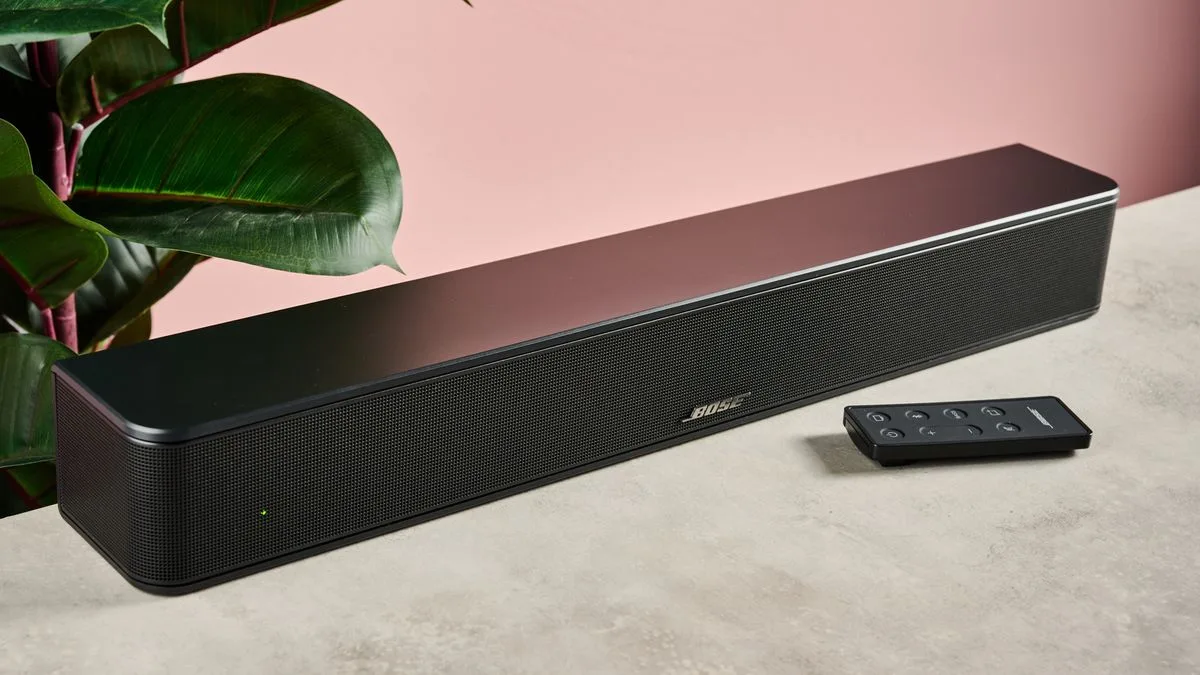
Why you can trust TechRadar We spend hours testing every product or service we review, so you can be sure you’re buying the best. Find out more about how we test. Bose Solo Soundbar 2 review The Bose Solo Soundbar 2 is a diminutive yet powerful 2.0 channel soundbar that sets out to take your viewing experiences to the next level. With a list price of $199 / £179.95 / AU$359.95, it’s certainly on the affordable side for Bose – but there are a lot of budget soundbar competitors doing their thing for even less. So, is the Bose Solo Soundbar 2 hot enough to compete in a fiery market? Well, before we jump to any conclusions, let’s talk about setup. Getting the Bose Solo Soundbar 2 hooked up to your TV is easy enough. It comes with a digital optical cable and an AC adapter that you can plug in for instant access to Bose soundbar goodness. Alternatively, you can use coaxial or AUX connections, but as is often the case, the cables for this aren’t included in the box. But although setup is straightforward, you’ve probably picked up on a standout omission. That’s right: there’s no HDMI here. Now don’t get me wrong, I understand this isn’t the newest model on the market – specifically, the Bose Solo Soundbar 2 was released in 2021. But still, by then, I’d expect a soundbar at this price point to have HDMI ARC as a connectivity option. It’s an absolute must to qualify as one of the best cheap soundbars. You may like (Image credit: Future) The lack of HDMI means you won’t be able to adjust the soundbar’s volume with your usual TV remote – instead you’ll have to use the included separate remote. I also typically find digital optical cables to be more fiddly and awkward than larger, easier-to-handle HDMI cables. One final note on HDMI: without it, you’re going to be locked out of fancy audio features like Dolby Atmos and DTS:X – something that doesn’t always work out with small, cheap soundbars – but that’s worth noting if you’re expecting truly immersive three-dimensional audio. So, look, the Bose Solo Soundbar 2 and I didn’t get off on the best foot. But I wasn’t going to write it off without a good listen and test session first. And I’m glad to report that the sound quality on offer is a major redeeming factor. I tried watching the movie Smile on Netflix and found that the dialogue was clear and natural-sounding when two women conversed in an isolated room. At one point during this exchange, tensions flare as one woman falls to the floor – and imposing bass ripples through the scene. I felt that the low-end power on offer was substantial for a small soundbar like this. It grabbed me instantly and filled our medium-sized TV testing room effectively. Some of the lowest notes sounded a touch thin, however. (Image credit: Future) I threw on The Matrix and during the famous rooftop showdown scene, deeper bass didn’t have that rumble you’d get from more premium models, especially those with a standalone subwoofer. But given a lot of cheap, standalone soundbars struggle with bass, this can be forgiven – low-end output remains steady. I would say, however, that there was pretty limited width to the soundstage, perhaps accentuated by this soundbar’s small size. So when watching epic movies such as this, don’t expect that room-filling, immersive surround sound that more talented standalone soundbars, like the Sony HT-S2000 can imitate pretty effectively. It’s also worth noting that you can raise (or lower) bass levels to your liking using the Solo Soundbar 2’s remote. That’s something that even some fantastic budget rivals, like the Sony HT-SF150, skip on. And although this model will still struggle to hit those super-low depth notes, the bass controls still work nicely and provide some much-needed weight to blockbuster movie soundtracks and gaming scores. (Image credit: Future) Enough about bass, though. I’d like to loop back around to dialogue. This is generally quite crisp, but you can improve things further by activating Dialogue Mode. The most noticeable effect here is that volume is given a substantial boost. But I tried watching a scene in Smile where four characters were chatting in a busy outdoor seating area and the difference was considerable. With Dialogue Mode on, the characters of interest had their speech lifted a layer above, relegating background chatter to… well, the background. When listening to the Kermode & Mayo’s Take podcast in Dialogue Mode, I certainly felt satisfied with the crispness and forwardness of the hosts’ vocals. So, if you’re fed up of turning subtitles on to understand what’s being said in your favorite movies or TV shows, the Bose Solo Soundbar 2 will certainly supply a way out of that life. Even some of the best small TVs, for example, tend to have limited audio capabilities, so if you own one of those, the mini, solid-sounding Solo Soundbar 2 could be right for you. Especially if you’ve used up all of your HDMI ports. Sound rarely gets harsh or abrasive, even at higher volumes. And this thing can get pretty loud, thanks to its maximum power output of 100W. Not bad for a small lil’ fella. The only time I felt sound quality took a significant dive was when I played some music over Bluetooth. For instance, I blasted Electric Tooth Brush by Toronto and was met with an almost ‘boxed-in’ sound and bass didn’t have the thump I’d usually look for. Similarly when tuning into Black Eye by Allie X, the soundbar lacked the dynamism required to faithfully replicate the track – especially as the bouncing bass running throughout the track sounded a touch flat. (Image credit: Future) Having said that, music didn’t sound tinny or horrible and vocals in Black Eye were certainly clear enough. I just wouldn’t recommend using this as your main way to stream music at home, especially when there are some excellent options to pick from in our guide to the best Bluetooth speakers. Something I did like about the Solo Soundbar 2, though, is its design. It’s a fairly attractive mini bar with a classy black speaker grille and famous Bose logo imprinted front and centre. OK, it’s a little plasticky – but that’s to be expected at this price point. And the included remote is pleasingly slim and sleek, which adds a few more style points anyway. Of course, the soundbar’s compact size can limit the expansiveness of audio, but in terms of practicality, it doesn’t get a whole lot better. All in all, the Bose Solo Soundbar 2 is a decent, small-sized option if you’re looking to upgrade your TV’s underwhelming audio. It sounds surprisingly powerful and looks pretty sweet too. And if you’re all out of HDMI slots, then it might be worth a look. But in my view, it’s not the best value for money option, let alone the best quality one in its class. You can get the Hisense HS214 – a cheaper, more modern, HDMI-ready mini bar if you’re short on space. You could even grab the Panasonic SC-HTB100 if you want clear audio with a bit more width. And both of these alternatives are considerably cheaper than the Solo Soundbar 2, so make sure to weigh up your options before pulling the trigger on a purchase. Speaking of options, you can check out our list of the best soundbars if you want a best-in-class soundbar for truly cinematic sound. (Image credit: Future) Bose Solo Soundbar 2 review: Price and release date $199 / £179.95 / AU$359.95 Launched in 2021 The Bose Solo Soundbar 2 (sometimes stylised ‘Bose Solo Soundbar Series II’) released in 2021 with a list price of $199 / £179.95 / AU$359.95. Now, a few years later, you can often find it at a discounted price. For instance, I spotted this model for less than £150 directly through the Bose UK website, so keep your eyes peeled for a tasty price drop. Bose Solo Soundbar 2 review: Specs Swipe to scroll horizontally Dimensions 2.8 x 21.6 x 3.4 inches / 71 x 549 x 86mm Speaker channels 2.0 Connections Digital optical, coaxial, AUX, Bluetooth 4.0 Dolby Atmos / DTS:X No / No Sub included No Rear speakers included No (Image credit: Future) Should I buy the Bose Solo Soundbar 2? Swipe to scroll horizontally Attributes Notes Rating Features Bass controls, dialogue mode, Bluetooth, lacks surround sound features. 4/5 Audio performance Clear but not expansive audio, decently powerful, low bass not perfect. 3.5/5 Design Diminutive, decently attractive design, neat remote. 4/5 Setup and usability No HDMI is a real blow, but still easy enough to set up, responsive. 3.5/5 Value Not too expensive but there are too many strong, significantly cheaper rivals. 3/5 Buy it if… Don’t buy it if… Bose Solo Soundbar 2 review: Also consider Swipe to scroll horizontally Header Cell – Column 0 Bose Solo Soundbar 2 Sony HT-SF150 Hisense HS214 Price $199 / £179.95 / AU$359.95 $129 / £99 / AU$194 $99 / £79 (about AU$160) Dimensions 2.8 x 21.6 x 3.4 inches / 71 x 549 x 86mm 35.4 x 2.5 x 3.5 inches / 900 x 64 x 88mm 25.6 x 3.7 x 2.3 inches / 650 x 95 x 58mm Speaker channels 2.0 2.0 2.1 Connections Digital optical, coaxial, AUX, Bluetooth 4.0 HDMI, digital optical, USB, Bluetooth 4.2 HDMI ARC, digital optical, AUX, USB, coaxial, Bluetooth 4.2 Dolby Atmos / DTS:X No / No No / No No (but includes built-in woofer) Sub included No No No Rear speakers included No No No Bose Solo Soundbar 2 review: How I tested Tested across one week Used in our TV testing space at Future Labs Connected up using the soundbar’s digital optical port I spent hours testing the Bose Solo Soundbar 2 at our TV testing space at Future Labs. During this time, I used the digital optical connectivity option and hooked the Solo Soundbar 2 up to the excellent Panasonic MZ1500 TV. For my tests, I viewed a variety of TV shows, videos and movies – mainly using streaming services like Netflix and YouTube. In addition, I connected the Samsung Galaxy S24 FE to the soundbar to assess audio quality over Bluetooth. I made sure to play tracks from the TechRadar testing playlist as well as my own personal library to judge the capabilities of the soundbar’s Bluetooth mode. First reviewed: February 2025 Read more about how we test

Posted on

Tecno Camon 40 Series With One-Tap Button Unveiled at MWC 2025

Tecno unveiled its Camon 40 series of smartphones at the Mobile World Congress (MWC) 2025 in Barcelona. The lineup includes the Tecno Camon 40, Camon 40 Pro, Camon 40 Pro 5G, and Camon 40 Premier 5G. The phones come with a new One-Tap Button and 50-megapixel selfie shooters. They are equipped with Tecno AI, which includes several AI-backed imaging and productivity features. The handsets are expected to be available for purchase in select global markets soon.

Tecno Camon 40 Series Unveiled

In a press release, the company confirmed that the Tecno Camon 40 series phones are equipped with MediaTek Dimensity Ultimate processors. The Tecno Camon 40 Premier 5G is powered by a MediaTek Dimensity 8350 Ultimate AI SoC. It is said to be the first ever handset to get this chipset. The series supports 12GB of RAM and 256GB of onboard storage,

The Tecno Camon 40 Premier 5G, along with the Camon 40 Pro and Camon 40 Pro 5G handsets, arrives with Corning Gorilla Glass 7i protection. They are claimed to meet the IP68 and IP69 dust and water resistance ratings. They carry TÜV Rheinland certifications and are said to offer 72-month lag-free performance. Meanwhile, the vanilla Tecno Camon 40 is said to get an IP66-rated build against dust and water ingress.

All variants of the Tecno Camon 40 series have AMOLED displays. They also carry stereo dual speaker units with Dolby Atmos audio. The top-of-the-line Premier 5G variant is backed by a 5,100mAh battery with 70W wired fast charging support. For optics, all handsets are equipped with 50-megapixel selfie shooters. The One-Tap Button paired with the AI-backed FlashSnap mode allows users to capture images instantly, without considerable lags. 

The Tecno Camon 40 Premier 5G, with a swan-neck curve design, comes with a 50-megapixel Sony LYT-701 sensor, which is said to collect 56.25 percent more light than other competing sensors, ensuring better night photography results. The handset’s camera setup includes a 50-megapixel ultrawide angle shooter and a 50-megapixel periscope telephoto camera at the back. It has a 50-megapixel front camera sensor with auto focus for selfies and video calls as well. It can capture 4K 60fps Pre-ISP videos at night or in low light conditions thanks to an “independent imaging chip.”

The AI features in the Tecno Camon 40 series phones include AI Eraser 2.0, AIGC Portrait 2.0, AI Perfect Face, AI Sharpness Plus, AI Image Extender, Universal Tone, AI Writing, and AI Translate. The Ella AI Assistant is said to help users with scheduling, navigation, and image recognition. The handsets support Google’s Circle to Search feature and an AI Call Assistant with Call Translation and Call Summary tools. 

The company has not yet revealed the price and availability details for the Tecno Camon 40 series handsets. However, their other key specifications are expected to be revealed soon.

For details of the latest launches and news from Samsung, Xiaomi, Realme, OnePlus, Oppo and other companies at the Mobile World Congress in Barcelona, visit our MWC 2025 hub.

Posted on

Apple Refreshes iPad Air With M3 Chip, 11th Generation iPad Arrives With A16 Bionic Chip

Apple launched the iPad Air (2025) on Tuesday as a refreshed version of the iPad Air that was introduced last year. The new iPad Air model is equipped with Apple’s M3 chip and is available in 11-inch and 13-inch sizes. Meanwhile, the company introduced the 11th generation iPad (2025), equipped with the A16 Bionic chip — storage now starts at 128GB for the entry-level iPad. Apple also launched a revamped Magic Keyboard for the new iPad Air with a larger trackpad and a 14-key function row and a USB Type-C port for charging.

iPad Air (2025), iPad (2025) Price in India and Availability

iPad Air (2025) price in India starts at Rs. 59,900 for the 11-inch Wi-Fi model, while the Wi-Fi + Cellular variant begins at Rs. 74,900. The 13-inch model is available in Wi-Fi and Wi-Fi + Cellular options that are priced at Rs. 79,900 and Rs. 94,900, respectively. It will be sold in Blue, Purple, Space Grey, and Starlight colour options.

On the other hand, pricing for the iPad (2025) with Wi-Fi connectivity begins at Rs. 34,900, while the Wi-Fi + Cellular variant starts at Rs. 49,900. The tablet will go on sale in Blue, Pink, Silver, and Yellow colourways.

Pre-orders for the iPad Air (2025) and iPad (2025) begin today and the tablets will do on sale on March 12. The Magic Keyboard for the iPad Air (2025) will be sold in 11-inch and 13-inch variants that cost Rs. 26,900 and Rs. 29,900, respectively. The Magic Keyboard Folio for the iPad (2025) is priced at Rs. 24,900.

iPad Air (2025) Specifications

Apple’s M3 chip is the most notable hardware upgrade introduced by the company on the iPad Air (2025). It is claimed to be around twice as fast as the M1-powered iPad Air, and runs on iPadOS 18 with support for Apple Intelligence features. The company says the M3 chip also delivers improved graphics performance with support for hardware-accelerated ray tracing, mesh shading, and dynamic caching.

ipad air 2025 apple inline ipad air 2025

iPad Air (2025) is equipped with an Apple’s M3 chip
Photo Credit: Apple

Like its predecessor that was introduced last year, the new iPad Air is equipped with a Liquid Retina LCD screen, in 11-inch (2,360×1,640 pixels) and 13-inch (2,732×2,048 pixels) display options. It has a 12-megapixel wide rear camera with an f/1.8 aperture. On the front, it is equipped with a 12-megapixel Center Stage camera with an f/2.0 aperture.

Both the 11-inch and 13-inch iPad Air (2025) versions are available in Wi-Fi and WiFi + Cellular variants. Connectivity options include Wi-Fi 6E and Bluetooth 5.3, while the Wi-Fi + Cellular options include support for GPS, 5G and 4G LTE networks. It is equipped with a three-axis gyroscope, accelerometer, barometer, ambient light sensor and a fingerprint sensor that handles Touch ID.

The iPad Air (2025) is equipped with a USB Type-C port. The 11-inch model packs a 28.93Wh battery, while the 13-inch variant has a 36.59Wh battery. Apple says the new iPad offers up to 10 hours (Wi-Fi) and 9 hours (Wi-Fi + Cellular) of battery life when watching video.

iPad (2025) Specifications

Apple’s new iPad (2025) is equipped with the A16 Bionic chip that was first introduced in September 2022. The company says that the new model will offer a 30 percent jump in performance over the previous entry-level iPad that featured an A14 Bionic processor. It also runs on iPadOS 18, but doesn’t offer support for Apple Intelligence features.

ipad 2025 apple inline ipad 2025

iPad (2025) is availalable with 128GB of storage as default
Photo Credit: Apple

Aside from the updated processor, the iPad (2025) now has 128GB of storage as default — its predecessor started at 64GB. The new model features the same 12-megapixel (f/1.8) rear camera and a 12-megapixel front-facing Center Stage camera (f/2.4) as the iPad (2022).

Similarly, the network connectivity options on the iPad (2025) are the same as the model launched three years ago. You get support for Wi-Fi 6E and Bluetooth 5.3, while the Wi-Fi + Cellular options include support for GPS, 5G and 4G LTE networks.

The iPad (2025) is equipped with a three-axis gyroscope, accelerometer, barometer, and ambient light sensor. It has a fingerprint sensor for biometric authentication. Apple says the 11th generation iPad packs a 28.93Wh battery that is claimed to offer up to 10 hours and 9 hours of battery life while watching video on the Wi-Fi and Wi-Fi + Cellular variants, respectively.

For details of the latest launches and news from Samsung, Xiaomi, Realme, OnePlus, Oppo and other companies at the Mobile World Congress in Barcelona, visit our MWC 2025 hub.