Posted on

Your recent LG OLED TV is about to get a great free upgrade – earlier than expected

The

LG
C3
and

LG
G3
TVs
are
getting
an
upgrade
to
their
smart
TV

operating
system,
which
is
rolling
out
now

earlier
than
the
2025
window
it
was
originally
scheduled
for.
The
‘webOS
24’
update
brings
several
new
features
that
first
appeared
on

LG’s
2024
TVs
(picture
above).

The
new
software
is
appearing
on
some
C3
and
G3
TVs
now,
but
as

FlatpanelsHD
notes,
you
don’t
need
to
panic
if
it
hasn’t
appeared
on
your
TV
yet

it
can
take
a
few
days
to
appear
on
all
TVs.
If
you
have
a
different
LG
TV
from
2023,
including
the

LG
B3,
you
should
still
expect
to
get
this
update,
but
it
seems
as
though
the
more
premium

OLED
TVs
are
the
lucky
first
few.

LG
has
committed
to
offering
5
years
of
upgrades
to
its
webOS
TVs,
with
the
upgrades
arriving
one
year
behind
the
next
version.
The
stated
plan
was
for
2023
TVs
to
be
given
the
upgrades
that
first
appeared
in
2024’s
TVs
(including
the

LG
C4)
during
2025.
LG’s
jumped
the
gun
on
that
one,
but
I’m
not
complaining
to
any
improvement
to
the

best
OLED
TVs.

2022’s
TVs,
including
the

LG
C2,
will
receive
an
upgrade
to
2023’s
software
during
2025,
following
this
same
rule.
It’s
always
one
step
back.

Here
are
the
four
key
new
features
of
this
update,
according
to
LG:

Chromecast
built-in:
Now
you
can
enjoy
your
mobile
content
on
the
big
screen
without
additional
devices.

Voice
ID:
Recognize
your
voice
to
automatically
sign
in
and
deliver
personalized
services.

Sports
Portal:
View
your
favorite
sports
team’s
game
schedule,
scores,
and
odds
all
at
once.

Chatbot:
Easily
resolve
issues
through
dialogue.

When

we
first
tested
this
new
version
of
webOS,
we
called
out
the
Sports
Portal
and
accessibility
features
(including
the

chatbot)
as
being
among
its
best
changes,
so
it’s
nice
to
see
them
coming
to
more
sets.

The
chatbot
has
felt
like
a
work-in-progress,
but
the
general
principle
of
being
able
to
just
ask
the
TV
why
your
picture
doesn’t
look
right
and
have
it
point
you
to
the
options
that
could
fix
it.
That’s
instead
of
you
being
expected
to
know
what
menu
to
hunt
through,
which
is
clearly
a
good
idea.

Sign
up
for
breaking
news,
reviews,
opinion,
top
tech
deals,
and
more.

This
is
the
first
time
we’re
seeing
the
fruits
of
LG’s
plans
to
consistently
upgrades
its
sets,
and
it
could
definitely
be
something
that
helps
put
its
models
in
our
list
of
the

best
TVs,
because
it
adds
to
their
long-term
value.

Samsung
has
recently
announced
that
its
TVs
will
get
seven
years
of
updates
(beating
the
five
of
LG),
so
LG’s
push
to
be
first
with
this
kind
of
promise
has
already
helped
improve
things
for
buyers
of
other
brands
too.

You
might
also
like

Posted on

OnePlus, BOE, and Oppo to Unveil New OLED Display With DisplayMate A++ Rating on October 15


OnePlus
13

will
soon
hit
shelves
in
China
with
major
upgrades
over
the
OnePlus
12.
To
build
hype
around
the
launch,
the
Chinese
smartphone
brand
is
sharing
numerous
teasers
about
the
upcoming
phone
on
the
Web.
The
OnePlus
13
is
confirmed
to
feature
a
brand-new
X2
panel
from
BOE.
OnePlus
and
its
sister
company

Oppo

have
partnered
up
with
BOE
for
the
new
screen.
The
panel
has
supposedly
received
the
DisplayMate
A++
certification.
Oppo’s
Find
X8
is
also
expected
to
feature
the
same
display
panels.

OnePlus
13
Will
Utilise
New
BOE
Display

In
a
Weibo
post,
OnePlus

announced

that
it
will
unveil
a
new
display
in
partnership
with
BOE
on
October
15
at
2:00pm
(11:30am
IST).
The
latest
second-generation
Oriental
screen
has
supposedly
grabbed
DisplayMate
A++
certification
for
mobile
phone
screens.

OnePlus

claims
that
it
is
the
world’s
first
device
to
get
this
rating.
It
is
also
said
to
have
set
21
DisplayMate
records.
This
OLED
display
will
debut
in
OnePlus
13.

The
teaser
poster
shared
by
OnePlus
suggests
that
its
sister
firm
Oppo
will
be
part
of
the
announcement.
The
new
display
is
confirmed
to
bring
enhanced
brightness,
efficiency,
and
eye
protection.

OnePlus
13
Specifications
(Rumoured)

As
per
past
rumours,
Oppo’s
Find
X8,
which
is
set
to
launch
on
October
24,
will
also
feature
a
new
X2
Oriental
screen.
The
OnePlus
13
is
expected
to
feature
a
quad-curved
6.82-inch
LTPO
OLED
display
with
QHD+
resolution
and
up
to
120Hz
refresh
rate.
The

OnePlus
12’s

X1
Oriental
screen
offers
4,500nits
peak
brightness
so
we
can
expect
the
OnePlus
13’s
display
to
outperform
this
brightness
level.

On
top
of
that,
the
OnePlus
13
will

presumably

run
on
Snapdragon
8
Gen
4
chipset.
it
is
said
to
pack
up
to
24GB
of
RAM
and
up
to
1TB
of
onboard
storage.
It
could
get
a
triple
rear
camera
system,
comprising
a
50-megapixel
LYT-808
main
camera,
a
50-megapixel
ultra-wide
sensor,
and
a
50-megapixel
periscope
telephoto
shooter
with
3x
optical
zoom.


Affiliate
links
may
be
automatically
generated

see
our

ethics
statement

for
details.
Posted on

Google’s 67-Qubit Sycamore Quantum Computer Could Beat Top Supercomputers: Study

Recent
advancements
in
quantum
computing
have
revealed
that
Google’s
67-qubit
Sycamore
processor
can
outperform
the
fastest
classical

supercomputers
.
This
breakthrough,
detailed
in
a
study
published
in
Nature
on
October
9,
2024,
indicates
a
new
phase
in
quantum
computation
known
as
the
“weak
noise
phase.”

Understanding
the
Weak
Noise
Phase

The
research,
spearheaded
by
Alexis
Morvan
at
Google
Quantum
AI,
demonstrates
how
quantum
processors
can
enter
this
stable
computationally
complex
phase.
During
this
phase,
the
Sycamore
chip
is
capable
of
executing
calculations
that
exceed
the
performance
capabilities
of
traditional
supercomputers.
According
to
Google
representatives,
this
discovery
represents
a
significant
step
towards
real-world
applications
for
quantum
technology
that
cannot
be
replicated
by
classical
computers.

The
Role
of
Qubits
in
Quantum
Computing


Quantum
computers

leverage
qubits,
which
harness
the
principles
of
quantum
mechanics
to
perform
calculations
in
parallel.
This
contrasts
sharply
with
classical
computing,
where
bits
process
information
sequentially.
The
exponential
power
of
qubits
allows
quantum
machines
to
solve
problems
in
seconds
that
would
take
classical
computers
thousands
of
years.
However,
qubits
are
highly
sensitive
to
interference,
leading
to
a
higher
failure
rate;
for
instance,
around
1
in
100
qubits
may
fail,
compared
to
an
incredibly
low
failure
rate
of
1
in
a
billion
billion
bits
in
classical
systems.

Overcoming
Challenges:
Noise
and
Error
Correction

Despite
the
potential,
quantum
computing
faces
significant
challenges,
primarily
the
noise
that
affects
qubit
performance.
To
achieve
“quantum
supremacy,”
effective
error
correction
methods
are
necessary,
especially
as
the
number
of
qubits
increases,
as
per
a
LiveScience

report
.
Currently,
the
largest
quantum
machines
have
around
1,000
qubits,
and
scaling
up
presents
complex
technical
hurdles.

The
Experiment:
Random
Circuit
Sampling

In
the
recent
experiment,
Google

researchers

employed
a
technique
called
random
circuit
sampling
(RCS)
to
evaluate
the
performance
of
a
two-dimensional
grid
of
superconducting
qubits.
RCS
serves
as
a
benchmark
to
compare
the
capabilities
of
quantum
computers
against
classical
supercomputers
and
is
regarded
as
one
of
the
most
challenging
benchmarks
in
quantum
computing.

The
findings
indicated
that
by
manipulating
noise
levels
and
controlling
quantum
correlations,
the
researchers
could
transition
qubits
into
the
“weak
noise
phase.”
In
this
state,
the
computations
became
sufficiently
complex,
demonstrating
that
the
Sycamore
chip
could
outperform
classical
systems.

Posted on

Ericsson Said to Have Bagged New 5G Contract from India’s Bharti Airtel

Swedish
telecom
gear
maker
Ericsson
has
received
a
new
multi-billion
dollar
contract
for
selling
5G
equipment
from
India’s
Bharti
Airtel,
two
sources
familiar
with
the
matter
said.

This
comes
after

Ericsson
 got
part
of
a
$3.6
billion
(roughly
Rs. 30,259
crore)
contract
last
month
for
selling

5G
equipment

to
India’s
Vodafone
Idea.
It
shared
the
contract
with
Nokia
and
Samsung.

The
new
contracts
are
expected
to
boost
Ericsson’s
revenue
next
year
after
seeing
a
big
fall
in
contracts
from
India
in
the
first
half
of
the
year.

Sales
in
Southeast
Asia,
Oceania,
and
India
had
decreased
by
44
percent
in
the
second
quarter.
Ericsson
will
announce
its
third-quarter
results
on
Tuesday.

Much
of
the
deployment
is
likely
to
happen
next
year,
according
to
one
source
familiar
with
the
matter.

Ericsson
declined
to
comment.

Airtel
 did
not
immediately
respond
to
a
request
for
comment.

Shares
in
Ericsson
rose
as
much
as
1.8
percent
after
the
Reuters
story.

Demand
from
the
Indian
5G
market
started
to
skyrocket
in
2023,
when
sales
from
the
region
grew
as
much
as
five
times,
as
Airtel
and

Jio
,
the
telecoms
unit
of
Indian
conglomerate
Reliance
Industries,
started
to
scale
up
5G
services.

That
demand
cushioned
a
slowdown
in
revenue
from
Ericsson’s
main
US
market
where
telecom
operators
have
been
lowering
spending.

Global
telecom
equipment
revenue
had
dropped
16
percent
year-over-year
in
the
second
quarter,
recording
a
fourth
consecutive
quarter
of
double-digit
contractions,
according
to
research
firm
Dell’Oro.


©
Thomson
Reuters
2024


(This
story
has
not
been
edited
by
NDTV
staff
and
is
auto-generated
from
a
syndicated
feed.)

Posted on

Google Pixel 9 Pro Pre-Orders to Start in India on October 17: Price, Specifications

Google
Pixel
9
Pro
was
launched
alongside
the Google
Pixel
9
,

Pixel
9
Pro
XL
,
and

Pixel
9
Pro
Fold
 in
August
this
year.
While
the
Pro
variant
did
not
go
on
sale
in
India
at
the
time,
it
will
now
finally
be
available
for
pre-orders
later
this
week
in
the
country.
The
price
and
colour
options
of
the
phone
had
previously
been
confirmed
by
the
California-based
tech
giant.
The
Pixel
9
Pro
is
powered
by
a
Tensor
G4
SoC
alongside
a
Titan
M2
security
chipset
and
ships
with
Android
14.

Google
Pixel
9
Pro
Pre-Order
in
India


Google
Pixel
9
Pro

price
in
India
is
set
at
Rs.
1,09,999
for
the
16GB
+
256GB
option,
the
company

revealed

previously.
Now,
a
Flipkart
banner

confirms

that
the
phone
will
be
available
for
pre-orders
in
the
country
starting
October
17
at
12pm
IST.
It
will
be
offered
in Hazel,
Porcelain,
Rose
Quartz,
and
Obsidian
colourways,
similar
to
the
Pixel
9
Pro
XL
variant.pixel 9 pro google india pre order inline 9 pro

Google
Pixel
9
Pro
Specifications,
Features

The Google
Pixel
9
Pro
sports
a 6.3-inch
1.5K
(1,280
x
2,856
pixels)
SuperActua
(LTPO)
OLED
display
with
up
to
120Hz
refresh
rate
and up
to
3,000
nits
of
peak
brightness
level.
It
is
powered
by
the
Tensor
G4
SoC
alongside
a
Titan
M2
security
chipset
and
runs
on
Android
14
out-of-the-box. 

For
optics,
the
Google
Pixel
9
Pro
carries
a
triple
rear
camera
unit,
including
a
50-megapixel
primary
sensor,
a
48-megapixel
ultrawide
shooter,
and
another
48-megapixel
periscope
telephoto
camera
with
5x
optical
zoom.
It
gets
a
42-megapixel
from
camera
for
selfies
and
video
calls.

The
Google
Pixel
9
Pro
packs
a
4,700mAh
battery
with 45W
wired
as
well
as
Qi
wireless
charging
support.
It
comes
with
an
IP68-rated
build
for
dust
and
water
resistance.
Connectivity
options
include
Wi-Fi
6,
Bluetooth
5.3,
NFC,
Google
Cast,
GPS,
Dual
Band
GNSS,
BeiDou,
GLONASS,
Galileo,
QZSS,
NavIC,
and
a
USB
Type-C
port.


Affiliate
links
may
be
automatically
generated

see
our

ethics
statement

for
details.
Posted on

Beats Solo 4 Review: Good Audio Quality, But Expensive


Beats
Solo
4

was
launched
earlier
this
year,
and
the
company’s
latest
on-ear
headphones
made
their
way
to
India
in
August.
They
are
equipped
with
audio
features
found
on
more
expensive
wireless
headphones
from
Apple,
including
spatial
audio
with
dynamic
head
tracking
and
support
for
lossless
audio,
but
lack
support
for
active
noise
cancellation
(ANC).
The
headphones
are
compatible
with
iOS
and
Android
devices
and
feature
a
standard
USB
Type-C
port
for
charging.
The
Beats
Solo
4
competes
with
similarly
priced
headphones
from
Bose
and
Sony.

Pricing
for
the
Beats
Solo
4
is
set
at
Rs.
22,900
in
India.
It
is
sold
in
three
colourways

Cloud
Pink,
Matte
Black,
and
Slate
Blue
(the
company
sent
us
this
variant
for
review)

via
the
company’s
online
store
and
authorised
retailers
in
the
country.

Beats
Solo
4
Design:
Lightweight
and
Comfortable

  • Dimensions

    177x158x6.8mm
  • Weight

    217g

These
over-the-ear
headphones
are
mostly
made
of
plastic
and
appear
quite
similar
to
previous
generation
models,
aside
from
the
more
pastel-like
colours
that
give
them
a
slightly
less
edgy
look.
This
also
means
they’re
pretty
light
to
wear
for
extended
periods,
even
though
you
can
feel
them
on
your
head.
The
earpads
don’t
appear
to
be
user-replaceable,
which
is
unfortunate.


beats solo 4 review ndtv design Beats Solo 4

Beats
Solo
4
features
a
familiar
design

Like
its
predecessors,
the
Beats
Solo
4
has
the
company’s
logo
embossed
on
both
earcups.
There’s
a
small
‘4′
on
the
right
side
of
the
adjustable
headband,
while
the
inside
of
the
headband
contains
more
text
related
to
regulatory
information
(right)
and
a
left
ear
indicator

none
of
these
are
visible
when
you’re
wearing
the
headphones.

The
headphones
ship
with
a
carrying
pouch
that
is
slightly
cushioned,
along
with
a
3.5mm
audio
cable
and
a
USB
Type-C
to
Type-C
cable
that
can
be
used
for
lossless
audio
playback
or
to
charge
the
headphones.
You’ll
need
to
purchase
a
power
adapter
separately,
though.

I
have
a
fairly
long
head
and
wear
spectacles,
but
the
Beats
Solo
4
felt
comfortable
even
after
wearing
them
for
a
few
hours
at
a
time.
However,
headphone
fitting
can
vary
from
person
to
person,
so
it’s
best
to
try
these
out
at
a
store
to
make
sure
they
feel
comfortable
on
your
head.

Beats
Solo
4
Software:
Gets
the
Job
Done

  • Software
    platforms

    iOS,
    Android
  • Customisable
    controls

    Call
    management,
    media
    playback,
    mute/
    unmute,
    volume
    controls

Like
the
Beats
Studio
Buds+
and
the
Beats
Solo
Buds,
these
wireless
headphones
work
with
Android
smartphones
and
most
of
Apple’s
devices.
You’ll
have
to
download
the
Beats
companion
app
on
the
former,
while
the
same
controls
are
baked
into
the
settings
app
on
iPhone,
iPad,
and
Mac
computers.


beats solo 4 review ndtv software Beats Solo 4

You
can
customise
various
Beats
Solo
4
settings
on
Apple
devices
as
well
as
Android
smartphones

You
get
support
for
Google’s
Fast
Pair
service
on
Android
and
Fast
Pair
on
Windows
when
you
set
up
the
Beats
Solo
4
for
the
first
time.
If
you
have
an
iPhone
or
iPad,
you’ll
see
the
familiar
card
pop
up
asking
you
to
connect
to
the
headphones.
The
device
also
works
with
Apple’s
Find
My
service,
while
Android
users
can
see
where
the
device
was
last
connected
to
the
companion
app.

The
left
earcup
lets
you
control
media
playback
and
manage
calls

a
single
press
pauses
and
resumes
playback,
while
calls
can
be
answered
and
muted
with
a
single
-press
and
ended
with
a
double
press.
You
can
also
push
the
panel’s
top
and
bottom
to
increase
and
decrease
the
volume,
respectively.

A
button
on
the
right
side
must
be
long-pressed
to
turn
on
and
turn
off
the
Beats
Solo
4.
The
bottom
of
the
left
earcup
has
a
3.5mm
audio
port
and
an
LED
indicator
that
indicates
when
the
headphones
are
charging
and
in
use,
while
the
right
earcup
has
a
USB
Type-C
port,
an
upgrade
over
the
Solo
3
model
with
a
Micro
USB
port.


beats solo 4 review ndtv design 3 Beats Solo 4

Beats
Solo
4
is
equipped
with
a
3.5mm
audio
port
and
a
USB
Type-C
port

Like
other
audio
products
from
Beats
and
Apple,
the
companion
app
on
Android
and
the
built-in
audio
settings
for
the
Beats
Solo
4
doesn’t
include
support
for
equaliser
presets.
This
means
that
you
will
have
to
rely
on
media
apps
that
include
their
own
EQ
controls,
such
as
Spotify
or
Poweramp.

Beats
Solo
4
Performance,
Battery
Life:
Par
for
the
Course

  • Bluetooth
    version

    5.3
  • Active
    noise
    cancellation

    No
  • Battery
    life

    Up
    to
    50
    hours

The
Beats
Solo
4
headphones
are
equipped
with
upgraded
40mm
drivers
and
a
redesigned
acoustic
architecture.
They
feature
a
neutral
sound
signature,
which
means
they’re
ideal
for
various
genres
of
music,
and
there’s
no
perceptible
distortion,
even
when
listening
to
music
at
the
highest
volume.

My
usual
headphones
testing
playlist
contains
tracks
that
span
various
genres,
and
the
Beats
Solo
4
could
easily
handle
it.
Sasha
Alex
Sloan’s
voice
sounds
extremely
clear
on
Older,
while
the
mids
and
the
bass
have
ample
separation.
The
same
is
true
for
Taylor
Swift’s
Daylight,
where
her
vocals
are
distinctly
audible
from
the
background
music.

Abba’s
Mamma
Mia
and
Voulez-Vous
sound
excellent
on
the
Beats
Solo
4,
with
ample
emphasis
on
all
instruments.
Afterglow
by
INXS,
a
track
that
typically
sounds
‘muffled’
on
many
headphones,
was
clear
with
just
the
right
amount
of
bass.


beats solo 4 review ndtv live Beats Solo 4

The
Beats
Solo
4
felt
comfortable
on
the
ears
even
after
an
extended
period

Beats
audio
products
have
gained
a
reputation
for
offering
warm,
U-shaped
audio,
but
this
doesn’t
appear
to
be
the
case
for
the
Solo
4
headphones.
The
extremely
busy
Yo
soy
María
by
Ástor
Piazzolla
and
María
Dueñas
is
a
classical
piece
that
contains
a
mix
of
violin
and
piano
that
are
both
distinctly
audible
on
the
headphones.
This
is
also
noticeable
on
No.
24
in
A
Minor,
by
Hilary
Hahn,
another
fast-paced
track
that
sounded
good.

As
expected,
the
Beats
Solo
4
headphones
handle
tracks
such
as
Billie
Eilish’s
Birds
Of
A
Feather
effortlessly,
and
there’s
no
distortion,
even
when
the
volume
is
cranked
up.
The
bass
response
on
Crab
Flow
by
NLE
Choppa
and
Nbhd
Nick’s
Way
Up
is
excellent.

Like
other
Beats
Solo
audio
models
(like
the
Solo
Buds),
these
wireless
headphones
do
not
offer
ANC
support.
This
is
disappointing
to
see
on
a
device
at
this
price
point,
especially
considering
that
similarly
priced
wireless
headphones
deliver
excellent
ANC
performance.

While
the
lack
of
ANC
might
be
a
glaring
omission
from
the
Beats
Solo
4,
the
headphones
offer
two
useful
features

spatial
audio
with
dynamic
head
tracking
and
lossless
audio
via
USB
Type-C
or
3.5mm
audio
ports.

I
connected
the
headphones
using
both
interfaces
and
found
that
the
sound
quality
was
excellent,
and
the
wired
mode
allows
you
to
use
the
device
even
when
the
battery
is
empty.
Meanwhile,
you’ll
need
an
iPhone
to
use
the
spatial
audio
with
a
dynamic
head
tracking
feature,
and
it
works
reliably
while
listening
to
or
watching
supported
music
and
videos,
respectively.

Beats
says
that
the
Solo
4
is
equipped
with
digital
beam-forming
microphones
that
are
used
along
with
a
voice
targeting
algorithm
designed
to
improve
voice
quality
on
calls.
This
works
seamlessly
with
the
built-in
noise
reduction
feature
on
the
iPhone,
allowing
users
to
take
calls
while
wearing
the
headphones.


beats solo 4 review ndtv design 2 Beats Solo 4

You
can
fold
the
Beats
Solo
4
and
store
it
inside
the
included
carrying
case

The
Beats
Solo
4
isn’t
equipped
with
an
Apple
H
series
or
W
series
chip,
which
means
it
lacks
support
for
seamless
switching
across
Apple
devices.
However,
pairing
it
with
an
iPhone
lets
one
use
it
across
all
linked
Apple
devices,
and
the
Fast
Pair
feature
on
Android
allows
users
to
use
it.

According
to
the
company,
the
Beats
Solo
4
can
deliver
up
to
50
hours
of
media
playback
but
keep
in
mind
that
this
is
without
features
like
spatial
audio
with
dynamic
head
tracking
or
taking
voice
calls.
After
using
the
headphones
to
take
calls
or
meetings
and
listen
to
music,
I
got
about
five
days
of
use
with
an
average
of
eight
hours
every
day,
which
is
somewhere
around
the
40-hour
mark.

Even
if
you
end
up
using
the
headphones
for
an
extended
period,
you
shouldn’t
have
to
charge
them
more
than
once
a
week.
The
company
says
its
Fast
Fuel
feature
allows
users
to
plug
in
the
headphones
to
a
compatible
charger
and
get
about
five
hours
of
playback
with
a
10-minute
charge.

Beats
Solo
4
Review:
Verdict

If
you’re
looking
for
a
pair
of
colourful
wireless
headphones
under
the
Rs.
25,000
mark
that
work
well
with
Android
smartphones
and
Apple
products,
then
the
Beats
Solo
4
is
easy
to
recommend,
thanks
in
part
to
its
reliable
sound
quality
and
excellent
battery
life.

However,
if
you
don’t
need
features
like
spatial
audio
with
dynamic
head
tracking
or
don’t
have
an
Apple
device
that
allows
you
to
access
the
feature,
you
might
want
to
consider
the
much
cheaper
JBL
Live
770NC
on-ear
headphones.


beats solo 4 review ndtv accessories Beats Solo 4

You
get
a
USB
Type-C
cable
and
a
3.5mm
audio
cable
with
the
Beats
Solo
4

More
advanced
wireless
over-the-ear
headphones
in
the
same
price
segment
include
the

Sony
WH-1000XM4
 (Review),
the

Marshall
Monitor
II
,
and
the
Bose
QuietComfort
wireless
headphones. Alternatively,
you
could
wait
for
the
price
of
the
Beats
Solo
4
to
drop
before
purchasing
the
headphones.

Those
headphones
offer
ANC
support,
which
is
missing
on
the
Beats
Solo
4.
The
older

Beats
Solo
Pro

from
2019
is
available
from
some
sellers
in
India
for
around
Rs.
25,000,
with
support
for
seamless
switching
and
ANC
using
Apple’s
H1
chip,
if
you
don’t
mind
the
deprecated
Lightning
port
and
lower
advertised
battery
life
(22
hours
and
40
hours
with
ANC
enabled
and
disabled,
respectively). 

Posted on

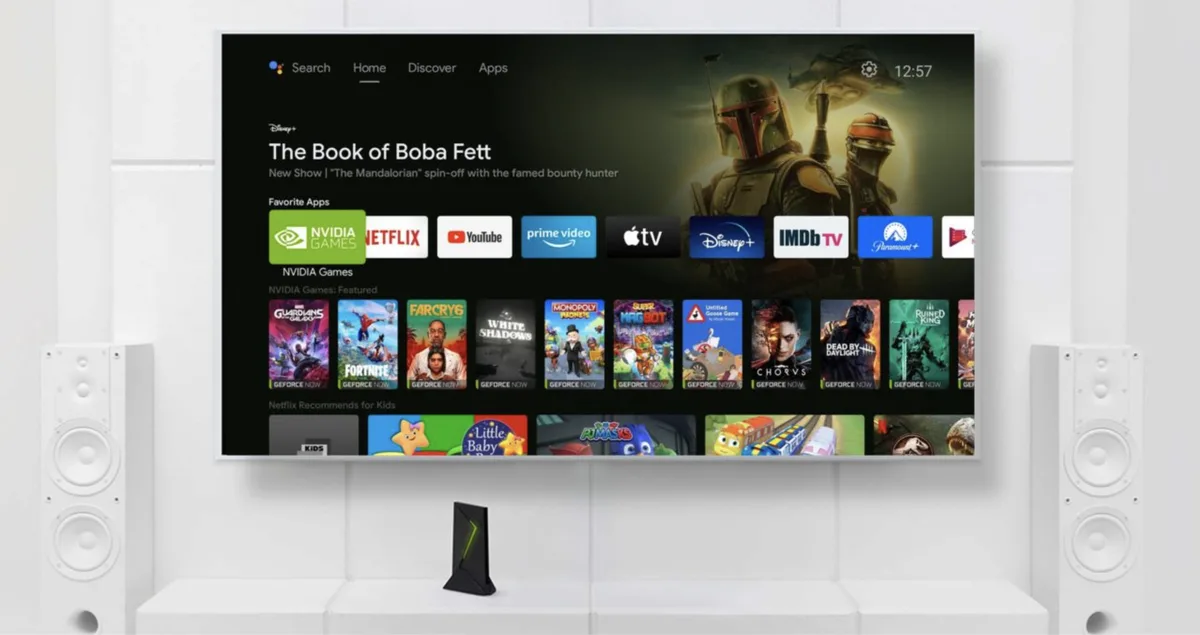
The Nvidia Shield TV is still a great streaming box, and it just got its first update in a year

When
we
reviewed
the

Nvidia
Shield
TV
Pro
back
in
2021,
we
said
that
it
was
the

best
streaming
box
on
the
market
at
the
time.
It’s
still
a
great
streamer
thanks
to
its
flexibility
and
power,
but
it’s
been
a
little
neglected.
However,

Nvidia
has
issued
an
update
at
last

the
first
such
update
since
2023.
If
you’re
encountering
bugs
or
glitches
that
are
taking
the
shine
off
your
Shield,
this
new
update
should
hopefully
address
them.

The
new
updates
are
detailed
in
a

post
on
the
Nvidia
website,
but
the
short
version
is
that
it
enhances
the
Match
Frame
Rate,
fixes
a
GeForce
Now
crash
bug
and
addresses
some
irritating
video
and
audio
issues.

What’s
new
in
the
Nvidia
Shield
TV
update

As
before,
the
system
is
based
on
Android
11

and
this
update
is
a
hotfix
rather
than
a
new
version,
so
don’t
expect
any
new
features.

Here’s
the
list
of
the
changes
in
this
new
update,
the
9.1.1+
Hotfix:

Match
Frame
Rate
(beta)
enhancement

Resolves
issue
with
SHIELD
drive
filling
up

Fixes
the
issue
of
No
audio
heard
when
headset
is
connected
to
controller
and
DAP
is
on

Resolves
issue
of
Geforce
now
crash
after
launch

Ability
to
clear
HDMI
1.4
flag
via
factory
reset

Fixed
video
distortion
on
“RGB
8-bit
Rec.709”
display
mode

Resolved
USB
HDD/Flash
drive
showing
corrupted
after
hotplug

NAS
folder
info
shows
0
B
and
not
the
actual
capacity

Mounted
storages
aren’t
listed
after
upgrade

Fixes
occasional
crashes
in
DRM
apps

The
support
document
also
notes
some
important
caveats.
If
you
want
to
install
Disney
Plus
from
the

Play
store
you’ll
need
to
do
it
before
applying
this
update,
as
once
installed
you
won’t
be
able
to
add
or
update
the
Play
store
version
of
the
app;
the
Hotfix
isn’t

Google
certified;
and
there’s
no
way
to
reverse
installation.

You
might
also
like

Sign
up
for
breaking
news,
reviews,
opinion,
top
tech
deals,
and
more.

Posted on

Panasonic Z95A review: a stunning, bright OLED TV with best-in-class Dolby Atmos sound

Panasonic
Z95A:
Two-minute
review

The

Panasonic
Z95A
is
the
company’s
flagship

OLED
TV,
sitting
above
the
company’s
mid-range
Z90A
and
entry-level
Z85A
in
the
company’s
2024
OLED
lineup.
There
are
two
big
changes
for
Panasonic
TVs
this
year.
The
first
is
that
the
company
has
switched
from
its
own
My
Home
Screen
smart
TV
interface
to

Amazon
Fire
TV.
The
second
is
that
Panasonic
has
re-entered
the
US
TV
market,
though
the
selection
of
models
and
screen
sizes
is
more
limited
in
the
US
than
in
the
UK
and
Europe.

The
Panasonic
Z95A
arrives
stateside
exclusively
in
a
65-inch
screen
size,
though
a
55-inch
model
is
also
available
in
the
UK.
Pricing
is
set
at
$3,100
/
£3,899,
putting
the
Z95A
very
much
in
the
premium
TV
camp,
but
if
you
have
the
cash,
its
performance
and
features
rank
it
among
the

best
OLED
TVs.

The
Z95A’s
‘Master
OLED
Ultimate’
display
panel
uses
the
same
micro
lens
array
(MLA)
tech
found
in
the
flagship

LG
G4
OLED
TV
and
features
a
new
HCX
Pro
AI
Processor
MK
II
to
enhance

HDR
tone
mapping,
color
accuracy,
detail,
and
motion
handling.
Images
on
the
Z95A
are
bright,
with
strong
contrast
and
rich
color

it
looks
every
part
the
premium
TV.

Sound
is
also
a
standout
Z95A
feature.
It
has
a
5.1.2-channel
160W
speaker
system
with
front
and
side-firing
speakers,
along
with
up-firing
ones
to
deliver
Dolby
Atmos
height
effects.
The
Z95A’s
sound
is
powerful
and
immersive
enough
that
you
could
easily
get
away
without
using
one
of
the

best
soundbars,
and
there’s
also
a
clever
and
effective
Sound
Focus
mode
to
ensure
people
sitting
off-center
still
get
great
sound.
It’s
probably
the

best
TV
for
sound
if
money
is
no
object.
Packing
in
so
many
speakers
adds
to
the
TV’s
bulk,
but
its
design
is
otherwise
appealing
and
it
sits
on
a
sturdy
circular
stand
that
can
swivel
in
either
direction.

The
Z95A’s
Fire
TV
interface
isn’t
the
best
smart
TV
platform,
because
it’s
edged
out
by
more
sophisticated
systems
like

LG’s
webOS
and
more
streamlined
ones
like

Roku,
but
it
gets
the
job
done
for
streaming
and
features
a
new
Ambient
Experience
that
displays
a
wide
range
of
pre-installed
images
when
the
TV
is
in
sleep
mode
and
also
lets
you
upload
your
own
images
as
well
as
create
new
ones
using
AI.
There
are
plentiful
settings
to
dial
in
the
TV’s
picture
and
sound

perhaps
too
many
depending
on
your
level
of
patience
for
tweaking.

Gaming
is
well
represented
on
the
Z95A,
which
has
two
HDMI
2.1
ports
with

4K
144Hz,
VRR
(including

Nvidia
G-Sync
and

AMD
Freesync
Premium),
and
Dolby
Vision
Gaming
(up
to
144Hz).
A
Game
Control
Board
menu
overlay
lets
you
make
quick
gaming-related
settings,
and
it
can
be
assigned
to
the
remote
control’s
My
App
button
for
easy
pop-up
access.

The
Panasonic
Z95A
earns
its
high
price
compared
to
even
the

best
TVs,
and
if
you
want
a
single
unit
that
delivers
elite
sound
as
well
as
pictures,
it’s
hard
to
beat.
But
the
magnificent

Samsung
S95D
is
available
for
a

lot
less,
so
you
need
to
want
its
particular
mix
of
sound
and
visuals.

Panasonic
Z95A
review:
Price
and
release
date

(Image
credit:
Future)

Release
date:
4
September
2024 

65-inch:
$3,100
/
£3,899

55-inch:
NA
/
£2,999

Panasonic’s
Z95A
is
the
company’s
flagship
OLED
TV
for
2024.
It
is
available
in
55-
and
65-inch
screen
sizes
in
the
UK
and
65
inches
in
the
US.
Panasonic
TVs
are
not
sold
in
Australia.

The
Z95A
series
sits
above
the
company’s
Z85A
series,
which
is
available
in
55-
and
65-inch
screen
sizes
in
both
the
US
and
the
UK,
with
the
65-inch
model
priced
at
$1,799
/
£2,499. 

As
a
flagship
OLED
TV
sold
in
both
the
US
and
the
UK,
the
Z95A’s
key
competitors
are
the

Samsung
S95D
($3,399
/
£3,399)
and
LG
G4
 ($3,399
/
£3,299)

however,
both
those
TVs
are
available
for
much
less
than
their
asking
price
now.
You
can
find
them
both
for
around
$2,600
/
£2,600,
so
they
offer
a
big
saving
compared
to
the
Z95A.

Panasonic
Z95A
review:
Specs

Swipe
to
scroll
horizontally

Screen
type:

OLED

Refresh
rate:

144Hz

HDR
support:

Dolby
Vision,
HDR10+,
HDR10,
HLG

Audio
support:

Dolby
Atmos

Smart
TV:

Fire
TV

HDMI
ports:

4
(2x
HDMI
2.1)

Built-in
tuner:

ATSC
3.0
(US)

Panasonic
Z95A
review:
Benchmark
results

Panasonic
Z95A
review:
Features

The
Z95A
has
two
HDMI
2.1
ports
with
4K
144Hz
support.

(Image
credit:
Future)

MLA
OLED
panel
and
HCX
Pro
AI
Processor
MK
II

Dolby
Vision
IQ
and
HDR10+
adaptive
HDR

Two
HDMI
2.1
inputs
with
4K
144Hz
support

The
Panasonic
Z95A
features
a
‘Master
OLED
Ultimate’
display
panel
equipped
with
the
same
brightness
boosting

micro
lens
array
(MLA)
tech
used
in
LG’s
G4
OLED
TV,
along
with
a
heat-management
configuration
developed
in-house
by
Panasonic
engineers.
It
also
has
Panasonic’s
new
HCX
Pro
AI
Processor
MK
II,
which
uses
dynamic
3D
LUTs
(Look-Up
Tables)
to
display
accurate
colors
in
bright
and
dark
images
and
a
4K
Fine
Remaster
and
Smooth
Motion
Drive
Pro
feature
to
enhance
detail
and
motion
clarity.

The
Z95A
has
comprehensive
HDR
support,
with
Dolby
Vision
IQ,
HDR10+
Adaptive,
and
HLG
all
accounted
for.
In
the
US,
this
is
the
only
OLED
TV
range
to
offer
both
advanced
HDR
formats
(in
the
UK,
Philips
does
as
well).
A
Filmmaker
Mode
with
intelligent
sensing
optimizes
that
picture
mode
for
a
range
of
room
lighting
conditions
using
the
TV’s
built-in
sensors,
and
there’s
also
a
Netflix
Adaptive
Calibrated
Mode
that’s
meant
to
accurate
display
programs
streamed
from
Netflix.

Sound
quality
is
given
special
attention
on
the
Z95A,
which
features
‘360
Soundscape
Pro
tuned
by
Technics.’
This
basically
is
a
built-in
5.1.2-channel
160W
speaker
system
with
a
dedicated
center
speaker
and
up-firing
drivers
for
Dolby
Atmos
height
effects.
There
are
extensive
settings
for
tuning
the
Z95A’s
sound,
and
it
has
a
beam-forming
feature
that
lets
you
direct
the
TV’s
sound
output
with
Pinpoint,
Area,
Spot,
and
Ambient
modes.

For
its
new
TVs,
the
Z95A
included,
Panasonic
has
swapped
its
unloved
My
Home
Screen
smart
TV
platform
for
Amazon’s
Fire
TV.
This
uses
a
Voice
Remote
with
Alexa
for
control,
and
it
now
features
the
Fire
TV
Ambient
Experience,
which
lets
you
add
various
information
widgets
to
the
TV’s
ambient
mode
screensaver,
and
even
create
your
own
custom
images
using
generative
AI.

Gaming
is
also
a
highlight
of
the
Z95A,
which
supports
4K
144Hz,
VRR
(including
Nvidia
G-Sync
and
AMD
Freesync
Premium),
and
Dolby
Vision
Gaming
(up
to
144Hz)
and
also
has
a
Game
Control
Board
pop-up
menu
for
making
quick
gaming-related
settings.
The
Z95A
only
has
two
HDMI
2.1
inputs,
however,
which
is
less
than
the
four
HDMI
2.1
ports
we
look
for
on
the

best
gaming
TVs.

Features
Score:
4.5/5

Panasonic
Z95A
review:
Picture
quality

The
Z95A’s
picture
is
bright
enough
for
viewing
in
well-lit
rooms
and
it
has
an
anti-reflection
screen.

(Image
credit:
Future)

High
brightness
for
an
OLED
TV

Excellent
overall
picture
quality

Anti-reflection
screen

With
an
OLED
MLA
panel
similar
to
the
one
used
in
the
LG
G4
OLED
TV,
I
expected
the
Panasonic
Z95A
to
have
similarly
high
brightness
and
my
measurements
proved
that.
Brightness
on
a
10%
HDR
white
window
pattern
in
Filmmaker
Mode
was
1,495
nits
and
a
full-screen
pattern
measured
221.8
nits.
Those
numbers
match
what
we
measured
on
the
G4,
though
they
fall
a
bit
short
of
the

Samsung
S95D’s
1,688
nits
and
318
nits
in
the
same
picture
mode.

In
other
measurements,
the
Z95A’s
UHDA-P3
color
gamut
coverage
in
Filmmaker
Mode
was
97.0
and
its
BT.2022
coverage
was
72.5%.
Again,
those
results
match
what
we
measured
on
the
LG
G4,
though
the
Samsung
S95D
with
its
QD-OLED
display
panel
managed
full
P3
coverage
and
an
impressive
87.9%
BT.2020
coverage.
Grayscale
and
color
accuracy
 (see
“How
I
tested”
section
for
details)
in
the
same
mode
were
3.3
and
1.7,
respectively

again
matching
the
G4’s
performance.

The
Z95A
did
a
good
job
upconverting
standard-definition
broadcast
TV
channels,
and
high-definition
ones
looked
super-clean
and
finely
detailed.
The
TV’s
anti-reflection
screen
also
effectively
reduced
glare
from
overhead
lights
in
my
room
when
I
had
them
switched
on.
With
sports
such
as
football,
the
Z95A
displayed
punchy
colors
and
crisp-looking
highlights,
though
I
preferred
the
TV’s
Normal
picture
preset
here
rather
than
Filmmaker
Mode,
which
looked
comparatively
muted
with
non-HDR
content
including
broadcast
TV.

One
note
about
Filmmaker
Mode
on
the
Z95A:
The
intelligent
sensing
feature
it
uses
automatically
turns
on
the
TV’s
ambient
light
sensor
for
adjusting
picture
brightness
based
on
room
lighting.
For
this
reason,
I
preferred
to
use
the
True
Cinema
preset
when
available,
which
has
similar
settings
to
Filmmaker
Mode
minus
the
intelligent
sensing.

Another
picture
mode
worth
discussing
is
Netflix
Adaptive
Calibrated
Mode,
which
needs
to
be
enabled
in
the
TV’s
picture
setup
menu.
When
streaming

Ripley
from
Netflix,
I
strongly
preferred
the
TV’s
Netflix
Adaptive
Calibrated
Mode
to
its
Dolby
Vision
Dark
mode,
which
compressed
highlight
and
shadow
detail
to
a
degree.
Otherwise,
I
used
Dolby
Vision
Dark
for
viewing
most
programs
with
Dolby
Vision
HDR,
making
tweaks
to
the
Black
Level
and
Black
Expansion
adjustments
in
the
Brightness
menu
to
optimize
pictures.

The
Z95A’s
bold,
detailed
color
reproduction
is
beautiful
for
movies
such
as

I
Saw
the
TV
Glow,
which
regularly
uses
a
neon-like
color
palette
in
dark,
nighttime
scenes.
Watching
one
such
scene
where
smoke
billows
out
from
an
ice
cream
truck,
the
bright
green
of
the
truck
and
the
lurid
purple
smoke
looked
vivid
and
intense.

Motion
handling
is
also
impressive
on
Panasonic’s
top
OLED
TV.
When
I
watched
a
scene
from

No
Time
to
Die
where
James
Bond
traverses
a
rocky
hilltop
cemetery,
there
was
only
a
faint
level
of
judder
visible
as
the
camera
tracked
his
motion,
and
details
in
the
landscape
remained
intact.
And
the
same
thing
held
for
sports,
with
a
Bills
vs
Ravens
football
game
looking
completely
solid
and
blur-free.

As
you’d
expect
from
a
flagship
OLED
TV,
blacks
looked
deep
and
there
was
a
high
level
of
shadow
detail
visible
in
dark
images
from
shows
like

The
Penguin
on
Max.
As
mentioned
above,
I
found
myself
regularly
making
adjustments
to
the
TV’s
advanced
brightness
settings
to
dial
this
in
just
right,
but
even
without
making
black-level
tweaks,
shadows
generally
were
well-defined. 

Picture
quality
score:
5/5

Panasonic
Z95A
review:
Sound
quality

The
Z95A’s
Sound
Focus
interface.

(Image
credit:
Future)

5.1.2-channel
160W
speaker
system

Effective
Dolby
Atmos
presentation 

Sound
Focus
mode

Panasonic
calls
the
Z95A’s
built-in
speaker
system
‘360
Soundscape
Pro
tuned
by
Technics.’
This
is
a
5.1.2-channel
160W
array
that
uses
dedicated
left,
center,
right
and
side-firing
speakers,
along
with
a
pair
of
up-firing
drivers
for
Dolby
Atmos
height
effects
and
a
built-in
subwoofer
plus
two
passive
bass
radiators.
A
subwoofer
output
jack
is
also
provided
on
the
TV
if
you
want
make
a
hard-wired
connection
to
an
external
sub.

Packing
that
many
speakers
into
the
TV’s
frame
adds
to
its
depth
and
height,
with
a
thick
grille
running
beneath
the
full
width
of
the
screen
where
the
front
speaker
array
is
located.
And
while
it
increases
the
TV’s
bulk,
the
benefit
to
the
Z95A’s
audio
hardware
is
that
it
can
play
loud
and
clear
enough
that
you
can
easily
do
without
a
soundbar. 

Dialogue
is
consistently
clear,
and
Atmos
soundtracks
have
a
true
sense
of
spaciousness,
with
sound
effects
such
as
rain
falling
in
a
scene
from

I
Saw
the
TV
Glow
literally
sounding
like
they
were
falling
from
the
ceiling.
Bass
depth
and
impact
is
very
good
for
a
TV,
and
it
noticeably
improved
after
running
Space
Tune,
a
feature
that
uses
the
mic
built
into
the
remote
control
to
analyze
your
room’s
acoustics
and
adjust
the
sound
accordingly.

Along
with
Space
Tune,
another
key
audio
feature
is
Sound
Focus,
which
lets
you
adjust
the
direction
of
the
sound
for
off-center
seating.
There
are
four
settings,
Pinpoint,
Area,
Spot
and
Ambient,
which
each
one
providing
a
different
range
of
soundfield
width.
To
test
it
out,
I
selected
Pinpoint
and
adjusted
it
to
align
with
a
seating
position
at
the
far
end
of
my
sofa,
and
the
TV’s
sound
clearly
shifted
30
degrees
over
from
the
center.
Impressive!

Sound
quality
score:
5/5

Panasonic
Z95A
review:
Design

The
Z95A’s
circular
swiveling
stand.

(Image
credit:
Future)

Sturdy,
swiveling
stand

Wide
array
of
input
and
control
ports

Flimsy
remote
control

OLED
TVs
typically
have
a
thin
form
factor,
but
at
2.7
inches
(69mm),
 the
Z95A’s
frame
is
necessarily
deep
owing
to
its
built-in
5.1.2-channel
speaker
array,
and
there
is
a
wide
grille
running
along
the
bottom
of
the
screen
where
the
TV’s
front-firing
speakers
are
located.
It’s
balanced
on
a
sturdy,
swiveling
stand,
which
is
a
great
feature
if
you
want
to
position
the
TV’s
screen
to
accommodate
different
seating
situations.

The
Z95A
has
an
impressive
array
of
input
and
control
ports.
There
are
four
HDMI
ports
(including
two
HDMI
2.1),
optical
digital
and
3.5mm
headphone/subwoofer
audio
outputs,
two
powered
USB,
and
an
antenna
input
for
the
TV’s

ATSC
3.0
digital
TV
tuner
(US-only).
On
the
control
side,
it
has
an
Ethernet
port
and
IR
blaster
output.

Panasonic’s
remote
control
is
disappointing
given
the
Z95A’s
otherwise
premium
build
quality
(and
price!).
It’s
the
same
type
you’d
get
with
any
cheap
Amazon
Fire
TV
set,
with
a
thin
plastic
case,
limited
button
array,
and
no
backlighting.
Its
main
feature
is
a
blue
button
at
the
top
to
summon
Alexa
for
voice
commands,
which,
to
be
fair,
is
a
key
feature
of
the
Fire
TV
smart
TV
platform.

Design
score:
4/5

Panasonic
Z95A
review:
Smart
TV
and
menus

Panasonic
has
switched
to
the
Amazon
Fire
TV
smart
interface
for
its
2024
TVs.

(Image
credit:
Future)

Amazon
Fire
TV
is
great
for
streaming
service
support

Fire
TV
Ambient
Experience
with
AI
image
generation

Extensive
picture
and
sound
adjustments

Amazon’s
Fire
TV
smart
TV
interface
hasn’t
changed
much
since
we
reviewed
the

Amazon
Fire
TV
Omni
QLED.
The
home
screen
is
divided
up
into
a
top
panel
with
ads,
mostly
for
shows
on
Amazon’s
Prime
Video
and
Freevee
free
TV
platforms
and
other
streaming
services,
while
a
grid
of
recommended
movies
and
TV
shows
takes
up
the
bottom
half.
In
between
is
a
horizontal
bar
with
a
row
of
apps
that
you
can
customize,
along
with
Inputs,
My
Stuff,
Search,
and
Live
tabs.

When
on
the
Live
screen,
you’ll
find
a
wealth
of
options,
including
news
channels
and
other
live
TV
programs
that
are
free
to
stream.
You
can
also
select
a
grid
format
that
displays
a
cable
TV-style
time-based
guide
that
can
be
populated
with
programs
available
on
local
broadcast
TV
channels
when
using
an
antenna.

The
Fire
TV
Ambient
Experience
is
a
recent
addition,
and
it’s
one
of
the
platform’s
most
appealing
features.
When
the
TV
hasn’t
been
in
use
for
a
certain
period
of
time
(you
can
specify
how
long
in
the
setup
menu)
it
will
display
a
curated
range
of
images
and
artworks,
or
your
personal
photos
(via
the
Fire
TV
Photos
app
after
uploading
using
the
Amazon
Photos
app
on
your
phone).
You
can
add
weather,
news,
sticky
notes,
and
other
widgets
to
the
Ambient
screen,
and
even
create
your
own
images
using
AI.
Be
careful
with
this,
however:
I
prompted
Amazon’s
AI
with
“clowns
juggling
pineapples
on
a
soccer
field,”
and
the
terrifying
image
it
generated
cannot
be
unseen.

One
area
where
Fire
TV
on
the
Panasonic
goes
well
beyond
Amazon’s
own
TVs
is
the
picture
and
sound
settings,
which
can
be
accessed
by
pressing
a
gear
icon
button
on
the
remote
control.
There
are
extensive
picture
presets,
including
numerous
ones
to
adjust
HDR
tone
mapping
and
black
detail
in
dark
images.
The
same
goes
for
sound
settings,
which
include
a
range
of
Sound
Field
Creation
options,
Space
Tune
room
EQ,
and
the
Sound
Focus
mode
described
above
in
the
Sound
Quality
section.
If
anything,
there
may
be
too
many
options
provided
for
tweaking
the
TV’s
picture
and
sound.

Smart
TV
&
menus
score:
4/5

Panasonic
Z95A
review:
Gaming

The
Z95A’s
Game
Control
Board
pop-up
menu.

(Image
credit:
Future)

Two
HDMI
2.1
ports

Game
Control
Board
menu

12.6ms
input
lag

The
Panasonic
Z95A
provides
two
HDMI
2.1
ports
that
support
4K
144Hz,
VRR
(including
Nvidia
G-Sync
and
AMD
Freesync
Premium),
and
Dolby
Vision
gaming
(up
to
144Hz).
While
we
generally
look
for
four
HDMI
2.1
ports
on
high-end
TVs
to
accommodate
multiple
gaming
consoles
plus
a
soundbar
connection,
the
Z9A’s
excellent
built-in
sound
makes
its
limited
HDMI
2.1
port
count
less
of
an
issue.

A
nice
gaming
feature
on
the
Z95A
is
its
Game
Control
Board
pop-up
menu.
This
can
be
activated
via
the
setup
menu
when
in
Game
mode
(it
can
also
be
assigned
to
the
remote
control’s
My
App
button),
allowing
you
to
make
gaming-related
picture
adjustments
such
as
Dark
Visibility.

The
Z95A’s
input
lag
as
measured
with
a
Leo
Bodnar
4K
Input
Lag
meter
was
12.6ms.
That’s
a
perfectly
good
result,
although
the
best
TVs
for
gaming
typically
yield
a
result
under
10ms.

Gaming
score:
4/5

Panasonic
Z95A
review:
Value

Panasonic’s
remote
control
is
notably
flimsy
for
a
premium-priced
TV.

(Image
credit:
Future)

Priced
higher
than
premium
OLED
competition
in
practice

Good
mid-range
OLEDs
available
for
much
less

Great
performance
and
features
enhance
the
value

At
$3,100
/
£3,899
for
the
65-inch
model,
the
Panasonic
Z95A
sits
at
the
premium
end
of
the
TV
price
spectrum,
beyond
even
the
LG
G4
and
Samsung
S95D
due
to
their
price
cuts.

You
can
now
buy
a
mid-range
65-inch
OLED
TV
such
as
the
LG
C4
for
around
$1,699,
and
it
will
also
have
great
picture
quality
plus
a
better
overall
set
of
gaming
features.
Paying
more
for
a
flagship
OLED
TV
such
as
the
Z95A
will
get
you
better
picture
brightness,
however,
and
that’s
going
to
make
a
difference
when
viewing
in
rooms
with
a
high
level
of
ambient
lighting,
and
it
also
gives
4K
movies
with
HDR
a
more
dynamic
look.

Ultimately,
the
Z95A
ranks
the
same
for
value
as
its
flagship
OLED
competitors.
Like
them,
it
has
powerful
built-in
audio
for
a
TV

but
here
it’s
further
cut
above
the
rest

and
when
you
combine
that
with
its
top-notch
picture
quality
and
features,
it’s
a
sound
investment
if
you
can
afford
it.

Value
score:
4/5 

Should
I
buy
the
Panasonic
Z95A?

The
Z95A’s
Live
TV
grid
guide.

(Image
credit:
Future)

Swipe
to
scroll
horizontally

Panasonic
Z95A

Attributes

Notes

Rating

Features

Master
OLED
Ultimate
display
panel
with
comprehensive
HDR
support.

4.5/5

Picture
quality

High
brightness
and
excellent
overall
picture
quality.

5/5

Sound
quality

Powerful
sound
with
impressive
spaciousness
but
limited
bass.

5/5

Design

Somewhat
bulky
but
with
sturdy
swiveling
stand.
Remote
control
is
flimsy.

4/5

Smart
TV
and
menus

Fire
TV
smart
interface
is
serviceable
and
has
appealing
Ambient
Experience.
Extensive
picture
and
sound
settings.

4/5

Gaming

Great
overall
gaming
support
but
only
two
HDMI
2.1
ports.

4/5

Value

Pricey,
but
an
overall
good
value
given
the
performance
and
features.

4/5

Buy
it
if…

Don’t
buy
it
if…

Panasonic
Z95A
review:
Also
consider…

Swipe
to
scroll
horizontally

Header
Cell

Column
0

Panasonic
Z95A

LG
G4

Samsung
S95D

LG
C4

Price
(65-inch)

$3,100
/
£3,899

$3,399
/
£3,299

$3,399
/
£3,399

$2,699.99
/
£2,699

Screen
type

OLED

OLED

OLED

OLED

Refresh
rate

144Hz

144Hz

144Hz

144Hz

HDR
support

Dolby
Vision/HDR10+/HDR10/HLG

Dolby
Vision/HDR10+/HDR10/HLG

HDR10+/HDR10/HLG

Dolby
Vision/HDR10+/HDR10/HLG

Smart
TV

Fire
TV

webOS
24

Tizen

webOS
24

HDMI
ports

4
(2x
HDMI
2.1)

4
x
HDMI
2.1

4
x
HDMI
2.1

4
x
HDMI
2.1

How
I
tested
the
Panasonic
Z95A

(Image
credit:
Future)

Tested
over
the
course
of
two
weeks

Measurements
were
made
using
Calman
color
calibration
software

A
full
calibration
was
made
before
proceeding
with
subjective
tests

When
I
test
TVs,
I
first
first
spend
a
few
days
or
even
weeks
using
it
for
casual
viewing
to
assess
the
out-of-box
picture
presets
and
get
familiar
with
its
smart
TV
menu
and
picture
adjustments.
I
next
select
the
most
accurate
preset
(usually
Filmmaker
Mode,
Movie
or
Cinema)
and
measure
grayscale
and
color
accuracy
using
Portrait
Displays’

Calman
color
calibration
software.
The
resulting
measurements
provide
Delta-E
values
(the
margin
of
error
between
the
test
pattern
source
and
what’s
shown
on-screen)
for
each
category,
and
allow
for
an
assessment
of
the
TV’s
overall
accuracy.

Along
with
those
tests,
I
make
measurements
of
peak
light
output
(recorded
in
nits)
for
both
standard
high
definition
and
4K
high
dynamic
range
using
10%
and
100%
white
window
patterns.
Coverage
of
DCI-P3
and
BT.2020
color
space
is
also
measured,
with
the
results
providing
a
sense
of
how
faithfully
the
TV
can
render
the
extended
color
range
in
ultra
high-definition
sources.

I
used
the
Calman
ISF
workflow,
along
with
the
TV’s
advanced
picture
menu
settings,
to
calibrate
the
image
for
best
accuracy
after
I’d
assessed
its
out-of-the-box
performance.
I
also
watched
a
range
of
reference
scenes
on
4K
Blu-ray
discs
to
assess
the
TV’s
performance,
and
4K
HDR
shows
streamed
from
Max,
Netflix,
and
other
services.

You
can
read
an
in-depth
overview
of

how
we
test
TVs
at
TechRadar
for
more
information.

Posted on

Star Health Says It Received $68,000 Ransom Demand After Data Leak


Star
Health
,
India’s
biggest
health
insurer,
on
Saturday
said
it
had
received
a
ransom
demand
of
$68,000
from
a
cyberhacker
in
connection
with
a
leak
of
customer
data
and
medical
records.

Star,
which
has
a
roughly
$4
billion
market
cap,
is
battling
a
reputational
and
business
crisis
since
Reuters
reported
on
Sept.
20
that
a
hacker
had
used

Telegram

chatbots
and
a
website
to
leak
customers’
sensitive
data,
including
tax
details
and
medical
claim
papers.

The
company,
whose
shares
have
declined
11%,
has
launched
internal
investigations
and
has
taken
legal
action
against
Telegram
and
the
hacker,
whose
website
continues
to
share
samples
of
Star
customers’
data.

Star,
which
has
previously
said
it
is
a
“victim
of
a
targeted
malicious

cyberattack
“,
on
Saturday
revealed
for
the
first
time
that
in
August
“the
threat
actor
demanded
a
ransom
of
$68,000
in
an
email”
addressed
to
the
company’s
managing
director
and
its
chief
executive.

The
statement
came
after
Indian
stocks
exchanges
sought
clarifications
from
Star
on
a
Friday
over
a
Reuters

report

that
the
company
was
investigating
allegations
that
its
chief
security
officer
was
involved
in
the
data
leak.

Star
reiterated
on
Saturday
it
has
found
no
wrongdoing
by
the
official,
Amarjeet
Khanuja,
though
the
internal
investigation
is
ongoing.

Telegram
has
declined
to
share
the
account
details
or
permanently
ban
accounts
linked
to
the
hacker

an
individual
dubbed
xenZen

“despite
multiple
notices
issued
in
this
regard,”
Star
said
on
Saturday.

Star
said
it
has
“sought
the
assistance”
of
Indian
cyber
security
authorities
to
“help
us
identify”
the
hacker.

Telegram
did
not
respond
to
a
request
for
comment.

The
Dubai-based
messenger
app
has
previously
said
it
removed
the
chatbots
when
Reuters
flagged
them
to
the
platform.


©
Thomson
Reuters
2024


(This
story
has
not
been
edited
by
NDTV
staff
and
is
auto-generated
from
a
syndicated
feed.)

Posted on

iQOO 13 India Launch Date Leaked as Handset Surfaces on Geekbench With Snapdragon 8 Gen 4 Chipset


iQOO
13


the
upcoming
flagship
smartphone
from
the
Vivo
subsidiary

could
be
launched
in
India
by
the
end
of
the
year,
according
to
details
shared
by
a
tipster.
It
is
expected
to
be
unveiled
in
China
next
month,
as
one
of
the
first
handsets
to
be
equipped
with
Qualcomm’s
next-generation
chipset.
The
iQOO
13
has
also
surfaced
on
benchmarking
website
Geekbench,
with
the
purported
Snapdragon
8
Gen
4
SoC,
that
is
expected
to
be
unveiled
later
this
month,
giving
us
an
idea
of
what
to
expect
from
the
upcoming
handset.

iQOO
13
Could
Launch
in
India
in
December

A
Smartprix

report

citing
tipster
Yogesh
Brar
claims
that
the
iQOO
13
will
be
launched
in
India
on
December
5.
The
smartphone
will
be
powered
by
Qualcomm’s
next
flagship
chipset,
which
is
expected
to
be
unveiled
by
the
chipmaker
later
this
month
as
the
Snapdragon
8
Gen
4
(or
Snapdragon
8
Elite)
according
to
the
publication.

It’s
worth
noting
that
the
Vivo
sub-brand
is
yet
to
announce
a
launch
date
for
the
iQOO
13
in
China
or
in
global
markets.
Last
year,
the
company
unveiled
the
iQOO
12
in
China
in
November,
while
the
handset
made
its
way
to
India
a
month
later.

iQOO
13
Surfaces
on
Geekbench
With
Snapdragon
8
Gen
4
Chipset

A

listing

for
a
smartphone
with
the
model
number
V2408A
on
Geekbench
gives
a
glimpse
of
the
performance
of
the
upcoming
iQOO
13.
The
Geekbench
entry
reveals
that
the
phone
will
be
equipped
with
an
octa-core
processor
with
two
performance
cores
clocked
at
4.32GHz
and
six
efficiency
cores
clocked
at
3.53GHz.


iqoo 13 s25 ultra geekbench Geekbench

Purported
listings
for
the
iQOO
13
and
Samsung
Galaxy
S25
Ultra

Photo
Credit:
Screenshot/
Geekbench

The
Geekench
listing
for
the
purported
iQOO
13
states
that
the
device
has
14.76GB
of
RAM,
which
indicates
that
it
will
be
available
in
a
16GB
memory
variant.
It
is
also
shown
to
run
on
Android
15,
and
is
likely
to
feature
Vivo’s
FuntouchOS
15
skin. 

The
benchmark
result
reveals
that
the
handset
scored
3,142
points
in
the
single-core
test
and
10,052
points
in
the
multi-core
test.
These
scores
are
much
higher
than
the
Samsung
Galaxy
S25
Ultra
that

reportedly

scored
3,069
points
and
9,080
points
in
the
single-core
and
multi-core
tests,
respectively,
with
an
‘overclocked’
Snapdragon
8
Gen
4
chipset.

On
Geekbeench,
the

latest
benchmark
results

for
the

iPhone
16
Pro
Max

show
the
handset
scored
3,562
points
in
the
single-core
test,
which
is
higher
than
what
the
purported
iQOO
13
managed
to
achieve.
However,
Apple’s
flagship
smartphone
scored
8,814
points
in
the
multi-core
test,
which
is
significantly
lower
than
iQOO’s
upcoming
smartphone.

These
benchmark
results
suggest
that
the
iQOO
13
could
be
one
of
the
most
capable
smartphones
to
be
launched
in
the
coming
months.
We
can
expect
to
learn
more
about
the
performance
of
the
handset
and
how
it
fares
against
its
competitors
once
more
smartphones
with
the
Snapdragon
8
Gen
4
and
Dimensity
9400
chipsets
are
launched. 


Affiliate
links
may
be
automatically
generated

see
our

ethics
statement

for
details.