Posted on

State of the Art: hide your TV – turn it into a masterpiece

We
all
want
our
homes
to
be
beautiful,
but
sometimes
technology
makes
that
difficult:
TVs
bring
us
entertainment
and
enable
us
to
witness
world
famous
moments
that
we’ll
remember
for
the
rest
of
our
lives,
but
when
we
turn
them
off,
they
don’t
always
fit
with
the
rest
of
your
décor
theme.
With
current
design
trends
including
‘quiet
luxury’,
with
its
emphasis
on
classic
shapes
and
silhouettes
being
see
worldwide,
wouldn’t
it
be
great
if
your
TV
could
be
as
beautiful
as
the
rest
of
your
room?

That’s
exactly
what
the
gorgeous
new
NXTFRAME
TV
from
TCL
has
been
designed
to
deliver.
It’s
not
just
a
TV.
It’s
a
work
of
art.

(Image
credit:
TCL)

As
you’d
expect
from
TCL,
the
NXTFRAME
TV
is
simply
a
brilliant
TV.
And
something
special
happens
when
you’re
not
watching
a
movie
or
tuning
into
a
TV
show.
The
TCL
NXTFRAME
TV
becomes
a
work
of
art

and
we
mean
that
literally.
It’s
your
very
own
art
gallery,
and
it
comes
with
a
stunning
soundtrack,
meaning
your
room
transforms
from
being
just
the
TV
room
into
a
room
with
a
dual
entertainment
purpose.

The
TV
that
isn’t
like
other
TVs

The
TCL
NXTFRAME
TV
has
been
designed
to
be
a
versatile
piece
of
art.

It
comes
with
hundreds
of
subscription-free,
carefully
curated
libraries
of
beautiful
artworks,
and
you
can
access
even
more
art
online.
Whether
it’s
a
painting
from
major
national
galleries,
some
of
the
world’s
best
street
photography
or
your
most
precious
family
photographs
via
USB,
the
NXTFRAME
TV
displays
it
with
perfect
clarity
on
its
stunning
matte
screen.

And
talking
of
screens

The
TCL
NXTFRAME
TV
is
the
slimmest
in
its
series
at
just
27.9
mm
thick.
It
features
a
built-in
chassis
that
eliminates
the
need
for
an
external
connectivity
box,
allowing
for
a
sleek,
uninterrupted
design.

This
isn’t
the
only
TV
that
can
show
artwork,
we
know.
But
those
TVs
don’t
look
like
this
one,
they
look
like…
well…
TVs.
The
TCL
NXTFRAME
is
the
first
ever
completely
flush-framed
TV
with
a
flat
back,
and
that
means
it
sits
100%
flush
against
the
wall.
No
bumps,
no
odd
angles,
nothing
to
spoil
those
smooth,
sleek
lines.
It’s
a
masterpiece
of
clever
design
and
engineering,
and
it
looks
like
a
masterpiece
too.

(Image
credit:
TCL)

When
TCL
made
the
NXTFRAME
TV,
its
goal
was
to
help
you
transform
your
home
into
something
even
more
special.
With
the
NXTFRAME
TV,
your
living
space
becomes
much
more
than
just
a
place
to
spend
time
with
your
family,
TCL’s
vision
was
that
it
could
become
a
dynamic
art
gallery
and
a
personal
cinema
at
the
touch
of
a
button
to
suit
any
mood
or
setting.

Beautiful
from
every
angle

The
NXFRAME
TV
is
designed
to
look
fantastic
whether
it
is
on
or
off.
With
a
range
of
customisable
magnetic
frames
in
Dawn
Birch,
Twilight
Elm
and
Vernal
Mint
it
looks
elegant
and
refined
in
any
room,
and
the
snap-on
frames
make
it
easy
to
switch
between
styles
if
you’re
redecorating
or
just
fancy
a
different
look.

(Image
credit:
TCL)

The
NXTFRAME
TV’s
elegant,
easel-style
design
looks
great
on
a
stand
or
mounted
to
the
wall,
and
its
included
flush
wall
mount
helps
get
your
TV
right
against
the
wall
just
like
a
regular
painting.
There’s
also
a
movable
floor
stand
that
makes
it
easy
to
move
your
NXTFRAME
TV
anywhere
in
your
home
whether
you
want
to
watch
a
sports
match
in
the
garden
with
friends
or
stay
cosy
and
watch
an
old
classic
movie
in
the
bedroom.
TCL
has
even
thought
about
cable
clutter,
with
a
handy
storage
tray
for
cable
management
and
a
decorative
cover
that
makes
the
NXTFRAME
TV
look
striking
from
any
angle.

(Image
credit:
TCL)

There’s
another
really
important
feature
here
too:
TCL’s
matte
anti-reflective
screen.
Not
only
does
it
reduce
unwanted
reflections
and
glare,
but
it
also
has
multiple
software-enabled
textures
to
choose
from
so
that
you
can
make
it
look
exactly
the
way
you
want
it.

Immerse
yourself
in
incredible
audio

The
NXTFRAME
TV
brings
outstanding
sound

and
the
NXTFRAME
TV
PRO
model
is
even
more
immersive
thanks
to
Audio
by
Bang
&
Olufsen,
from
the
world-renowned
audio
brand.
In
a
world
first,
the
Pro
version
teams
up
your
NXTFRAME
TV
with
a
wireless
soundbar
and
subwoofer
to
deliver
a
premium
audio
experience.
The
Pro’s
soundbar
and
subwoofer
have
been
tuned
by
the
same
expert
sound
engineers
who’ve
perfected
some
of
the
world’s
most
awe-inspiring
and
iconic
speakers.
And
with
the
NXTFRAME
PRO,
you
can
bring
that
amazing
expertise
into
your
home.

(Image
credit:
TCL)

The
audio
system
also
includes
Enhanced
Dialogue
Mode
and
BeoSonic
technology,
enabling
you
to
customise
their
sound
profiles
to
suit
whatever
you’re
watching
and
listening
to.
That
means
that
whether
you’re
watching
a
movie,
listening
to
music
or
simply
enjoying
some
quiet
time
the
audio
experience
is
immersive,
clear
and
refined,
with
every
note
and
sound
detail
tuned
to
perfection.

Cutting-edge
tech
for
premium
performance

The
NXTFRAME
TV
isn’t
just
a
gorgeous,
great-sounding
TV.
It’s
also
packed
with
the
must-have
features
including
Dolby
Atmos,
DTS,
and
DTS
Virtual,
along
with
Enhanced
Dialogue
Mode.

And
that’s
not
all.
The
NXTFRAME
TV
has
been
made
to
meet
the
highest
standards
of
movie
buffs,
sports
fans
and
gamers:
its
super-fast
120Hz
refresh
rate
is
fantastic
for
fast-moving
actions,
while
gamers
can
enjoy
a
silky-smooth
144Hz
refresh
rate
with
VRR
for
best-in-class
clarity
and
speed.

That
cutting-edge
tech
means
that
your
NXTFRAME
TV
won’t
just
be
the
perfect
TV
for
you
today.
It’ll
be
the
perfect
TV
for
many
years
to
come.

Discover
how
the
new
TCL
NXTFRAME
TV
can
help

make
your
living
space
even
more
special.

Posted on

Cheaper QD-OLED TVs and monitors may be on the way, partly thanks to Samsung’s new recycling tech

Recycling
isn’t
just
better
for
the
environment.
It
could
make
some
of
the

best
OLED
TVs
cheaper
too.

That’s
the
news
coming
from

Samsung
Display,
which
says
it’s
developed
technology
that
can
very
efficiently
recycle
quantum
dot
ink
that
would
be
wasted
in
the
manufacturing
process.
That’s
a
crucial
component
of
QD-OLED
panels,
and
the
new
tech
means
it
can
now
recover
and
process
80%
of
the
ink
that
would
normally
be
lost
during
manufacturing.
That
should
mean
more
affordable
QD-OLED
TVs,
when
combined
with
other
developments.

Why
Samsung
is
thinking
ink

Making
a
QD-OLED
display
uses
a
lot
of
ink.
As

Samsung
explains,
the
quantum
dot
layer
is
made
using
an
inkjet
printing
process
that
sprays
red
and
green
QD
ink
through
micrometer-sized
nozzles.

Quantum
dots,
before
they
go
in
the
TV.

(Image
credit:
Samsung
Display)

Until
now
roughly
20%
of
that
ink
ended
up
stuck
in
the
nozzles
and
then
discarded.
When
you
think
how
many
panels
Samsung
makes,
that
represents
an
awful
lot
of
waste
and
an
awful
lot
of
money.
So
recovering
and
re-using
four-fifths
of
it
means
lower
costs.

The
new
recycling
process
isn’t
some
far-future
idea;
it’s
being
used
right
now
on
Samsung’s
QD-OLED
production
line.
And
according
to
Samsung
the
recycled
QD
ink
is
just
as
good
as
the
original:
it
“undergoes
advanced
synthesis
technology
that
revives
its
purity
and
optical
properties”,
delivering
the
same
performance
as
the
original
QD
ink.

There
are
more
improvements
to
come,
Samsung
says:
it’s
focused
on
improving
productivity
and
yield
on
the
production
of
QD-OLED
screens
in
general,
which
are
key
factors
in
panel
prices
on
the

best
TVs
and
the

best
gaming
monitors
(where
QD-OLED
is
also
proving
to
be
a
huge
hit).
The
more
efficient
the
production,
the
lower
the
cost
per
panel

and
the
lower
the
cost
of
the
TV
it
ends
up
in.

The
recycling
process
won’t
have
a
huge
change
on
its
own,
but
when
combined
with
lots
of
other
small
changes,
we
could
get
the
more
budget
QD-OLED
we’ve
been
hoping
for.
In
the
meantime,
if
you
want
a
cheaper
QD-OLED,
you’ll
have
to
keep
an
eye
on
the

best
Black
Friday
OLED
TV
deals.

Sign
up
for
breaking
news,
reviews,
opinion,
top
tech
deals,
and
more.

You
might
also
like

Posted on

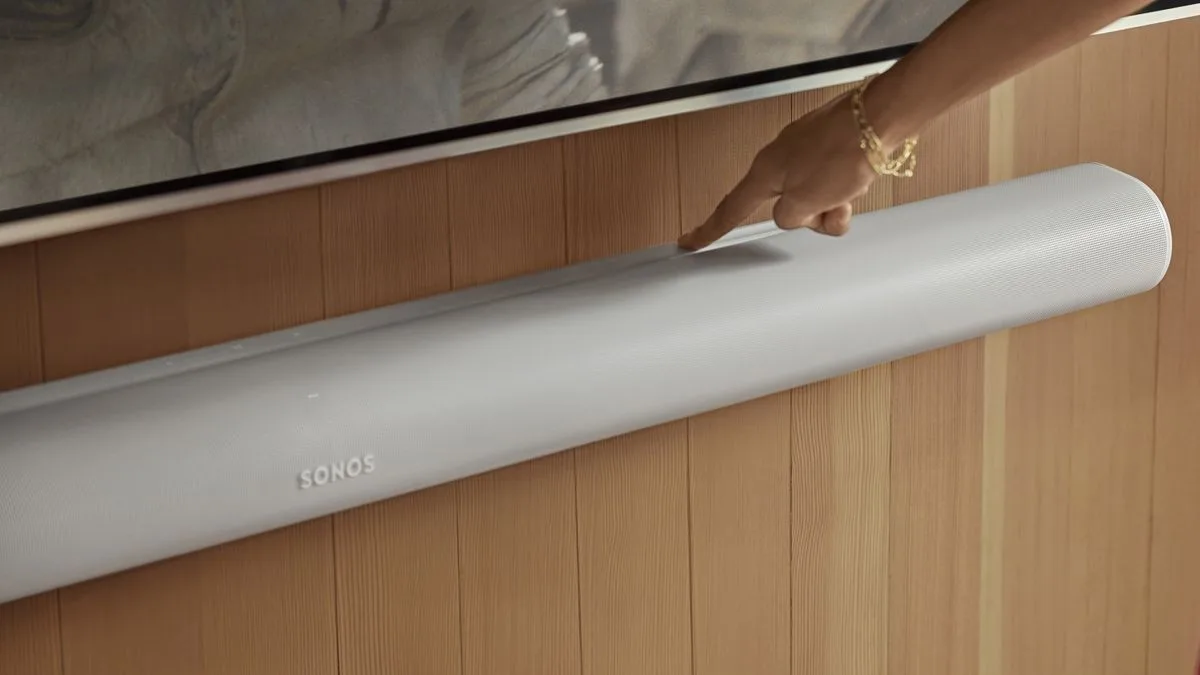
Some people got Sonos Arc Ultra early – here’s what they think of the next-gen soundbar

It’s
nice
to
be
reporting
some
good
news
about

Sonos:
if
the
early
user
opinions
of
the
new

Sonos
Arc
Ultra
soundbar
are
representative,
it
looks
like
the
firm
has
a
hit
on
its
hands.

A
number
of
customers
have
had
their
Ultras
delivered
early,
and
naturally
they’ve
turned
to
the
Sonos
subreddit
and
to

YouTube
to
share
their
initial
impressions.

As
ever
with
early
adopters,
when
people
have
spent
a
lot
of
their
own
money
on
a
product
they’re
going
to
be
approaching
it
from
a
position
of
excitement
rather
than
hard-bitten
cynicism,
and
it’s
worth
bearing
that
in
mind
when
you
read
or
watch
their
reviews.
But
that
doesn’t
mean
what
they’re
saying
isn’t
worth
considering

and
what
they’re
saying
so
far
is
very
positive.

What
are
Sonos
customers
saying
about
the
Sonos
Arc
Ultra?

Let’s
start
on
Reddit,
where
r/sonos
is
often
home
to
some
of
the
most
passionate
Sonos
customers
as
well
as
some
of
its
most
disappointed
app
users.
According
to
redditor

AJ989,
who
says
they
got
their
Ultra
delivered
from
a
European
retailer
on
Tuesday,
their
experience
with
the
setup
process
was
that
everything
was
straightforward
and
smooth.
Responding
to
a
post
about
Ultras
apparently
being
software-locked
until
28
October
they
say
that
they
didn’t
encounter
any
such
issues:
“from
the
first
day
I
could
use
it
and
set
it
up
in
the
app.”
It’s
“100%
working
(and
sounding
awesome).”

The
most
detailed
post
so
far
to
the
Sonos
subreddit
is
by

AnotherGK,
who
compares
the
new
Ultra
with
the
previous
Arc.
“I
couldn’t
believe
how
different
they
sounded.
The
first
thing
I
noticed
is
the
extreme
wide
soundstage
for
a
soundbar…
I
hoped
that
the
Ultra
[would]
be
better
than
the
Arc
but
it
is
significantly
better
in
every
regard.”

The
feature
we
think
most
people
will
be
curious
about
is
the
Sound
Motion,
which
promises
to
deliver
a
bigger
built-in
bass
experience.
According
to
AnotherGK,
“The
sound
isn’t
filling
the
room
anymore
it
seems
more
like
the
sound
is
the
room.
You
can’t
tell
from
where
the
sound
is
coming
from
because
it
is
so
well
balanced
between
the
front
and
the
back.”

Over
on
YouTube,
two
European
customers
have
shared
multiple
videos
of
the
Ultra
in
action.

Sign
up
for
breaking
news,
reviews,
opinion,
top
tech
deals,
and
more.

Lifestyle18
has
uploaded
three
sound
tests
with
the
soundbar
by
itself:
one
testing
out
the
Sound
Motion
and
then
two
more
for
music
and
movies.
“The
sound
motion

does
move
the
air!”
they
say,
adding
that
it’s
“too
bad
that
the
Atmos
effects
don’t
come
through
on
YouTube
because
they
are
great”.

For
music
the
sound
is
“pretty
similar”
to
the
Arc
but
has
“better
bass”;
dialog
is
“definitely
better”
on
the
Ultra.

Roel
Willemsen
has
also
uploaded
multiple
demonstrations,
including
one
comparing
the
Arc
and
Ultra
for
music.
Of
course
YouTube
isn’t
the
ideal
listening
comparison
when
you’re
listening
to
someone
else’s
room
but
even
with
that
limitation
the
Ultra
does
appear
to
sound
more
spacious.
“More
bass,
the
treble
is
nicer.
I
like
it,”
Roel
says.
And
for
movies,
“The
voices
were
lacking
but
now
they’re
pronounced.
They’re
here…
I
do
think
it’s
an
upgrade.
I
do
think
the
Arc
Ultra
is
better.”

TechRadar
is
due
to
receive
a
Sonos
Arc
Ultra
review
unit
this
week,
and
we’ll
compare
it
against
the
older
Arc
and
against
a
flagship

Samsung
soundbar
to
see
how
it
should
rank
among
the

best
soundbars
available
today.

You
might
also
like

Posted on

Anker Nebula Cosmos 4K SE review: this well-priced 4K smart projector just rocketed its way to the top of my wishlist

Anker
Nebula
Cosmos
4K
SE:
two-minute
review

The

Anker
Nebula
Cosmos

4K
SE
is
a
laser
and
LED
smart
projector
capable
of
projecting
4K
Dolby-Vision-enhanced
imagery
up
to
200
inches.
It
was
first
released
in
the
US,
followed
by
the
UK
in
August
and
September
2024
for
a
list
price
of
$1,299.99
/
£1,299.99.

It’s
cheaper
than
its
predecessor,
the
Anker
Nebula
Cosmos
4K,
which
has
an
extra
400
ANSI
lumens
of
brightness,
and
a
full
laser
light
source,
compared
to
the
4K
SEs
laser
and
LED
HybridBeam.
The
Nebula
Cosmos
4K
SE
has
plenty
to
boast
about
though,
with

Google
TV
built-in,
offering
effortless
access
to
popular
streaming
apps
like
Netflix
and
Disney+,
and
many
other
useful
apps,
as
one
would
expect
from
Google.
There’s
decent
support
for
external
content
too,
with
HDMI
and
USB-C
ports
making
it
simple
to
connect
a
disc
drive
or
laptop.

The
Nebula
Cosmos
4K
SE
has
a
stated
brightness
of
1,800
ANSI
lumens

this
is
some
way
short
of
most
of
the

best
4K
projectors.
Our
testing
didn’t
provide
results
to
get
excited
about,
with
measurements
taken
including
122
nits
peak
brightness,
which
wasn’t
radically
different
from
the
BenQ
v5000i,
and
grayscale
accuracy
of
8,
plus
a
color
accuracy
of
3.4.

Coverage
of
the
UHDA-P3
color
gamut
came
in
at
88.9%,
with
BT.2020
reading
76.3%.
The
input
lag
measured
up,
with
35ms
of
lag
in
Game
Mode
Standard,
and
18.5ms
in
Game
Mode
Extreme.

(Image
credit:
Future)

Real-time
autofocus,
auto
keystone
correction,
and
auto
screen
fit
worked
well
when
projected
onto
small
targets,
but
I
found
I
had
to
manually
alter
the
four
keystone
points
to
get
the
image
to
sit
centrally
(just
about)
on
my
100-inch
screen.
I
could
only
watch
at
60
inches,
as
I
lacked
the
space
to
have
the
projector
the
required
7.8ft
/
2.4
meters
away
from
the
screen.
If
you
have
your
heart
set
on
getting
the
full
movie
theatre
experience
without
having
to
shell
out
on
a
house
extension,
I’d
recommend
taking
a
look
at
our
pick
of
the

Best
ultra
short
throw
projectors
instead.

When
it
comes
to
the
performance
of
the
contrast
and
brightness
when
watching
content,
darker
scenes
in
movies
and
TV
shows
with
a
dark
aesthetic
were
plagued
by
pixelated
grays
where
darker
areas
would
otherwise
be
visible
while
watching
on
a
TV.
This
isn’t
entirely
uncommon
for
projectors,
as
producing
dense
blacks
is
naturally
difficult
given
how
the
image
is
generated,
but
I
can’t
say
that
it
didn’t
subtract
from
the
otherwise
fabulous
viewing
experience.
Scenes
in

Damsel
and

Prometheus
in
particular
showcased
the
Cosmos
4K
SE’s
ability
to
deliver
stunningly
vivid
color
and
intricate
details,
no
doubt
thanks
to
the
addition
of
Dolby
Vision.
This,
along
with
the
two
built-in
15-watt
Dolby-Audio-enabled
speakers
made
watching
movies
and
series
with
this
projector
a
satisfyingly
immersive
experience.
You
can
read
further
details
about
this
in
the

Picture
Quality
section
below.

In
a
nutshell,
provided
you
have
the
space
to
achieve
the
screen
size
you
want,
you’re
happy
watching
content
in
little
more
than
a
dim
light,
and
you
have
the
space
to
place
this
chonky
example
of
a
portable
projector,
I’d
highly
recommend
the
Nebula
Cosmos
4K
SE.

(Image
credit:
Future)

Anker
Nebula
Cosmos
4K
SE
review:
price
and
availability

List
price:
$1,299.99
/
£1,299.99

Available
in
the
US
and
the
UK

Released
in
August
/
September
2024

The
Nebula
Cosmos
4K
SE
became
available
in
the
US
in
August
2024,
followed
by
the
UK
in
September
2024,
at
a
list
price
of
$1,299.99
/
£1,299.99.
Apart
from
the

Amazon
Prime
Day
sales,
when
it
dropped
to
$999
/
£999,
which
Anker
matched
on
the
Nebula
website,
the
cost
of
the
Nebula
Cosmos
4K
SE
looks
to
have
remained
at
its
usual
price.
At
the
time
of
writing,
the
Cosmos
4K
SE
is
not
available
in
Australia.

While
unlikely
to
be
a
spontaneous
purchase
at
this
price,
the
Nebula
Cosmos
4K
SE
is
still
miles
cheaper
than
all
but
one
in
our
choice
of
the

best
4K
projectors.

Anker
Nebula
Cosmos
4K
SE
review:
specs

Swipe
to
scroll
horizontally

Screen
sizes
supported

20

200
inches

Brightness
(specified)

1,800
ANSI
Lumens

HDR
support

Yes,
Dolby
Vision

Optical
technology

HybridBeam
(Laser+LED)DLP
0.47-inch
DMD

4K

Yes

Speaker

15W
×2
(Dolby
Audio)

OS

Google
TV

Connections

Bluetooth,
HDMI
2.1(eARC),
HDMI
2.1,
USB-A,
AUX,
AC-in

Dimensions

10.4
x
8.7
x
6.5
inches
/
264
x
221
x
165mm

Weight

9.9
lb
/
4.5kg

Anker
Nebula
Cosmos
4K
SE
review:
design
and
features

Google
TV
built-in

Large
but
technically
portable

Efficient
auto-correction
and
calibration
features

The
Nebula
Cosmos
4K
SE
just
about
classes
as
portable,
though
it
is
a
bit
of
a
chonk,
weighing
in
at
4.5kg
/9.9lb,
and
with
dimensions
of
10.4
x
8.7
x
6.5
inches
/
264
x
221
x
165mm.
I
was
able
to
pick
it
up
and
carry
it
about,
but
I
had
to
be
careful
about
it.
It
would
be
even
more
of
a
hassle
if
it
wasn’t
for
the
helpful,
and
comfortable
silicone
inbuilt
handle
that
protrudes
from
the
top
of
the
projector
body.

This
projector
is
solely
mains-powered,
with
no
built-in
battery
or
compatible
battery
pack.
So
while
you
might
be
able
to
carry
it
outside,
you’ll
need
to
have
access
to
a
suitable
power
outlet
for
al
fresco
viewing.

The
Nebula
Cosmos
4K
SE
uses
its
HybridBeam,
which
is
a
combo
of
laser
and
LED,
to
generate
images
with
up
to
a
specified
1,800
ANSI
lumens
of
brightness.
The
auto
screen
adjustment,
auto
keystone,
and
autofocus
features
did
a
great
job
of
projecting
images
that
were
rectangular
and
crisp
for
the
most
part,
especially
when
projecting
onto
smaller
targets,
which
for
me
in
particular
was
the
wall
space
next
to
my
bed.
However,
I
found
I
was
limited
to
just
60
inches
when
trying
to
watch
on
my
100-inch
screen.
This
forced
me
to
make
use
of
the
four-point
manual
keystone
correction,
as
the
Cosmos
4K
SE
insisted
on
fixing
the
60-inch
projection
to
the
upper-left
corner
of
the
screen
each
time,
which
looked
all
kinds
of
wrong.
After
some
investigating,
I
learned
that
the
4K
SE
needs
to
be
at
least
7.8
feet
/
2.4
meters
away
from
the
target
to
project
at
90
inches
or
above.
I
was
using
the
projector
in
quite
a
large
room,
so
this
seems
fairly
limiting.

(Image
credit:
Future)

Anker
claims
that
it’s
possible
to
watch
a
60-inch
projection
in
a
well-lit
room
with
windows
and
indirect
daylight,
but
unfortunately,
I
must
disagree.
The
issues
I’ve
already
mentioned
regarding
the
contrast
and
black
density
were
when
watching
in
darkness.
When
I
tried
to
watch
with
additional
light
sources
any
stronger
than
the
colorful
LED
strips
behind
my
TV,
this
contrast
issue
got
worse,
and
anything
more
than
very
dim
sunlight
made
it
very
difficult
to
see
most
of
what
was
going
on
in
whatever
I
was
watching.

Having
a
light
source
in
the
room
also
plays
havoc
with
the
Wall
Color
Calibration
feature,
which
is
intended
to
alter
the
coloring
of
the
projection
so
that
it
still
looks
correct
regardless
of
the
color
of
the
wall
you’re
projecting
against.
I
tested
this
out
in
our
TechRadar
music
room,
which
is
painted
a
deep
teal
color.
When
I
tried
this
with
some
indirect
sunlight
coming
from
the
small
window
far
over
to
the
right
on
the
same
wall
I
was
projecting
onto,
the
“color
corrected”
image
had
an
off-putting
blue
tint
to
it.
When
I
repeated
the
calibration
with
the
lights
off,
it
worked
perfectly,
and
I
was
really
impressed.

(Image
credit:
Future)

I
found
the
Nebula
Cosmos
4K
SE
easy
to
control
thanks
to
the
backlit
remote
control’s
handy
voice
assistant
feature,
as
I
could
ask
Google
to
whisk
me
straight
to
the
content
I
wanted.
The
Nebula
Connect
app
also
worked
well
as
a
remote
control,
too.

I
love
that
the
Nebula
Cosmos
4K
SE
comes
with
Google
TV
built-in,
as
in
my
experience
it
has
proven
to
be
the
most
efficient
Android
TV
OS
by
far.
As
expected,
it
provides
access
to
all
of
the
popular
streaming
apps
like
Netflix,
Disney
Plus,
Prime
Video,
and

Apple
TV,
plus
easy
access
to

YouTube,
naturally.
It’s
simple
to
access
content
from
external
sources
too,
thanks
to
the
USB-C
input
and
the
two
HDMI
ports,
one
of
which
is
a
HDMI
2.1
(eARC),
supporting
4K
visuals
at
60
hertz,
with
lossless
transmission.

When
it
comes
to
audio
output,
the
Nebula
Cosmos
4K
SE
has
two
built-in
15-watt
speakers
enabled
with
Dolby
Audio.
I
didn’t
observe
any
issues
with
the
sound
quality
during
my
testing,
I
was
very
satisfied
with
the
quality.
I
would
have
picked
up
quite
quickly
if
there
were
any
issues
that
a
typical
user
would
notice

I’ve
tested
a
lot
of
Bluetooth
speakers
in
my
time
so
I
will
spot
from
a
mile
off
poor
clarity
or
if
the
bass
and
treble
are
below
par.

Design
score:
4/5

Anker
Nebula
Cosmos
4K
SE
review:
picture
quality

Beautifully
vivid
color

Disappointing
lack
of
contrast

Immersive
cinematic
experience

When
I
got
my
hands
on
the
Cosmos
4K
SE,
I
was
really
excited
to
try
it
out.
I’d
previously
tested
the
Nebula
Mars
3
Air
back
in
my
freelancing
days,
which
I
loved,
so
I
was
expecting
big
things
from
the
4K
SE.

After
letting
it
warm
up
for
an
hour,
myself
and
my
colleague
James
conducted
tests
to
evaluate
the
projector’s
capabilities.
The
peak
brightness,
when
viewing
in
Movie
Mode
and
measured
on
a
white
10%
window
pattern,
was
122
nits
in
SDR,
which
isn’t
far
off
the
peak
brightness
reading
we
got
for
the
more
expensive

BenQ
v5000i,
and
119
in

HDR,
surpassing
the
reading
we
got
for
the
BenQ.

The
color
performance
figures
that
resulted
from
our
testing
didn’t
blow
me
away,
but
at
this
price
and
for
casual
viewing,
I
can
forgive
the
Cosmos
4K
SE
for
this.
The
projector
achieved
a
Grayscale
accuracy
of
8,
and
a
3.4
for
color
accuracy,
which
was
just
a
whisker
off
our
target
level
of
3.

Coverage
of
the
BT.2020
scored
76.3%,
and
the
UHDA-P3
color
gamut
coverage
was
also
nothing
to
shout
about
at
88.9%
meaning
that,
although
the
colors
were
satisfyingly
vivid,
they
weren’t
as
rich
and
varied
as
those
projected
by
the

LG
CineBeam
Q,
which
gave
an
impressive
reading
of
98.7%.
These
test
figures
were
obtained
while
viewing
in
HDR
Movie
Mode.
The
input
lag
in
Game
Mode
Standard
was
35ms,
and
in
Gaming
Mode
Extreme
was
18.5ms,
which
supports
Anker’s
claims
of
the
4K
SE
being
low
latency
with
under
19ms
of
lag
and
should
satisfy
the
majority
of
casual
gamers.

(Image
credit:
Future)

In
terms
of
the
brightness
and
contrast
when
viewing
there
were
mixed
results.
In
lighter
scenes,
the
whites
and
colors
were
satisfyingly
bright
and
dazzling,
but
the
handling
of
the
contrast
in
dark
scenes
left
a
lot
to
be
desired.
The
first
film
I
watched
on
the
Cosmos
4K
SE
was

Damsel
on
Netflix,
starring
Millie
Bobby
Brown.
I
can
easily
jump
straight
into
all
the
positives,
as
I
was
stunned
by
the
beautiful
imagery
that
the
projector
delivered,
but
I’ll
get
the
negative
out
of
the
way
first.
It
was
clear
fairly
early
on
that
there
was
a
contrast
issue.

When
the
main
character
Elodie
enters
a
dark
cave,
all
detail
is
lost
around
her,
with
stonework
being
replaced
with
grey
pixelated
sections.
Achieving
a
quality
deep
black
can
prove
difficult
for
projectors,
especially
those
that
don’t
possess
full
laser
optical
technology

with
a
238:1
contrast
ratio
reading
from
the
Cosmos
4K
SE,
it’s
hardly
surprising
that
it
didn’t
perform
brilliantly
in
this
area.
Aside
from
this,
there
were
so
many
scenes
that
took
advantage
of
the
projector’s
strengths,
likely
due
to
the
presence
of
Dolby
Vision.
The
scenes
involving
the
luminescent
grubs
and
the
crystal
caves
were
visually
stunning,
with
the
vivid
colors
and
clarity
making

Damsel
a
delight
to
watch.

During
the
opening
sequence
of

Prometheus,
the
level
of
brightness
was
impressive,
as
was
the
color
density.
The
delicate
details
on
the
spaceship
as
it
came
in
to
land
were
visible
and
clear,
as
were
the
pores
and
veins
on
the
Engineer’s
face.
The
level
of
intricacy
in
the
DNA
scenes
when
the
strands
were
getting
affected
by
the
black
pathogen
highly
impressed
me
too.
The
scene
that
really
caught
my
attention,
though,
was
when
David
has
a
drop
of
Chemical
A0-3959X.91
on
the
tip
of
his
finger.
The
close-up
shots
of
this
were
visually
stunning,
so
much
so
that
I
started
to
calculate
quite
how
I
could
incorporate
a
projector
screen
into
my
living
room
on
a
permanent
basis.
Despite
the
darker
scenes
in

Maleficent
and

Damsel
noticeably
lacking
contrast,
similar
scenes
appear
to
be
handled
better
in

Prometheus;
they
still
weren’t
perfect,
but
darker
details
were
more
visible.

(Image
credit:
Future)

Despite
my
undeniable
admiration
of
the
Nebula
Cosmos
4K
SE,
I
wouldn’t
recommend
it
to
anyone
who
regularly
enjoys
programs
with
a
darker
aesthetic.
Series
like

Marvel’s

Daredevil
take
a
real
hit
due
to
the
lack
of
good
contrast,
making
the
scenes
appear
grainy
and
low-quality.

In

Avengers:
Age
of
Ultron,
playback
was
smooth
during
intense
fight
scenes,
with
the
images
remaining
crisp
and
high
quality,
despite
the
fast
movement.
The
detail
is
fantastic
once
again,
with
the
intricate
weave
of
the
fabric
of
Hawk
Eye’s
suit
clearly
visible.

Despite
my
undeniable
admiration
of
the
Nebula
Cosmos
4K
SE,
I
wouldn’t
recommend
it
to
anyone
who
regularly
enjoys
programs
with
a
darker
aesthetic,
even
when
watching
in
the
dark.
Series
such
as
Marvel’s

Daredevil
take
a
real
hit
due
to
the
lack
of
good
contrast,
making
the
scenes
appear
grainy
and
low-quality,
which
is
a
real
shame
considering
the
projector’s
fabulous
performance
in
other
areas.

Picture
quality
score:
4/5

Anker
Nebula
Cosmos
4K
SE
review:
value

Good
picture
quality
for
the
price

Delivers
a
satisfying
at-home
cinema
experience

Uses
Laser
and
LED
hybrid
optical
technology

At
$1,299.99
/
£1,299.99,
the
Nebula
Cosmos
4K
SE
is
$400
/
£400
cheaper
than
the
previous
model,
the
Nebula
Cosmos
4K,
despite
the
4K
SE
having
a
large
projection
range,
Google
TV
built
in,
and
Dolby
Vision.
This
price
difference
is
likely
due
to
the
400
additional
ANSI
lumens
and,
more
importantly,
due
to
the
original
4K
utilizing
a
laser
light
source,
compared
to
the
4K
SE’s
laser
and
LED
HybridBeam,
which
could
explain
its
lackluster
brightness.

Overall,
the
viewing
experience
was
fantastic
when
in
a
dimly
lit
room,
and
the
sound
quality
was
spot
on.
It
was
like
having
a
pop-up
cinema,
with
beautifully
vivid
colors
and
no
problems
with
fast-paced
scenes.
The
downsides
can’t
be
ignored,
however,
with
a
lack
of
contrast
in
some
darker
scenes
when
watching
in
the
dark,
and
a
distractingly
bad
lack
of
contrast
and
brightness
issues
when
watching
in
the
light,
despite
viewing
at
the
projection
size
that
Anker
claims
would
be
visible
in
a
well-lit
environment.

While
it’s
pretty
chunky,
and
not
exactly
an
attractive
addition
to
the
decor
unless
it’s
situated
in
a
casual
TV
and
gaming
den,
it
feels
suitably
robust
for
the
price.
While
the
size
and
weight
initially
made
me
question
its
apparent
portability,
this
weight
pales
in
comparison
to
other
4K
projectors
such
as
the

Samsung
The
Premiere
9,
and
the
carry
handle
definitely
makes
moving
it
about
a
simpler
task.
If
the
Nebula
Cosmos
4K
SE
might
upset
your
Feng
Shui,
then
fear
not,
as
more
attractive
alternatives
are
available,
such
as
the

LG
CineBeam
Q,
which
you
can
learn
a
little
more
about
in
the

Also
Consider
section
below.

Value
score:
4/5

(Image
credit:
Future)

Should
I
buy
the
Anker
Nebula
Cosmos
4K
SE?

Buy
it
if

Don’t
buy
it
if

Anker
Nebula
Cosmos
4K
SE
review:
also
consider

Swipe
to
scroll
horizontally

Header
Cell

Column
0

Anker
Nebula
Cosmos
4K
SE

Anker
Nebula
Cosmos
Laser
4K

Hisense
PX3-Pro

LG
CineBeam
Q

Price

$1,299.99
/
£1,299.99

$1,999.99
/
£1,799.99

$3,499
/
£2,499

$1,299
/
£1,299
/
AU$2,499

Screen
sizes
supported

20

200
inches

60

150
inches

80-150
inches

50
–120
inches

Brightness
(specified)

1,800
ANSI
Lumens

2,200
ANSI
Lumens

3,000
ANSI
Lumens

500
ANSI
lumens

HDR
support

Yes,
Dolby
Vision

Yes

Yes,
Dolby
Vision

Yes

Optical
technology

HybridBeam
(Laser+LED)DLP
0.47″
DMD

Laser
DLP

3-laser
DLP

RGB
laser
DLP

4K

Yes

Yes

Yes

Yes

Speaker

15W
×2
(Dolby
Audio)

10W
×2
+
5W
×2
(Dolby
Atmos)

Dolby
Atmos
and
IMAX
Enhanced
for
DTS

3-watt
mono
speaker

OS

Google
TV

Android
TV
10.0
(dongle)

Google
TV

WebOS

Connections

Bluetooth,
HDMI
2.1(eARC),
HDMI
2.1,
USB-A,
AUX,
AC-in

Bluetooth,
HDMI
2.0
(ARC),
USB-A,
AUX,
AC-in

2
x
HDMI
2.1,
HDMI
2.0
(eARC),
2
x
USB-A,
optical
digital
audio
out,
3.5mm
audio
out,
Ethernet

Bluetooth,
HDMI,
USB-C
(display,
power)

Dimensions

10.4
x
8.7
x
6.5
inches
/
264
x
221
x
165mm

10.4
x
8.7
x
6.5
inches
/
264
x
221
x
165
mm

21.7
x
11.7
x
4.8
inches
/
550
x
300
x
122mm

5.3
x
3.1
x
5.3
inches
/
135
x
79
x
135mm

Weight

9.9
lb
/
4.5
kg

10.7
lb
/
4.9
kg

19.8
lb
/
9
kg

3.3
pounds
/
1.5
kg

How
I
tested
the
Anker
Nebula
Cosmos
4K
SE

Tested
at
home
and
in
the
TechRadar
music
and
TV
testing
rooms

Tested
in
different
lighting
conditions

Measurements
were
made
using
Calman
color
calibration
software

I
got
the
Anker
Nebula
Cosmos
4K
SE
setup
and
had
an
explore
around
the
available
features,
apps,
and
settings.
I
tried
out
the
various
display
presets
to
determine
the
most
satisfying
option
for
casual
viewing.
I
watched
several
films,
series,
and
online
content
to
establish
how
well
the
projector
handled
the
different
aesthetics.
I
tested
the
visibility
of
the
projection
by
watching
in
total
darkness,
minimal
lighting,
and
daylight.

My
colleague,
TV
expert
James,
and
I,
measured
the
white
balance
(grayscale),
gamma,
and
color
point
accuracy
using
Portrait
Displays’
Calman
color
calibration
software.
The
results
provided
Delta-E
values
(the
margin
of
error
between
the
test
pattern
source
and
what’s
shown
on-screen)
for
each
category,
providing
us
with
figures
to
assess
the
projector’s
overall
accuracy.

We
also
ran
tests
to
obtain
measurements
of
the
peak
light
output
in
both
standard
and
high
dynamic
range
modes,
and
measured
the
coverage
of
DCI-P3
and
BT.2020
color
space,
to
obtain
readings
that
determine
how
well
the
projector
can
render
the
extended
color
range.
Finally,
we
measured
the
contrast
ratio,
determining
the
brightest
white
to
the
darkest
black
that
the
projector
is
capable
of
displaying,
and
the
input
lag,
which
is
an
important
reading
if
you’re
looking
for
a
gaming
projector
in
particular.

Read
more
about

how
we
test.

First
reviewed
October
2024

Posted on

Sony UBP-X700 review: a brilliant budget player that’s great for Dolby Vision

Sony
UPB-X700
review:
One
minute
review

The

Sony
UBP-X700
is
an
affordable

4K
Blu-ray
player
($199
/£199
/
AU$369
at
the
time
of
writing
six
years
on
from
its
release)
that
supports
Dolby
Vision

HDR
and
Dolby
Atmos
and
DTS:X
soundtracks.
It
also
supports
a
wide
range
of
media,
including
3D
Blu-ray
discs,
SACDs,
DVDs
and
CDs
and
has
Wi-Fi
for
streaming
from
apps
such
as
Netflix
and
Prime
Video.

Performance-wise,
the
Sony
UBP-X700
is
an
all-around
brilliant
player.
It
doesn’t
quite
manage
the
jack-of-all-trades
excellence
of
the

Panasonic
DP-UB820,
but
it
delivers
superb
4K
images
with
punchy
color,
accurate
and
refined
textures
and
contrast
up
there
with
the

best
4K
Blu-ray
players,
especially
when
fed
Dolby
Vision
discs.
Upscaling
is
generally
effective

more
on
Blu-ray
rather
than
on
the
lower-resolution
DVD
format

and
while
it
does
enhance
certain
colors
and
applies
some
artificial
cleaning
to
film
grain,
the
UBP-X700
still
offers
excellent
image
reproduction,
especially
compared
to
the

Panasonic
DP-UB154

a
solid,
similarly
priced
player.

The
UBP-X700
effectively
handles
Dolby
Atmos
soundtracks
and
has
balanced
and
accurate
sound
reproduction.
CD
playback
is
also
effective.

The
UBP-X700’s
interface
is
easy
enough
to
navigate,
although
a
little
on
the
plain
side.
A
good
number
of
settings
for
video
and
audio
are
provided.
Design-wise,
the
UBP-X700
is
compact,
making
it
ideal
for
smaller
spaces,
though
its
physical
design
is
plain

an
LED
display
with
playback
info
would
have
been
welcome

and
its
remote
feels
very
dated.

It’s
tough
to
argue
against
the
value
of
the
UBP-X700
as
it’s
an
overall
fantastic
performer
for
an
affordable
price.
Pairing
this
with
one
of
the

best
TVs,
particularly
one
of
the

best
OLED
TVs
such
as
the

Samsung
S95D
or

LG
C4,
will
lead
to
a
match
made
in
heaven.

The
Sony
UBP-X700’s
home
page
is
a
little
on
the
plain
side

(Image
credit:
Future)

Sony
UBP-X700
review:
Prices
&
release
date

Release
date:
January
2018

Prices:
$199
/
£199
/
AU$369

The
Sony
UBP-X700
is
a
mid-range
model
in
Sony’s
4K
Blu-ray
player
lineup,
sitting
below
the
Sony
UBPX-800MKII.
At
the
time
of
its
release
in
2018,
the
UPBX700
was
priced
at
$249
/
£249
/
AU$399.

Several
years
on
prices
have
dropped
overall,
with
the
UBP-X700
sitting
at
roughly
$199
/
£199
/
AU$369
at
the
time
of
writing,
though
it
has
previously
sold
for
as
low
as
$149
/
£149
/
AU$225.

Sony
UBP-X700
review:
Specs

Swipe
to
scroll
horizontally

HDR
support

Dolby
Vision,
HDR10

Audio
support

Dolby
Atmos,
Dolby
TrueHD,
DTS:X,
DTS-HD

Music
support

CD,
Hi-res
audio
playback
including
DSD,
ALAC,
FLAC

Connectivity

Coaxial
Audio
Output
(s):
1
(Rear),
Ethernet
Connection
(s):
1
(Rear),
HDMI
Output
(s):
2
(Rear),
USB
Input
(s):
1
(Front)

Dimensions

(W
X
H
X
D):
12.5
x
1.7
x
8.5
(inches)
/
320
x
45
x
217
(mm)

Weight

3lbs
/
1.4kg

The
Sony
UBP-X700
offers
a
good
number
of
connections,
including
dual
HDMI
and
coaxial
digital
audio
outputs

(Image
credit:
Future)

Sony
UBP-X700
review:
Features

Dolby
Vision
HDR
support

Dolby
Atmos
and
DTS:X
support

Built-in
Wi-Fi
and
streaming
capability

The
Sony
UBP-X700
supports
4K
Blu-ray,
regular
Blu-ray,
DVD
and
3D
disc
playback.
It
also
plays
not
only
audio
CDs
but
SACDs

a
disc
format
the
more
premium

Panasonic
DP-UB820
and
many
other
4K
Blu-ray
players
don’t
support.

The
UBP-X700
supports
the
Dolby
Vision
and
HDR10
high
dynamic
range
formats,
but
not
HDR10+.
For
comparison,
the
cheaper
Panasonic
DP-UB150
supports
HDR10+,
but
not
Dolby
Vision,
while
the
pricier
Panasonic
DP-UB820
supports
both
Dolby
Vision
and
HDR10+.

For
audio,
the
UPBX700
supports
Dolby
Atmos
and
DTS:X
soundtracks
(bitstream
only)
and
can
decode
Dolby
TrueHD
and
DTS-HD
soundtracks.
There
is
also
support
for
High-res
audio
file
formats
including
ALAC,
DSD
and
FLAC.

The
UBP-X700
isn’t
as
well
stocked
with
connections
as
more
premium
4K
Blu-ray
players
such
as
the
DP-UB820,
but
has
two
HDMI
ports

one
for
video
and
audio
and
one
audio-only

as
well
as
a
coaxial
digital
audio
output.
There
is
also
an
Ethernet
port
and
a
front
USB
port.
Built-in
Wi-Fi
allows
access
to
streaming
services
including
Netflix,
Prime
Video
and

YouTube,
and
there’s
BBC
iPlayer
for
UK
customers.

In
terms
of
performance,
navigation
was
easy
enough
without
any
stutter
or
slowdown.
A
good
number
of
settings
are
provided
for
both
picture
and
sound,
including
a
4K
upscaling
setting
with
three
different
modes,
a
Digital
Music
Enhancer,
audio
dynamic
range
control
and
more.

One
frustration
I
had
involved
the
player’s
Dolby
Vision
menu
setting.
With
Dolby
Vision
turned
on,
the
UBP-X700
indicated
it
was
displaying
Dolby
Vision
movies
even
when
it
wasn’t

even
leaving
it
on
when
watching
regular
Blu-ray
discs
without
HDR.
I
could
see
no
obvious
related
picture
issues,
but
it
was
still
frustrating
having
to
turn
this
on
and
off
as
there
are
some
SDR-specific
picture
settings
to
improve
quality
which
are
locked
when
Dolby
Vision
HDR
is
activated.
If
you
regularly
switch
between
4K
and
standard
Blu-ray/DVDs,
that’s
something
worth
bearing
in
mind.

Features
score:
4.5
/
5

The
Sony
UBP-X700’s
color
display
is
fantastic,
filled
with
vibrancy
as
shown
here
on

La
La
Land

(Image
credit:
Future)

Sony
UBP-X700
review:
Performance

Short
disc
load
time

Bold,
vibrant
colors

Effective
4K
upscaling

The
UBP-X700
demonstrated
surprisingly
short
load
time
for
a
cheaper
4K
Blu-ray
player.
Loading
a
disc
into
the
disc
tray
to
seeing
the
first
logos
on
screen
took
roughly
30
seconds

some
5-10
seconds
faster
than
the
Panasonic
DP-UB820
and
nearly
30
seconds
faster
than
the
Panasonic
DP-UB154.

For
testing,
the
UBP-X700
was
connected
to
a
Panasonic
MZ1500

OLED
TV.

Starting
with
4K
Blu-rays,
the
UBP-X700
demonstrated
excellent
picture
quality.
In

La
La
Land
(HDR10
format)
colors
were
bright
and
vibrant,
with
plenty
of
dynamic
punch
throughout.
Colors
with
the
Sony
had
a
more
vivid
look
than
with
the
Panasonic
UB820
and
UB150,
both
of
which
had
a
more
natural,
subdued
appearance.
This
isn’t
to
say
colors
were
oversaturated
on
the
UPBX700,
but
they
definitely
had
a
glossier
look
than
on
the
Panasonic
players.

I
did
notice
during
the
‘A
Lovely
Night’
scene
in

La
La
Land
that
the
UBP-X700
favored
a
cooler
color
palette,
accentuating
the
blues
and
purples
of
the
night
sky
in
the
background.
The
colors
were
still
accurate
and
crisp,
but
it’s
worth
noting.

Moving
on
to

The
Batman
on
4K
Blu-ray
in
Dolby
Vision,
the
UBP-X700
demonstrated
superb
black
levels
and
contrast,
with
the
opening
crime
scene
showcasing
a
great
balance
between
the
lights
in
the
room
and
hallways
and
the
darkened
floors
and
walls.
Shadow
detail
was
also
excellent,
with
details
in
clothing
maintained
even
in
the
darkest
shots.

Moving
onto
standard
Blu-ray,
I
used
the
same
scene
from

The
Batman
to
test
the
effectiveness
of
the
UBP-X700’s
upscaling.
Although
it
was
not
as
good
as
the
Panasonic
UB820,
the
UPBX700
still
did
an
impressive
job.
Textures
were
a
touch
softer
and
contrast
wasn’t
quite
as
good
as
you’d
find
on
more
premium
players,
but
the
Sony’s
upscaling
did
improve
the
overall
sharpness
of
the
picture.

The
UBP-X700
even
did
a
decent
upscaling
job
with
a
DVD
of

The
Amazing
Spider-Man,
improving
textures
and
colors.
It
was
more
effective
here
than
the
Panasonic
UB154
but
not
as
effective
as
the
Panasonic
UB820.

I
also
analyzed
how
much
film
grain
the
UBP-X700
left
intact
with
older
movies.
Watching
a
Blu-ray
of

Thief,
particularly
shots
at
dawn
in
the
opening,
the
UBP-X700
did
maintain
some
grain
but
there
was
less
present
compared
to
the
same
scene
played
through
the
Panasonic
UB820.
I
also
found
this
to
be
the
case
when
watching
4K
Blu-rays
of

The
Batman
and

La
La
Land.
Film
purists
may
want
to
make
note
of
this.

For
audio,
I
had
no
issue
playing
Dolby
Atmos
soundtracks
through
the
UBP-X700.
I
also
tested
a
CD
in
the
UPB-X700
and
found
no
issues
with
stutter
or
load
times.

Performance
score:
4.5
/
5

The
Sony
UBP-X700
has
short
loading
times
of
under
30
seconds
from
when
the
disc
is
inserted
to
first
logos
appearing
on
screen

(Image
credit:
Future)

Sony
UBP-X700
review:
Design

Very
light
and
compact

No
front
LED
display

Old-school,
cheap
remote

The
UBP-X700
is
a
lightweight
and
compact
player
compared
to
the
wider
and
deeper
Panasonic
UB820
and
UB154,
making
it
more
versatile
for
smaller
spaces.
It
feels
less
premium
and
uses
cheaper
materials
than
players
such
as
the
UB820,
but
looks
and
feels
sturdy
enough
for
the
price.

One
thing
to
note
is
there
is
no
front
LED
display
to
notify
of
timing
while
watching
a
movie,
a
feature
found
on
the
Panasonic
UB820.
Timing
and
other
info
can
be
shown
on
your
TV
by
pressing
the
info
button
on
the
remote,
however.

The
UPBX700
features
two
HDMI
ports
and
a
coaxial
digital
audio
output
alongside
an
Ethernet
and
a
front
USB
port.
This
is
a
respectable
number
of
connections
and
while
it
doesn’t
match
up
to
more
premium
players,
it’s
more
than
found
on
the
budget
Panasonic
UB154.

The
small
supplied
remote
feels
a
little
dated
and
cheap.
While
I
wasn’t
expecting
a
premium
remote,
I
found
the
smaller
buttons
to
be
a
little
more
difficult
to
use
compared
to
those
found
on
Panasonic
player
remotes.

Design
score:
4
/
5

The
Sony
UBP-X700
has
a
small,
cheap-feeling
remote

(Image
credit:
Future)

Sony
UBP-X700
review:
Value

While
the
Sony
UBP-X700
isn’t
going
to
beat
the
workhorse-like
Panasonic
DP-UB820,
it
does
offer
great
performance
and
a
good
number
of
features
including
Wi-Fi
for
streaming,
which
is
a
rare
feature
in
an
affordable
player.

At
$199
/
£199
/
AU$369

even
dropping
as
low
as
$149
/
£149
/
AU$369

the
UBP-X700
is
great
value
for
money
and
while
it
lacks
the
full
HDR
support
of
the
Panasonic
DP-UB820,
Dolby
Vision
is
an
excellent
feature
in
a
cheaper
player.

Value
score:
4.5
/
5

Contrast
in
the
Sony
UBP-X700’s
picture
is
also
very
rich

(Image
credit:
Future)

Should
you
buy
the
Sony
UBP-X700?

Buy
it
if…

Don’t
buy
if
it…

Also
consider

Swipe
to
scroll
horizontally

Row
0

Cell
0

Sony
UBP-X700

Panasonic
DP-UB820

Panasonic
DP-UB150/154

Reavon
UBR-X100

Price

$239/£219/AU$319

$499/£349/AU$769

$199/£149/AU$299

$799/£799/AU$1,399

HDR
support

Dolby
Vision,
HDR10

Dolby
Vision,
HDR10+,
HDR10,
HLG

HDR10+,
HDR10,
HLG

Dolby
Vision,
HDR10+,
HDR10,
HLG

Audio
support

Dolby
Atmos,
Dolby
TrueHD,
DTS:X

Dolby
TrueHD,
Dolby
Atmos,
DTS:X,
DTS-HD
Master
Audio

Dolby
Atmos,
Dolby
TreuHD,
DTS:X,
DTS:HD
MA

Dolby
Atmos,
Dolby
TreuHD,
DTS:X,
DTS:HD
MA

Connectivity

2x
HDMI,
1x
USB,
1x
optical
output,

2x
HDMI
output
(1x
Audio,
1x
Audio/Video),
Digital
optical
output,
Analogue
audio
LR
output,
Analogue
Audio
7.1
ch
output,
Wi-Fi,
LAN,
2x
USB

1x
HDMI,
1x
LAN,
1x
USB
(2.0)

2x
HDMI,
2x
USB,
1x
optical
output,
1x
coaxial
output,

The
Sony
UBP-X700’s
settings
menu

(Image
credit:
Future)

How
I
tested
the
Sony
UBP-X700

Tested
using
a
variety
of
discs
formats
including
4K
Blu-ray,
Blu-ray
and
DVD

Tested
with
Panasonic
MZ1500
OLED
TV

To
test
the
Sony
UBP-X700,
I
connected
it
to
the

Panasonic
MZ1500
OLED
TV,
which
supports
Dolby
Vision.

For
picture
quality
testing,
I
primarily
used
reference
scenes
from
4K
Blu-ray
discs
I
use
for
testing
TVs
such
as

The
Batman,

La
La
Land,

Top
Gun:
Maverick
and
more.
I
also
used
a
Blu-ray
version
of

Thief
to
test
the
UBP-X700’s
film
grain
accuracy.

I
used
standard
Blu-rays
and
DVDs
to
test
the
UBP-X700’s
upscaling
ability
and
a
CD
to
test
the
UBP-X700’s
audio
playback.

I
also
tested
the
UBP-X700’s
software
by
navigating
through
different
menus,
testing
response
times,
and
exploring
the
level
of
settings.
I
also
streamed
content
via
Netflix
and
BBC
iPlayer
to
test
the
UBP-X700’s
streaming
capabilities.

Posted on

Looking to upgrade your Halloween movie marathon? Here are 3 soundbars sure to give you an extra scare

Spooky
season
is
well
and
truly
here
and
we’re
mere
days
away
from
Halloween,
which
means
there’s
pumpkins,
trick-or-treaters
and
costumes
galore
already
around.
With
Halloween
also
comes
a
chance
to
break
out
your
favorite
horror
for
their
annual
re-watch.

Now,
you’ve
got
one
of
the

best
horror
movies
lined
up
to
watch
and
one
of
the

best
TVs
to
watch
them
on
,
but
what
about
the
sound?
Horror
movies
are
known
for
their
sound
design,
with
every
eerie
atmosphere,
creaky
floorboard,
blood-curling
scream
and
scratchy
string-led
score
playing
as
important
a
role
to
the
horror
movie
experience
as
the
visuals
themselves.

With
the
evolution
of
surround
sound
in
recent
years,
horror
movies
have
become
an
entirely
new
beast.
Dolby
Atmos,
which
introduces
height
channels
and
uses
a
dome-like
shape
of
sound
to
completely
immerse
you
during
viewing,
has
given
horror
movies
a
bigger
and
more
atmospheric
sound.
Dolby
Atmos
is
now
commonly
supported
on
a
whole
range
of
the

best
soundbars,
from
cheap
to
premium,
so
it’s
easy
to
upgrade
your
TV’s
sound
(because
let’s
be
honest
it’s
not
always
the
best)
to
add
even
more
scare
to
your
Halloween
movie
marathon.

As
part
of

TechRadar’s
Halloween
Week,
I’ve
included
three
soundbars
below,
which
are
among
the

best
Dolby
Atmos
soundbars
around,
to
suit
any
budget
or
situation
that
are
sure
to
give
your
horror
movie
watch
an
even
more
bone-chilling
feel.

1.
Hisense
AX5125H

(Image
credit:
Future)

The

Hisense
AX5125H
is
a
budget
Dolby
Atmos
soundbar
solution
that
proves
you
don’t
need
to
spend
big
to
get
a
big
sound.
Four
units

a
soundbar,
subwoofer
and
two
satellite
speakers

combine
to
provide
5.1.2
channels
of
sound
and
because
there’s
those
all
important
height
channels,
you’re
getting
an
authentic
Dolby
Atmos
sound.

Despite
its
budget
price,
the

Hisense
AX5125H
delivers
a
powerful,
immersive
and
well-controlled
sound,
with
plenty
of
detail.
It
also
has
very
good
balance
across
all
of
its
speakers,
so
you’ll
still
be
getting
those
all
important
creepy
noises
in
the
rear
speakers
as
well
as
the
clarity
from
the
soundbar
and
thumping
bass
from
the
subwoofer.

The
Hisense
AX5125H
is
admittedly
light
on
features,
limited
to
Bluetooth
for
music
streaming,
but
at
roughly
$299
/
£349,
it
really
does
give
you
awesome
bang
for
your
buck
and
will
still
give
your
horror
movies
that
extra
layer.
(For
our
Australian
readers,
the
Hisense
AX5120G
is
the
closest
alternative
which
has
a
bit
less
power
but
the
same
overall
setup
and
price.)

Sign
up
for
breaking
news,
reviews,
opinion,
top
tech
deals,
and
more.

2.
Samsung
HW-Q990D

(Image
credit:
Future)

The

Samsung
HW-Q990D
is
an
elite
soundbar,
delivering
arguably
the
best
sound
experience
you
can
get
at
home
from
a
soundbar
system.
It
is
at
the
premium
end
of
the
market,
but
delivers
in
every
way
you
could
possibly
need.

The
Samsung
HW-Q990D’s
sound
is
punchy,
dynamic
and
chocked
full
of
power
for
big,
climactic
moments
but
also
handles
the
subtleties
of
quieter
moments
with
real
finesse.
Delivering
11.1.4
channels
of
real
Dolby
Atmos
sound,
the
HW-Q990D
continues
the
legacy
of
Samsung’s
flagship
soundbars
by
being
the
best
on
the
market
year-in
year-out.
But
it
doesn’t
just
stop
there,
as
the
HW-Q990D
is
capable
of
Wi-Fi
streaming
for
better
quality
music
playback
and
comes
with

4K,
120Hz
support
for
gaming
via
a
HDMI
2.1
input.

It
is
on
the
pricier
side,
costing
roughly
$1,499
/
£1,499
/
AU$1,995
(although
you
can
pick
up
for
cheaper),
but
it’s
worth
the
cost.
The
HW-Q990D
will
take
horror
movies
to
the
next
level,
making
you
feel
like
you’re
in
the
movie
itself,
almost
if
Michael
Myers
was
in
your
living
room.

3.
Sony
Bravia
Theater
Quad

(Image
credit:
Future)

To
quote
Monty
Python
“and
now
for
something
completely
different”.
The

Sony
Bravia
Theater
Quad
provides
an
alternative
surround
sound
solution
to
anyone
who
wants
to
keep
things
neat,
opting
for
four
slim,
wireless
speaker
units
powered
by
a
control
unit
plugged
into
the
TV
(although
power
for
each
speaker
is
also
required)
instead
of
a
soundbar
and
big
subwoofer.

Although
there’s
no
direct
soundbar
in
front
of
you,
the
Sony
Theater
Bravia
Quad
still
manages
to
deliver
a
dynamic,
immersive
and
engaging
sound
using
its
4.0.4
channel
setup.
If
you
own
a
Sony
TV
however,
say
the
new
Sony
Bravia
9
or
Sony
Bravia
8,
there
is
a
feature
called
Acoustic
Center
Sync
which
uses
the
TV
as
a
center
channel.
Even
without
this
though,
the
Bravia
Quad
effectively
reproduces
surround
sound
soundtracks
such
as
Dolby
Amtos
with
real
clarity
and
detail.

At
$2,499
/
£2,499,
the
Sony
Bravia
Theater
Quad
is
not
cheap.
What
it
does
provide
however
is
a
neater
solution
that’s
perfect
for
on-wall
installation
or
those
looking
for
a
more
discrete
sound
system.
It
also
delivers
on
the
sound
front
and
is
sure
to
perfectly
capture
every
‘bump
in
the
night’
in
your
favorite
horror
movie.

You
might
also
like

Posted on

I tried JBL’s new Dolby Atmos and Xbox-friendly AV receivers and Stage 2 speakers, and it’s high-end sound without the high-end price

Not
surprisingly,
the
entrances
to
New
York
City’s
music
recording
studios
are
almost
always
unmarked.
That
was
the
case
on
October
16,
2024
when
I
visited
Republic
Studios,
in
the
city’s
Chelsea
district,
for
the
launch
of

JBL’s
Modern
Audio
AV
receivers
(AVRs)
and
Stage
2
speakers.
Luckily
for
me,
next
to
Republic’s
front
door
on
the
day
of
my
arrival
was
a
large
“JBL”
sign
decked
out
in
the
company’s
trademark
burnt
orange
color.

The
Modern
Audio
AVRs
and
Stage
2
speakers
are
not
aimed
at
deep-pocketed
high-end
audio
enthusiasts.
Rather,
they
target
the
latest
generation
of
music
and
movie
lovers,
many
of
whom
haven’t
upgraded
from
the

best
wireless
speakers,

best
headphones,
and

best
soundbars
due
to
the
cost
and
complexity
of
getting
better
sound.

Suggested
retail
pricing
for
the
Modern
Audio
AVRs,
five
models
in
all,
ranges
from
$399
(around
£310
/
AU$600)
to
$1,599
(around
£1,230
/
AU$2,420).
The
eight
different
Stage
2
speaker
models
range
in
price
from
$299
(around
£230
/
AU$450)
to
$1,195
(around
£920
/
AU$1,800)
per
pair.
This
means
that
$1,700
can
buy
a
complete
5.1-channel
audio
system.
Both
product
lines
are
available
in
Espresso
(black),
which
many
will
find
appealing
for
a
darkened
TV
room,
and
a
modern,
clean-looking
Latte
(white).

(Image
credit:
Howard
Kneller)

Entering
through
the
studio’s
reception,
I
found
myself
in
a
very
large
open
room
containing
stylish
lounge
and
bar
areas.
I
later
learned
that
the
room
is
used
by
Republic’s
staff
and
its
guests
for
parties,
music
release
events,
live
performances
by
artists
like
the
Jonas
Brothers,
and
creative
meetings.

I
was
then
escorted
along
with
several
other
press
members
into
a
large
theater
where
we
were
shown
a
video
presentation
and
heard
from
JBL,
Dolby
Laboratories,
and
Republic
Studios
representatives
about
the
Modern
Audio
AVRs
and
Stage
2
speakers.
A
generous
selection
of
both
product
lines
was
set
up
in
the
theater
and
elsewhere
in
the
studio
for
two-channel
and
multi-channel
Dolby
Atmos
demos,
which
I
will
discuss
momentarily.

(Image
credit:
Howard
Kneller)

Modern
Audio
AV
receivers

The
Modern
Audio
lineup
are
the
first
JBL-branded
AVRs
and
they
emphasize
simplicity
and
style.
Their
faceplates
have
full-color
displays
and
a
clean,
minimalist,

Apple-esque
industrial
design
that
is
said
to
provide
only
what
the
customer
wants

controls
for
volume,
input,
and
surround
sound
mode.
They
are
not
made
to
connect
to
other
audio-only
components,
but
rather
devices
such
as
one
of
the

best
TVs
and
gaming
consoles
via
HDMI
connections.

Each
AVR
features
built-in
“EZ-Set
EQ”
app-based
calibration
to
optimize
the
sound
to
the
user’s
room
and
the
top
two
models
are
also
Dirac
Live
ready.
Each
AVR
also
integrates
with
IoT
smart
home
products
such
as
lighting
and
window
shades.
Further,
the
AVRs
are
said
to
be
easy
to
operate
and
connect
to
a
Wi-Fi
network
and
Bluetooth
devices
quickly
and
with
no
fuss.
Their
remote
controls
are
said
to
be
simple
and
non-imposing.
And
in
a
feature
that’s
inspired
by
some
gaming
devices,
the
two
upper-level
AVRs
sport
color-changeable
LED
lighting
under
their
chassis.

Sign
up
for
breaking
news,
reviews,
opinion,
top
tech
deals,
and
more.

As
you
go
up
the
Modern
Audio
AVR
line,
you
get,
among
other
things,
higher
performance,
increased
power
to
accommodate
larger
rooms,
more
audio
channels,
and
the
ability
to
decode
Dolby
Atmos
and
DTS:X
immersive
audio
formats.

Stage
2
speakers

The
eight
Stage
2
speaker
models
consist
of
floorstanders,
bookshelves,
and
subwoofers
(two
of
each
type),
a
center
channel,
and
an
Atmos-enabled
height
module.
Optional
stands
for
the
bookshelf
models
retail
at
$249
per
pair.

The
design
and
construction
of
the
Stage
2
speakers
display
lots
of
technological
know-how.
To
enhance
efficiency,
dynamics,
and
off-axis
response,
the
bookshelves
and
towers
feature
anodized
aluminum
tweeters
in
a
newly
designed
horn
waveguide.
Each
of
the
line’s
speakers
has
Polycellulose
ribbed
woofer
cones
for
what
is
said
to
be
deep,
accurate,
room-filling
bass.
Finally,
premium
inductors,
capacitors,
and
other
components
in
the
speakers’
crossovers
are
also
said
to
improve
performance.

For
the
Stage
2
speakers,
the
higher-end
models
allow
for
increased
performance,
often
in
the
bass
and
upper
bass
frequencies,
and
the
ability
to
work
well
in
larger
rooms.

(Image
credit:
Howard
Kneller)

Stereo
demos

The
focus
of
the
Modern
AVR
and
Stage
2
gear
in
the
theater
was
on
two-channel
audio,
with
a

JBL
Spinner
BT
($399)
Bluetooth-enabled
turntable
pressed
into
action
for
the
occasion.
Various
model
configurations
were
demoed,
but
regardless
of
configuration,
the
takeaway
was
that
these
days,
upgraded
sound
is
not
out
of
reach
for
the
younger
generation.

With
tracks
from
artists
such
as
the
Beatles,
Shaed,
Rihanna,
Lizzo,
Owl
City,
and
Ariana
Grande,
instruments
were
cleanly
delineated
from
each
other
with
plenty
of
air
between
them.
The
noise
floor
was
low,
electronic
instruments
and
sounds
were
crisp
and
punchy,
and
acoustic
ones
were
warm
and
tonally
on
the
mark.
Bass
notes
sounded
extended
and
deep.
Take
for,
example,
Rihanna’s

Love
the
Way
You
Like
(Piano
version),
where
the
singer’s
voice
was
silky
and
without
fatiguing
sibilance.
On
Lizzo’s

About
Dam
Time,
the
bass
notes
were
deep,
tuneful,
and
had
my
head
bobbing
up
and
down.
Bluetooth
performance
from
the
Spinner
BT
‘table
was
very
satisfying.

(Image
credit:
Howard
Kneller)

Home
theater
demos

We
then
headed
through
one
of
the
recording
studios
towards
Republic’s
artist’s
lounge
for
multi-channel
Dolby
Atmos
demos
in
a
Modern
AVR/Stage
2
speaker
channel
system.
On
the
way
there,
we
passed
striking
music-related
art
and
an
incredible
selection
of
guitars
hanging
on
the
studio’s
walls.

With
a
scene
from
the
movie

Ghostbusters:
Afterlife,
the
sounds
of
pounding
thunder
and
a
truck
smashing
through
a
gate,
repeatedly
flipping
over
in
a
wooden
area
and
smashing
through
trees,
were
detailed,
clean,
and
impactful.
With

Top
Gun:
Maverick,
the
gunfire
and
missile
strikes
were
just
as
visceral.
Even
the
sound
of
air
rushing
around
the
planes
while
they
traveled
at
Mach
speed
was
detailed
and
convincing.

Audio
for
the
modern
era

They
say
that
the
high-end
audio
business
is
doomed
as
the
younger
generation
is
unwilling
to
upgrade
their
home
audio
gear
due
to
the
costs
and
inconveniences
of
separate
components.
With
the
Modern
AVRs
and
Stage
2
Speakers,
JBL
has
made
getting
better
sound
painless,
both
for
consumers
and
their
wallets.
Since
these
products
are
from
a
single
brand,
they
will
almost
certainly
work
well
together
and
deliver
great-sounding
music.
For
movie
and
gaming
fans,
just
add
a
video
source
or
console
and
you’re
good
to
go.

You
might
also
like…

Posted on

Your older LG OLED TV will soon be cursed with screensaver ads – here’s how to banish them

Older
LG
OLED
TV
models
are
now
getting
screensaver
ads
by
default

The
full-screen
ads
are
often
LG-related
but
also
include
third-party
ones

There
is
a
simple
way
to
turn
them
off
in
your
TV’s
settings

It’s
already
pretty
hard
to
avoid
being
bombarded
with
TV
ads,
whether
you’re

watching
Prime
Video
or

pausing
YouTube

and

LG
is
now
making
things
a
little
worse
by
bringing
its
pesky
screensaver
ads
to
older

OLED
TV
models.

Last
month,
we
reported
that
recent
LG
TVs,
including
premium
OLEDs,
were
sneakily
starting
to
show
screensaver
ads
after
sets
had
been
left
idle
for
a
while.
Some
testing
on
our
own
LG
G4
confirmed
that
to
be
the
case.
Now,

FlatpanelsHD
is
reporting
that
those
ads
are
rolling
out
to
older
models
dating
back
to
2020,
too.

If
you
own
LG
models
like
the

LG
GX
OLED
(2020),

LG
B1
OLED
(2021)
or

LG
B2
OLED
(2022),
you
could
soon
see
the
screensaver
ads
turned
on
by
default.
It
seems
they’re
also
spreading
to
more
recent
models
like
the

LG
C4
OLED
(2024),
which
is
galling
considering
we
consider
it
to
otherwise
be
one
of
the

best
TVs
you
can
buy.

Currently,
the
full-screen
ads
appear
to
be
largely
LG-related,
promoting
LG’s
own
channels.
But
an
article
from
LG
Ad
Solutions
previously
suggested
they
could
eventually
be
expanded
to
include
third-party
ones

and
there’s
evidence
on

Reddit
that
this
might
already
be
happening.
Fortunately,
there
is
a
way
to
turn
them
off…

How
to
turn
them
off

For
now,
there
is
a
simple
way
to
turn
off
the
screensaver
ads
on
your
LG
TV
(above).

(Image
credit:
Future)

There
is
currently
a
simple
way
to
remove
the
default
screensaver
ads
on
your
LG
TV.
Just
go
to

Settings
>
General
>
System
Settings
>
Additional
Settings,
then
scroll
down
to
the
unsubtly-named

Screen
Saver
Promotion.
Toggle
this
off
and
you’ll
be
spared
any
more
unsavory
promos
when
your
TV
is
idle.

Hopefully,
this
option
will
remain
in
the
menus
of
LG
TVs,
because
watching
actual
TV
shows
is
quickly
becoming
a
sideshow
to
being
blasted
with
ads
on
many
streaming
platforms.

Earlier
this
month,
the
Financial
Times
reported
that

ads
on
Prime
Video
would
“ramp
up
a
little
bit
more
into
2025”
(according
to
Head
of
Prime
Video
International,
Kelly
Day).
That
follows
the
streaming
service

asking
viewers
to
pay
an
extra
$2.99/£2.99
a
month
to
be
spared
from
ads
earlier
this
year.

Sign
up
for
breaking
news,
reviews,
opinion,
top
tech
deals,
and
more.

But
Prime
Video
and
LG
are
far
from
alone,
with

YouTube
recently

introducing
pause
screen
ads
and

Roku
delivering
Instagram-style
shoppable
ads
to
smart
TVs.
Let’s
just
hope
the

best
smart
glasses
like
the
Meta
Ray-Bans
don’t
start
getting
similar
ideas.

You
might
also
like

Posted on

Samsung’s latest TVs are getting AI wallpapers for their Ambient mode in a free update

Fire
TV
and

Google
TV
aren’t
the
only
smart
TV
platforms
with

fancy
AI-generated
wallpapers;
Samsung
is
now
offering
them
too.
The
feature,
which
Samsung
calls
Generative
Wallpaper,
is

coming
this
month
to
2024
models
in
North
America,
Europe
and
South
Korea
before
rolling
out
worldwide
next
year.

It’s
unclear
whether
the
new
feature
will
require
you
to
install
a
software
update
or
if
it’ll
just
pop
up
when
you
access
your
TV’s
Ambient
Mode,
but
according
to

Samsung
it’s
going
to
be
really
easy
to
use:
go
to
Ambient
Mode,
select
the
Generative
Wallpaper
button
and
then
choose
a
theme.

The
examples
Samsung’s
using
are
“off
to
nature”,
“seize
your
day”,
“happy
holidays”,
“party
mood”,
“inspire
me”,
“deco”
and
“unspeakably
traumatizing
eldritch
horrors”.
Okay,
we
made
that
last
one
up.

Why
Generative
Wallpaper
may
look
familiar

We’ve
seen
Generative
Wallpaper
before:
it’s
on
many
Samsung
phones
under
the
Creative
section
of
the
Change
Wallpapers
page.

Here’s
our
guide
to
using
it
on
the
Samsung
Galaxy
S24.

If
the
TV
version
works
like
the
phone
one,
you’ll
select
a
broad
theme
first
and
then
personalize
it
with
your
own
keywords
to
generate
a
visual
that’s
uniquely
yours
and
that
you
can
save
for
future
viewing.

The
TV
version
is
coming
to
both
the
Neo
QLED
and
QLED
ranges,
both
of
which
run
Samsung’s
Tizen
OS.
However,
there
are
no
indications
of
whether
the
feature
will
also
be
rolled
out
to
older
Tizen
TVs.

Generative
wallpaper
in
its
various
flavors
is
the
latest
attempt
by
manufacturers
to
make
their
TVs
more
interesting
when
they’re
not
showing
movies
or
TV
shows;
Samsung’s
The
Frame
(and
similar
models
such
as

TCL’s
NXTFRAME)
take
things
further
still
by
showing
human-made
artworks.

Sign
up
for
breaking
news,
reviews,
opinion,
top
tech
deals,
and
more.

It’ll
be
interesting
to
see
if
AI
wallpaper
catches
on,
or
if
it’s
going
to
be
the
‘Live,
Laugh,
Love’
posters
of
2025.

You
might
also
like

Posted on

Google TV’s new free ‘Channels’ update in the UK makes it easier to drop the aerial – with one big problem

If
you’re
a
UK
viewer
with
the

Google
TV
Streamer
or
a
Chromecast
device,
you
should
now
have
the
new
Channels
tab
on
your
device.
That
means
instant,
easy
access
to
all
the
UK’s
big
broadcasters
all
streamed
to
your
TV,
with
no
aerial
or
satellite
cable
required…
or
at
least
it
should.
There
appear
to
be
some
key
omissions.

If
you
check
out
the
Channels
tab
you’ll
see
the
familiar
logos
of
ITV
and
its
regions,
such
as
STV
in
Scotland.
Channel
5’s
there
too.
But
so
far
there
aren’t
any
live
channels,
and
there’s
no
Channel
4.
So
the
dream
of
ditching
your
TV
aerial
completely
hasn’t
quite
been
delivered.

What
UK
channels
are
available
in
Google
TV’s
Channels?

As

9to5Google
reports,
Channel
4
isn’t
there
because
it
isn’t
yet
available
on
the
Android
TV
platform;
and
the
BBC
wants
you
to
use
its
iPlayer
app,
which
isn’t
yet
available
on
the

Google
TV
Streamer,
but
iPlayer
is
supported
on
other
devices,
such
as
the
Chromecast
and
the

best
TVs
with
Google
TV
from
the
likes
of
Sony
and
TCL.

Channels
will
ultimately
host
channels
from
the
BBC,
ITV
(and
regions:
STV
in
Scotland
and
UTV
in
Northern
Ireland),
Really,
Discovery
and
other
free
to
air
broadcasters.
To
tune
in
to
a
channel
you’ll
need
to
have
the
appropriate
app
installed;
if
you
don’t,
you’ll
be
taken
to
its
page
on
the

Play
Store
so
you
can
download
it.

9to5Google
also
points
out
that
many
apps
require
you
to
have
an
account,
so
the
quick
launch
buttons
will
take
you
to
a
login
page
rather
than
straight
to
the
channel.
This
also
happens
on
my

Apple
TV
4K,
and
it’s
very
annoying
with
iPlayer
in
particular.

The
new
Channels
are
welcome,
but
the
options
available
to
UK
users
still
trail
very
far
behind
the
ones
available
in
the
US:
there,

Google
TV
viewers
get
lots
of
live
channels

more
than
800
the
last
time
we
counted.
And
while
many
of
them
are
of
the
daytime
TV
variety
it’d
be
nice
to
have
more
options
here
in
the
UK
too.

Deals
on
Google
TV
devices

Sign
up
for
breaking
news,
reviews,
opinion,
top
tech
deals,
and
more.