
Posted on

SpaceX Crew-10 Mission Delayed Due to Hydraulic Glitch, Rescheduled for March 14

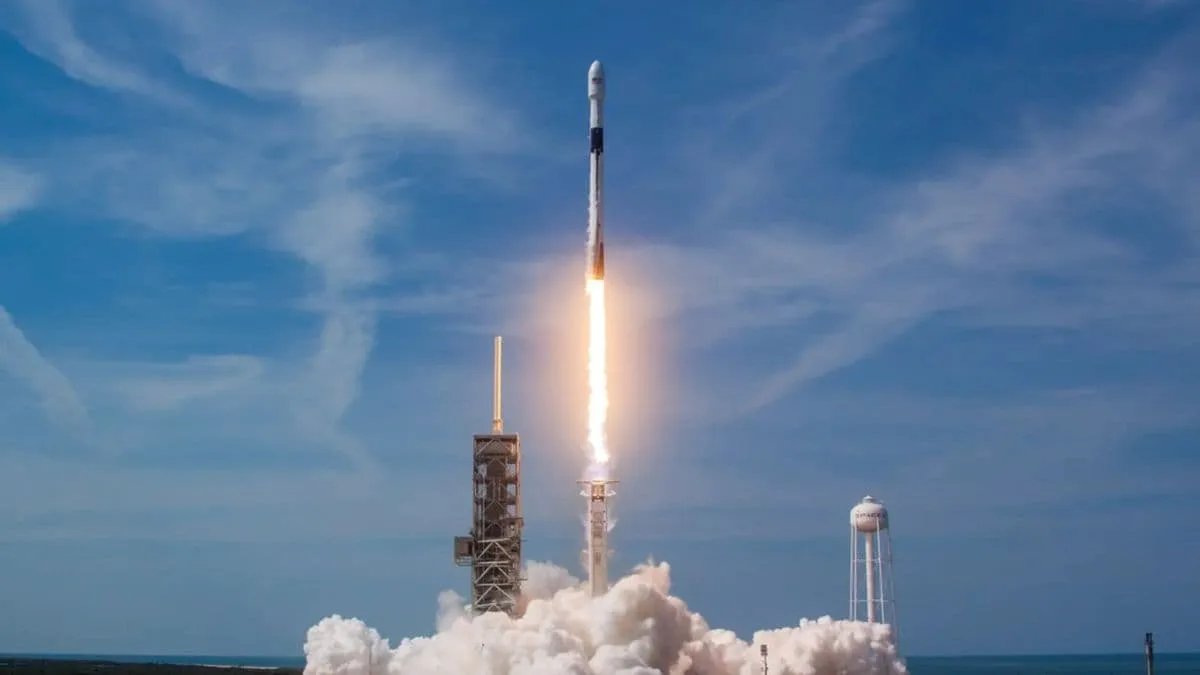
A hydraulics issue forced SpaceX to call off the scheduled launch of its Crew-10 mission to the International Space Station (ISS) on March 12, just 45 minutes before liftoff. The mission, carrying four astronauts, was set to depart aboard a Falcon 9 rocket from Kennedy Space Center in Florida at 7:48 p.m. EDT (2348 GMT). The problem was traced to a malfunction in the transporter-erector, the structure responsible for moving and supporting the rocket on the launchpad. NASA astronaut Anne McClain, the mission commander, addressed the situation, stating that the crew would be ready once the issue was resolved. No faults were reported with the Falcon 9 rocket or the Crew Dragon capsule, named Endurance.

Technical Fault Identified in Transporter-Erector

As reported, according to NASA, the detected issue involved a clamp arm on the transporter-erector, which plays a critical role in securing the rocket before liftoff. Mike Ravenscroft, NASA’s Commercial Crew Program launch vehicle office manager, explained that the concern was related to how the Falcon 9 is held in place at the time of release. SpaceX and NASA engineers conducted assessments before deciding to postpone the mission.

New Launch Attempt Scheduled for March 14

Following the delay, NASA confirmed that another attempt to launch Crew-10 is planned for March 14 at 7:03 p.m. EDT (2303 GMT). The four-member team includes NASA astronauts Anne McClain and Nichole Ayers, Japan Aerospace Exploration Agency’s (JAXA) Takuya Onishi, and Roscosmos cosmonaut Kirill Peskov. The mission aims to transport the crew to the ISS for a six-month stay, replacing the Crew-9 team, which includes astronauts Nick Hague, Sunita Williams, and Barry Wilmore, along with cosmonaut Aleksandr Gorbunov. The Crew-9 team is expected to return to Earth shortly after Crew-10 arrives.

Posted on

World’s Largest Iceberg A23a Grounds Near South Georgia, Raising Wildlife and Environmental Concerns

The world’s largest iceberg, A23a, has come to a standstill near South Georgia, a critical wildlife habitat in the South Atlantic. The British Antarctic Survey (BAS) confirmed on March 4 that the iceberg, comparable in size to Rhode Island, had run aground approximately 80 kilometres from the island. Having drifted through the Southern Ocean for months, its trajectory has been closely monitored by researchers. Scientists are now evaluating its potential impact on the region’s delicate ecosystem, particularly its effect on penguins, seals, and marine life.

Iceberg’s Journey and Previous Movements

According to the British Antarctic Survey, A23a initially calved from Antarctica’s Filchner Ice Shelf in 1986 but remained grounded on the seabed for decades. It began moving again in 2020, later getting temporarily stuck near the South Orkney Islands in early 2024. After breaking free in December, it continued northwards toward South Georgia. Scientists had previously raised concerns over its approach, fearing disruptions to the region’s biodiversity.

Impact on Wildlife and Marine Ecosystem

As reported by the BBC, Andrew Meijers, an oceanographer at the British Antarctic Survey, stated that if A23a remains stationary, significant threats to local wildlife are unlikely. However, should the iceberg shift closer to the island or fragment, challenges could arise. Meijers noted that disruptions to feeding pathways may force adult penguins and seals to travel longer distances, reducing the food supply for their offspring and potentially increasing mortality rates.

Potential Benefits and Risks

Marine ecologist Nadine Johnston told the BBC that the iceberg could also stimulate ocean productivity by introducing essential nutrients into surrounding waters. She described this phenomenon as a “nutrient bomb” that could enhance food availability for predators such as penguins and seals. On the other hand, commercial fishing operations may face obstacles. As per BAS reports, previous iceberg breakups have disrupted fisheries, and A23a’s eventual fragmentation could pose navigation hazards.

Ongoing monitoring will determine how A23a’s presence affects the South Georgia ecosystem in the coming months.

For details of the latest launches and news from Samsung, Xiaomi, Realme, OnePlus, Oppo and other companies at the Mobile World Congress in Barcelona, visit our MWC 2025 hub.

SpaceX Starship Flight 8: Booster Caught, Upper Stage Lost Again in Mid-Flight

Poco F7 Ultra With Snapdragon 8 Elite SoC Spotted on Geekbench AI

Posted on

Astronaut Captures Rare ‘Gigantic Jet’ Lightning Extending 50 Miles Above Earth

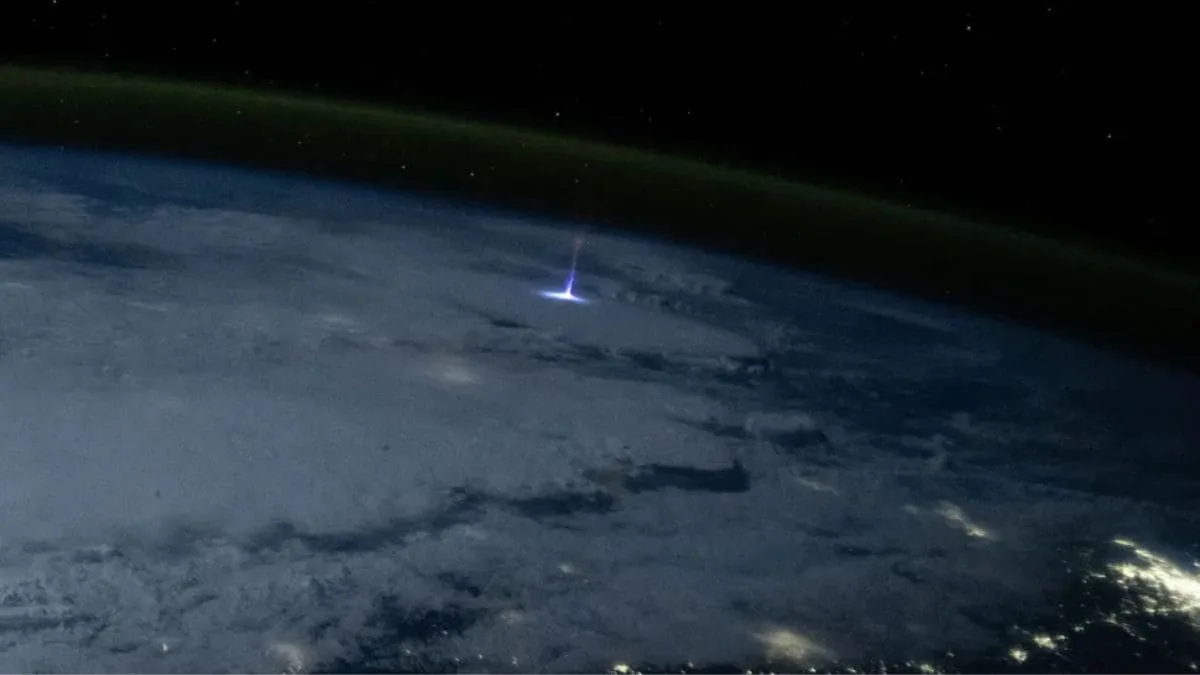
A rare ‘gigantic jet’ of lightning has been photographed from space, extending nearly 50 miles above the U.S. coastline. The image was taken by an astronaut aboard the International Space Station (ISS) on November 19, 2024, but was not immediately shared by space agencies. The phenomenon was later discovered on NASA’s Gateway to Astronaut Photography of Earth website by photographer Frankie Lucena, who specialises in capturing rare lightning events. The images were subsequently highlighted by Spaceweather.com on February 26.

Jet Likely Originated Over Louisiana

According to Spaceweather.com, the ISS was positioned over the Gulf of Mexico at the time of the capture, suggesting that the lightning jet likely originated from a thunderstorm near New Orleans. Due to dense cloud cover in the image, the precise location could not be determined. Four images of lightning were identified in the astronaut’s photography sequence, but only one captured the distinct upward-shooting jet.

Understanding Gigantic Jets

Gigantic jets are powerful electrical discharges that travel upward from thunderstorms when charge layers within the clouds become inverted. Unlike conventional lightning that strikes downward, these jets extend into the ionosphere, the atmospheric layer beginning around 50 miles above the Earth’s surface. As per Spaceweather.com, these jets emit a blue glow due to interactions with nitrogen in the upper atmosphere and last for less than a second.

Uncommon but Extremely Powerful

Reports indicate that while gigantic jets were first documented in 2001, scientists estimate that around 1,000 could occur annually, though most go undetected. The most powerful recorded jet was observed in May 2018 over Oklahoma, carrying nearly 60 times the energy of a typical lightning strike. These events often conclude with red branching tendrils, similar to lightning phenomena known as sprites, but classified as separate occurrences.

For details of the latest launches and news from Samsung, Xiaomi, Realme, OnePlus, Oppo and other companies at the Mobile World Congress in Barcelona, visit our MWC 2025 hub.

Solar Storm to Trigger Northern Lights in US: Visibility, Timing & Impact

Infinix GT 30 Pro Key Features Surface Online; Tipped to Get Gaming Trigger Buttons

Posted on

SpaceX Successfully Deploys 21 Starlink Satellites, Loses Falcon 9 Booster

A Falcon 9 rocket carrying 21 Starlink satellites was launched by SpaceX from Cape Canaveral Space Force Station on March 2. Liftoff took place at 9:24 p.m. ET on March 3, with the mission including 13 satellites equipped with direct-to-cell capabilities. The first stage of the rocket successfully landed on the droneship “Just Read the Instructions” stationed approximately 400 kilometres off Florida’s coast. However, the booster, designated B1086, was lost shortly after landing due to damage sustained by one of its landing legs.

Booster Loss After Landing

According to SpaceX, a fire at the aft end of the booster resulted in structural damage, leading to its collapse. The incident occurred after the rocket had completed its return to Earth and made contact with the landing platform. Data from this failure will be examined to improve the reliability of future Falcon 9 missions, as stated in SpaceX’s official mission description.

Mission Details and Starlink Expansion

The deployment of the 21 satellites took place approximately 65 minutes after launch, marking another step in the expansion of SpaceX’s Starlink constellation. More than 7,000 operational Starlink satellites are currently in orbit, contributing to global broadband coverage.

This launch marked the Falcon 9 booster’s fifth and final flight. The B1086 had previously been used for three Starlink missions, as well as the GOES-U and Maxar 3 missions. SpaceX has completed 26 Falcon 9 missions in 2025, with 19 dedicated to Starlink. The company continues to advance its satellite network despite the loss of the booster in this mission.

For details of the latest launches and news from Samsung, Xiaomi, Realme, OnePlus, Oppo and other companies at the Mobile World Congress in Barcelona, visit our MWC 2025 hub.

Posted on

Solar System’s Journey Through Orion Complex May Have Altered Earth’s Climate

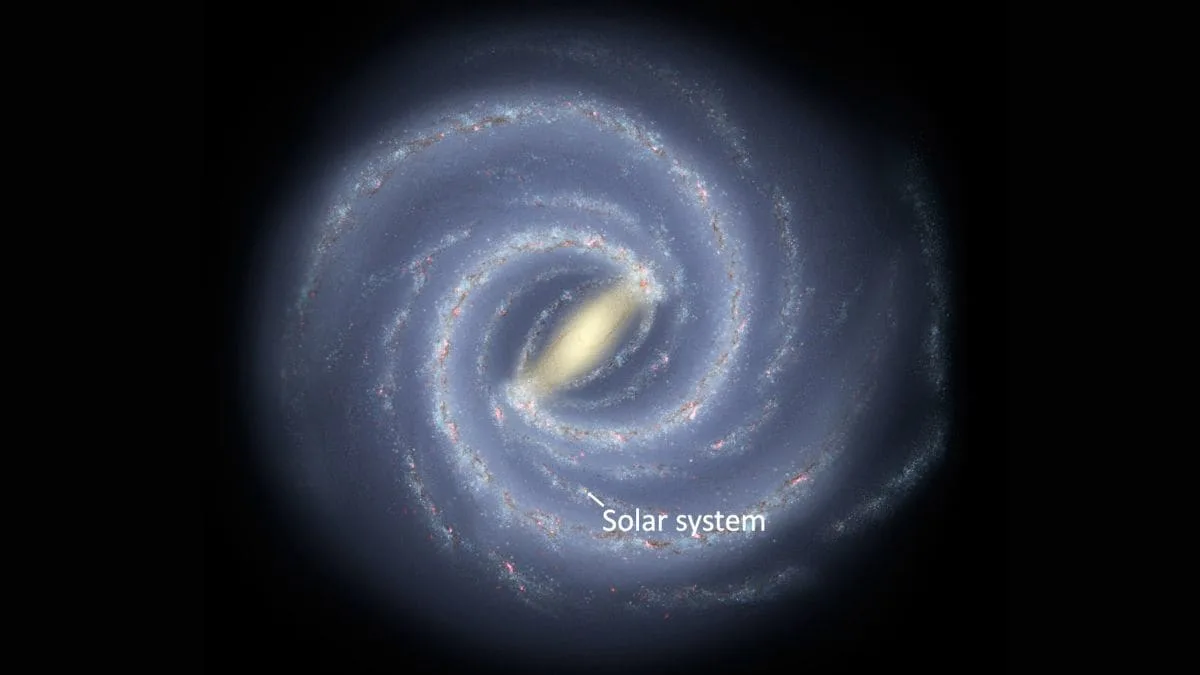
The movement of the solar system through the Orion star-forming complex around 14 million years ago may have influenced Earth’s climate, according to scientists. This dense region of space, part of the Radcliffe Wave galactic structure, could have compressed the heliosphere—the protective shield surrounding the solar system—while increasing interstellar dust reaching Earth. Researchers suggest that this influx of cosmic dust might have left traces in geological records, potentially linking galactic activity to past climate changes.

Solar System’s Passage Through the Radcliffe Wave

According to the study published in Astronomy & Astrophysics, an international research team led by the University of Vienna used data from the European Space Agency’s Gaia mission and spectroscopic observations to determine that the solar system moved through the Radcliffe Wave in the Orion constellation between 18.2 and 11.5 million years ago. The most probable period was estimated between 14.8 and 12.4 million years ago. João Alves, Professor of Astrophysics at the University of Vienna and co-author of the study, stated to Phys.org, that this research builds on prior findings regarding the Radcliffe Wave. This structure, made up of interconnected star-forming regions, includes the Orion complex, which the sun is believed to have passed through.

Potential Impact on Earth’s Climate

The study suggests that the increased presence of interstellar dust may have influenced Earth’s atmosphere. Efrem Maconi, lead author and doctoral student at the University of Vienna, said that this dust might have contained traces of radioactive elements from supernovae, which could be detected in geological records using advanced technology in the future.

The solar system’s passage aligns with the Middle Miocene Climate Transition, a period marked by a shift from a warmer, variable climate to a cooler one, leading to the development of Antarctic ice sheets. Scientists highlight that while interstellar dust could have played a role, the dominant factor in this climate change was a long-term decrease in atmospheric carbon dioxide levels.

Not Comparable to Human-Induced Climate Change

Maconi noted that while interstellar dust could have contributed to past climate shifts, the amount required for significant change would need to be much greater than current data suggests. The Middle Miocene Climate Transition unfolded over hundreds of thousands of years, unlike modern climate change, which is occurring rapidly due to human activities

For details of the latest launches and news from Samsung, Xiaomi, Realme, OnePlus, Oppo and other companies at the Mobile World Congress in Barcelona, visit our MWC 2025 hub.

Posted on

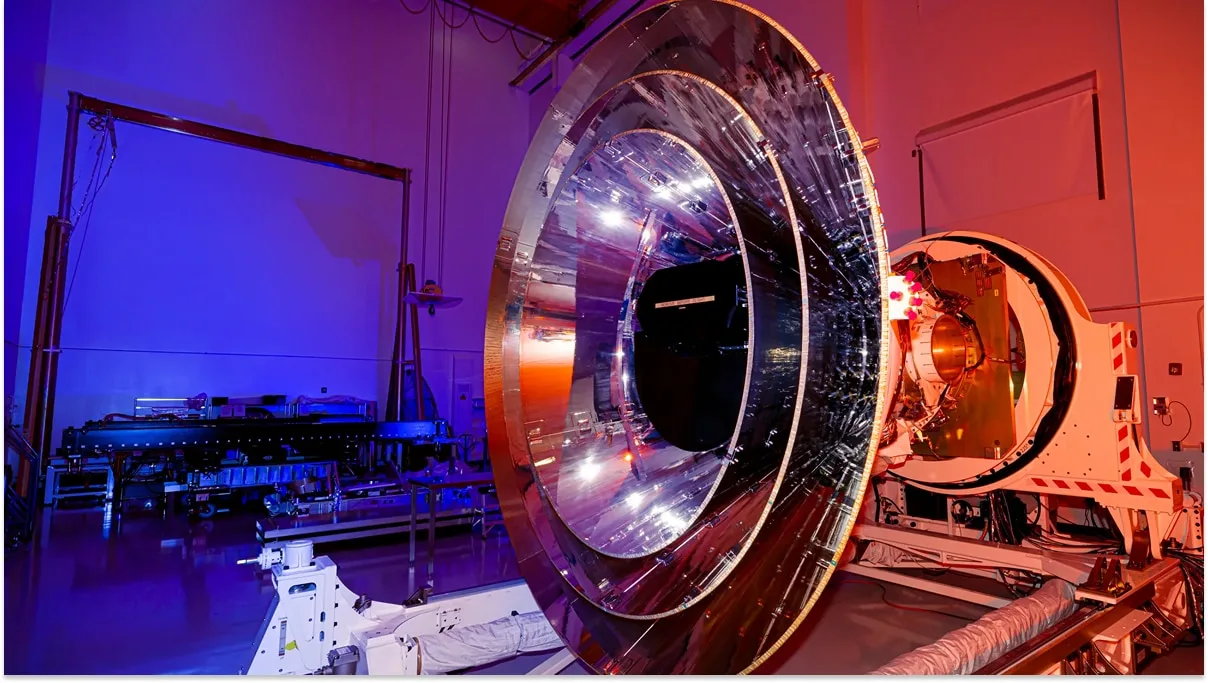
NASA’s SPHEREx Telescope Launching Aboard SpaceX Falcon 9 to Explore Cosmic Evolution

NASA’s latest infrared space telescope, SPHEREx (Spectro-Photometer for the History of the Universe, Epoch of Reionization and Ices Explorer), is set for launch on 28th February. The mission, valued at $488 million, will take off from Vandenberg Space Force Base in California aboard a SpaceX Falcon 9 rocket. Designed to scan the entire sky in infrared light, it will collect data from over 450 million galaxies and 100 million stars in the Milky Way. The telescope’s observations will focus on regions of the universe that are typically too distant or faint for conventional telescopes.

Scientific Objectives

According to NASA, the primary aim of SPHEREx is to enhance understanding of cosmic inflation, the rapid expansion of the universe that occurred within the first second following the Big Bang. By mapping the large-scale structure of the cosmos, the telescope will provide insight into how galaxies formed and evolved. Scientists also anticipate that its data will help track the presence and distribution of icy molecules in interstellar space, shedding light on the origins of water and essential organic compounds required for life.

Technical Capabilities

As per NASA’s Jet Propulsion Laboratory (JPL), SPHEREx weighs approximately 500 kilograms and operates on 270 to 300 watts of power. It is fitted with a spectrophotometer capable of detecting 102 different wavelengths of light, which allows it to identify unique chemical signatures of molecules across space. James Fanson, Project Manager at JPL, told NPR that unexpected discoveries are likely to emerge from the mission’s data.

Accompanying Mission

As reported, SPHEREx will not be the sole payload on this launch. It will share the Falcon 9 with PUNCH (Polarimeter to Unify the Corona and Heliosphere), a NASA mission consisting of four satellites that will examine the sun’s outer atmosphere and solar wind dynamics. Together, these missions aim to deepen scientific knowledge of both the distant universe and the immediate solar environment.

Posted on

ISRO Unveils World’s Largest 10-Tonne Vertical Mixer for Solid Propellants

A significant advancement in India’s space technology has been achieved with the development of a 10-tonne vertical planetary mixer, the largest globally for solid propellant production. Designed and manufactured through a collaboration between the Indian Space Research Organisation (ISRO) and the Central Manufacturing Technology Institute (CMTI), this new equipment is expected to enhance efficiency and safety in the manufacturing of solid rocket motors. The handover ceremony took place on February 13 at CMTI, Bengaluru, where Satish Dhawan Space Centre (SDSC) Director A. Rajarajan received the mixer in the presence of ISRO Chairman S. Somanath and CMTI Director K. Prasad.

Enhancing Solid Propellant Production

As reported by ISRO, according to ISRO, the new vertical planetary mixer is a critical addition to India’s space propulsion systems. Solid propellants, which serve as the backbone of rocket motors, require precise and controlled mixing due to the sensitivity of the materials involved. The newly developed mixer, weighing approximately 150 tonnes with dimensions of 5.4 metres in length, 3.3 metres in breadth, and 8.7 metres in height, will improve the consistency, quality, and scalability of solid propellant production.

Towards Self-Reliance in Space Technology

As part of India’s push for self-reliance in critical technologies, the Department of Space has undertaken multiple initiatives to develop indigenous manufacturing capabilities. The realisation of this mixer underscores India’s increasing capability in aerospace engineering and manufacturing. The equipment has undergone successful factory-level acceptance tests and is set to play a key role in advancing the country’s space transportation systems.

Future Implications for ISRO’s Missions

With an emphasis on improving safety and productivity, the newly developed mixer is expected to streamline the process of solid propellant preparation for future ISRO missions. The technology is set to support upcoming launch vehicle developments, reinforcing India’s position in the global space industry.

Posted on

New Farm Fertilizer Could Remove CO2 from Air, Improve Soil Quality

A potential method to reduce carbon dioxide (CO2) levels in the atmosphere has been identified, involving a material that could be used in agriculture. This approach utilises specific minerals to accelerate the natural process of carbon mineralisation, a method that could significantly impact carbon removal efforts. Research suggests that by modifying certain minerals, CO2 can be absorbed and locked into stable compounds much faster than traditional methods, potentially sequestering billions of tons annually. Scientists believe this innovation could complement existing climate mitigation strategies while benefiting agricultural practices.

Study Identifies Faster Carbon Capture Process

According to a study published in Nature, researchers have found that calcium silicates react with CO2 more efficiently than the traditionally used magnesium silicates. This reaction speed makes them a promising option for large-scale CO2 removal. The study, led by Stanford University chemist Matthew Kanan and postdoctoral researcher Yuxuan Chen, suggests that integrating these materials into agricultural soils could provide a dual benefit—enhancing soil quality while removing atmospheric CO2.

Mineral Conversion Could Enhance Efficiency

A method was developed to produce calcium silicates by heating a mixture of calcium oxide (CaO) and magnesium silicates at high temperatures. This process, which facilitates a mineral exchange, resulted in a material that binds CO2 thousands of times faster than natural weathering. Speaking to Science, Kanan noted that while magnesium silicates are abundant, calcium silicates are less available and require processing. The study outlines a technique to produce CaO from limestone, though capturing emissions from this process remains a challenge.

Practical Implications for Agriculture

Farmers currently use calcium carbonate to reduce soil acidity, applying about a billion tons annually. Replacing it with calcium silicate and magnesium oxide could serve the same purpose while also capturing CO2. Field trials have been initiated in Louisiana and New Jersey to assess potential impacts on soil health. According to reports, concerns regarding impurities in the minerals, such as trace metals, are being examined before large-scale implementation.

For the latest tech news and reviews, follow Gadgets 360 on X, Facebook, WhatsApp, Threads and Google News. For the latest videos on gadgets and tech, subscribe to our YouTube channel. If you want to know everything about top influencers, follow our in-house Who’sThat360 on Instagram and YouTube.

Tecno Camon 40 Series Set to Debut at MWC 2025; Will Feature Upgraded Universal Tone

Pixar’s Win or Lose Now Streaming on JioHotstar: Everything You Need to Know

Posted on

Ancient 2,000-Year-Old Sword Found in Poland Linked to Vandal Warrior Burial

A metal detector search for World War II relics in a forested area of Poland has led to the discovery of a much older artifact—a broken sword believed to be nearly 2,000 years old. Found in the Jura region of southern Poland, the sword was intentionally shattered into three pieces and is thought to have belonged to a Germanic warrior from the Vandal tribes. The object is undergoing further examination to determine its exact historical significance.

Weapon Identified as a Double-Edged Spatha

As reported by Live Science, according to research conducted at the Częstochowa Museum, the unearthed sword has been identified as a spatha, a double-edged broadsword commonly used by mounted Germanic warriors during the Roman Empire. This style of weapon was widely employed from the third century BCE to the fifth century CE. Southern Poland, where the artifact was found, was home to the Przeworsk culture during this period, which included the Vandals.

Evidence of Ritualistic Weapon Destruction

In a statement to Live Science, Mariusz Włudarz, President of the Inventum Association, explained that the sword had been deliberately broken as part of a funeral ritual. As per reports, the warrior’s weapon was shattered and placed on a cremation pyre, a practice commonly observed in Przeworsk culture. Historical records indicate that damaged weapons, including bent swords and altered shields, were often buried with fallen warriors, a tradition possibly inherited from Celtic customs.

Ongoing Research and Preservation Efforts

Investigations are currently being carried out at the Częstochowa Museum to analyse the composition and history of the sword. The precise location of the discovery is being kept confidential while further searches in the area are conducted. Once initial research is completed, the artifact is expected to undergo conservation work before being placed on display at the Mokra Museum.

The discovery adds to existing archaeological evidence of burial traditions associated with Germanic tribes and may provide further insights into Vandal funerary customs and their interactions with the Roman Empire.

For the latest tech news and reviews, follow Gadgets 360 on X, Facebook, WhatsApp, Threads and Google News. For the latest videos on gadgets and tech, subscribe to our YouTube channel. If you want to know everything about top influencers, follow our in-house Who’sThat360 on Instagram and YouTube.

iPhone 16e Features a Binned Version of Apple’s A18 Chipset With Fewer Cores

Bhoothaddam Bhaskar Narayana Now Streaming on Amazon Prime Video

Posted on

Solar Sail Satellites Could Enhance Space Weather Forecasting and Alerts

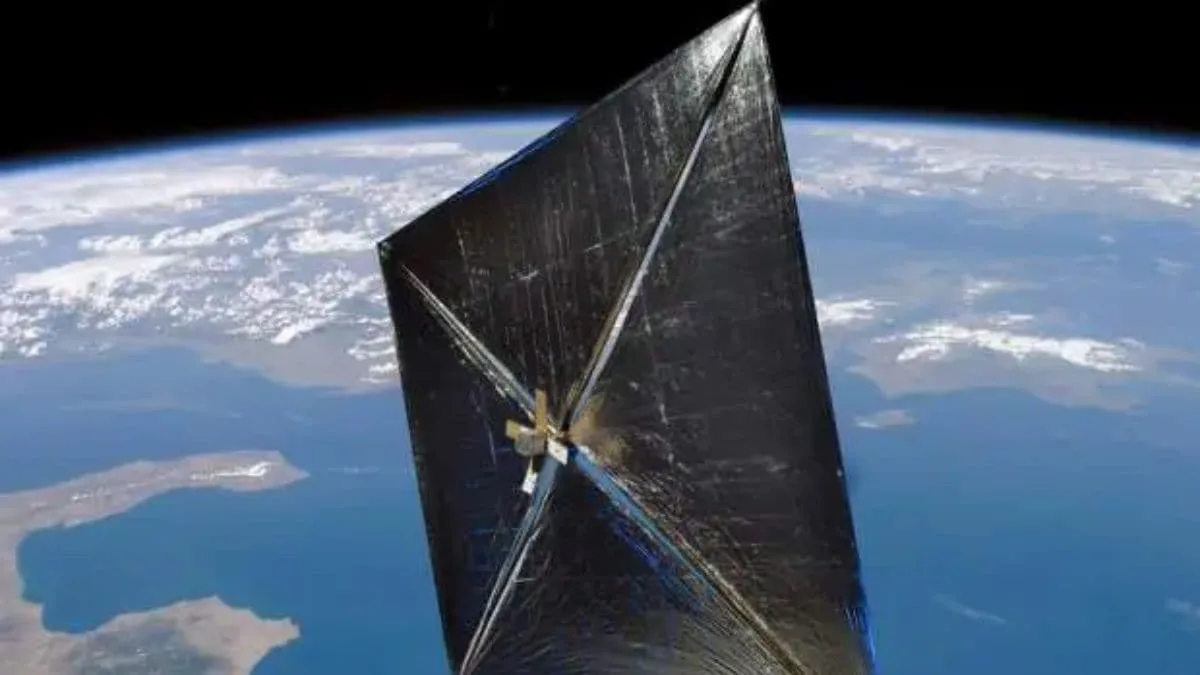
Satellites equipped with solar sails may soon improve early warnings for space weather events that could disrupt technological infrastructure on Earth. These sails, which harness light from the sun for propulsion, are being explored as a cost-effective alternative to traditional propulsion systems. Scientists believe this advancement could enhance monitoring of solar activity and provide earlier alerts for geomagnetic storms, reducing potential risks to power grids, satellites, GPS systems, and air traffic operations. Current space weather forecasting systems operate from a fixed point in space, but solar sail technology could allow satellites to move beyond conventional locations for improved data collection.

Advancement in Space Weather Forecasting

As reported by space.com, according to the National Oceanic and Atmospheric Administration’s (NOAA) Office of Space Weather Observations, which manages operational satellite systems, solar sails could allow spacecraft to travel beyond the Earth-sun Lagrange Point One (L1). This location, approximately 1.5 million kilometres from Earth, provides a stable position for solar observation. Irfan Azeem, Division Chief of the Research to Operations and Project Planning Division at NOAA, told Space.com that solar sails present a more efficient alternative to chemical propulsion, enabling satellites to move upstream of L1 for faster data retrieval. This could extend alert times for geomagnetic storms by up to 50 percent.

New Mission Underway

A project named Solar Cruiser, a collaboration between NOAA and NASA, is focused on developing a full-scale solar sail spacecraft. The sail, spanning 1,653 square metres, is designed to be deployed with four individual quadrants. NOAA has reported that the construction of the quadrants is expected to be completed by February 2026, with plans to secure a rideshare launch by 2029. Scientists are optimistic about the impact of this technology in space weather forecasting, as it could provide earlier detection of solar flares and coronal mass ejections, ultimately improving preparedness for disruptive space weather events.

For the latest tech news and reviews, follow Gadgets 360 on X, Facebook, WhatsApp, Threads and Google News. For the latest videos on gadgets and tech, subscribe to our YouTube channel. If you want to know everything about top influencers, follow our in-house Who’sThat360 on Instagram and YouTube.

OpenAI Will Not Launch o3 as Standalone AI Model in Favour of Unified GPT-5

New Downloads of DeepSeek Suspended in South Korea, Data Protection Agency Says

Related Stories