
Researchers from the University of Colorado Boulder have identified hydrogen molecules as a key factor in lithium-ion battery degradation. This discovery could lead to the development of longer-lasting batteries, which would enhance the driving range of electric vehicles and improve renewable energy storage. By addressing issues like self-discharge and reducing relian…
Category: science
Auto Added by WPeMatico
Strange Fish Species Might Be Able to Taste Using Its Crab-Like Legs, Study Claims
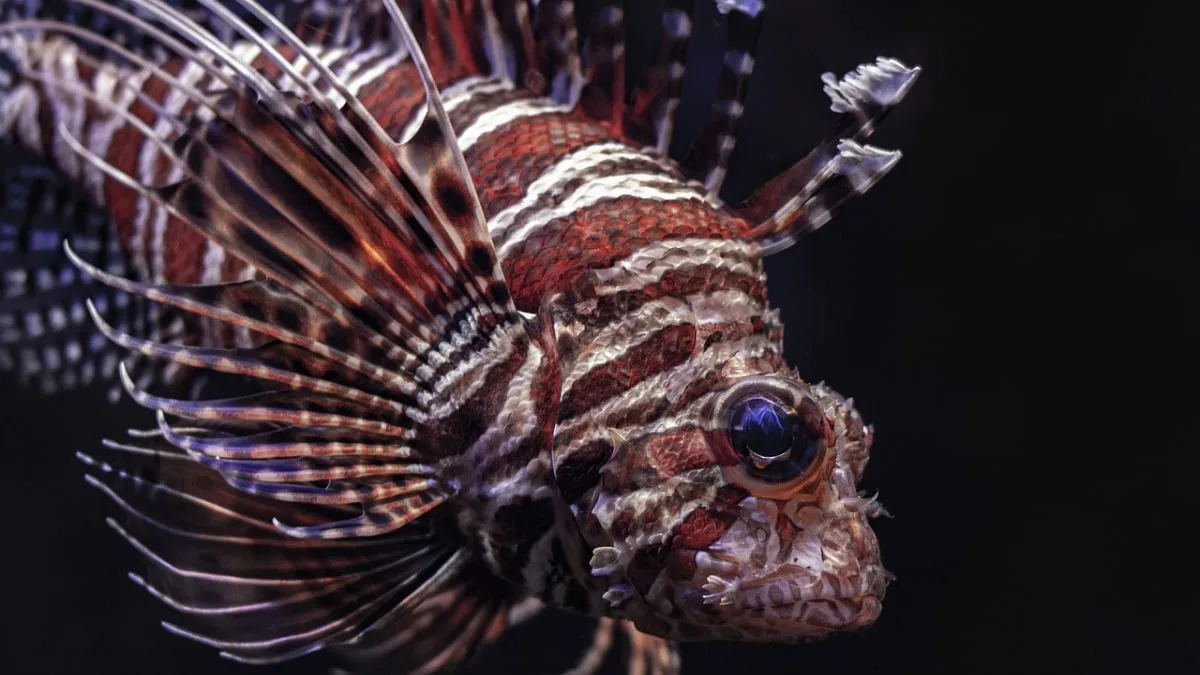

The
northern
sea
robin
(Prionotus
carolinus)
is
an
intriguing
marine
species
known
for
its
remarkable
adaptations.
Unlike
most
fish,
this
species
employs
its
six
leg-like
appendages
to
navigate
the
ocean
floor.
This
ability
allows
it
not
only
to
move
but
also
to
explore
the
sea
bed
in
search
of
food.
While
this
capability
was
long
known
in
the
scientific
community,
another
strange
use
case
of
its
leg
was
recently
discovered.
Sensory
Capabilities
of
Sea
Robins
Recent
studies
have
illuminated
how
these
legs
function
as
sensory
organs.
Researchers
observed
that
the
northern
sea
robin
is
capable
of
detecting
buried
prey
through
chemical
cues
released
into
the
water.
Using
its
shovel-like
feet,
the
fish
can
unearth
hidden
food
sources,
demonstrating
a
unique
blend
of
mobility
and
sensory
detection.
Research
Collaboration
and
Findings
A
collaborative
research
effort
involving
developmental
biologist
David
Kingsley
from
Stanford
University
and
molecular
biologist
Nicholas
Bellono
from
Harvard
University
examined
the
sea
robin’s
sensory
adaptations.
The
study
was
published
in
the
journal
Current
Biology.
Their
experiments
placed
the
fish
in
environments
with
buried
mussels
and
amino-acid
capsules.
The
results
confirmed
the
fish’s
efficiency
in
locating
and
retrieving
these
hidden
items,
thanks
to
the
specialized
bumps
on
its
legs,
known
as
papillae,
which
house
taste
receptors.
Evolutionary
Insights
into
Adaptation
The
evolutionary
background
of
the
northern
sea
robin
reveals
an
intriguing
narrative.
An
evolutionary
analysis
of
various
sea
robin
species
indicated
that
while
the
legs
initially
developed
for
locomotion,
their
sensory
capabilities
evolved
later.
The
researchers
identified
the
tbx3a
gene
as
a
key
factor
in
the
development
of
these
legs,
and
using
CRISPR
technology,
they
demonstrated
that
altering
this
gene
can
impact
both
leg
formation
and
sensory
function.
Conclusion:
Implications
of
the
Research
The
findings
from
this
research
not
only
enhance
our
understanding
of
the
northern
sea
robin
but
also
provide
broader
insights
into
how
species
adapt
over
time.
By
exploring
the
genetic
and
evolutionary
pathways
that
led
to
such
unique
adaptations,
scientists
can
better
understand
the
complexities
of
marine
life
and
the
evolutionary
processes
that
shape
it.
Exoplanet Orbiting a White Dwarf Star Gives Researchers Hope That Earth Might Escape Its Eventual Death
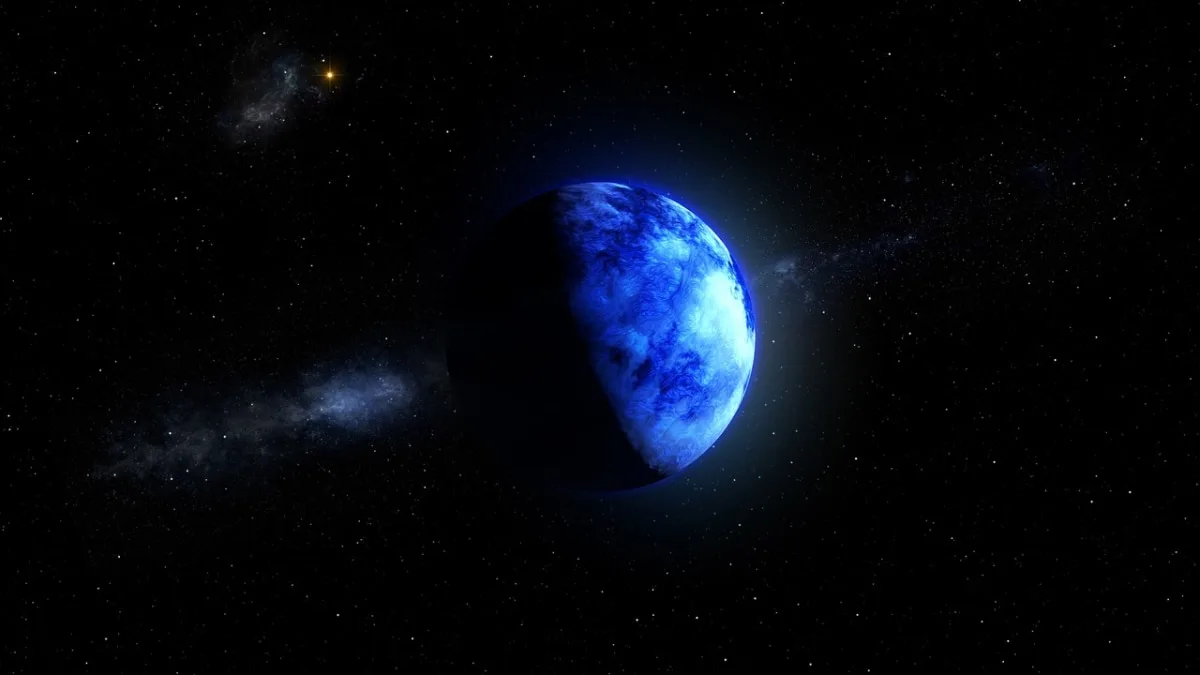

A
planetary
system
anchored
by
a
white
dwarf
star,
located
approximately
4,000
light-years
away,
provides
astronomers
with
insights
into
what
could
happen
to
our
Sun
and
Earth
in
about
8
billion
years.
This
scenario
unfolds
if
the
Earth
survives
the
Sun’s
transformation
into
a
red
giant,
expected
to
occur
in
5
to
6
billion
years.
During
this
phase,
the
Sun
will
expand,
potentially
engulfing
Mercury,
Venus,
and
possibly
Earth
before
shrinking
into
a
white
dwarf.
The
Potential
for
Earth’s
Survival
One
scenario
for
Earth’s
survival
involves
its
migration
to
an
orbit
similar
to
Mars
or
beyond,
resulting
in
a
radiation-battered
yet
frozen
world
orbiting
a
burnt-out
star,
as
per
a
study
published
in
the
journal
Nature
Astronomy.
The
newly
discovered
system
reveals
a
white
dwarf
with
half
the
mass
of
the
Sun
and
an
Earth-sized
planet
in
a
wider
orbit,
showcasing
what
a
surviving
Earth
might
resemble.
Keming
Zhang,
a
researcher
from
the
University
of
California,
San
Diego,
highlighted
that
there
is
no
consensus
on
whether
Earth
could
escape
being
swallowed
by
the
red
giant
Sun.
This
system
stands
out
because
it
also
contains
a
massive
companion,
likely
a
brown
dwarf,
which
is
a
stellar
body
that
fails
to
ignite
nuclear
fusion.
The
Discovery
Process
The
planetary
system
was
identified
through
a
microlensing
event,
where
the
gravitational
influence
of
a
body
distorts
the
light
from
a
more
distant
source.
Observations
of
this
event,
dubbed
KMT-2020-BLG-0414,
were
conducted
using
the
Korea
Microlensing
Telescope
Network.
The
investigation
continued
with
the
Keck
telescopes
in
Hawaii,
ultimately
confirming
the
nature
of
the
central
star
as
a
white
dwarf
based
on
the
absence
of
light
expected
from
a
main
sequence
star.
Future
Habitable
Possibilities
While
this
discovery
suggests
that
Earth
could
escape
destruction,
it
raises
questions
about
the
potential
for
life
to
persist
on
our
planet.
Jessica
Lu,
an
astronomer
at
UC
Berkeley,
noted
that
while
Earth
may
avoid
being
engulfed,
it
might
not
remain
habitable
during
the
Sun’s
red
giant
phase.
The
habitable
zone
will
shift
beyond
Earth’s
orbit,
with
Zhang
suggesting
that
humanity
might
need
to
consider
migrating
to
the
moons
of
Jupiter
or
Saturn,
which
could
become
viable
ocean
worlds
as
the
Sun
expands.
Conclusion
This
research
illustrates
the
significance
of
microlensing
in
exploring
planetary
systems.
The
upcoming
Nancy
Grace
Roman
Telescope,
set
for
launch
in
2027,
is
expected
to
enhance
our
ability
to
discover
and
study
exoplanets,
potentially
unveiling
more
unique
configurations
in
the
cosmos.
Scuba Diving Lizards Use Air Bubbles to Breathe Underwater and Stay Hidden from Predators
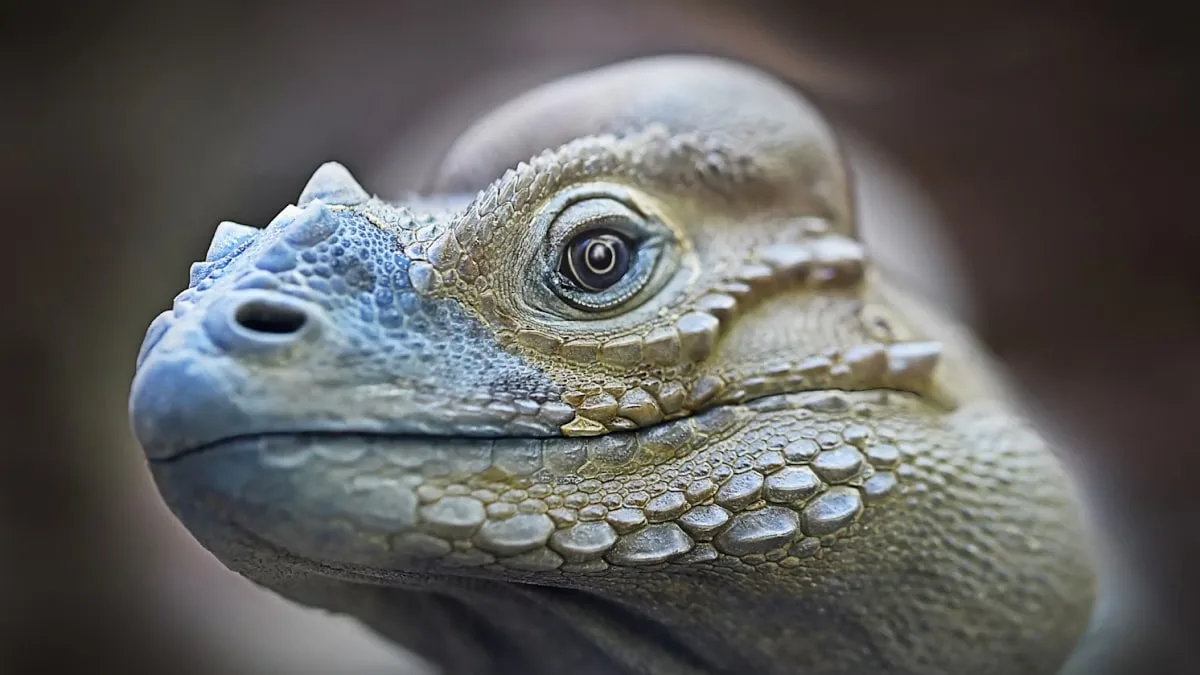

Semi-aquatic
lizards,
such
as
the
water
anole
(Anolis
aquaticus),
have
a
unique
ability
to
stay
submerged
for
extended
periods
by
creating
an
air
bubble
around
their
snout.
This
behaviour,
first
observed
in
2018,
has
now
been
confirmed
in
18
other
anole
species.
The
air
bubble
helps
the
lizards
breathe
while
underwater,
enabling
them
to
remain
hidden
from
predators
for
longer
durations.
Researchers
have
recently
discovered
that
this
bubble
is
not
just
a
side
effect
of
their
water-repellent
skin
but
plays
an
essential
role
in
their
survival.
Air
Bubbles
Extend
Dive
Times
In
a
study
led
by
Lindsey
Swierk,
assistant
research
professor
in
biological
sciences
at
Binghamton
University,
28
water
anoles
were
observed
to
determine
how
long
they
could
stay
underwater
with
and
without
their
air
bubble.
The
results
revealed
that
anoles
with
the
air
bubble
could
remain
submerged
32%
longer
than
those
without.
This
extra
time
underwater
helps
them
avoid
predators
in
their
natural
habitats
near
riverbanks
in
Costa
Rica
and
Panama.
How
the
Air
Bubble
Works
Water
anoles
produce
the
bubble
by
exhaling,
which
is
then
held
in
place
by
their
hydrophobic
skin.
As
they
dive,
the
bubble
expands
and
contracts,
allowing
the
lizard
to
redistribute
oxygen,
enabling
longer
dives.
The
longest
recorded
dive
for
an
unaltered
anole
during
the
study
lasted
over
five
minutes.
However,
anoles
whose
skin
was
treated
to
prevent
the
formation
of
the
bubble
had
shorter
dive
times.
Future
Research
on
Bubble
Breathing
Swierk
suggests
that
if
the
study
had
been
conducted
in
the
wild,
the
difference
in
dive
times
might
have
been
more
pronounced,
as
the
pressure
from
real
predators
could
push
the
lizards
to
stay
submerged
even
longer.
The
research
team
now
aims
to
explore
whether
the
bubbles
serve
as
a
“physical
gill,”
similar
to
how
diving
beetles
use
trapped
air
to
replenish
their
oxygen
supply.
Earth’s Temporary Second Moon: Asteroid 2024 PT5’s Two-Month Orbit Explained
An
asteroid,
about
the
size
of
a
city
bus,
will
soon
become
a
“mini-moon”
as
it
will
get
caught
in
Earth’s
gravitational
pull.
Named
2024
PT5,
this
asteroid
is
expected
to
enter
Earth’s
orbit
on
September
29,
2024,
and
will
stay
until
November
25.
While
the
term
“mini-moon”
may
sound
peculiar,
it
is
used
by
scientists
to
describe
any
small
celestial
body
temporarily
captured
by
Earth’s
gravity.
The
asteroid
was
discovered
by
the
ATLAS
(Asteroid
Terrestrial-impact
Last
Alert
System)
project
back
in
August.
Not
a
Rare
Occurrence
Mini-moons
are
not
as
rare
as
one
might
think.
These
space
objects
are
typically
small
asteroids
that
pass
close
enough
to
Earth
to
be
captured
by
its
gravity,
often
for
brief
periods.
2024
PT5
is
expected
to
stay
within
Earth’s
orbit
for
just
under
two
months
before
continuing
its
journey
through
space.
Similar
mini-moons
have
been
recorded
in
recent
years.
For
instance,
in
2020,
an
object
thought
to
be
a
mini-moon
was
later
identified
as
space
debris
from
a
1960s
rocket
launch.
However,
2024
PT5
is
believed
to
be
a
genuine
asteroid,
according
to
scientists
at
ATLAS.
A
Temporary
Flyby
Though
referred
to
as
a
mini-moon,
2024
PT5
won’t
complete
a
full
orbit
around
Earth.
Instead,
it
will
be
a
“temporarily
captured
flyby,”
circling
around
25
percent
of
the
planet’s
surface
before
heading
off
again
into
the
solar
system.
These
brief
encounters
are
common,
and
many
mini-moons
don’t
stick
around
long
enough
to
form
a
stable
orbit.
Can
You
See
It?
Unfortunately,
spotting
this
mini-moon
with
the
naked
eye
or
even
with
most
telescopes
will
be
nearly
impossible.
The
asteroid’s
magnitude,
or
brightness,
is
far
too
dim
to
be
detected
by
standard
amateur
astronomy
equipment.
Its
absolute
magnitude
is
reported
to
be
27.593,
much
fainter
than
what
can
be
observed
with
even
a
12-inch
telescope.
Only
the
most
advanced
observatories
will
be
able
to
track
this
mini-moon’s
brief
appearance.
For
the
latest
tech
news
and
reviews,
follow
Gadgets
360
on
X,
Facebook,
WhatsApp,
Threads
and
Google
News.
For
the
latest
videos
on
gadgets
and
tech,
subscribe
to
our
YouTube
channel.
If
you
want
to
know
everything
about
top
influencers,
follow
our
in-house
Who’sThat360
on
Instagram
and
YouTube.

NASA Hubble Space Telescope Finds a High Number of Black Holes in the Early Universe
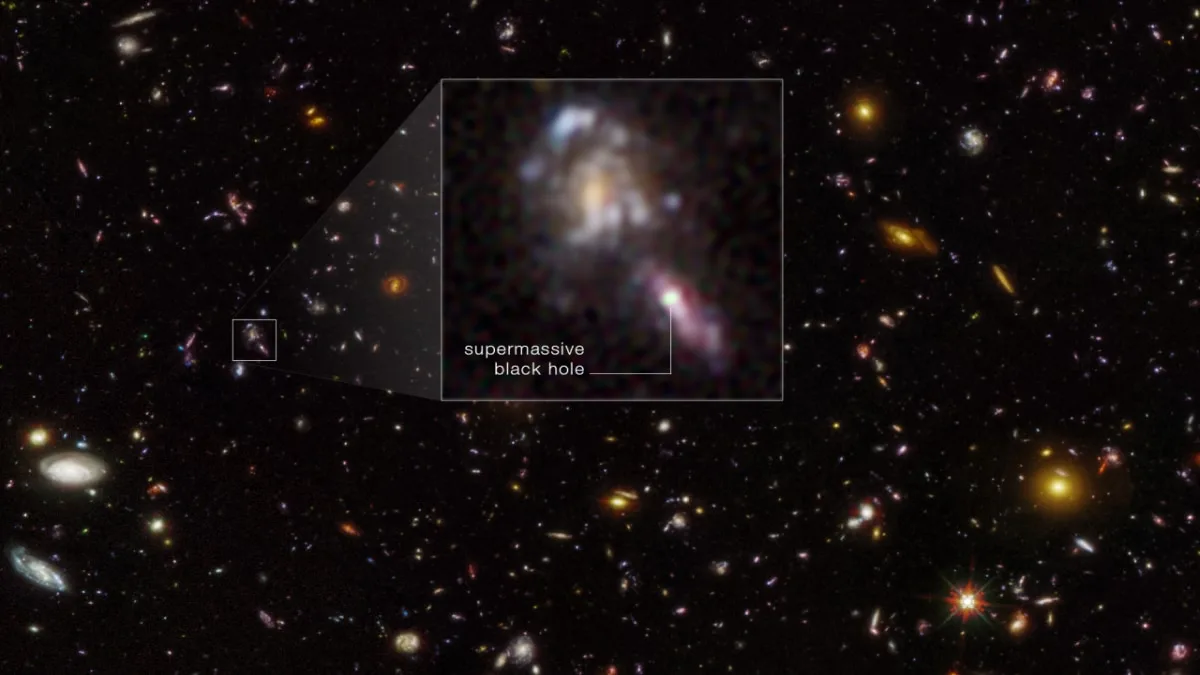
An
international
team
of
researchers,
led
by
scientists
from
Stockholm
University’s
Department
of
Astronomy,
has
discovered
a
higher
number
of
black
holes
in
the
early
universe
than
was
previously
recorded.
Using
the
NASA
Hubble
Space
Telescope,
this
team
found
black
holes
among
faint
galaxies
formed
shortly
after
the
Big
Bang
event.
These
findings
may
help
scientists
understand
how
supermassive
black
holes
were
formed
and
the
role
they
play
in
the
evolution
of
galaxies.
Hubble’s
data
was
gathered
from
years
of
observations
of
the
Ultra
Deep
Field
region.
Supermassive
Black
Holes
Found
in
Distant
Galaxies
One
of
the
key
discoveries
was
the
presence
of
supermassive
black
holes
at
the
centre
of
several
galaxies
formed
less
than
a
billion
years
after
the
big
bang.
These
black
holes
have
masses
equivalent
to
billions
of
suns,
far
larger
than
what
scientists
initially
predicted.
Alice
Young,
a
PhD
student
from
Stockholm
University
and
a
co-author
of
the
study
published
in
The
Astrophysical
Journal
Letters,
noted
that
these
black
holes
either
formed
as
extremely
massive
objects
or
grew
rapidly
in
the
early
universe.
Observing
Black
Holes
through
Variations
in
Brightness
The
research
team
re-photographed
the
same
region
over
several
years
using
Hubble,
allowing
them
to
measure
changes
in
galaxy
brightness.
These
changes
are
signals
of
black
holes
flickering
as
they
swallow
material
in
bursts.
Matthew
Hayes,
lead
author
and
professor
at
Stockholm
University,
explained
that
these
findings
help
improve
models
of
how
both
black
holes
and
galaxies
grow
and
interact
over
time.
Implications
for
Understanding
Galaxy
Formation
The
research
suggests
black
holes
likely
formed
from
the
collapse
of
massive
stars
in
the
universe’s
first
billion
years.
These
findings
provide
a
clearer
picture
of
black
hole
and
galaxy
evolution,
which
can
now
be
better
understood
through
more
accurate
scientific
models.
NASA Europa Clipper Mission to Launch on October 10, Will Study Jupiter’s Icy Moon Europa

NASA‘s
Europa
Clipper
mission
is
on
track
for
its
scheduled
October
10
launch,
aiming
to
explore
Jupiter’s
icy
moon,
Europa.
Scientists
believe
Europa
could
be
one
of
the
most
promising
places
to
find
the
conditions
for
life
beyond
Earth.
The
spacecraft
will
travel
1.8
billion
miles
(2.9
billion
kilometres)
to
study
whether
the
moon’s
icy
surface
hides
a
vast
ocean
beneath,
which
could
harbour
the
right
conditions
for
life.
The
mission,
however,
faces
challenges
due
to
intense
radiation
around
Jupiter.
Mission
preparations
and
potential
challenges
NASA’s
Europa
Clipper
will
launch
aboard
a
SpaceX
Falcon
Heavy
rocket
from
Kennedy
Space
Center
in
Florida.
Despite
concerns
over
some
defective
transistors
on
the
spacecraft,
the
mission
remains
on
schedule.
The
spacecraft
will
arrive
at
Jupiter
in
April
2030
and
conduct
49
flybys
of
Europa,
gathering
scientific
data
about
the
moon’s
environment.
Jordan
Evans,
Project
Manager
at
NASA’s
Jet
Propulsion
Laboratory
(JPL),
told Space.com that
intense
radiation
around
Jupiter
is
a
significant
challenge.
The
spacecraft
will
be
exposed
to
radiation
levels
equivalent
to
millions
of
chest
X-rays
during
each
flyby.
The
team
has
developed
a
trajectory
to
minimise
exposure,
allowing
the
spacecraft
to
complete
its
mission
and
return
valuable
data
to
Earth.
Investigating
Europa’s
icy
shell
and
subsurface
ocean
Europa
Clipper
will
use
its
suite
of
scientific
instruments
to
estimate
the
thickness
of
Europa’s
icy
crust
and
study
its
surface
for
signs
of
geological
activity.
Ann
Allen,
Deputy
Project
Scientist
at
the
National
Oceanographic
and
Atmospheric
Administration
(NOAA),
explained
that
the
spacecraft
will
search
for
organic
compounds,
though
it
will
not
directly
search
for
life.
Instead,
it
will
focus
on
finding
the
ingredients
that
could
make
life
possible
beneath
the
ice.
The
mission
is
designed
to
last
four
years
and
could
reveal
important
information
about
Europa’s
subsurface
ocean,
setting
the
stage
for
future
exploration.
New Group of Distant Objects Suggests Our Solar System May Have a Second Kuiper Belt

Recent
astronomical
discoveries
suggest
that
our
solar
system
could
be
much
larger
than
previously
thought,
with
the
potential
existence
of
a
second
Kuiper
Belt
beyond
the
one
we
know.
Using
the
powerful
Subaru
telescope,
astronomers
have
spotted
11
new
objects
orbiting
far
beyond
the
known
Kuiper
Belt,
indicating
the
presence
of
a
second
belt,
tentatively
named
“Kuiper
Belt
2.”
What
is
the
Kuiper
Belt?
The
Kuiper
Belt
is
a
distant
region
of
our
solar
system
located
beyond
Neptune,
stretching
from
about
33
to
55
astronomical
units
(AU).
It
contains
icy
bodies
and
comets
that
orbit
the
sun,
and
it
was
the
primary
target
for
NASA’s
New
Horizons
mission,
which
famously
explored
Pluto
in
2015.
Beyond
the
known
Kuiper
Belt
lies
a
vast,
unexplored
region
of
space,
where
scientists
now
believe
more
mysterious
objects
may
exist.
New
Discoveries
Beyond
the
Kuiper
Belt
Using
Subaru’s
Hyper
Suprime-Cam
(HSC),
scientists
found
239
Kuiper
Belt
objects
since
2020.
However,
the
most
significant
discovery
was
11
objects
located
between
70
and
90
AU
from
the
sun,
suggesting
the
existence
of
a
second,
more
distant
belt.
This
new
belt
could
extend
as
far
as
13.5
billion
kilometers
(8.4
billion
miles)
from
the
sun.
Notably,
there
is
a
gap
between
55
and
70
AU
where
no
objects
have
been
found,
further
supporting
the
idea
of
a
distinct
second
belt.
Implications
for
Our
Understanding
of
the
Solar
System
This
discovery
could
reshape
our
understanding
of
how
the
solar
system
formed.
For
years,
scientists
believed
that
the
Kuiper
Belt
was
unusually
small
compared
to
similar
belts
found
in
other
planetary
systems.
However,
the
identification
of
Kuiper
Belt
2
suggests
that
our
solar
system
may
be
more
typical
and
that
its
primordial
nebula
was
larger
than
initially
thought.
The
discovery
of
Kuiper
Belt
2
is
still
under
investigation,
but
it
hints
at
the
possibility
of
more
dwarf
planets
and
even
the
long-theorized
Planet
Nine.
As
astronomers
continue
to
observe
these
distant
objects,
we
may
uncover
even
more
surprises
in
the
outer
reaches
of
our
solar
system
as
a
preprint.
SpaceX Crew-9 Mission Launch Delayed to September 26 for Final Preparations
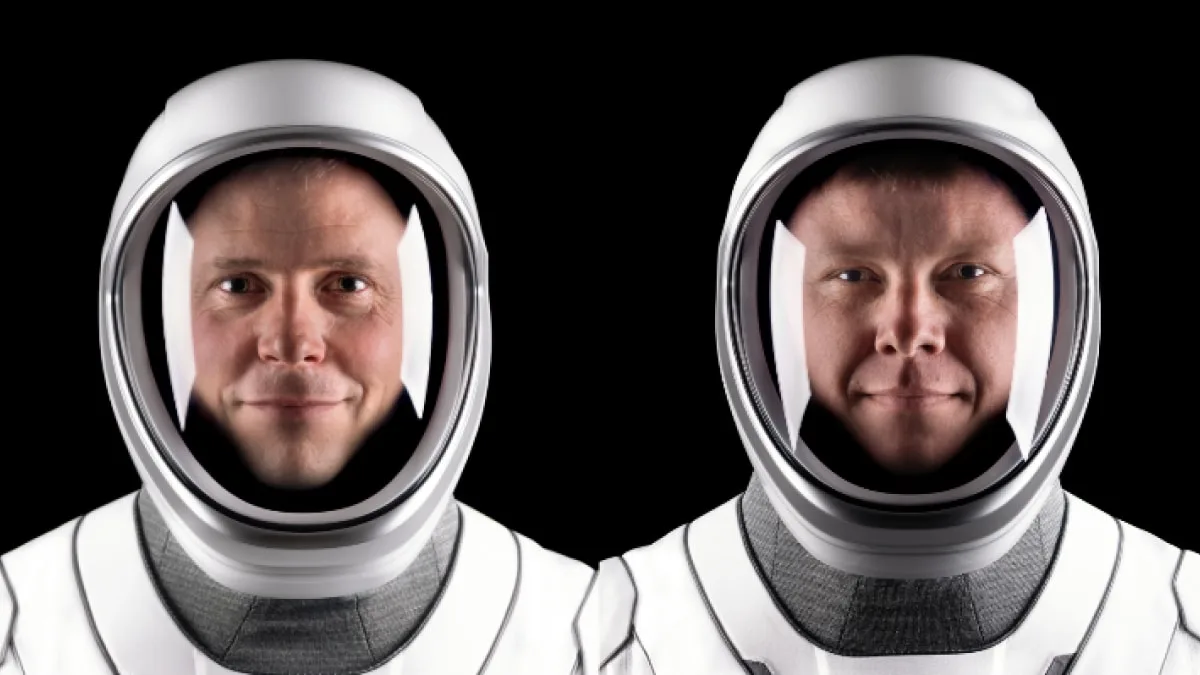
The
launch
of
SpaceX
Crew-9,
a
significant
mission
to
the
International
Space
Station
(ISS),
has
been
delayed
to
September
26,
2024.
This
change
allows
teams
to
complete
final
prelaunch
procedures
and
ensure
all
equipment
is
prepared.
The
delay
also
accounts
for
weather
conditions
and
other
prelaunch
checks.
The
launch,
initially
set
for
August
18,
will
now
occur
no
earlier
than
2:05
p.m.
EDT
(1805
GMT)
from
Space
Launch
Complex-40
at
Cape
Canaveral
Space
Force
Station
in
Florida.
Mission
Details
and
Crew
SpaceX
Crew-9
is
now
scheduled
to
carry
only
two
astronauts:
NASA
astronaut
and
U.S.
Space
Force
commander
Nick
Hague,
and
Russian
cosmonaut
Aleksandr
Gorbunov.
Hague
is
set
to
become
the
first
active
Space
Force
Guardian
to
fly
into
space.
Originally,
the
mission
was
to
include
NASA
astronauts
Zena
Cardman
and
Stephanie
Wilson,
but
their
seats
will
be
occupied
by
mass
simulators.
Cardman
and
Wilson
will
be
considered
for
future
missions
to
the
ISS.
Impact
of
the
Delay
The
delay
follows
issues
with
Boeing’s
Starliner
spacecraft,
which
affected
the
planned
return
of
ISS
astronauts
Butch
Wilmore
and
Suni
Williams.
The
astronauts,
who
arrived
at
the
ISS
aboard
Starliner,
will
now
return
to
Earth
on
SpaceX
Crew
Dragon.
This
adjustment
ensures
that
their
return
is
managed
safely
and
effectively.
The
Crew-9
mission’s
delay
provides
NASA
with
the
necessary
time
to
ensure
that
all
systems
are
functioning
properly
and
that
the
launch
will
proceed
smoothly.
Looking
Ahead
The
new
launch
date
allows
for
better
preparation
and
ensures
that
Crew-9’s
mission
objectives
are
met.
With
Crew-9
set
to
arrive
at
the
ISS,
the
spacecraft
will
also
provide
a
return
route
for
the
Starliner
astronauts.
This
adjustment
highlights
the
ongoing
efforts
to
maintain
ISS
operations
and
crew
rotations,
ensuring
that
the
space
station
remains
fully
operational
and
continues
to
support
scientific
research
and
international
collaboration.