
Posted on

OxygenOS 15 Global Launch Date Set for October 24, Company Teases AI Features

OxygenOS
15
will
begin
rolling
out
to
eligible
OnePlus
smartphone
and
tablet
models
later
this
month,
according
to
the
company.
The
Chinese
firm
has
confirmed
that
its
next
OxygenOS
update,
based
on
Android
15,
will
arrive
with
a
redesigned
interface,
multitasking
improvements,
and
smoother
animations.
The
upcoming
OxygenOS
15
release
will
also
introduce
support
for
new
features
powered
by
artificial
intelligence
(AI),
according
to
the
company. 

OxygenOS
15
Release
Date
Announced
by
OnePlus

OnePlus
confirmed
on
Thursday
that
OxygenOS
15
will
be
released
on
October
24
during
an
online
event
that
is
scheduled
to
begin
at
3:30pm
IST.
Last
year,
the
smartphone
maker
released
its
Android
14-based
OxygenOS
14
update
on
September
25,
and
the
rollout
for
eligible
devices
was
completed
earlier
this
year.

Ahead
of
the
upcoming
release
date,
OnePlus
has
also
vaguely
teased
some
of
the
changes
coming
to
OxygenOS
15.
The
upcoming
software
update
will
introduce
a
redesigned
user
interface
with
improved
animations.
According
to
the
smartphone
maker,
OxygenOS
15
will
also
include
several
AI
features,
baked
into
various
apps.  

OxygenOS
15
Update
Eligible
Devices
(Expected)

The
company
offers
three
variants
of
OxygenOS
globally
— India,
Global/EU,
and
North
America —
based
on
where
its
handsets
were
released.
The
company’s
OxygenOS
15
update
is
expected
to
roll
out
to
users
in
different
regions
in
a
phased
manner
over
the
coming
months.

Like
its
previous
OxygenOS
software
updates,
OnePlus
is
likely
to
roll
out
OxygenOS
15
to
its
flagship
smartphone

the

OnePlus
12


before
the
update
arrives
on
other
handsets
that
are
expected
to
receive
the
update,
such
as
the

OnePlus
Open
,

OnePlus
12R
,

OnePlus
11
OnePlus
11R
OnePlus
10
Pro
OnePlus
10R
,
and

OnePlus
10T
.

Based
on
the
company’s
update
window
announced
at
the
time
of
their
launch,
the

OnePlus
Nord
4
,

Nord
3
,

Nord
CE
4
,

Nord
CE4
Lite
,

Nord
CE3
Lite
,
and

Nord
CE3

are
also
expected
to
receive
an
update
to
OxygenOS
15.
Similarly,
the

OnePlus
Pad
 and

OnePlus
Pad
2

are
also
likely
also
be
updated
to
Android
15-based
OxygenOS
15.

Posted on

Apple Business Connect Updated to Display Brand Information on Caller ID, Mail and Apple Pay

Apple
Business
Connect

the
company’s
service
that
allows
individuals
and
companies
to
add
or
update
their
information
across
the
company’s
apps

has
been
updated
with
new
features
that
allow
these
businesses
to
connect
with
customers,
even
if
they
do
not
have
a
physical
presence.
The
latest
features
introduced
by
Apple
will
allow
a
business
to
show
their
information
across
the
iPhone
maker’s
Apple
Wallet,
Mail,
and
Maps
apps.
Apple
will
also
show
details
of
verified
businesses
when
they
call
customers,
in
an
attempt
to
curb
spam
calls.

Apple
Business
Connect
Updates
Add
new
Apple
Wallet,
Mail
and
Caller
ID
Features

According
to
details
shared
by
the
company,
Apple
Business
Connect
has
been
updated
with
the
ability
to
show
information
about
a
business
on
the
Mail
and
Phone
apps.
When
a
customer
receives
a
call
or
an
email
from
a
verified
business,
they
will
see
the
brand
name
and
logo
appear
in
those
apps.

Apple
says
that
businesses
will
need
to
register
for
the
Branded
Mail
feature,
and
it
has
already
begun
accepting
applications
via
the
Business
Connect
platform.
Once
the
business
is
verified,
Apple
will
begin
to
show
customers
its
logo

this
is
expected
to
take
place
in
the
coming
months.

The
company
has
also
revealed
that
it
is
bringing
a
new
feature
called
Business
Caller
ID
that
will
allow
business
to
display
details
of
an
employee
calling
a
customer.
including
their
name
and
department,
along
with
the
company’s
logo.

Business
Caller
ID
will
only
arrive
next
year,
according
to
the
iPhone
maker.
Third-party
apps
like
Truecaller
also
allow
businesses
to
display
information
about
verified
companies,
allowing
customers
to
identify
legitimate
businesses.

Businesses
in
Australia,
Brazil,
Canada,
France,
Germany,
Italy,
Japan,
Netherlands,
Taiwan,
Ukraine,
the
UK,
and
the
US
will
also
be
able
to
show
their
company
logo
when
using
the
Tap
to
Pay
on
iPhone.
Apple
says
that
the
logo
will
replace
the
generic
category
icon
on
the
payment
screen,
giving
customers
for
information
when
making
a
purchase.

Businesses
who
want
to
take
advantage
of
these
new
features
on
the
Business
Connect
platform
will
need
to
log
in
with
their
Apple
ID.
The
Cupertino
company
will
not
charge
a
fee
to
customise
brand
information,
and
the
features
will
be
available
for businesses
with
or
without
a
physical
presence,
according
to
Apple.

For
the
latest

tech
news

and

reviews
,
follow
Gadgets
360
on

X
,

Facebook
,

WhatsApp
,

Threads

and

Google
News
.
For
the
latest
videos
on
gadgets
and
tech,
subscribe
to
our

YouTube
channel
.
If
you
want
to
know
everything
about
top
influencers,
follow
our
in-house

Who’sThat360

on

Instagram

and

YouTube
.

India
Blockchain
Week
to
Return
for
Second
Edition:
All
Details

Posted on

Taurid Meteor Stream Unlikely to Contain Dangerous Asteroids, New Study Suggests

The
Taurid

Meteoroid

Complex,
once
feared
for
possibly
hiding
large,
civilisation-destroying
asteroids,
has
been
found
to
be
less
threatening
than
originally
believed.
Quanzhi
Ye,
an

astronomer

at
the
University
of
Maryland,
and
his
team
conducted
an
extensive
survey
using
the
Zwicky
Transient
Facility
at
California’s
Palomar
Observatory.
Their
findings
suggest
the
risk
of
being
struck
by
a
large
asteroid
within
this
debris
stream
is
significantly
lower
than
previously
thought.
Ye
emphasised
this
is
promising
news
for
planetary
defence,
as
initial
concerns
were
higher.

What
is
the
Taurid
Meteoroid
Complex?

The
Taurid
Complex
is
a
vast
stream
of
dust,
rocks,
comets,
and

asteroids

left
behind
by
Comet
2P/Encke,
a
short-period
comet
that
completes
its
orbit
around
the
sun
every
3.3
years.
This
debris
field
is
responsible
for

meteor

showers,
particularly
the
Southern
Taurids
on
November
5
and
the
Northern
Taurids
on
November
12.
Although
most
particles
in
these
showers
are
small,
there
were
fears
that
larger,
undiscovered
objects
could
pose
a
serious
threat.

Reduced
Threat
of
Large
Asteroids

Ye’s
team,
however,
concluded
that
only
around
nine
to
14
kilometre-sized
objects
exist
within
the
Taurid
Complex.
These
findings
challenge
previous
concerns
that
the
stream
could
hide
objects
capable
of
causing
global
destruction.
The
origin
of
the
Taurid
Complex
remains
debated,
with

studies

indicating
a
possible
break-up
of
a
larger
comet
thousands
of
years
ago.

Conclusion:
Taurid
Complex
and
Planetary
Defence

Although
Ye’s
findings
are
reassuring,
he
urges
that
vigilance
is
still
necessary.
While
this
particular
debris
stream
may
not
harbour
major
threats,
the
risk
of
asteroid
impacts
remains
a
valid
concern
for
Earth.
Nonetheless,
for
now,
the
Taurid
Complex
doesn’t
seem
to
hold
any
hidden
dangers,
and
any
objects
present
are
on
well-tracked
orbits
that
do
not
currently
threaten
our
planet.

For
the
latest

tech
news

and

reviews
,
follow
Gadgets
360
on

X
,

Facebook
,

WhatsApp
,

Threads

and

Google
News
.
For
the
latest
videos
on
gadgets
and
tech,
subscribe
to
our

YouTube
channel
.
If
you
want
to
know
everything
about
top
influencers,
follow
our
in-house

Who’sThat360

on

Instagram

and

YouTube
.

Sonos
Arc
Ultra
Soundbar
and
Sub
4
Subwoofer
Launched:
Specifications,
Price


October Pixel
Drop
Brings
New
Features
and
Updates
to
Pixel
Phones,
Tablet
and
Watch

Posted on

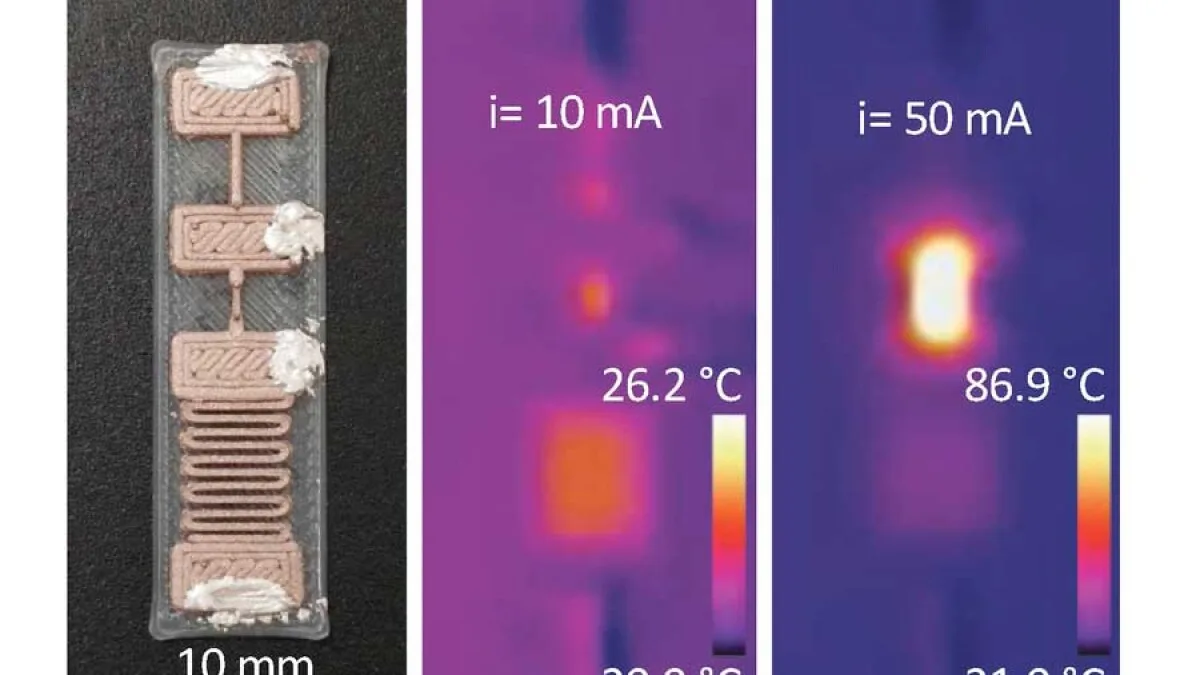
MIT Advances Active Electronics With 3D-Printed, Semiconductor-Free Logic Gates

Researchers
at
the
Massachusetts
Institute
of
Technology
(MIT)
have
made
a
groundbreaking
advancement
in
3D
printing
active
electronics
without
the
need
for
traditional

semiconductor

materials.
This
breakthrough
involves
creating
3D-printed
logic
gates,
fundamental
components
used
in
processing
tasks
within
electronic
devices.
Instead
of
relying
on
conventional
manufacturing
processes,
these
logic
gates
were
produced
using
standard
3D
printing
techniques
and
a
biodegradable
polymer.
This
step
brings
the
concept
of
fully
3D-printed
electronics
closer
to
reality,
offering
exciting
possibilities
for
accessible
and
decentralised
electronics
production.

Semiconductor-Free
Logic
Gates

MIT’s
research
team,
led
by
Luis
Fernando
Velásquez-García
from
the
Microsystems

Technology

Laboratories,
has
developed
logic
gates
using
a
copper-doped
polymer,
avoiding
the
use
of
traditional
semiconductors
like
silicon.
These
gates
perform
basic
switching
operations,
similar
to
how
silicon-based
transistors
function
in
everyday
electronics.
While
these
3D-printed
components
are
not
yet
on
par
with
silicon

transistors

in
terms
of
performance,
they
can
be
effectively
used
for
less
complex
operations,
such
as
controlling
the
speed
of
a
motor.

The
innovation
lies
in
the
ability
to
3D
print
these
devices
using
inexpensive,
eco-friendly
materials,
potentially
allowing
electronics
to
be
manufactured
in
a
more
sustainable
and
affordable
manner.
The
idea
is
to
democratise
production,
enabling
individuals,
businesses,
and
small
labs
to
print
their
own
devices.

The
Future
of
Fully
Printed
Electronics

Despite
the
current
limitations,
such
as
the
inability
to
miniaturise
these
components
to
the
nanoscale
level
of
traditional
transistors,
the
potential
of
3D-printed
logic
gates
is
immense.
MIT’s
research
team
is
already

exploring

further
developments
to
create
more
complex
circuits
and
eventually
fully
functional
3D-printed
devices.

This
technology,
if
perfected,
could
revolutionise
the
way
electronic
devices
are
manufactured,
making
it
possible
to
print
active
devices
without
the
need
for
expensive,
large-scale
facilities.
The
implications
for
industries
ranging
from
consumer
electronics
to
healthcare
and
beyond
could
be
vast,
as
this
innovation
brings
down
the
cost
and
complexity
of
device
production.

Posted on

Honor X60, Honor X60 Pro With 108-Megapixel Rear Camera, MagicOS 8.0 Launched: Price, Specifications


Honor
X60

series
has
been
launched
in
China
as
a
successor
to
the

X50

series,
which
made
its
debut
in
July
last
year.
The
Chinese
smartphone
maker’s
latest
lineup
comprises
two
models:
Honor
X60
and
X60
Pro.
Both
models
share
some
features
such
as
the
108-megapixel
primary
rear
cameras.
On
the
other
hand,
the
standard
model
gets
a
MediaTek
Dimensity
7025-Ultra
chipset
while
the
X60
Pro
variant
is
equipped
with
a
Snapdragon
chipset.

Honor
X60
Series
Price

Honor
X60
price
starts
at
CNY
1,199
(roughly
Rs.
14,000)
for
the
base
8GB
+
128GB
configuration
model.
It
is
available
with
up
to
12GB
of
RAM
and
up
to
512GB
of
storage
and
in
three
colourways:
Elegant
Black,
Moonlight,
and
Sea
Lake
Qin.

Meanwhile,
the
Honor
X60
Pro
price
starts
at
CNY
1,499
(roughly
Rs.
18,000)
for
the
base
8GB
+
128GB
model.
The
handset
is
available
in
similar
storage
configurations
as
the
standard
Honor
X60.
It
can
be
purchased
in
a
total
of
four
colourways:
ash,
black,
orange,
and
sea
green.

Honor
X60,
Honor
X60
Pro
Specifications

Honor
X60
is
equipped
with
a
6.8-inch
TFT
LCD
screen
with
a
120Hz
refresh
rate
and
a
resolution
of
2412×1080
pixels.
Under
the
hood,
it
is
powered
by
the
MediaTek
Dimensity
7025-Ultra
chipset;
an
octa-core
CPU
comprising
two
Cortex-A78
cores
operating
at
2.5GHz
and
two
Cortex-A55
cores
with
a
clock
speed
of
2.0GHz.
The
SoC
is
paired
with
up
to
12GB
of
RAM
and
up
to
512GB
of
in-built
storage.

It
is
backed
by
a
5,800mAh
battery
with
support
for
35W
fast
charging.
This
model
gets
a
side-mounted
fingerprint
sensor.

On
the
other
hand,
the
Honor
X60
Pro
sports
a
6.78-inch
AMOLED
screen
with
a
resolution
of
2700×1224
pixels
and
a
120Hz
refresh
rate.
It
is
powered
by
Qualcomm’s
Snapdragon
6
Gen
1
processor
with
a
peak
clock
speed
of
2.2GHz.
The
smartphone
comes
with
up
to
12GB
of
RAM
and
up
to
512GB
of
storage.
It
also
gets
two-way
satellite
communication
capabilities
in
situations
where
there
is
no
Wi-Fi
or
cellular
network
coverage.

The
smartphone
is
backed
by
a
6,000mAh
battery
with
support
for
faster
66W
charging.

Both
models
in
the
Honor
X60
series
sport
a
108-megapixel
primary
rear
camera
and
a
2-megapixel
depth
sensor.
They
also
get
8-megapixel
front
selfie
cameras
on
the
front.

Additionally,
both
handsets
support
dual-SIM
5G
and
Wi-Fi
5.
The
standard
model
supports
Bluetooth
5.1
while
the
Honor
X60
Pro
comes
with
Bluetooth
5.3
support.

Posted on

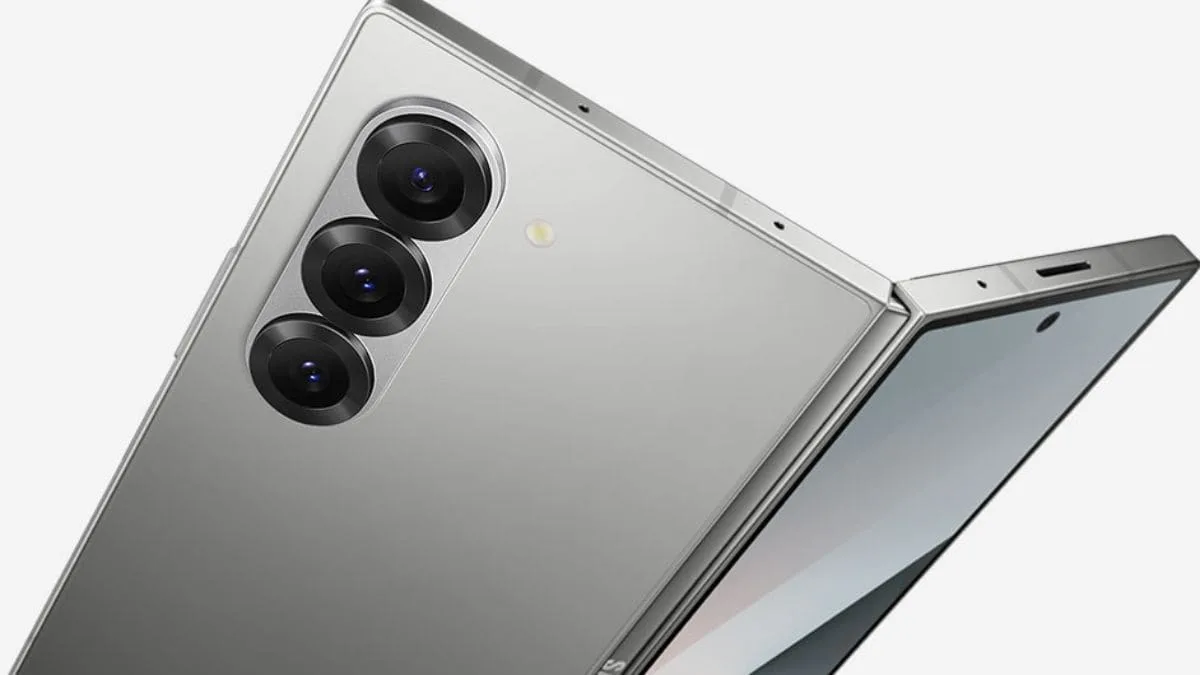
Samsung Galaxy Z Fold 6 Special Edition Confirmed to Launch in South Korea on October 21


Samsung

has
confirmed
the
launch
of
an
upcoming
Galaxy
device
in
its
home
country
of
South
Korea
next
week.
While
details
remain
unknown,
the
upcoming
unveiling
is
widely
speculated
to
be
of
the
purported

Samsung
Galaxy
Z
Fold
6
Special
Edition
,
which
has
been
rumoured
to
be
in
development
for
some
time.
Notably,
this
development
builds
upon
recent
leaks
that
suggested
the
purported
handset
may
feature
a
thinner
design
and
bigger
displays
compared
to
the
standard
model.

Samsung
Galaxy
Z
Fold
6
Special
Edition
Launch
Date

In
a
newsroom

post
,
Samsung
South
Korea
announced
that
it
will
showcase
a
new
Galaxy
device
on
October
21.
The
device
is
expected
to
be
the
Galaxy
Z
Fold
6
Special
Edition.
A
teaser
video
has
also
been
posted,
but
doesn’t
show
the
device.
The
company
did
not
reveal
any
details
about
the
purported
device,
however
recent
reports
hint
at
a
redesigned
camera
module
which
may
be
stacked
in
a
rectangular
layout
instead
of
the
pill-shaped
unit
on
the
standard

Galaxy
Z
Fold
6.

Furthermore,
the
foldable
smartphone

could

have
a
thickness
of
10.6mm
when
folded,
compared
to
the
Galaxy
Z
Fold
6’s
12.1mm
thickness

translating
into
a
difference
of
just
1.5mm.
It
is
said
to
have
S
Pen
support
and
a
titanium
frame.

In
terms
of
optics,
the
purported
Samsung
Galaxy
Z
Fold
6
Special
Edition
may
sport
a
200-megapixel
primary
camera.
It
is
also
reported
to
be
equipped
with
marginally
bigger
displays,
with
a
claimed
8-inch
internal
and
6.5-inch
outer
display.
For
reference,
the
standard
model
is
equipped
with
a
6.3-inch
internal
and
7.60-inch
external
screen.

However,
unlike
the
standard
Galaxy
Z
Fold
6
which
is
globally
available,
the
special
edition
variant
launched
by
the
South
Korean
technology
conglomerate
is
expected
to
have
limited
availability.
Reports
suggest
will
only
launch
in
two
markets:
China
and
South
Korea.
The
foldable
smartphone
is
tipped
to
first
debut
on
September
25
in
South
Korea

the
company’s
home
base.
This
launch
is
said
to
be
followed
by
its
unveiling
in
China
shortly
after.

The
production
numbers
are
likely
to
remain
limited
too,
with
only
4
to
5
lakh
units
of
the
Samsung
Galaxy
Z
Fold
6
Special
Edition
expected
to
be
produced.

Posted on

Samsung’s Frame TVs now offer art from MoMA, and it looks fantastic

Samsung’s
The
Frame
TV
is
based
on
a
simple
and
brilliant
idea:
what
if
your
TV
could
also
be
a
picture
frame
for
some
of
the
world’s
greatest
artworks?
And
now
its
catalog
has
been
joined
by
nearly
30
new
artworks
courtesy
of
the
Museum
of
Modern
Art,
or
MoMA
for
short.

The
new
Art
Store
arrivals
were
selected
by
curator
Daria
Greene,
who
wanted
to
honor
the
museum’s
history
and
vision.
The
artworks
include
Frida
Kahlo’s
“Fulang
Chang
and
I”
(1937),
the
first
time
Kahlo’s
work
has
been
available
for
display
on
the
platform,
Vincent
van
Gogh’s
“The
Starry
Night”
(1889),
Henri
Rousseau’s
“The
Dream”
(1910)
and
Georgia
O’Keeffe’s
“Evening
Star
III”
(1917).

Can’t
make
it
to
the
museum?
Let
the
museum
come
to
you

When
we
reviewed
the

2022
version
of
the
Samsung
The
Frame,
we
said
that
its
new
anti-reflective
screen
made
it
particularly
good
for
viewing
works
of
art.
While
even
the

best
TVs
can’t
quite
match
the
experience
of
seeing
an
original
artwork
in
place

Van
Gogh’s
The
Starry
Night
is
available
with
massive
zoom
levels

on
the
MoMA
website,
btu
I’m
told
that
it’s
still
not
as
breathtaking
as
being
up
close
with
the
original

the
combination
of
a
QLED
display,

4K
resolution
and
anti-reflective
display
is
as
good
as
you
can
get
if
New
York
isn’t
convenient
to
you.

The
arrival
of
the
artworks
from
MoMA
is
significant
for
another
reason:
until
now
the
majority
of
artworks
available
for
The
Frame
were
public
domain,
either
because
they
were
so
old
their
copyright
had
expired
or
in
rarer
cases,
because
the
artist
had
given
away
their
copyright.

That
inevitably
meant
the
catalog
was
skewed
towards
older
works
of
art,
and
while
they’re
of
course
valuable
too
it
did
mean
that
the
choice
of
modern
art
was
a
little
limited.
So
it’ll
be
nice
to
see
the
MoMA
collection
take
its
place
alongside
other
modern
works
by
artists
such
as

Keith
Haring,

Jen
Stark
and

Shinique
Smith.

You
might
also
like

Sign
up
for
breaking
news,
reviews,
opinion,
top
tech
deals,
and
more.

Posted on

Riot Games Lays Off League of Legends Developers in Second Round of Job Cuts


Riot
Games

is
laying
off
staff
for
the
second
time
this
year,
the
studio
confirmed
Tuesday.
The
latest
round
of
cuts
will
affect
the
PC
development
team
behind
Riot’s
massively
popular
MOBA
title
League
of
Legends.
Riot
said
the
layoffs
were
part
of
larger
changes
to
its
teams
that
would
ensure
long-term
growth
and
improvement
of
League.
The
affected
employees
will
receive
a
severance
package,
the
studio
said.

Riot
Games
Cuts
More
Jobs

In
its
announcement,
Riot
Games
said
that
the
decision
to
eliminate
roles
wasn’t
taken
to
“save
money,”
and
the
League
of
Legends
team
will
eventually
grow
in
size.

“As
part
of
these
changes,
we’ve
made
the
tough
decision
to
eliminate
some
roles.
This
isn’t
about
reducing
headcount
to
save
money—it’s
about
making
sure
we
have
the
right
expertise
so
that
League
continues
to
be
great
for
another
15
years
and
beyond,”
Riot
Games
co-founder
Marc
Merrill
said
in
a
post
on
X
Tuesday.
“While
team
effectiveness
is
more
important
than
team
size,
the
League
team
will
eventually
be
even
larger
than
it
is
today
as
we
develop
the
next
phase
of
League,”
he
added.

Riot
did
not
confirm
the
number
of
staffers
affected
by
the
latest
round
of
layoffs
in
its
announcement,
but
a
studio
spokesperson

confirmed

to
Eurogamer
that
32
employees,
including
27
roles
on
the
League
of
Legends
team
and
an
additional
five
roles
in
publishing,
will
be
impacted.

Laid
off
employees
will
be
provided
with
a
severance
package,
that
includes
a
minimum
of
six
months’
pay,
annual
bonus,
job
placement
assistance,
health
coverage,
and
more,
Merrill
said
in
his
post.

According
to
the
Riot
co-founder,
the
studio
was
working
on
the
“next
phase”
of
League
of
Legends
and
would
share
more
about
its
“ambitious
plans”
for
the
game
in
the
future.

This
is
the
second
round
of
layoffs
to
hit
Riot
Games
this
year.
In
January,
the
studio

laid
off
530
employees

––
about
11
percent
of
its
global
workforce.
Teams
outside
of
core
development
absorbed
the
largest
impact
from
the
layoffs.

“Today,
we’re
a
company
without
a
sharp
enough
focus,
and
simply
put,
we
have
too
many
things
underway.
Some
of
the
significant
investments
we’ve
made
aren’t
paying
off
the
way
we
expected
them
to.
Our
costs
have
grown
to
the
point
where
they’re
unsustainable,”
Riot
Games
CEO
Dylan
Jadeja
had
said
in
a
letter
to
employees
at
the
time.

Posted on

Vivo X200 Series With MediaTek Dimensity 9400 SoC May Soon Debut in India

Vivo
X200
series
with
three
models


Vivo
X200
,
X200
Pro,
and

X200
Pro
Mini
 

was
launched
in
China
earlier
this
week.
Vivo
is
yet
to
announce
the
launch
date
of
the
new
lineup
in
India.
However,
ahead
of
it,
a
report
suggests
that
they
will
debut
in
India
before
the
end
of
this
year.
All
three
phones
in
the
Vivo
X200
family
run
on
the
new
MediaTek
Dimensity
9400
SoC
and
feature
camera
systems
co-engineered
by
German
optics
brand
Zeiss.

91Mobiles

citing

industry
sources
states
that
the
Vivo
X200
series
will
be
launched
in
India
by
November
end
or
the
first
week
of
December.
The

Vivo
X100
 and Vivo
X100
Pro
 were
launched
in
the
country
in
January
this
year
after
their
initial
debut
in
China
in
November
2023.

Vivo
X200
Series
Price,
Specifications 

The
Vivo
X200
series
was

launched
in
China
 earlier
this
week
with
a
starting
price
tag
of
CNY
4,300
(roughly
Rs.
51,000)
for
the
base
12GB
+
256GB
storage
configuration
of
the
vanilla
Vivo
X200.
The
Vivo
X200
Pro
price
starts
at
CNY
5,999
(roughly
Rs.
63,000)
while
the
Vivo
X200
Pro
Mini
costs
CNY
4,699
(roughly
Rs.
56,000)
for
the
base
model.

All
three
phones
in
Vivo’s
X200
series
feature
MediaTek
Dimensity
9400
SoC
under
the
hood
and
are
equipped
with
a
triple
rear
camera
setup
comprising
a
50-megapixel
primary
camera.
The
new
lineup
is
the
first
to
feature
the
next-generation
MediaTek
chipset.
The
camera
units
on
the
three
phones
are
co-engineered
by
Zeiss.
They
run
on
Origin
OS
5.

The
vanilla
Vivo
X200
has
a
5,800mAh
battery
with
support
for
90W
wired
charging
while
the
Vivo
X200
Pro
and
X200
Pro
Mini
are
backed
by
6,000mAh
and
5,800mAh
batteries,
respectively,
also
with
90W
wired
charging
support.


Affiliate
links
may
be
automatically
generated

see
our

ethics
statement

for
details.
Posted on

Dragon Age: The Veilguard PC System Requirements, Pre-Load Times Announced


Dragon
Age:
The
Veilguard

is
set
to
release
across

PC
,
PS5
and

Xbox
Series

S/X
on
October
31.

BioWare’s

action-RPG
is
the
fourth
Dragon
Age
title
––
the
first
since
2014’s

Dragon
Age:
Inquisition
.
Ahead
of
the
game’s
launch,
publisher
Electronic
Arts
has
revealed
its
PC
system
requirements
and
pre-load
times.

EA

also
shared
details
about
Dragon
Age:
The
Veilguard’s
performance
on
PS5
and
Xbox
Series
S/X.

In
a

blog
post

detailing
PC
specification for
Dragon
Age:
The
Veilguard,
developer
BioWare
said
that
the
upcoming
game
was
designed
to
be
accessible
on
a
wide
range
of
PCs.
However,
it
must
be
noted
that
PC
users
would
require
at
least
16GB
of
RAM
to
play
the
game
across
different
graphical
presets.
Players
would
also
need
100GB
of
storage
(SSD
recommended)
for
the
game.
Dragon
Age:
The
Veilguard’s
PC
system
requirements
are
split
across
Ray
Tracing:
On
and
Ray
Tracing:
Off
options.

Dragon
Age:
The
Veilguard
PC
System
Requirements
(Ray
Tracing:
Off)

Minimum

Average
performance:
1080p
/
30
fps

Graphics
preset:
Low

OS:
64-bit
Windows
10/11
with
DirectX
12

CPU:
Intel
Core
i5-8400
or
AMD
Ryzen
3
3300X

RAM:
16GB

GPU:
Nvidia
Geforce
GTX
970
/
GTX
1650
or
AMD
Radeon
R9
290X

VRAM:
4GB

Storage:
100GB
(SSD
preferred,
HDD
supported)

Average
performance:
1440p
/
30
fps
or
1080p
/
60
fps

Graphics
preset:
High

OS:
64-bit
Windows
10/11
with
DirectX
12

CPU:
Intel
Core
i9-9900K
or
AMD
Ryzen
7
3700X

RAM:
16GB

GPU:
Nvidia
Geforce
RTX
2070
or
AMD
Radeon
RX
5700XT

VRAM:
8GB

Storage:
100GB
(SSD
required)

Ultra

Average
performance:
2160p
/
60
fps

Graphics
preset:
Ultra

OS:
64-bit
Windows
10/11
with
DirectX
12

CPU:
Intel
Core
i9-12900K
or
AMD
Ryzen
9
7950X

RAM:
16GB

GPU:
Nvidia
Geforce
RTX
4080
or
AMD
Radeon
RX
7999
XTX

VRAM:
12GB

Storage:
100GB
(SSD
required)

Dragon
Age:
The
Veilguard
PC
System
Requirements
(Ray
Tracing:
On)

RT
selective

Average
performance:
2160p
/
30
fps
or
1440p
/
60
fps

Graphics
preset:
Ultra

OS:
64-bit
Windows
10/11
with
DirectX
12

CPU:
Intel
Core
i9-9900K
or
AMD
Ryzen
7
3700X

RAM:
16GB

GPU:
Nvidia
Geforce
RTX
3080
or
AMD
Radeon
RX
6800XT

VRAM:
10GB

Storage:
100GB
(SSD
required)

RT
on

1440p
/
30
fps

Graphics
preset:
Ultra

OS:
64-bit
Windows
10/11
with
DirectX
12

CPU:
Intel
Core
i9-9900K
or
AMD
Ryzen
7
3700X

RAM:
16GB

GPU:
Nvidia
Geforce
RTX
3080
or
AMD
Radeon
RX
6800XT

VRAM:
10GB

Storage:
100GB
(SSD
required)

RT
on
+
Ultra
RT

Average
performance:
2160p
/
30
fps

Graphics
preset:
Ultra

OS:
64-bit
Windows
10/11
with
DirectX
12

CPU:
Intel
Core
i9-12900K
or
AMD
Ryzen
9
7950X

RAM:
16GB

GPU:
Nvidia
Geforce
RTX
4080
or
AMD
Radeon
RX
7999
XTX

VRAM:
12GB

Storage:
100GB
(SSD
required)

Dragon
Age:
The
Veilguard
Console
Performance

On

PS5

and
Xbox
Series
S/X,
Dragon
Age:
The
Veilguard
will
come
with
performance
and
fidelity
modes,
targeting
60
fps
and
30
fps,
respectively.
Additionally,
the
game
will
feature
enhancements
specific
to
the
recently
announced
PlayStation
5
Pro.
On
the
console,
the
game
will
feature
improved
resolution
in
both
30
fps
fidelity
and
60
fps
performance
modes,
according
to
BioWare
Studio
Technical
Director
Maciej
Kurowski.

Additionally,
utilising PS5
Pro’s

PSSR
upscaling
technique,
the
game
will
feature
upgraded
image
quality.
On
PS5
Pro,
Dragon
Age:
The
Veilguard
will
come
with
Raytraced
Ambient
Occlusion
(RTAO)
enabled
in
the
60
fps
performance
mode;
this
feature
will
only
be
available
with
30
fps
fidelity
mode
on
the
standard
PS5.

Dragon
Age:
The
Veilguard
Pre-Load
Times

While
the
game
launches
October
31,
it
will
be
available
to
pre-load
from
October
14,
9am
PDT
(9:30pm
IST)
on
Xbox
Series
S/X.
On
PS5,
the
game
can
be
pre-loaded
from
October
29,
9am
PDT
(9:30pm
IST).

Bioware
also
confirmed
that
Dragon
Age:
The
Veilguard
will
not
come
with
any
third-party
DRM
like
Denuvo
on
any
platform.
The
absence
of
DRM,
however,
means
that
pre-loading
will
not
be
available
on
PC,
where
users
can
download
and
play
the
game
when
it
launches
on
October
31,
9am
PDT
(9:30pm
IST).