Posted on

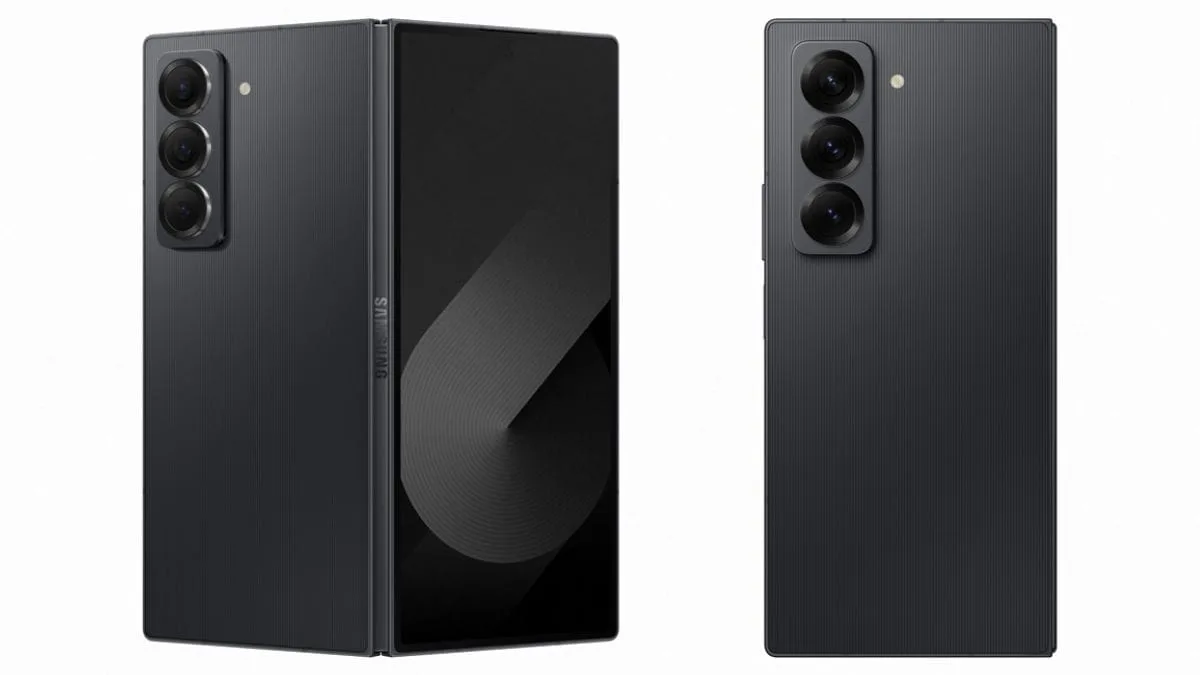
Samsung Galaxy Z Fold 6 Special Edition With 200-Megapixel Rear Camera Launched: Price, Specifications


Samsung
Galaxy
Z
Fold
6
Special
Edition

will
be
available
for
purchase
in
select
markets
starting
next
week,
the
company
announced
on
Monday.
The
new
foldable
smartphone
is
thinner
and
lighter
than
the
standard
Galaxy
Z
Fold
6
that
debuted
earlier
this
year.
It
also
improves
upon
several
of
its
features
including
the
camera
system
and
the
display.
However,
its
launch
is
limited
and
will
only
be
initially
available
in
the
South
Korean
technology
conglomerate’s
home
base.

Samsung
Galaxy
Z
Fold
6
Special
Edition
Price,
Availability


Samsung

Galaxy
Z
Fold
6
Special
Edition
price
starts
at
KRW
2,789,600
(roughly
Rs.
1,70,000)
in
South
Korea.
It
will
be
available
in
a
single
16GB+512GB
configuration
and
a
Black
Shadow
colourway,
the
company
announced
in
a
newsroom

post
.

The
foldable
handset
can
be
purchased
starting
October
25
through
the
brand
website
and
other
online
channels
such
as
T
Direct
Shop,
KT,
Eu+.
Customers
who
purchase
this
model
will
receive
discount
coupons
for
other
Samsung
products
like
the

Galaxy
Ring
,

Galaxy
Watch
Ultra
,

Galaxy
Buds
3
Pro
,
and
the

Galaxy
Tab
S10
Ultra
.

Samsung
Galaxy
Z
Fold
6
Special
Edition
Specifications

Samsung
Galaxy
Z
Fold
6
Special
Editions
features
marginally
bigger
displays
than
its
predecessor,
with
8-inch
internal
and
6.5-inch
outer
screens.
For
reference,
the
standard
model
is
equipped
with
a
6.3-inch
external
and
7.60-inch
internal
screen.
The
outer
and
internal
displays
have
21:9
and
20:18
aspect
ratios,
respectively.

The
special
edition
model
also
has
better
ergonomics.
Samsung
says
it
is
1.5mm
thinner
and
3g
lighter
than
the
standard

Galaxy
Z
Fold
6
,
having
10.6mm
thickness
and
236g
weight.
For
optics,
Samsung
has
bumped
up
the
main
wide-angle
shooter
to
200-megapixels.
The
rest
of
the
lenses
remain
unchanged.

Samsung’s
Galaxy
Z
Fold
6
Special
Edition
is
powered
by
Qualcomm’s
Snapdragon
8
Gen
3
for
Galaxy
processor,
paired
with
16GB
of
RAM,
and
512GB
of
onboard
storage.
It
also
supports

Galaxy
AI


the
company’s
suite
of

artificial
intelligence

(AI)
features
for
smartphones
and
other
devices.

Posted on

iPhone 16 Plus Review: The One Worth Buying This Year

2024
is
the
year
when
I
can
finally
say
that
the
iPhone
16
is
the
perfect
choice
in
the
latest
iPhone
line-up.
Of
course,
it
misses
out
on
many
Pro
features
like
a
ProMotion
display,
a
telephoto
camera,
and
better
camera
sensors,
which
are
limited
to
expensive
Pro
models.
But
still,
the
iPhone
16s
(iPhone
16
and
iPhone
16
Plus)
are
far
bigger
upgrades
in
terms
of
features
set
and
overall
capability
this
year.

Starting
with
the
A18
chip
under
the
hood,
which
is
a
two-generation
jump
this
time
around.
And,
not
to
forget,
there
is
8GB
of
RAM,
the
same
as
the
Pro
models.
The
dual
cameras
have
also
been
realigned,
and
I
will
talk
in
detail
about
why
Apple
returned
to
the
iPhone
11
setup
in
a
bit.
Of
course,
there
are
some
misses,
too.

This
year,
Apple
sent
us
the
iPhone
16
Plus,
so
I
will
add
references
that
should
make
it
easier
for
you
to
understand
which
one
suits
you
better:
the
vanilla

iPhone
16

or
the

16
Plus
,
which
primarily
offers
a
bigger
display
and
battery.
Let’s
dive
into
the
review.

Oh,
my

iPhone
16
Pro
Max


review
is
already
live,
so
you
can
read
it
here

to
know
why
it
is
Apple’s
crown
jewel.


iPhone
16
Plus
price
in
India

The
iPhone
16
Plus
starts
at
Rs.
89,900
for
the
128GB
storage
option,
while
the
256GB
comes
at
Rs.
99,900.
The
512GB
model,
on
the
other
hand,
is
priced
at
Rs.
119,900.
I
got
the
512GB
model
for
this
review.
To
compare,
the
iPhone
16
starts
at
Rs.
79,900
for
the
128GB
model.
The
256GB
and
512GB
come
at
Rs.
89,900
and
109,900,
respectively.


iphone 16 plus rear camera iPhone-16-plus

iPhone
16
Plus
packs
a
dual
camera
setup
aligned
vertically

iPhone
16
Plus
Design:
Sticking
to
basics
but
keeping
it
elegant

  • Dimensions

    160.9
    (H)
    x
    77.8mm
    (W)
    x
    7.8mm
    (D)
  • Weight

    199
    grams
  • Colours

    Ultramarine,
    Teal,
    Pink,
    Black
    and
    White

The
iPhone
16
Plus
is
the
third-generation
Plus
device
from
Apple.
The

iPhone
14
Plus

was
launched
in
2022,
followed
by
the

iPhone
15
Plus

last
year
and
now
16
Plus.
The
smartphone
doesn’t
bring
a
ground-breaking
overhaul
to
design
except
for
one
important
aspect

camera
housing.
From
a
glass
back
(14
Plus)
to
a
matte
finish
rear,
the
16
Plus
gets
aluminium
frames
that
offer
a
solid
feel
and
a
ceramic
shield
front
for
protection.


iphone 16 plus back iPhone-16-plus

The
phone
features
aluminium
with
colour-infused
glass
back

Compared
to
the
Pro
models,
the
iPhone
16s
(16
+
16
Plus)
receives
two
new
physical
buttons
this
year

Action
and
Camera
Control.
As
I
mentioned
in
my
16
Pro
Max
review,
Apple
has
gone
the
opposite
route
by
offering
more
physical
buttons
when
some
companies
are
trying
to
push
for
gesture-based
interactions.
Action
button
debuted
last
year
on
the
15
Pro
models
and
is
finally
reaching
the
16
and
16
Plus.
The
Action
button
is
a
suitable
replacement
for
ring/
silent
switch,
and
it
can
be
customised
to
enable
any
other
function.
Camera
Control,
on
the
other
hand,
changes
how
you
use
the
cameras
on
the
latest
generation
iPhones.
It’s
always
better
to
have
a
dedicated
button
for
launching
something
than
unlocking
or
waking
the
screen
and
then
launching.
Apple
has
reduced
one
step
to
launch
the
camera
app,
and
the
button
is
the
way
to
launch
the
camera.
However,
one
thing
that
repeatedly
happened
to
me
while
reviewing
was
accidentally
launching
the
camera
app
with
a
single
click
on
the
Camera
Control.
I
had
to
set
it
then
as
a
double
click
to
stop
launching
the
camera
app.


iphone 16 plus camera control iPhone-16-Plus

The
iPhone
16
Plus
features
the
Camera
Control
on
the
right
side

The
iPhone
16
Plus
comes
in
amazing
colour
choices,
including
Ultramarine,
Teal,
Pink,
Black,
and
White,
compared
to
the
slightly
muted
colours
we
saw
on
the
15
and
15
Plus.
Interestingly,
the
16
Plus
(199
grams)
weighs
marginally
less,
with
the
same
dimensions
as
the
15
Plus
(201
grams).
The
difference
in
weight
might
not
be
too
huge,
but
16
Plus
is
a
better
device
for
one-hand
operations.
Of
course,
the
6.7-inch
screen
size
isn’t
for
everyone;
hence,
a
smaller
6.1-inch
model
is
also
available.

The
16s
get
an
IP68
rating
for
water
and
dust
resistance,
which
is
the
same
as
the
15
series,
so
there
is
no
change
in
water
ingress
protection.


iphone 16 plus buttons iPhone-16-Plus

The
phone
also
features
an
Action
button
that
was
introduced
on
the
Pro
models
last
year

The
camera
placement
is
vertical,
reminding
of
the

iPhone
11
,
and
it
is
much
more
subtle
than
the
housing
we
saw
on
the
15
and
14
series.
Apple
says
that
the
vertical
camera
housing
allows
the
phone
to
shoot
spatial
photos
and
videos,
offering
a
sense
of
depth
or,
in
layperson’s
terms,
multimedia
with
a
3D
effect.

The
front
panel
houses
the
6.7-inch
Super
Retina
XDR
display
with
bezels
that
are
not
as
thin
as
the

iPhone
16
Pro

models.
There’s
the
Dynamic
Island,
the
pill-shaped
notch
which
has
been
there
since
the
iPhone
14
Pro.


iphone 16 plus dynamic island iPhone-16-Plus

The
phone
also
features
Dynamic
Island,
the
pill-shaped
notch
that
was
first
introduced
on
the
14
Pro
models

Overall,
the
iPhone
16
has
a
vibrant
look,
and
aerospace-grade
aluminium
offers
a
premium
in-hand
feel.
The
colour-infused
back
glass
feels
rich
with
a
matte
finish
and
provides
an
unparalleled
smudge-free
experience
compared
to
the
Android
landscape.
Like
other
iPhones,
the
iPhone
16
Plus
is
built
to
last
and
offers
solid
durability.
The
addition
of
an
Action
button
allows
users
to
perform
various
functions
with
just
a
press

from
recording
a
voice
memo
to
identifying
a
song
or
translating
a
sentence.
There
are
enough
customisation
options.
The
much-talked-about
Camera
Control
is
covered
with
sapphire
crystal
and
has
a
smooth
texture.
A
colour-matched
stainless
steel
trim
surrounds
it.

iPhone
16
Plus
Display:
Top-notch
display
quality
but
limited
to
60Hz

  • Display

    6.7-inch
    Super
    Retina
    XDR
    display
  • Refresh
    rate

    60Hz
  • Brightness

    2,000nits
    (peak)
    and
    1nit
    (minimum)

The
iPhone
16s
(16
+
16
Plus)
gets
the
familiar
Super
Retina
XDR
OLED
display.
The
refresh
rate
is
still
locked
at
60Hz,
which
is
a
bummer,
yet
again.
The
iPhone
16
Plus
is
the
costliest
phone
with
a
60Hz
refresh
rate
in
2024,
and
I
hope
that
Apple
tries
to
change
this
next
year
with
its
next-generation
models.
The
16
Plus
offers
1290×2796
pixels
screen
resolution
with
460PPI
pixel
density.
The
peak
brightness
is
2000nits
while
the
minimum
brightness
can
drop
to
1nit,
which
wasn’t
the
case
with
the
15
series.
The
display
is
bright
and
offers
rich
colours.
The
text
appears
crisp,
and
16
Plus
offers
a
stunning
display
minus
a
higher
refresh
rate.


iphone 16 plus display iPhone-16-Plus

iPhone
16
Plus
features
a
6.7-inch
OLED
display
with
60Hz
refresh
rate

In
my
time
with
the
iPhone
16
Plus,
I
enjoyed
watching
multimedia
on
the
phone
alongside
gaming.
If
your
multimedia
consumption
is
going
to
be
high,
then
the
16
Plus
could
be
a
better
choice
than
the
16

basis
on
both
screen
real
estate
and
battery.


iphone 16 plus screen iPhone-16-Plus

The
iPhone
16
Plus
can
offer
a
peak
brightness
of
2000nits

iPhone
16
Plus
Performance:
Massive
leap

  • Processor

    A18
    chip
  • RAM

    8GB
    RAM
  • Biometric

    Face
    ID

For
the
vanilla
iPhone
16s,
the
biggest
leap
is
under
the
hood.
The
iPhone
16
Plus
(and
16)
are
powered
by
Apple’s
latest
A18
chip,
jumping
two
generations
ahead
from
the
A16
Bionic
in
iPhone
15.
It
features
a
6-core
CPU,
5-core
GPU,
and
16-core
Neural
Engine,
which
Apple
says
is
optimised
for
running
large
generative
models.
During
the
launch
last
month,
the
company
claimed
that
the
A18
is
30
percent
faster
than
the
A16
Bionic
seen
on
the
15
series
in
CPU
performance.
It
is
built
on
second-generation
3-nanometer
tech.
Long
thing
short,
Apple
has
made
these
changes
to
ensure
that
Apple
Intelligence
runs
buttery
smooth
on
the
16s.


iphone 16 plus comparison iPhone-16-Plus

Side-by-side
comparison:
iPhone
14
Plus,
iPhone
15
Plus
and
iPhone
16
Plus
(left
to
right)

While
you
don’t
get
Apple
Intelligence
out-of-the-box,
I
tried
a
beta
update
that
gave
me
a
sneak
peek
into
these
features.
Starting
with
the
Writing
tools,
Apple
has
integrated
these
within
iOS,
making
them
accessible
wherever
you
type.
Be
it
for
rewriting
notes,
adjusting
tone
or
proofreading
written
mail.
Next
are
the
latest
emojis
you
can
create
by
simply
typing
a
description
or
creating
images
with
Image
Playground.
All
of
this
is
integrated
into
apps
like
Messages.
In
the
Photos
app,
you
can
now
find
whatever
image
you’re
looking
for
by
typing
keywords,
thus
making
it
easy
to
find
photos
from
your
entire
collection.
There
are
more
AI
features,
but
most
of
them
are
being
polished
for
the
final
rollout.
Most
importantly,
Apple
Intelligence
marks
the
start
of
a
new
era
for
Siri.
Apple
is
expected
to
release
the
latest
iOS
update
with
a
full
suite
of
Apple
Intelligence
features
by
the
end
of
October,
so
stay
tuned.


iphone 16 plus viewing angles iPhone-16-Plus

Apple’s
latest
A18
chip
powers
the
phone

The
iPhone
16
Plus
packs
more
RAM
than
the
15
series
and
offers
better
thermal
performance.
Apple
updated
the
main
logic
board
this
year,
keeping
the
chip
placement
at
the
centre
and
optimising
the
surrounding
architecture.
The
company
added
a
sub-structure
to
dissipate
heat
made
from
100
percent
recycled
aluminium
to
improve
thermal
performance.
I
experienced
this
while
trying
out
AAA
titles
like
Assassin’s
Creed:
Mirage,
Resident
Evil
4,
and
GTA:
San
Andreas
on
the
16
Plus.
Jumping
to
synthetic
benchmarks,
the
A18
chip
brings
a
leap
compared
to
the
15
series,
and
you
can
notice
that
below
in
the
comparison
table.


Benchmarks

iPhone
16
Plus

iPhone
15
Plus

AnTuTu
157,8189 138,7632

GFX
Bench
Car
Chase
3550/
60fps
3129/
60fps

GFX
Bench
Manhattan
3.1
3724/
60fps
3227/
60fps

GFX
Bench
T-Rex
3364/
60fps
3087/
60fps

3D
Mark
Wild
Life
Extreme
3922 2989

3D
Mark
Wild
Life
Maxed
Out
8704

Geekbench
6
3203
(single)
&
7846
(multi)
2989
(single)
&
7219 (multi)

The
iPhone
16
Plus
packs
a
fantastic
display,
and
stereo
speakers
complement
it.
The
speakers
sound
well
and
offer
balanced
output.
The
clarity
doesn’t
get
hit
when
raising
the
volume.
Next,
the
iPhone
16
Plus
packs
incredible
haptic
feedback
that’s
precise
to
the
core
and
offers
a
decent
experience
while
typing
long
emails
or
gaming.

Connectivity-wise,
the
iPhone
16
Plus
is
impressive
and
can
latch
onto
networks,
offering
a
consistent
5G
connection.
Of
course,
you
can
experience
this
currently
only
on
Jio
and
Airtel
networks.


iphone 16 plus control panel iPhone-16-Plus

iPhone
16
Plus
runs
iOS
18
out-of-the-box

iOS
18
brings
new
customisation
options
like
rearranging
apps
and
widgets
alongside
personalising
the
home
screen
layout.
With
the
latest
iOS
update,
you
can
opt
for
dark
and
tint
themes
alongside
choosing
to
increase
the
app
icon
size.
Users
can
lock
or
hide
an
app,
which
is
a
great
addition.
The
Control
Centre
gets
a
complete
makeover
alongside
the
option
to
rearrange
and
resize
controls

a
much-demanded
feature
finally
makes
it
to
iOS
18.
You
can
now
also
swap
controls
on
the
lock
screen
for
quick
access.
The
Photos
app
gets
a
full-blown
redesign;
however,
getting
used
to
the
new
refresh
will
take
some
time.
There
are
a
bunch
of
more
additions
in
the
iOS
18.
The
theme
of
the
latest
iOS
update
is
customisations,
as
it
offers
plenty
of
ways
to
play
around
with
existing
things.


iphone 16 plus camera setup iPhone-16-Plus

iPhone
16
Plus
sports
a
48-megapixel
primary
camera
and
a
12-megapixel
ultrawide
camera

iPhone
16
Plus
Camera:
Capable
with
some
new
tricks

  • Cameras

    48MP
    wide
    and
    12MP
    ultra-wide
  • Zoom
    options

    0.5x,
    1x,
    2x
    (optical)
  • Selfie

    12MP

The
iPhone
16
Plus
ships
with
the
same
primary
sensor
as
the
15
Plus

the
48-megapixel
camera
is
retained
from
last
year.
The
upgrade
is
with
the
ultrawide
camera,
which
remains
a
12-megapixel
sensor,
though
it
now
packs
f/2.2
aperture
and
supports
autofocus.
The
selfie
camera
is
yet
again
12-megapixel,
the
same
as
the
15
series.


iphone 16 plus control iPhone-16-Plus

The
Camera
Control
offers
an
easier
way
to
capture
photos

Before
diving
into
the
performance
of
the
16
Plus
cameras,
I
want
to
briefly
talk
about
the
Camera
Control.
It
has
been
an
excellent
addition
and
the
easiest
way
to
access
the
cameras
on
the
new
16
series.
Yes,
it
has
a
learning
curve
because
the
muscle
memory
will
keep
taking
you
to
the
home
screen
to
launch
the
camera
via
its
app.


iPhone
16
Plus
Primary
Sensor
Daylight
Shots

Compared
to
the
16
Pro
Max,
the
16
Plus
is
easier
to
handle
with
Camera
Control
thanks
to
the
6.7-inch
screen
size,
which
is
convenient

if
you
have
big
hands.
For
people
who
prefer
a
smaller
form
factor,
there’s
the
iPhone
16
with
a
6.1-inch
screen.


Portrait
mode
in
action

Jumping
back
to
the
cameras,
the
iPhone
16
Plus
can
capture
some
fantastic
daylight
shots
with
fine
details
in
the
scene.
Images
are
sharp
and
offer
excellent
dynamic
range.
The
colours
are
pleasant
and
remain
as
natural
as
possible.
Portraits
come
out
well
with
accurate
depth
estimation.
Apple
has
also
introduced
new
Photographic
Styles,
which
offer
more
custom
options
to
let
you
personalise
how
you
or
your
subject
appears
in
photos.
The
new
control
pad
provides
more
flexibility
when
clicking
photos.
The
optical
zoom
also
works
flawlessly
and
offers
a
solid
option
for
shutterbugs.
The
zooming
capability
is
limited
because
of
the
lack
of
a
telephoto
camera.


Ultrawide
samples
from
the
iPhone
16
Plus

The
ultrawide
sensor
is
liked
because
of
its
versatility
in
capturing
more
of
the
scene,
and
this
time,
Apple
has
made
it
more
capable.
It
is
claimed
to
capture
up
to
2.6
times
more
light.
The
good
news
is
that
the
ultrawide
camera
allows
macro
photography
this
time
around.

Ultrawide
shots
come
out
really
well
with
more
details
and
solid
colours.
Autofocus
is
a
big
addition
that
makes
your
life
easier
by
automatically
autofocusing.
Macro
shots
made
possible
with
the
new
ultrawide
setup
also
come
out
well.


Low-light
samples
from
the
iPhone
16
Plus

Even
low-light
photos
come
out
well
with
the
iPhone
16
Plus.
The
primary
sensor
is
solid
for
night
shots,
and
the
details
are
intact.
Ultrawide
shots
at
night
are
decent,
though
not
as
great
as
daytime
shots.
Selfies
come
out
well,
and
there
is
no
complaint
in
this
regard,
including
the
skin
tones,
which
are
as
natural
as
they
can
be.

Video
upgrades
are
fantastic
and
one
of
the
reasons
that
makes
the
iPhones
the
go-to
devices
for
video
needs.
Overall,
the
iPhone
16
Plus
packs
capable
cameras
that
can
shoot
wonderful
shots
in
day
and
night.


iphone 16 plus photographic styles iPhone-16-Plus

iPhone
16
Plus
gets
the
latest-generation
Photographic
Styles

iPhone
16
Plus
Battery:
Will
blow
you
away

  • Video
    Playback

    Up
    to
    27
    hours
    (Claimed)
  • Charging

    Up
    to
    50%
    in
    35
    minutes
  • Supports
    USB
    2

iPhone
16
Plus
is
a
dark
horse
when
it
comes
to
battery
performance.
In
my
tests,
the
iPhone
16
Plus
beat
the
16
Pro
Max
multiple
times
in
terms
of
screen
time.


iphone 16 plus versus iPhone-16-Plus

iPhone
16
Plus
offers
better
battery
performance
compared
to
15
Plus
and
14
Plus

Compared
to
the
16
Pro
Max’s
best
battery
performance
(8
hours
and
30
minutes),
the
16
Plus
offered
me
9
hours
and
37
minutes
of
screen
time
with
heavy
usage
that
included
a
couple
of
hours
of
gaming
as
well
as
streaming
a
two-hour
movie
on
Netflix
apart
from
apps
like
Outlook,
Gmail,
WhatsApp,
Telegram,
Instagram,
clicking
photos
and
videos
using
the
Camera
app
and
also
including
regular
calls
of
about
50
minutes
in
a
full
day.
Technically,
the
iPhone
16
Plus
lasted
1.5
days
easily
with
heavy
usage
which
is
way
more
than
what
Android
flagships
guarantee.
In
our
HD
video
loop
test,
the
iPhone
16
Plus
managed
27
hours
and
20
minutes
of
playback
time.


iPhone 16 plus battery run iPhone-16-Plus

iPhone
16
Plus
can
charge
up
to
50%
in
35
minutes

Charging
remains
the
biggest
Achilles
heel
of
the
new
iPhone
16
Plus.
It
can
charge
up
to
50
percent
in
35
minutes,
but
a
full
charge
takes
around
120
minutes,
which
isn’t
ideal
compared
to
the
competition.
The
16
Plus
packs
USB
2,
which
is
slightly
disappointing.


iphone 16 plus cameras iPhone-16-plus

The
iPhone
16
Plus
weighs
under
200
grams


iPhone
16
Plus
Verdict

The
iPhone
16
raises
the
bar
for
what
vanilla
iPhone
models
could
do.
The
iPhone
16
(and
16
Plus)
gets
an
A18
chip,
which
promises
superior
performance
compared
to
Android
flagships
in
the
market.
The
cameras
are
solid,
and
you
get
two
new
buttons

Action
and
Camera
Control.
The
battery
backup
is
impressive,
and
the
build
quality
is
top-notch.
It
also
gets
an
IP68
rating
for
peace
of
mind
and
is
a
fantastic
device
for
high-graphics
gaming
in
its
latest
avatar.
The
display
quality
is
superb.
Of
course,
a
few
things
could
be
improved,
like
slow
charging
and
60Hz
refresh
rate
at
this
price
point,
making
this
look
slightly
out
of
place
compared
to
Android
flagships.


iphone 16 plus back panel iPhone-16-Plus

The
iPhone
16
series
is
available
in
5
attractive
colours

So,
who
should
buy
it?
If
you
purchased
an
iPhone
15
(Review)
or
15
Plus
last
year,
you
can
give
this
a
miss.
However,
for
people
still
using
the
iPhone
14
or
older
models,
the
iPhone
16
promises
much
bigger
upgrades.
Thanks
to
festive
sales,
the
iPhone
15
is
selling
at
lower
price
points,
making
it
a
viable
competitor
to
the
iPhone
16.

If
you
want
the
absolute
best
performance
and
do
not
want
to
compromise
on
any
aspect,
then
the
iPhone
16
Pro
Max
sits
at
the
top,
and
you
can
read
our

review
here
.

Posted on

I tested two 32-inch TVs side-by-side, and you can get a budget bargain if you know where to look

When
you
find
yourself
looking
for
a
new
TV,
it
can
be
quite
daunting
when
starting
the
search.
There’s
a
lot
of
similarly
priced
sets
with
similar
specs
that
all
promise
the
same
things
as
their
rivals,
but
better.

It’s
fair
to
say
that
when
you’re
looking
at
the

best
TVs,
the
more
money
you’re
spending,
the
more
research
you’re
likely
to
do.
If
you’re
looking
at
two
of
the

best
OLED
TVs

say
the

LG
G4
and

Samsung
S95D

both
of
which
cost
over
$2,000/£2,000
for
the
65-inch
model,
you’re
going
to
really
take
your
time
(as
you
should).
When
it
comes
to
cheaper
TVs,
especially
smaller
ones,
it’s
common
for
people
to
opt
for
whatever
fits
the
budget
and
looks
the
best
on
paper.
Sometimes
this
goes
well,
but
I’ve
found
this
often
isn’t
the
case.

32-inch
TVs
may
seem
small
when
you
can
get
one
of
the

best
85-inch
TVs
for
amazingly
affordable
prices
now,
but
for
many
people
smaller
TVs
still
serve
a
purpose,
whether
that
be
for
the
bedroom
or
kitchen,
or
just
because
you
don’t
want
something
big.

In
my
time
testing
and
using
some
of
the

best
32-inch
TVs,
I’ve
come
to
realise
that
despite
very
similar
prices

a
solid
32-inch
TV
will
cost
you
between
$130/£130
and
$500/£400
for
the
more
premium
end

I’ve
seen
first-hand
just
how
different
smaller
TVs
can
be
from
one
another,
much
like
larger
sets.
I
obviously
expected
that
this
would
be
the
case
with
the
two
ends
of
the
spectrum,
but
not
when
they’re
almost
identical
in
price.

I
recently
put
the
32-inch

TCL
S5400
and
Toshiba
LF2F53DB
(which
I’ll
refer
to
as
the
LF2
from
now
on,
for
both
your
sake
and
my
own)
side-by-side.
With
only
a
£10
price
gap

with
the
TCL
costing
£139
and
the
Toshiba
costing
£149

I
didn’t
expect
a
great
deal
of
difference
between
the
two,
especially
for
such
a
cheap
price.
I
discovered
however,
that
this
was
not
the
case.

It’s
worth
noting
that
neither
of
these
sets
are
available
outside
the
UK

the
closest
alternative
for
US
readers
is
the
TCL
S3
and
the
Toshiba
V35
but
there
are
a
number
of
other
32-inch
sets
from

Vizio,

Samsung,

LG,
Insignia,

Amazon
and
more.
I
particularly
recommend
the

LG
32LQ6300
as
a
great
option
in
both
the
UK
and
US,
and
I
recently
gave
the

Samsung
Q60D
a
good
review,
and
that
comes
in
a
32-inch
option
too.

A
tale
of
two
TVs

Image
1
of
2

(Image
credit:
Future)

In
the
first
image,
the
Toshiba
LF2F53DB
(right)
shows
better
detail
and
color
handling
than
the
TCL
5400
(left)
when
both
are
in
Movie
mode,
but
the
second
image
shows
both
TVs
in
Standard
mode
and
the
TCL
5400
delivers
a
better
image
overall.

(Image
credit:
Future)

I
connected
both
TVs
to
an
HDMI
splitter
to
show
the
same
image,
which
was
being
delivered
by
various
Blu-ray
discs
played
through
the

Panasonic
DP-UB820,
one
of
the

best
4K
Blu-ray
players
available.

Sign
up
for
breaking
news,
reviews,
opinion,
top
tech
deals,
and
more.

I
started
with

La
La
Land,
an
excellent
movie
for
testing
key
elements
of
a
TV’s
performance:
color,
motion,
contrast,
and
even
sound.
With
both
TVs
set
to
their
Movie
picture
presets

the
one
we
generally
find
to
be
the
most
accurate
for
movie
viewing
in
cheaper
TVs

the
Toshiba
demonstrated
brighter,
more
vivid
and
more
natural
colors.
Mia’s
yellow
dress
in
the
‘A
Lovely
Night’
scene
had
more
of
a
dynamic
sheen
to
it
on
the
Toshiba.
In
the
same
scene,
the
darker
blue
and
purple
tones
representing
the
night
looked
more
natural
on
the
Toshiba
as
well.

Change
picture
modes
however,
and
it
was
a
different
story.
Viewing
the
same
scenes
but
with
both
sets
in
Standard
and
the
Toshiba’s
contrast
was
aggressive,
focusing
on
darker
tones,
with
colors
appearing
more
muted

whereas
the
TCL
demonstrated
seriously
vibrant,
glossy
colors
in
comparison.

Moving
onto
something
more
challenging,
I
next
viewed

The
Batman,
a
dimly
lit
movie,
(mastered
at
400
nits
compared
to
the
standard
1,000
nits)
which
is
useful
for
testing
black
levels,
shadow
and
contrast.
I
didn’t
expect
great
things
from
either
set
due
to
their
basic
LED
backlight
and
as
expected
there
was
a
gray
wash
present
with
black
tones
taking
on
a
lighter
hue.

The
Batman
looked
significantly
better
on
the
two
TVs
when
they
were
in
Movie
mode,
which
means
the
Toshiba
is
the
winner,
right?
Not
entirely.
While
the
Toshiba
showcased
better
shadow
detail

maintaining
textures
and
details
in
clothing
in
dimly
lit
scenes
such
as
the
opening
crime
section

and
had
better
and
more
natural
brightness
in
Movie
mode
to
elevate
details,
the
TCL
also
showcased
solid
contrast
and
black
levels,
and
with
some
exploration
in
the
settings,
I
found
it
had
some
hidden
tricks.

Trust
the
process(ing)

Image
1
of
2

(Image
credit:
Future)

In
the
first
image,
both
TVs
are
in
Movie
mode
showing
The
Batman,
but
in
the
second
image,
the
TCL
S5400
(left)
has
its
Dynamic
Contrast
setting
on,
which
adds
a
surprising
amount
of
depth
and
better
balance
to
the
light
and
dark
tones
in
the
scene.

(Image
credit:
Future)

Delving
into
the
TCL’s
picture
settings,
I
found
the
option
named
‘Dynamic
Contrast’
and
I
was
surprised
at
just
how
effective
this
was
for

The
Batman.
Admittedly,
the
movie
became
even
dimmer
than
before,
but
darker
tones
were
brought
more
to
the
surface,
giving
the
overall
picture
more
depth
and
a
better
balance
between
dark
and
light
tones.
It
also
seemed
to
do
a
great
job
limiting
the
graying
effect
of
darker
tones,
giving
the
impression
of
a
higher-quality
backlight.

There
was
a
‘Local
Dimming’
feature,
something
we’ve
found
can
be
a
real
ally
to
some
of
the
cheaper

best
mini-LED
TVs
such
as
the

Hisense
U7N,
and
this
further
improved
the
contrast
and
balance
of
lighter
tones
in
the
dimmer
scenes.

Looking
further
into
both
TVs,
I
was
surprised
at
the
amount
of
processing
and
picture
features
on
offer
at
such
a
budget
price

some
for
better,
some
for
worse.
‘Dynamic
Color’
on
the
TCL
added
more
vibrancy
and
sharpness
to
colors
which
worked
well
in
movies
like

Ready
Player
One,
but
ended
up
a
bit
oversaturated
in

La
La
Land

though
some
may
prefer
this
sharp
look.

While
the
same
can’t
be
said
for
sound

both
TVs
were
pretty
limited
in
their
options

the
TCL
stood
head
and
shoulders
above
the
Toshiba,
providing
a
good
sense
of
movement,
bass
and
placement
for
a
smaller
screen
in
its
Movie
sound
mode,
especially
when
compared
with
the
narrow,
tinny
nature
of
the
Toshiba.

Conclusion

Image
1
of
2

(Image
credit:
Future)

In
the
first
image,
with
the
TVs
in
Standard
mode,
the
TCL
S5400
delivers
a
bolder,
more
balanced
image
but
in
the
second
image
with
both
TVs
in
Movie
mode,
the
Toshiba
has
the
more
vibrant,
sharper
image.

(Image
credit:
Future)

But
it
was
the
amount
of
processing
options
in
these
very
cheap,
small
TVs
that
jumped
out
to
me.
With
a
bit
of
exploring
and
a
bit
of
tweaking,
a
genuinely
good
TV
can
be
found
in
these
smaller
sets.
It
also
showed
that
while
on
paper
these
two
sets
were
very
similar
and
their
prices
were
near
identical,
these
were
two
very
different
TVs.

Of
course
these
TVs
are
on
the
cheaper
end
of
the
32-inch
market
and
will
have
their
shortcomings

a
section
of
the

Spears
&
Munsil
demo
footage
we
use
to
test
TVs
showed
the
Toshiba’s
colors
could
be
inconsistent
and
that
the
TCL’s
motion
was
imperfect

but
it
proves
that
not
all
cheap
TVs
are
created
equally,
and
how
you
spend
your
money
will
make
a
difference,
just
like
in
the
expensive
models.
Sacrifices
are
made
in
budget
TVs,
but
don’t
assume
you’ll
need
to
settle
for
bargain-bin
levels
of
quality.

You
might
also
like

Posted on

Milky Way Could Be Part of a Much Larger Cosmic Structure, Possibly Linked to the Shapley Concentration

Recent
research
has
led
to
a
new
understanding
of
our
galaxy’s
position
within
the
universe.
A
fresh
study
suggests
that
the
Milky
Way
may
reside
in
a
much
larger
“basin
of
attraction”
than
previously
assumed.
This
discovery
challenges
what
we
know
about
our

galactic

surroundings,
revealing
that
the
supercluster
which
houses
the

Milky
Way

could
be
up
to
10
times
bigger
than
current
estimates.
Basins
of
attraction
(BOAs)
are
gravitational
regions,
where
objects
are
drawn
towards
a
massive
centre.
These
BOAs
can
be
visualised
as
layers
within
layers.
For
instance,
our
Solar
System
is
part
of
the
Milky
Way,
which
belongs
to
a
group
of
galaxies
called
the
Local
Group,
which
itself
is
within
larger
structures
such
as
the
Virgo
Cluster
and
the
Laniākea
Supercluster.

The
Discovery
of
a
Larger
Structure

According
to
a
new

study

published
in
Nature
Astronomy,
the
Milky
Way
may
be
part
of
an
even
larger
structure
than
Laniākea,
potentially
connected
to
the
Shapley
Concentration.
The
Shapley
Concentration
is
a
massive
cluster
of
galaxies
that
has
long
been
known
but
wasn’t
previously
thought
to
affect
our
galaxy.
This
new
research
suggests
that
it
might
have
a
significant
gravitational
influence,
extending
far
beyond
what
we
have
mapped
so
far.

Challenging
Our
Understanding

Dr
Noam
Libeskind,
Cosmologist
at
the
Leibniz
Institute
for
Astrophysics
Potsdam,
notes
that
expanding
our
knowledge
of
the
universe
reveals
more
connected
and
larger
cosmic
structures
than
we
imagined.
The
research
team,
led
by
scientists
who
initially
discovered
Laniākea
in
2014,
estimates
there
is
around
a
60%
chance
that
the
Milky
Way
is
part
of
this
larger
BOA.
Dr
Ehsan
Kourkchi,

Astronomer

at
the
University
of
Hawai’i,
highlighted
the
challenges
of
cosmic
surveys,
stating
that
even
the
most
advanced
tools
might
not
be
enough
to
capture
the
full
picture
of
our
universe.

For
the
latest

tech
news

and

reviews
,
follow
Gadgets
360
on

X
,

Facebook
,

WhatsApp
,

Threads

and

Google
News
.
For
the
latest
videos
on
gadgets
and
tech,
subscribe
to
our

YouTube
channel
.
If
you
want
to
know
everything
about
top
influencers,
follow
our
in-house

Who’sThat360

on

Instagram

and

YouTube
.

Realme
GT
7
Pro
With
Snapdragon
8
Elite
Chip
Beats
Dimensity
9400,
A18
Pro
in
AnTuTu
Benchmark:
Report


Prolonged
Standing
Poses
Circulatory
Health
Risks,
Study
Suggests

Related
Stories

Posted on

STAR1 Robot Breaks Record with Sneakers, Reaches 8Mph in Gobi Desert Test

A
new

humanoid
robot

from
China
has
set
a
record
by
running
at
a
top
speed
of
just
over
8
miles
per
hour
(3.6
metres
per
second).
This
makes
it
the
fastest
bipedal
robot
to
date,
although
this
feat
was
only
achieved
with
the
help
of
a
pair
of
specially
added
trainers.
Known
as
STAR1,
the
robot
was
developed
by
Robot
Era,
a
Chinese
company
focused
on
advanced
robotics.
STAR1
stands
at
5
feet
7
inches
tall
(171
cm)
and
weighs
143
pounds
(65
kg).

The
test
in
the
Gobi
Desert

In
a
demonstration
video,

Robot
Era

put
two
STAR1
robots
to
the
test
in
the
Gobi
Desert,
located
in
northwestern
China.
One
of
the
robots
was
equipped
with
sneakers,
while
the
other
was
not,
to
measure
if
the
footwear
would
impact
performance.
Powered
by
high-torque
motors
and

AI

algorithms,
the
robot
with
shoes
was
able
to
navigate
challenging
terrains
such
as
grass,
gravel,
and
pavement.
It
maintained
a
consistent
top
speed
for
34
minutes.

Beating
previous
records

The
top
speed
of
8
mph
allowed
STAR1
to
break
the
record
set
earlier
by
Unitree’s
H1
robot,
which
reached
a
maximum
of
7.4
mph
(3.3
m/s)
in
March
2024.
Notably,
the
H1
robot
did
not
technically
run,
as
its
feet
never
left
the
ground
entirely
during
movement.

STAR1’s
powerful
AI
and
design

Robot
Era
boasts
that

STAR1
is
powered
by
AI

hardware
capable
of
275
trillion
operations
per
second
(TOPS),
which
is
significantly
more
than
what
you’d
find
in
most
high-end
laptops.
Additionally,
the
robot
has
12
degrees
of
freedom,
providing
a
wide
range
of
movement
through
its
numerous
joints.
The
STAR1
is
just
one
of
several
humanoid
robots
developed
recently,
with
other
notable
models
including
Tesla’s
Optimus
Gen-2,
the
Figure
01,
and
Boston
Dynamics’
latest
Atlas
robot.

For
the
latest

tech
news

and

reviews
,
follow
Gadgets
360
on

X
,

Facebook
,

WhatsApp
,

Threads

and

Google
News
.
For
the
latest
videos
on
gadgets
and
tech,
subscribe
to
our

YouTube
channel
.
If
you
want
to
know
everything
about
top
influencers,
follow
our
in-house

Who’sThat360

on

Instagram

and

YouTube
.

Realme
GT
7
Pro
With
Snapdragon
8
Elite
Chip
Beats
Dimensity
9400,
A18
Pro
in
AnTuTu
Benchmark:
Report


Milky
Way
Could
Be
Part
of
a
Much
Larger
Cosmic
Structure,
Possibly
Linked
to
the
Shapley
Concentration

Posted on

Prolonged Standing Poses Circulatory Health Risks, Study Suggests


Standing
desks

have
become
a
popular
alternative
for
office
workers
looking
to
break
up
long
hours
of
sitting.
However,
a
study
led
by
the
University
of
Sydney
raises
concerns
about
their
effectiveness
in
improving
heart
health.
The
research,
which
involved
more
than
80,000
adults
in
the
UK,
suggests
that
standing
for
extended
periods
may
not
reduce
the
risk
of
heart
disease
or
stroke
as
previously
thought.
Instead,
it
might
increase
the
chances
of
developing
circulatory
problems
such
as
varicose
veins
and
deep
vein
thrombosis.
The
findings
suggest
that
regular
movement
throughout
the
day
is
essential
for
maintaining
overall
health.

Standing
Desks
and
Heart
Health

The

research

showed
that
being
on
your
feet
for
more
than
two
hours
a
day
did
not
lead
to
improvements
in
heart

health
.
In
fact,
for
every
additional
30
minutes
spent
standing
beyond
this
threshold,
the
risk
of
circulatory
diseases
increased
by
11%.
This
challenges
the
assumption
that
simply
standing
for
long
periods
can
combat
the
effects
of
a
sedentary
lifestyle.
Dr
Matthew
Ahmadi
from
the
University
of
Sydney’s
faculty
of
medicine
and
health
stressed
that
neither
sitting
nor
standing
for
extended
periods
is
beneficial.
He
recommended
incorporating
regular
movement,
such
as
walking,
to
minimise
health
risks.

Importance
of
Regular
Movement

Professor
Emmanuel
Stamatakis,
the
director
of
the
Mackenzie
Wearables
Research
Hub
at
the
University
of
Sydney,
advised
that
people
should
focus
on
incorporating
movement
into
their
daily
routine
rather
than
relying
solely
on
standing.
Activities
like
taking
regular
breaks,
walking
during
meetings,
and
using
stairs
can
be
much
more
effective
in
reducing
the
risk
of
cardiovascular
diseases.
The

findings

highlight
the
importance
of
staying
active,
especially
for
individuals
who
sit
for
long
hours.

Expert
Insight
on
Circulatory
Health

Emily
McGrath,
a
senior
cardiac
nurse
at
the
British
Heart
Foundation,
supported
the
research’s
conclusion.
She
emphasised
that
avoiding
prolonged
inactivity,
whether
sitting
or
standing,
is
key
to
reducing
circulatory
health
risks.

Posted on

New Project Aims to Relocate Oyamel Fir Trees to Protect Monarch Butterflies

An
innovative
project
aimed
at
cultivating
new
oyamel
fir
forests
in
central
Mexico
holds
promise
for
the
survival
of
monarch

butterflies
,
which
rely
on
these
trees
for
their
winter
hibernation.
The
ongoing
threat
of
climate
change
has
raised
concerns
that
these
crucial
habitats
could
vanish
by
the
end
of
the
century.
Researchers
initiated
this
experiment
by
planting
hundreds
of
young
oyamel
fir
trees
(Abies
religiosa)
approximately
100
kilometres
away
from
their
native
forests,
and
recent
findings
indicate
that
a
significant
majority
of
these
saplings
are
thriving.

The
Need
for
Action

The
undertaking
is
viewed
as
a
necessary
step
in
preserving
ecosystems.
Karen
Oberhauser,
a
conservation
biologist
at
the
University
of
Wisconsin–Madison,
emphasises
the
urgency
of
facilitating
the
movement
of
tree
species
in
response
to
changing
climates.
Each
autumn,
monarch
butterflies
migrate
from
milkweed-rich
regions
in
southern
Canada
to
the
mountainous
oyamel
fir
forests
in
central
Mexico.
However,
the
combined
challenges
of
declining
monarch
populations
and
climate
change
predict
a
dire
future
for
these
habitats.

Relocating
Oyamel
Fir
Trees

Cuauhtémoc
Sáenz-Romero,
a
forest
geneticist
at
Universidad
Michoacana
de
San
Nicolás
de
Hidalgo,
advocates
for
relocating

oyamel
fir

to
higher
elevations,
where
they
can
endure
the
colder
temperatures
necessary
for
their
survival.
The
existing
trend
shows
that
as
temperatures
rise,
the
oyamel
fir
may
struggle
to
find
suitable
habitats
within
their
current
ranges.
The
project’s
focus
involves
moving
these
trees
to
taller
mountains,
as
they
cannot
relocate
independently.

Planting
and
Early
Results

The

research

team
collected
oyamel
fir
seeds
from
elevations
between
3,100
to
3,500
metres
within
the
Monarch
Butterfly
Biosphere
Reserve
in
Michoacán
state.
Collaborating
with
the
Indigenous
community
in
Calimaya,
they
planted
around
960
trees
across
various
elevations
on
the
Nevado
de
Toluca
volcano.
Early
results
from
the
experiment
show
that
while
seedlings
planted
at
higher
altitudes
are
smaller,
a
commendable
survival
rate
of
around
80
per
cent
after
three
years
was
observed.

Looking
Ahead

Looking
ahead,
Sáenz-Romero
acknowledges
the
challenges
of
garnering
community
and
governmental
support
for
such
initiatives.
A
critical
question
remains:
will
the
migrating
monarch
butterflies
locate
these
newly
established
habitats?
The
winter
of
2023–2024
saw
some
monarchs
bypassing
the
traditional
biosphere
reserve
in
search
of
cooler
environments,
indicating
their
adaptability
in
the
face
of
climate
change.

For
the
latest

tech
news

and

reviews
,
follow
Gadgets
360
on

X
,

Facebook
,

WhatsApp
,

Threads

and

Google
News
.
For
the
latest
videos
on
gadgets
and
tech,
subscribe
to
our

YouTube
channel
.
If
you
want
to
know
everything
about
top
influencers,
follow
our
in-house

Who’sThat360

on

Instagram

and

YouTube
.

Realme
GT
7
Pro
With
Snapdragon
8
Elite
Chip
Beats
Dimensity
9400,
A18
Pro
in
AnTuTu
Benchmark:
Report


Flipkart
Big
Diwali
2024
Sale
Offers
Revealed:
Best
Deals
on
iPhone,
Samsung,
Motorola
and
Nothing
Phones

Posted on

Can Diamond Dust Help Cool Earth? Exploring Costs and Geoengineering Risks

Injecting
diamond
dust
into
the

atmosphere

could
potentially
cool
the

planet

by
1.6ºC,
according
to
a
recent
study
published
in
Geophysical
Research
Letters.
Led
by
Sandro
Vattioni,
a
climate
scientist
at
ETH
Zürich,
the
research
explores
whether
diamonds,
as
opposed
to
commonly
used
materials
like
sulfur,
could
offer
a
safer
and
more
effective
method
for
stratospheric
aerosol
injection.
This
method
is
aimed
at
reflecting
sunlight
back
into
space
to
mitigate
global
warming.

Diamonds
Versus
Sulfur
for
Cooling

While
sulfur
has
been
studied
as
a
cooling
agent—largely
inspired
by
volcanic
eruptions
that
inject
sulfur
dioxide
into
the
atmosphere—the
material
poses
significant
risks,
including
ozone
depletion
and
acid
rain.
Diamonds,
on
the
other
hand,
are
chemically
inert
and
would
not
contribute
to
these
hazards.
Vattioni
and
his
team
ran
complex
climate
models
to
assess
the
impact
of
different
materials.
Diamonds
stood
out
for
their
reflective
properties
and
ability
to
remain
aloft
without
clumping
together.

The
Steep
Costs
of
Diamonds

Although
diamonds
could
offer
a
promising
solution,
their
cost
is
a
major
drawback.
With
synthetic
diamond
dust
estimated
to
cost
around
$500,000
per
ton,
scaling
up
production
to
inject
5
million
tons
annually
would
demand
an
enormous
financial
commitment.
According
to
Douglas
MacMartin,
an
engineer
at
Cornell
University,
the
cost
of
deploying
diamond
dust
from
2035
to
2100
could
reach
$175
trillion.
This
price
tag
far
exceeds
the
relatively
inexpensive
sulfur,
which
is
readily
available
and
much
easier
to
disperse.
MacMartin
suggests
that
sulfur
may
still
be
the
material
of
choice
due
to
its
lower
cost
and
ease
of
use.

Debate
Continues
on
Geoengineering

Geoengineering
research,
including
the

study

of
alternative
materials
like
diamonds,
remains
a
contentious
topic.
Critics
like
Daniel
Cziczo,
an
atmospheric
scientist
at
Purdue
University,
argue
that
the
risks
of
unintended
consequences
outweigh
the
potential
benefits.
However,
Shuchi
Talati,
executive
director
of
the
Alliance
for
Just
Deliberation
on

Solar

Geoengineering,
emphasises
that
research
is
essential
for
understanding
all
possible
options,
especially
for
nations
most
vulnerable
to
climate
change

For
the
latest

tech
news

and

reviews
,
follow
Gadgets
360
on

X
,

Facebook
,

WhatsApp
,

Threads

and

Google
News
.
For
the
latest
videos
on
gadgets
and
tech,
subscribe
to
our

YouTube
channel
.
If
you
want
to
know
everything
about
top
influencers,
follow
our
in-house

Who’sThat360

on

Instagram

and

YouTube
.

Easy
and
Affordable:
Exploring
Bajaj
Finserv’s
Online
Vehicle
Insurance
Solutions


Samsung
Galaxy
S25
Ultra
to
Debut
in
Four
Colourways,
Tipster
Claims

Posted on

Astronomers Confirm Brown Dwarf Gliese 229B as Twin Pair Orbiting in 12 Days

A
celestial
body
found
three
decades
ago
has
now
been
identified
as
a
pair
of

brown
dwarfs

orbiting
each
other,
a
recent
study
has
revealed.
The
object,
previously
known
as
Gliese
229B,
was
the
first
brown
dwarf
discovered
30
years
ago.
Brown
dwarfs
are
considered
too
large
to
be

planets

yet
too
small
to
ignite
like
stars.
What
makes
this
discovery
unique
is
that
these
two
brown
dwarfs,
now
named
Gliese
229Ba
and
Gliese
229Bb,
circle
each
other
in
just
12
days,
much
faster
than
many
similar
objects.

Unexpected
Pairing
of
Brown
Dwarfs

For
years,

astronomers

were
puzzled
by
the
unusually
dim
appearance
of
Gliese
229B,
given
its
mass.
This
mystery
has
now
been
explained,
as
the
light
from
this
object
was
coming
from
two
separate
bodies
rather
than
one.
Using
the
Very
Large

Telescope

in
Chile,
scientists
collected
new
data
showing
that
what
appeared
to
be
a
single
brown
dwarf
is
actually
a
close-orbiting
pair.
Each
of
these
bodies
is
orbiting
a
small
star
about
18
light-years
away,
which
is
relatively
close
to

Earth

in
astronomical
terms.

Orbit
Shorter
than
the
Moon’s

While
astronomers
have
discovered
other
brown
dwarf
pairs
before,
the
Gliese
229Ba
and
Gliese
229Bb
pair
is
noteworthy
because
of
the
proximity
of
their
orbit.
The
twins
complete
their
orbits
around
each
other
every
12
days,
which
is
quicker
than
the

Moon
‘s
journey
around
Earth.
“It’s
quite
unusual
to
see
brown
dwarfs
behaving
in
this
way,”
said
Rebecca
Oppenheimer,
co-author
of
the

study

from
the
American
Museum
of
Natural
History.

Could
More
Hidden
Brown
Dwarf
Twins
Exist?

The

findings

suggest
there
may
be
more
brown
dwarfs
with
hidden
companions
that
have
yet
to
be
discovered.
Jerry
Xuan
from
the
California
Institute
of
Technology,
another
co-author,
believes
this
could
change
our
understanding
of
how
these
objects
form
and
evolve.
This
discovery,
published
in
Nature,
provides
valuable
insights
into
the
diversity
of
objects
in
our
universe.
Here’s
how
the
article
would
look
in
your
required
format:

Posted on

Realme GT 7 Pro With Snapdragon 8 Elite Chip Beats Dimensity 9400, A18 Pro in AnTuTu Benchmark: Report

Snapdragon
8
Elite

previously
expected
to
debut
as
the
Snapdragon
8
Gen
4

is
expected
to
be
announced
by
Qualcomm
next
week,
and
details
of
the
upcoming
chipset’s
performance
have
now
been
leaked
online.
According
to
a
benchmark
result
for
the
purported
Realme
GT
7
Pro,
the
Snapdragon
8
Elite
could
offer
a
massive
increase
in
performance
compared
to
its
predecessor,
and
outperform
both
MediaTek’s
recently
launched
Dimensity
9400
SoC
and
Apple’s
A18
Pro
chip
that
powers
the
iPhone
16
Pro
Max.

Snapdragon
8
Elite
AnTuTu
Benchmark
Leaked

Tipster
Steve
Hemmerstoffer
(@OnLeaks)
in

collaboration

with
Smartprix
leaked
an
image
that
shows
the
purported
Realme
GT
7
Pro
that
is
expected
to
be
launched
soon,
with
an
unprecedented
score
of
3,025,991
points
on
the
AnTuTu
benchmark
test.
It
will
be
one
of
the
first
smartphones
to
be
powered
by
the
Snapdragon
8
Elite
chipset,
which
will
be
unveiled
by
Qualcomm
at
its
annual
Snapdragon
Summit
on
October
21.


realme gt 7 pro antutu smartprix realme gt 7 pro

Realme
GT
7
Pro
benchmarked
(left)
alongside
the
iPhone
16
Pro
Max

Photo
Credit:
Smartprix/
@OnLeaks

The
leaked
image
also
shows
the
iPhone
16
Pro
Max
next
to
the
Realme
GT
7
Pro,
with
a
much
lower
score

1,651,728.
Apple’s
flagship
handset
was
launched
last
month
with
the
six-core
A18
Pro,
its
most
powerful
smartphone
chip
to
date.
However,
it’s
worth
noting
the
benchmark
tool’s
use
of
the
Vulkan
and
Metal
APIs
on
Android
and
iOS,
respectively,
while
making
comparisons
across
platforms. 

Realme’s
upcoming
flagship
phone
isn’t
the
first
handset
to
cross
the
3
million
mark
on
AnTuTu.
Last
month,
the
Vivo
X200
with
MediaTek’s
3nm
Dimensity
9400
chipset

scored
 3,007,853
points
on
the
benchmarking
tool.
Qualcomm’s
chip
is
slightly
ahead
of
its
competitor,
according
to
these
tests.

The
recently
launched
Oppo
Find
X8
was
previously

benchmarked

on
AnTuTu
with
a
score
of
2,880,558
points,
which
was
the
highest
score
on
the
platform
at
the
time.
This
handset
is
also
powered
by
the
Dimensity
9400
chipset,
which
is
expected
to
power
other
flagship
smartphones
over
the
coming
year.

For
the
latest

tech
news

and

reviews
,
follow
Gadgets
360
on

X
,

Facebook
,

WhatsApp
,

Threads

and

Google
News
.
For
the
latest
videos
on
gadgets
and
tech,
subscribe
to
our

YouTube
channel
.
If
you
want
to
know
everything
about
top
influencers,
follow
our
in-house

Who’sThat360

on

Instagram

and

YouTube
.

iQOO
13
Design
Revealed
in
Leaked
Live
Images;
Could
Feature
Narrow
Bezels,
Flat
Edges