Posted on

Apple Ships $6 Billion of iPhone Models From India in Big China Shift


Apple’s

iPhone
exports
from
India
jumped
by
a
third
in
the
six
months
through
September,
underscoring
its
push
to
expand
manufacturing
in
the
country
and
reduce
dependence
on
China.

The
US
company
exported
nearly
$6
billion
(roughly
Rs.
50,451
crore)
of
India-made

iPhones
,
an
increase
of
a
third
in
value
terms
from
a
year
earlier,
people
familiar
with
the
matter
said,
asking
not
to
be
named
as
the
information
is
private.
That
puts
annual
exports
on
track
to
surpass
the
about
$10
billion
(roughly
Rs. 84,086
crore)
of
fiscal
2024.

Apple
is
expanding
its
manufacturing
network
in
India
at
a
rapid
clip,
taking
advantage
of
local
subsidies,
a
skilled
workforce
and
advances
in
the
country’s
technological
capabilities.
India
is
a
crucial
part
of
the
company’s
effort
to
lessen
its
reliance
on
China,
where
risks
have
grown
along
with
Beijing’s
tensions
with
the
US.

Three
of
Apple’s
suppliers

Taiwan’s

Foxconn

Technology
Group
and
Pegatron,
and
homegrown

Tata

Electronics

assemble
iPhones
in
southern
India.
Foxconn’s
local
unit,
based
on
the
outskirts
of
Chennai,
is
the
top
supplier
in
India
and
accounts
for
half
of
the
country’s
iPhone
exports.

Salt-to-software
conglomerate
Tata
Group’s
electronics
manufacturing
arm
exported
about
$1.7
billion
(roughly
Rs.
14,294
crore)
in
iPhones
from
its
factory
in
Karnataka
state
from
April
to
September,
the
people
said.
Tata
acquired
this
unit
from
Wistron
Corp.
last
year,
becoming
the
first
Indian
assembler
of
Apple’s
bestselling
product.

The
dollar
figure
refers
to
the
devices’
estimated
factory
gate
value,
not
the
retail
price.
Representatives
for
Apple
declined
to
comment.
Pegatron
also
declined
to
comment,
while
Foxconn
and
Tata
spokespersons
didn’t
respond
to
requests
for
comment.

iPhones
account
for
the
bulk
of
India’s
smartphone
exports
and
helped
the
product
category
become
the
top
export
to
the
US
at
$2.88
billion
(roughly
Rs. 24,211
crore)
in
the
first
five
months
of
this
fiscal
year,
according
to
federal
trade
ministry
data.
Five
years
ago,
before
Apple
expanded
manufacturing
in
India,
the
country’s
annual
smartphone
exports
to
the
US
were
a
meager
$5.2
million
(roughly
Rs.
43.7
crore).

Still,
Apple
accounts
for
just
under
7
percent
of
India’s
smartphone
market,
which
is
dominated
by
Chinese
brands
such
as

Xiaomi
,
Oppo
and
Vivo.
And
while
still
a
small
market
for
iPhones
globally,
Apple
is
making
big
bets.

The
subsidies
by
Prime
Minister
Narendra
Modi’s
administration
helped
Apple
assemble
its
pricey
iPhone
16
Pro
and
Pro
Max
models,
with
better
cameras
and
titanium
bodies,
in
India
this
year.
It’s
also
seeking
to
open
new
retail
stores,
including
in
the
southern
tech
hub
of
Bangalore
and
western
city
of
Pune.

Last
year,
Chief
Executive
Officer
Tim
Cook
launched
Apple’s
first
shops
in
the
financial
hub
of
Mumbai
and
capital
New
Delhi.

The
grand
openings,
the
marketing
blitz
around
the
new
stores,
an
aggressive
online
sales
push
as
well
as
a
rapidly
growing
middle
class
that
aspires
to
own
Apple
products
boosted
its
annual
India
revenue
to
a
record
of
$8
billion
(roughly
Rs.
67,250
crore)
in
the
year
through
March.


©
2024
Bloomberg
LP

Posted on

Redmi Note 14 Series India Launch Tipped to Take Place in Late December or Early January

Redmi
Note
14

series

was

unveiled

in
China
in
September.
The
lineup
includes
a
base,
a
Pro,
and
a
Pro+
variant.
Although
nothing
has
been
officially
announced
yet,
the
handsets
are
expected
to
make
their
global
debut
soon.
The
international
versions
may
come
with
slightly
different
features
from
their
Chinese
counterparts.
The
vanilla Redmi
Note
14
5G
 was reportedly
spotted
on
Indonesia’s SDPPI
certification
site. A
tipster
has
now
hinted
at
the
India
launch
timeline
of
the
Redmi
Note
14
series. 

Redmi
Note
14
Series
India
Launch
(Expected)

The
Redmi
Note
14
will
launch
in
India
in
either
the
last
week
of
December
or
the
first
week
of
January,
according
to
an
X

post

by
tipster Abhishek
Yadav
(@yabhishekhd).
Meanwhile,
the
sale
is
said
to
start
between
January
10
and
January
15.

While
the
tipster
does
not
mention
the
word
“series”,
the
attached
images
show
the
specifications
for
all
three
handsets
in
the
lineup.
This
suggests
that
Redmi
could
launch
the Redmi
Note
14
Pro+
 and Redmi
Note
14
Pro
 
in
India
as
well.
The
tipster
adds
that
the
Indian
variants
will
come
with
slight
changes
over
the
existing
Chinese
versions. 

Redmi
Note
14
Series
Features

The
Redmi
Note
14
is
powered
by
a
MediaTek
Dimensity
7025
Ultra
chipset paired
with
up
to
12GB
of
LPDDR4X
RAM.
Meanwhile,
the
Redmi
Note
14
Pro
and
Note
14
Pro+
carry
the
MediaTek
Dimensity
7300
Ultra
and Snapdragon
7s
Gen
3
SoCs,
respectively.
The
Pro+
variant
supports
up
to
16GB
of
RAM,
and
all
three
handsets
ship
with
Android
14-based
HyperOS.
The
Pro
models
have
6.67-inch
120Hz
1.5K
displays,
while
the
base
model
gets
a
6.67-inch
full-HD+
AMOLED
screen.

For
optics,
the
base
Redmi
Note
14
gets
a
50-megapixel
dual
rear
camera
unit
and
a
16-megapixel
front
camera
sensor.
The
triple
rear
camera
unit
of
the
Redmi
Note
14
Pro
includes
a
50-megapixel
main
Sony
LYT-600
sensor,
an
8-megapixel
ultra-wide-angle
shooter,
and
a
2-megapixel
macro
camera.

The
triple
rear
camera
system
of
the
Note
14
Pro,
on
the
other
hand,
has a
50-megapixel
main
sensor,
an
8-megapixel
ultra
wide-angle
sensor,
and
a
50-megapixel
portrait
telephoto
camera.
The
Pro
models
carry
20-megapixel
selfie
shooters.

The
Redmi
Note
14
is
backed
by
a
5,110mAh
battery
with
45W
fast
charging
support,
while
the
Pro
variant
carries
a 5,500mAh
cell
with
similar
charging.
The
Redmi
Note
14
Pro+
has
a
6,200mAh
battery
with
90W
fast
charging
support. 

Posted on

Not Just ‘Hype’ but ‘Genuine Value’: Binance CMO Rachel Conlan Decodes Exchange’s Crypto Marketing Playbook

The
highly
lucrative
crypto
sector
has
a
global
market
capitalisation
of
$2.32
trillion
(roughly
Rs.
1,95,03,927
crore),
but
it
does
come
with
concerns,
especially
because
of
its
volatile
and
largely
unregulated
nature.
Given
the
situation,
Web3
firms
trying
to
establish
their
brands
are
often
facing
a
challenging
roadmap
to
market
and
bring
their
services
to
potential
customers.
Ahead
of
the
Binance
Blockchain
Week
scheduled
to
be
held
in
Dubai
this
week,
company’s
chief
marketing
officer
Rachel
Conlan
talked
to
Gadgets360
about
the
exchange’s
areas
of
focus
in
terms
of
its
marketing
dos
and
don’ts
as
the
firm
expands
its
businesses
globally.

Conlan
was
appointed
to
the
position
of
Binance’s
CMO
back
in
2023
right
after
Richard
Teng
replaced
company
founder
Changpeng
Zhao
as
the
CEO.
Over
the
past
year,
Conlan
has
keenly
observed
what
works
for
Web3
marketing
and
what
are
its
major
challenges.

The

Binance

executive
told
Gadgets360
that
the
exchange
plans
to
merge
awareness
initiatives
with
Web3
technologies
to
educate
the
international
community
on
how
they
can
use
crypto
to
diversify
their
portfolios.

“I
firmly
believe
that
building
trust
with
new
users
who
are
unfamiliar
with
crypto
should
be
the
top
priority
for
any
player
who
wants
to
be
in
this
industry.
The
space
is
still
comparatively
new
and
can
seem
complex
for
new
users
especially
because
of
regulatory
uncertainty
on
a
global
level,”
Conlan
told
us.
“As
more
regulatory
clarity
will
emerge,
it
will
make
new
users
participate
in
crypto
with
enhanced
transparency.
Web3
firms
must
lay
special
focus
on
education
and
community
engagement
because
they
are
the
key
pillars
to
support
the
brand.”

In
our
chat,
we
also
dived
deeper
into
how
Binance’s
marketing
strategy
has
evolved
as
the
exchange
has
faced
regulatory
scrutiny
and
legal
challenges,
as
well
as
market
restrictions
in
multiple
parts
of
the
world.
Here
are
edited
excerpts
from
our
conversation:


Gadgets360:


How
does
Binance’s
marketing
approach
differ
from
that
of
traditional
financial
services
companies?


Rachel
Conlan:

While
traditional
companies
emphasise
brand
loyalty
and
rely
heavily
on
conventional
advertising,
our
strategy
is
centered
around
community-driven
engagement,
events
and
education.
We
leverage
social
media
and
digital
platforms
to
create
authentic
conversations
with
our
users,
simplifying
complex
crypto
concepts
and
making
the
space
more
accessible.

Moving
forward,
we’re
evolving
our
marketing
strategy
to
meet
the
next
generation
of
users

wherever
they
are
on
their
crypto
learning
journey.
We’re
tailoring
our
content
and
engagement
to
provide
value
at
every
stage.
This
allows
us
to
guide
users
while
ensuring
they
feel
informed.


Gadgets360:


How
do
you
incorporate
community
feedback
into
Binance’s
marketing
strategies?
How
important
do
you
think
community-driven
events
are?


Rachel
Conlan:

Through
direct
feedback,
surveys,
and
interactions
at
events,
we
try
to
incorporate
their
inputs
to
shape
everything

from
product
development
to
the
way
we
communicate.

We
have
introduced
#BinanceBuild,
a
weekly
social
update,
where
we
share
updates
with
our
community
on
the
progress
of
various
initiatives.
Through
#BinanceBuild,
users
can
see
if
their
suggestions
are
being
implemented
and
the
progress,
giving
them
insight
into
how
their
feedback
is
driving
real
change.

Community-driven
events
make
for
an
essential
part
of
this
approach.
Whether
through
online
forums,
in-person
meetups,
or
larger
initiatives
like
Binance
Blockchain
Week,
we
actively
engage
with
our
community
to
gather
real-time
feedback.

It’s
imperative
for
Web3
firms
to
ensure
that
their
marketing
plans
are
aligned
with
the
needs
and
expectations
of
their
community
members.


Gadgets360:


Do
you
see
NFTs
and
the
metaverse
being
part
of
the
future
of
Binance’s
marketing
efforts?


Rachel
Conlan:

Although
the
NFT
market
has
seen
a
decline
in
recent
years,
we
believe
these
cycles
are
a
natural
part
of
any
emerging
industry,
particularly
in
the
evolving
crypto
space.
At
Binance,
we
see
NFTs
not
merely
as
digital
assets
but
as
powerful
tools
for
building
deeper,
more
authentic
connections.
NFTs
do
have
the
potential
to
strengthen
engagement.

The
metaverse,
meanwhile,
represents
an
exciting
new
frontier
for
virtual
engagement.
It
offers
vast
opportunities
for
brands
to
create
interactive
digital
spaces,
host
virtual
events,
run
immersive
educational
experiences,
and
open
new
doors
for
user
interaction.

Our
long-term
vision
is
to
harness
these
technologies
to
create
a
seamless
connection
between
the
digital
and
physical
worlds,
expanding
what’s
possible
with
the
innovations
of
Web3.
Ultimately,
these
tools
represent
different
entry
points
for
users
to
interact
with
blockchain
and
web3
technology.


Gadgets360:


How
do
you
balance
marketing
Binance’s
products
while
adhering
to
regulatory
guidelines
in
different
countries,
given
that
crypto-related
ads
are
restricted
in
multiple
nations?


Rachel
Conlan:

While
we’ve
secured
20
licenses
and
registrations
globally,
the
regulatory
landscape
remains
unclear
in
many
markets,
adding
complexity
to
balancing
marketing
and
compliance.
Conducting
thorough
research
on
local
regulations
and
working
within
the
frameworks
enables
us
to
tailor
our
strategies,
even
when
the
rules
aren’t
fully
defined.

In
markets
where
regulatory
clarity
is
still
evolving,
we
focus
on
education
and
community
engagement
rather
than
aggressive
product
promotion.
We
look
at
content
like
webinars,
articles,
and
social
media
resources
to
users
understand
the
crypto
landscape,
the
benefits
and
risks
of
our
products.
We
also
maintain
an
open
dialogue
with
local
regulators
to
ensure
our
messaging
complies
with
the
evolving
rules.

We
have
been
ramping
up
our
engagement
with
crypto
influencers
to
reach
users
who
are
already
familiar
with
the
space.
We
have
also
partnered
with
names
like
Cristiano
Ronaldo
and
F1’s
Alpine
team
to
reach
beyond
the
crypto
world
and
into
everyday
conversations.
These
collaborations
help
make
Binance
more
relatable
and
recognisable
to
a
broader
audience.


Gadgets360:


What
are
some
of
the
biggest
challenges
you
face
as
CMO
in
an
industry
that
is
constantly
evolving?


Rachel
Conlan:

The
crypto
landscape
is
constantly
shifting
due
to
rapid
technological
advancements,
evolving
regulations,
and
changing
market
conditions.
The
constant
requirement
to
keep
up
with
this
ever-changing
crypto
landscape
to
stay
relevant
is
a
challenge.
Customising
marketing
campaigns
as
per
the
requirements
of
specific
regions
takes
bone-breaking
research
and
discussions.

Balancing
the
excitement
around
emerging
trends
with
the
responsibility
to
educate
our
audience
needs
us
to
always
be
alert.
With
so
much
attention
on
technologies
like
decentralised
finance
and
the
metaverse,
it
is
extremely
important
that
our
marketing
efforts
focus
not
just
on
hype
but
on
providing
genuine
value
and
understanding
to
our
users.

Posted on

Understanding Twins: Types, Facts, and the Unique Bonds They Share

Twins
Matthew
and
Michael
Youlden
have
developed
a
unique
language
called
Umeri,
spoken
exclusively
by
them.
The
Youlden
twins,
originally
from
Manchester,
UK,
are
known
for
their

linguistic

abilities,
each
fluent
in
25
languages.
However,
Umeri
holds
a
special
place
in
their
hearts.
They
first
started
creating
the
language
as
children,
and
it
has
grown
into
a
complex
form
of
communication
that
continues
to
connect
them,
even
as
they
now
live
in
different
countries.

A
Personal
Language
Born
from
a
Close
Bond

The
Youldens’
journey
with
Umeri
began
early
in
life,
inspired
by
their
close
relationship
and
exposure
to
various
languages.
Dr.
Nancy
Segal,
Director
of
the

Twin
Studies

Center
at
California
State
University,
notes
that
up
to
40%
of
twin
toddlers
develop
unique
communication
patterns,
often
known
as
“twin
speak.”
This
phenomenon,
described
as
“cryptophasia”
or
“private
speech,”
typically
fades
as
twins
grow
older
and
start
interacting
with
more
people.
Yet
for
Matthew
and
Michael,
their
shared
language
only
grew
stronger,
reflecting
a
bond
that
has
remained
remarkably
close.

A
Language
That
Evolves
with
the
Times

Unlike
most
“twin
languages,”
Umeri
has
expanded
and
adapted
as
the
Youlden
twins
aged.
Their
language
now
includes
modern
words
for
items
like
“iPad”
and
“lightning
cable.”
Their
childhood
fascination
with
languages
led
them
to
study
multiple
tongues,
incorporating
elements
from
each
into
Umeri.
Though
originally
written
in
a
self-made
alphabet,
Umeri
is
now
expressed
in
the
Latin
alphabet
for
ease.

The
Lasting
Impact
of
Umeri
on
Their
Lives

Karen
Thorpe,
a
child
development
specialist,
explains
that
private
languages
among
twins
often
arise
from
deep
personal
connections,
something
not
unique
to
twins
alone.
Despite
living
apart—Michael
in
Gran
Canaria
and
Matthew
in
the
Basque
Country—the
twins
remain
close
through
Umeri.
However,
they
don’t
intend
to
pass
it
on,
seeing
it
as
an
intimate
bond
unique
to
their
shared
experience.

Posted on

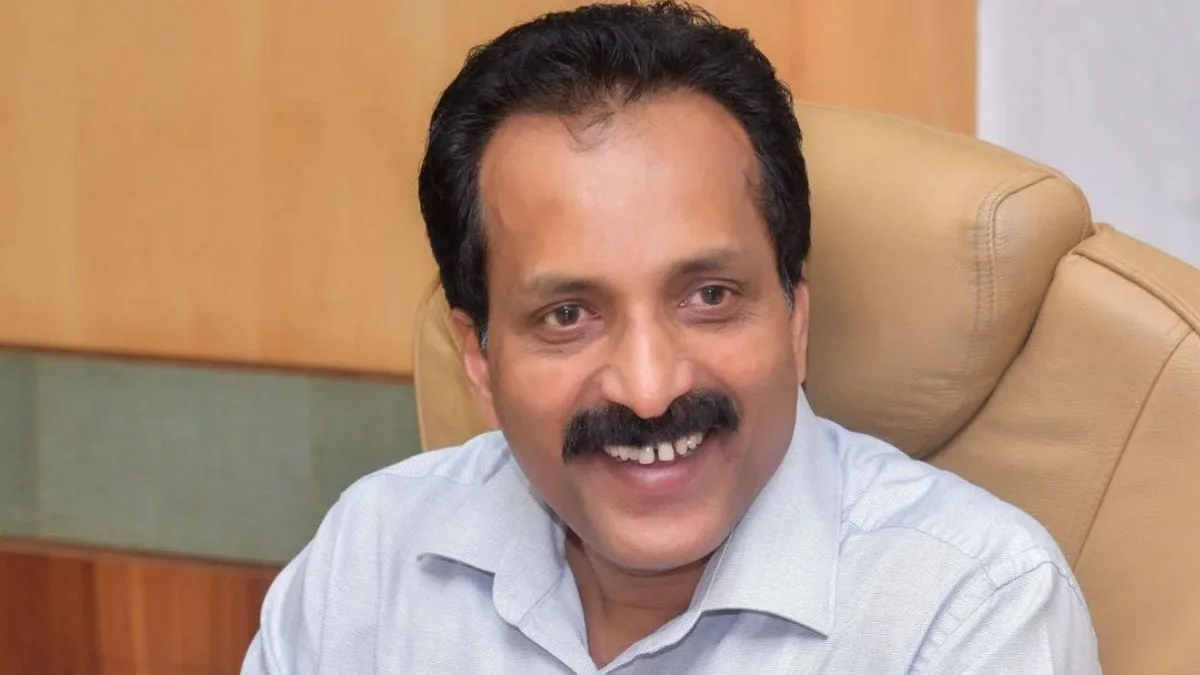
Gaganyaan Scheduled for 2026, Chandrayaan-4 to Launch by 2028: ISRO

Delivering
a
major
update
on
India’s
space
objectives,

ISRO

Chairman
S
Somanath
announced
new
timelines
for
upcoming
missions,
including
the
ambitious

Gaganyaan

and
Chandrayaan-4
projects.
Speaking
at
the
Sardar
Patel
Memorial
Lecture
held
at
Akashvani,
Somanath,
he
provided
details
on
the
Gaganyaan
mission.
As
per
Somanath,
India’s
first
manned
space
endeavour
is
now
expected
in
2026.
He
revealed
that
Chandrayaan-4,
aimed
at
returning
samples
from
the
lunar
surface,
is
slated
for
launch
in
2028.

The
ISRO
chairman
shared
insights
into
India’s
joint
missions,
specifically
a
collaboration
with
Japan’s
space
agency
JAXA.
This
mission,
initially
referred
to
as

LUPEX

(Lunar
Polar
Exploration),
will
be
designated
as
Chandrayaan-5.
In
this
mission,
India
will
provide
the
lander
while

JAXA

will
supply
the
rover,
a
significant
upgrade
from
Chandrayaan-3’s
smaller
rover.
With
a
much
larger
payload
of
350
kg,
Chandrayaan-5
will
be
equipped
to
conduct
extensive
scientific
research
on
the
Moon’s
surface.

Focus
on
Indigenisation
and
Expanding
India’s
Role
in
the
Global
Space
Market

Addressing
the
audience,
Somanath
told
the
importance
of
self-reliance
in
space
technology,
acknowledging
the
progress
made
in
reducing
reliance
on
imports
but
stressing
that
more
needs
to
be
done.
He
highlighted
ISRO’s
aim
to
raise
India’s
stake
in
the
global
space
economy
from
its
current
2
per
cent
to
10
per
cent
in
the
next
decade.
Somanath
noted
that
this
expansion
would
require
collaboration
across
sectors.
He
encouraged
both
startups
and
established
companies
to
actively
engage
with
the
space
industry.

Private
Sector
Participation
and
Boosting
Innovation
in
Space

Somanath
mentioned
the
increasing
role
of
private
industries
in
India’s
space
sector.He
explained
that
ISRO
has
started
initiatives
to
involve
private
companies
in
space
exploration,
moving
away
from
its
usual
government-led
approach.
Citing
examples
such
as
private
companies
now
being
involved
in
rocket
manufacturing,
he
conveyed
optimism
about
the
emerging
partnership
between
ISRO
and
private
entities
in
India.

India’s
Astronomical
Legacy
and
Path
to
Global
Science
Contributions

Reflecting
on
India’s
contributions
to
astronomy,
Somanath
highlighted
the
country’s
history
of
observing
and
exploring
stars.
He
emphasised
the
significance
of
scientific
missions
like
Chandrayaan-3,
which
achieved
a
soft
landing
on
the

Moon
,
as
well
as
Aditya-L1
and
Astrosat,
India’s

space

observatory,
which
have
provided
important
data.
According
to
Somanath,
these
missions
contribute
to
global
scientific
knowledge,
with
Astrosat
alone
having
led
to
hundreds
of
research
papers
and
doctoral
studies.

Posted on

Instagram Lowers Video Quality of Stories and Reels That Do Not Fetch Views, Says Adam Mosseri


Instagram

lowers
the
quality
of
videos
that
do
not
get
a
lot
of
views,
Instagram
Head
Adam
Mosseri
said
on
Friday.
The
social
media
platform’s
head
executive
revealed
this
during
an
ask-me-anything
(AMA)
session
held
on
Instagram
Stories.
As
per
him,
this
applies
to
all
video
formats
on
the
platform
including
Stories,
longer
videos,
and
Reels.
The
decision
is
taken
to
ensure
that
the
videos
watched
by
a
lot
of
users
and
are
getting
a
high
volume
of
traffic
are
prioritised
in
terms
of
encoding.

Instagram
Reduces
Quality
of
Videos
That
Get
Less
Views

In
a
Threads

post
,
a
user
posted
the
video
where
Mosseri
answered
a
question
about
why
older
Stories
which
are
saved
as
Highlights
turn
to
a
lower-quality
version
of
the
fresh
upload.
The
Instagram
head
said
that
the
platform
has
algorithms
that
automatically
check
older
Stories
and
Reels
which
do
not
get
many
views
and
reduce
their
quality.
This
is
done
to
reserve
the
computation
resources
for
videos
that
are
being
watched
by
a
large
number
of
users.

This
would
explain
why
the
Highlights
and
Reels
of
smaller
creators
appear
slightly
grainy
when
viewed
after
a
certain
period.
Mosseri
highlighted
that
quality
reduction
is
applied
after
the
interest
cycle
of
a
recent
upload
dies
down.
This
could,
in
theory,
take
between
a
few
days
and
a
few
weeks.

Some
users
raised
concerns
over
this
move,
especially
the
transparency
about
such
a
decision.
People
also
asked
about
the
breakdown
highlighting
if
a
certain
number
of
views
is
required
to
maintain
the
video
quality.

Mosseri,

replying

to
the
Threads
post,
said,
“It
works
at
an
aggregate
level,
not
an
individual
viewer
level.
We
bias
to
higher
quality
(more
CPU-intensive
encoding
and
more
expensive
storage
for
bigger
files)
for
creators
who
drive
more
views.
It’s
not
a
binary
threshold,
but
rather
a
sliding
scale.”

When
a
user
suggested
that
such
a
move
makes
it
difficult
for
smaller
creators
to
compete
with
larger
creators,
Mosseri

explained

that
based
on
the
analytics,
users
tend
to
interact
with
videos
based
on
the
quality
of
content
rather
than
the
quality
of
videos.
He
also
claimed
that
the
quality
drop
of
the
video
is
not
significant
enough
to
be
a
concern
to
users.

Posted on

My Old Ass OTT Release Date: Aubrey Plaza’s Starrer Movie to Stream on Prime Video in November

Aubrey
Plaza’s
latest
film,
My
Old
Ass,
is
already
drawing
attention
for
its
fresh
take
on
the
coming-of-age
genre.
This
unique
story
captures
the
blend
of
comedy
and
self-reflection
as
an
18-year-old,
on
a
birthday
adventure,
comes
face-to-face
with
her
older
self.
Directed
by
Megan
Park,
the
movie
brings
together
themes
of
family,
personal
growth,
and
life’s
unexpected
lessons,
all
with
a
healthy
dose
of
humor.
Here’s
everything
you
need
to
know.

When
and
Where
to
Watch
My
Old
Ass

The
film
premiered
at
the
Sundance
Film
Festival
on
January
20,
2024,
followed
by
a
limited
theatrical
release
in
the
United
States
by

Amazon
MGM
Studios

on
September
13,
2024.
It
is
going
to
be
premiering
on

Prime
Video

November
7.

Official
Trailer
and
Plot
of
My
Old
Ass

The
trailer
gives
a
sneak
peek
at
a
hilarious
yet
thought-provoking
storyline.
The
film
centers
on
Elliott,
a
spirited
18-year-old
(played
by
Maisy
Stella)
celebrating
her
milestone
birthday
with
a
mushroom
trip
that
takes
an
unexpected
turn.
She
encounters
her
39-year-old
self.
Her
older
self
doesn’t
hold
back
on
giving
advice
and
warnings
about
life,
love
and
the
importance
of
family.
Their
meeting
forces
Elliott
to
reconsider
her
choices
as
she
dives
into
a
summer
that
could
change
everything.

Cast
and
Crew
of
My
Old
Ass

Directed
by
Megan
Park,
who
also
wrote
the
screenplay,
My
Old
Ass
brings
a
solid
cast
to
this
layered
story.
Aubrey
Plaza
stars
as
the
older
Elliott,
while
Maisy
Stella
plays
her
younger
self.
The
film
also
includes
Percy
Hynes
White,
Maddie
Ziegler,
and
Kerrice
Brooks
in
supporting
roles.
Produced
by
Tom
Ackerley,
Margot
Robbie,
Josey
McNamara,
and
Steven
Rales.

Posted on

Supernova SN 1181 Reveals Rare “Zombie Star” in Pa 30 Nebula

A
supernova
that
appeared
in
1181
has
been
linked
to
the
Pa
30
nebula
giving
us
a
rare
zombie
star.

This
discovery
raises
new
questions
about
how
these
celestial
events
unfold.
Advanced
imaging
techniques
from
the
W.M.
Keck
Observatory
uncovered
unusual
filaments
expanding
from
the
core
of
this
supernova
remnant.
The
supernova,
recorded
as
SN
1181,
was
observed
near
the
Cassiopeia
constellation
and
shone
for
six
months
before
fading.
It
is
one
of
the
few
pre-telescope
supernovae
documented
in
history.

For
centuries,
SN
1181
was
considered
an
“orphan”
because
no
visible
celestial
bodies
were
connected
to
it.
However,
in
2021,
scientists
linked
its
remnant
to
the
Pa
30
nebula,
which
was
first
discovered
in
2013
through
citizen
science
efforts.

The
Zombie
Star

At
the
heart
of
the
Pa
30
nebula
is
the
“zombie
star,”
a
remnant
of
the
original
explosion.
This
star
survived
a
thermonuclear
explosion
on
a

white
dwarf
,
which
typically
would
have
been
destroyed.
This
partial
explosion
is
classified
as
a
Type
Iax
supernova.
The
team
of
researchers,
led
by
Tim
Cunningham
and
Ilaria
Caiazzo,
obtained
a
detailed
view
of
the
strange
filaments
that
resemble
dandelion
petals.

Advanced
Imaging
Techniques

Using
the
Keck
Cosmic
Web
Imager
(KCWI),
scientists
first
created
a
3D
map
of
the
nebula.
This
technology
allowed
them
to
measure
the
speed
of
the
filaments,
which
are
expanding
at
about
1,000
kilometers
per
second.
They
noted
that
this
speed
indicates
the
material
has
not
changed
since
the
explosion
in
1181.

New
Insights
into
Supernova

The
research
sheds
light
on
the
asymmetry
of
the
supernova,
indicating
that
the
explosion’s
characteristics
were
unusual.
The
findings
prompt
further
questions
about
the
nature
of
supernovae
and
their
remnants
in
the
universe.

Posted on

Huawei Mate XT Ultimate Design Could be Easily Susceptible to Scratches, Durability Test Suggests


Huawei
Mate
XT
Ultimate
Design

was
launched
by
the
company
in
September
as
the
world’s
first
mass-market
triple
foldable
smartphone,
although
it
is
only
available
in
China
(as
of
now).
It
comes
with
three
screens
that
can
be
folded
in
a
Z-style
manner.
However,
a
recent
durability
test
of
the
smartphone
carried
out
by
a
popular
YouTuber
suggests
that
the
displays
might
be
more
susceptible
to
scratching
compared
to
standard
smartphones,
or
even
regular
foldable
models.

Huawei
Mate
XT
Ultimate
Design
Durability
Test

Before
delving
into
the
durability
test
of
Huawei’s
triple
foldable
smartphone,
YouTuber
Zack
Nelson,
popularly
known
by
his
alias
JerryRigEverything,

carried

its
unboxing.
Being
one
of
the
most
expensive
production
smartphones
globally
at
a
starting
price
of
CNY
19,999
(roughly
Rs.
2,36,700),
the
Huawei
Mate
XT
Ultimate
Design
comes
with
a
lot
of
goodies
including
a
carbon
fibre
case,
a
66W
power
adapter
with
two
USB
Type-C
cables,
an
88W-rated
car
charger,
and
a
pair
of
Huawei
FreeBuds
5.

In
terms
of
durability,
the
Huawei
Mate
XT
Ultimate
Design
appears
to
start
showing
scratches
at
level
two
on
the
Mohs
hardness
scale
and
has
deeper
grooves
at
level
3
with
a
razor
blade.
While
this
is
bound
to
happen
due
to
the
laminated
structure
of
the
foldable
soft-plastic
screen,
the
test
also
revealed
it
was
highly
prone
to
being
easily
scratched
by
even
fingernails.
The
scratches
caused
by
the
fingernails
appear
more
prominently
once
the
screen
is
turned
off.

While
the
scratches
caused
by
the
razor
blade
aren’t
any
different
from
the
durability
of
other
foldable
smartphones,
such
as
the

Samsung
Galaxy
Z
Fold
6
,
which
got
scratches
at
similar
levels,
the
scratches
caused
by
the
fingernails
on
the
Mate
XT
Ultimate
Design
appear
more
prominently
once
the
screen
is
turned
off.

Being
a
tri-fold
smartphone,
the
hinge
mechanism
is
said
to
be
another
weak
point
of
the
Mate
XT
Ultimate
Design.
While
folding
the
screens
in
the
wrong
way
brings
up
a
warning,
the
smartphone
was
bent
by
the
YouTuber
without
too
much
effort,
suggesting
that
owning
such
an
eloquent
device
might
require
extra
care.
Meanwhile,
one
of
the
folded
edges
of
the
screen
is
always
exposed
to
the
elements
when
fully
folded. 

Posted on

Xiaomi 15 Pro to Come With 5X Periscope Camera, 6,100mAh Battery; Key Specifications Confirmed


Xiaomi
15

series
is
expected
to
launch
in
China
tomorrow
(Tuesday)
as
the
company’s
next-generation
flagship
phones,
comprised
of
two
models

Xiaomi
15
and
Xiaomi
15
Pro.
The
smartphone
lineup
is
confirmed
to
be
the
world’s
first
handsets
powered
by
Qualcomm’s
new
Snapdragon
8
Elite
chipset.
Ahead
of
their
impending
debut,
a
company
official
has
confirmed
several
specifications
of
both
devices,
including
the
presence
of
a
5X
telephoto
camera
and
6,100mAh
battery
on
the
Xiaomi
15
Pro.

Xiaomi
15
Series
Specifications
Confirmed

In
multiple

posts
 on
the
Chinese
social
media
platform
Weibo,
Xiaomi
highlighted
that
the
Xiaomi
15
Pro
will
be
equipped
with
a
6,100mAh
battery
with
an
energy
density
of
850Wh/L

a
38
percent
improvement
over
the
Xiaomi
14
Pro,
which
features
a
4,880mAh
battery
capacity.

Additionally,
the
purported
handset
will
be
equipped
with
a
2K
micro-curved
screen
which
uses
customised
luminous
M9
material,
with
1.38mm
bezels
and
a
peak
brightness
of
3,200
nits.
The
light-emitting
material
is
said
to
reduce
overall
power
consumption
by
10
percent.
The
Xiaomi
15
Pro
model
will
also
benefit
from
the
10X
lossless
zoom
feature
courtesy
of
the
5X
periscope
camera.
The
camera
unit
on
both
phones
is
again
confirmed
to
carry
the
Leica
branding,
teasers
suggest.

Both
the
Xiaomi
15
and
Xiaomi
15
Pro
will
be
powered
by
the

Snapdragon
8
Elite

chipset
paired
with
the
company’s
HyperCore
technology.
This
combination
is
claimed
to
deliver
a
45
percent
performance
improvement
over
its
predecessor
while
also
reducing
power
consumption
by
52
percent.
The
company
also
teased
the
power
figures
while
playing
a
large-scale
turn-based
3D
game
for
a
period
of
11
hours
in
2K
resolution.
As
per
the
official,
the
Xiaomi
15
series
will
be
able
to
maintain
a
frame
rate
of
59.4
frames
per
second
(fps)
while
maintaining
a
temperature
of
42.1
degrees
Celsius.

For
the
latest

tech
news

and

reviews
,
follow
Gadgets
360
on

X
,

Facebook
,

WhatsApp
,

Threads

and

Google
News
.
For
the
latest
videos
on
gadgets
and
tech,
subscribe
to
our

YouTube
channel
.
If
you
want
to
know
everything
about
top
influencers,
follow
our
in-house

Who’sThat360

on

Instagram

and

YouTube
.

China
Achieves
New
World
Record
with
42-Tesla
Resistive
Magnet
Technology

Related
Stories