Posted on

Google TV just lost some more of its free streaming channels, but it’s not all bad news

Google Freeplay is axing some TV channels, and bringing back others Out TV Proud and Shades of Black both return after a few weeks away Freeplay’s channel list has still shrunk overall Google TV users may notice a few changes to the platform’s Freeplay service this month, with a number of free TV channels leaving and arriving in quick succession. We’re saying goodbye to some seasonal Christmas channels, including Xumo Holiday Movie Channel, Xumo Holiday Classics, and Xumo Christian Christmas – all of which arrived in time for the Christmas season and are unlikely to see much traction for the coming nine months (via 9to5Google). Although, honestly, we all know people who would happily watch those Hallmark holiday movies all year round, don’t we… But for anyone sad about losing some free channels, there is some good news here too. A pair of channels that were removed from Freeplay earlier in February are now returning to the service to make up for it. After a brief absence, Shades of Black – the “Black culture, entertainment and lifestyle” channel formerly known as Fuse Beat – is now back on Freeplay, alongside the LGBTQ+ network Out TV Proud. These channels were part of a major cull to Google TV’s Freeplay, alongside The Hill TV, Dog Whisperer with Cesar Milan, the Dove Channel, Comedy Dynamics, the Bob Ross Channel, Dazn Ringside, and Dazn Women’s Football. However, it seems like their absence only lasted a couple of weeks, even if the remaining seven channels are still nowhere to be seen. (We’ll miss you, Bob Ross). Google Freeplay now has around 160 free channels after a major cull earlier in 2025. (Image credit: Google / 9to5google) What’s the issue? Google TV Freeplay is a big perk for US customers using Google’s smart TV operating system, packing in over 160 free channels that cover everything from documentary channels and sports to Bollywood movies and true crime. 2024 saw a steady increase in the number of channels available, eventually peaking around 170, though it seems Google is starting to curate that list a little more intentionally in the new year. Freeplay is just one of the major players in FAST (Free Ad-supported Streaming Television) these days. TV viewers can now watch oodles of free TV shows and films on the likes of Samsung TV Plus, Pluto TV, Tubi, and The Roku Channel. Sign up for breaking news, reviews, opinion, top tech deals, and more. As Netflix raises its subscription prices once again, and it becomes even harder to juggle all the best TV shows across a splintered streaming market, many people are embracing free, ad-supported TV that doesn’t put a big monthly dent in their spending budget. And as long as your favorite channels don’t suddenly disappear, there should still be plenty of Google TV Freeplay for you to enjoy throughout 2025. Let’s just hope Google’s AI news summaries don’t end up replacing them. You might also like

Posted on

Samsung S95F vs Samsung S95D OLED TV: Should you upgrade?

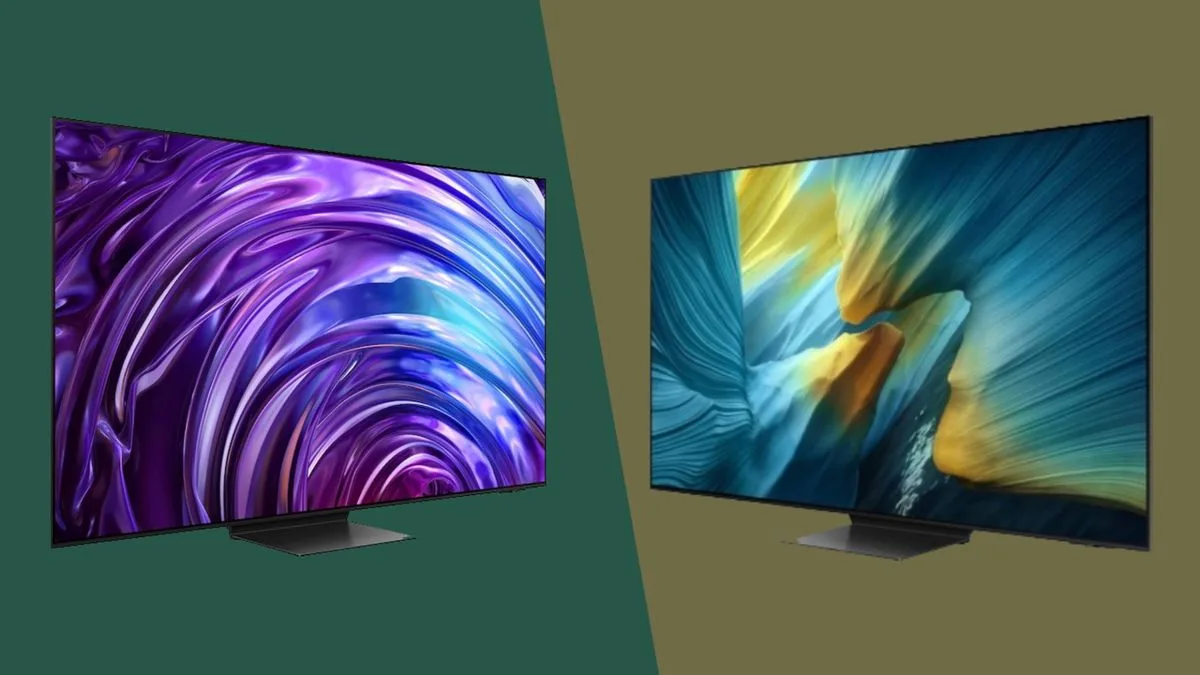
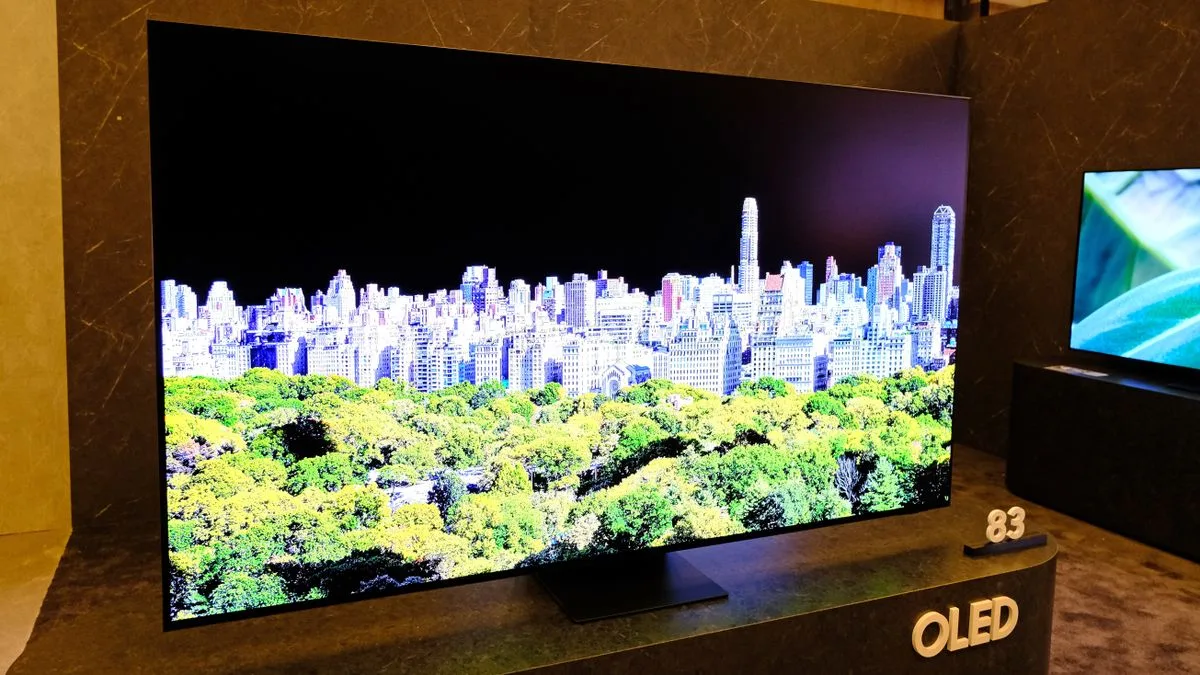
At CES 2025, Samsung unveiled its latest flagship OLED TV, the Samsung S95F – a successor to what was widely considered the best OLED TV of 2024, the Samsung S95D. The S95D was an obvious standout thanks to its QD-OLED panel, glare-free viewing, and exceptional gaming performance, earning praise for its stunning picture quality and impressive HDR brightness. Now, with the S95F OLED, Samsung seems to have taken things even further, boosting brightness to a claimed eye-watering 4,000 nits, introducing a smoother 165Hz refresh rate, and refining its anti-glare screen tech. But does this make it a worthy upgrade, or was the S95D already close to OLED perfection? On paper, the Samsung S95F OLED builds on everything that made its predecessor great. The new QD-OLED panel offers enhanced brightness and contrast, Samsung’s NQ4 AI-powered processor brings improved upscaling and HDR tone mapping, and gamers get a refresh rate bump from 144Hz to 165Hz for even smoother motion. The S95F also retains key features like Samsung’s Glare Free coating and Tizen OS smart TV platform, ensuring a familiar experience, and the S95F introduces an 83-inch variant – though unlike the 55-, 65-, and 77-inch models, this one uses a W-OLED panel instead of QD-OLED. So, does the S95F OLED meaningfully improve on the S95D, or is it an incremental upgrade that most people won’t notice? Let’s take a look. A Samsung depiction of its Glare Free screen tech (Image credit: Samsung) Samsung S95F OLED vs. S95D OLED: What’s new? At first glance, the Samsung S95F OLED and S95D OLED look similar, but there are some key differences. Both models feature Samsung’s QD-OLED panel, but the S95F introduces an upgraded third-generation version that promises brighter highlights, richer colours, and better contrast. Sign up for breaking news, reviews, opinion, top tech deals, and more. For us, the headline upgrade is brightness. Samsung Display, a Samsung division that supplies QD-OLED panels to Samsung Electronics, claims the new panel used in the S95F can hit up to 4,000 nits of peak HDR brightness, a huge jump from the S95D’s already impressive 1,650 nits. And the boost applies across all sizes – including the new 83-inch model, though it uses a W-OLED panel instead of QD-OLED. Alongside brightness improvements, the S95F also brings an enhanced Glare Free coating, designed to improve black depth and maintain better visibility in bright rooms compared to the S95D’s first-generation anti-glare tech. In terms of design and build, the S95F retains Samsung’s ultra-slim profile and premium aesthetic, with only minor refinements. Like the S95D, it features razor-thin bezels, a minimalist stand, and an overall sleek appearance. Samsung continues to include the One Connect Box, a separate hub that houses HDMI 2.1 ports, power management, and other connectivity options, allowing for a cleaner cable setup. The S95F doesn’t introduce any major durability upgrades, but its panel refinements could lead to better long-term brightness performance. One of the biggest talking points of the S95F OLED is its gaming performance. Samsung has pushed the refresh rate from 144Hz on the S95D to 165Hz, making it one of the fastest OLED TVs available. This refresh rate increase benefits PC gamers with high-end GPUs, offering smoother motion clarity and reduced screen tearing. While the S95F makes small but meaningful refinements over the S95D, the biggest takeaway is its combination of extreme brightness and improved gaming capabilities. The boost to 4,000 nits of peak HDR brightness and the 165Hz refresh rate set it apart from its predecessor. The Samsung S95F OLED TV on display at CES 2025 (Image credit: Future) Samsung S95F OLED vs. S95D OLED: Picture quality, gaming, and AI Samsung’s QD-OLED tech has been a game-changer for OLED TVs, and the S95F OLED pushes it even further, as befits its top-end OLED TV. The biggest improvement is in brightness, with Samsung claiming the S95F can hit a peak HDR brightness of 4,000 nits, significantly higher than the 1,868 nits we measured on the S95D, making the S95F the brightest OLED TV yet. The QD-OLED panel’s colour accuracy and uniformity have also been enhanced, thanks to Samsung’s NQ4 processor, which refines real-time tone mapping and upscaling, and the next-gen Glare Free coating should further improve visibility in bright environments by reducing reflections while maintaining deep blacks. The S95F will also have a new AI Gamma feature that helps improve shadow detail rendition when viewing in brighter rooms. For gamers, the S95F OLED adds a 165Hz refresh rate, up from 144Hz on the S95D. Like its predecessor, the S95F supports Variable Refresh Rate (VRR), Auto Low Latency Mode (ALLM), and AMD FreeSync Premium Pro, ensuring stutter-free and lag-free gameplay on consoles like the PS5 and Xbox Series X. On the smart TV side, both the S95F and S95D run Samsung’s Tizen OS, but the S95F benefits from a faster, AI-powered interface. Samsung has introduced improved AI-driven recommendations, enhanced multi-tasking for apps, and a more responsive UI. The S95F also integrates Samsung’s SmartThings platform, allowing it to function as a hub for smart home control. In terms of audio, the S95F continues to support Dolby Atmos and Samsung’s Object Tracking Sound (OTS) tech, though any major upgrades over the S95D remain unconfirmed at the time of writing. Both TVs also offer Q-Symphony, which syncs the TV’s built-in speakers with a compatible Samsung soundbar for an enhanced surround sound experience. Overall, the S95F makes meaningful upgrades over the S95D, particularly in brightness, glare reduction, and gaming performance. The picture quality improvements will be most noticeable in HDR-heavy content, while gamers will benefit from the higher refresh rate. The smart features and audio experience remain largely unchanged, meaning those who already own an S95D may not feel the need to upgrade. However, for those looking for the absolute best OLED TV available in 2025, the S95F makes a strong case as Samsung’s most advanced OLED yet. The Samsung S95D is the brightest OLED TV TechRadar has yet measured (Image credit: Future) Samsung S95F OLED vs. S95D OLED: Should I upgrade? Samsung has yet to announce official pricing for the S95F OLED, but it’s expected to launch at a similar price point to the S95D when it debuted in 2024, meaning buyers should anticipate a premium price tag. While the S95D remains one of the best OLED TVs available, the S95F’s improvements in HDR performance, refresh rate, and glare-free viewing could justify the extra cost for those looking for the latest and greatest. However, if prices on the S95D drop, it could remain an excellent value pick, especially for those who don’t need 4,000 nits of brightness, a 165Hz refresh rate for gaming, or a TV that’s versatile enough to look great in bright as well as dim environments. So, should you upgrade? If you already own an S95D, the S95F isn’t a revolutionary leap – it’s a refinement. The S95D still delivers incredible OLED picture quality, fast gaming performance, and strong smart TV features, making it a worthy option for most people. But for those upgrading from an older OLED model or a traditional LED/LCD TV, the S95F stands out as one of the most advanced OLEDs available when Samsung launches it later in 2025. You might also like…

Posted on

Your YouTube TV app could get much easier to use with these 2 new features

YouTube is now primarily watched on smart TVs in the US In a blog post, YouTube’s CEO laid out new features coming to the YouTube TV app this year They include new ways to comment and interact with videos, for both users and creators The YouTube TV app is set to get some key changes, with YouTube CEO Neal Mohan laying out the platform’s plans for 2025. In a new blog post, Mohan revealed how important YouTube’s TV app had become in a streaming landscape where most YouTube usage in the US is through smart TVs rather than over PC and mobile. The company is looking to capitalize on that screen-centric attention by rolling out some new interactivity and commentary features for creators and viewers alike. The first new feature is geared around “a second screen experience”, allowing you to “use your phone to interact with the video you’re watching on TV – for example, to leave a comment or make a purchase”. While it may defeat the point of watching YouTube on the big screen for some (the ability to not be on your phone), the change also speaks to how multi-screen households often work, with many of us scrolling at the same time as watching TV series and videos. Netflix is regularly accused of asking creators to make ‘second screen’ content that can be easily followed even if a user is splitting their attention between devices, and this kind of low-level interactivity could help YouTube capture both sides of that attention divide. The second feature is called ‘Watch With’, and is more about creators than viewers. Mohan says this “enables creators to provide live commentary and real-time reactions to games and events,” building on some tests around this feature during last year’s NFL coverage. YouTube TV is already experimenting with live commentary during NFL coverage on the platform. (Image credit: Photo by Luke Hales/Getty Images) What’s the issue? 2025 will mark YouTube’s 20th birthday, and the incredible journey it’s made from zoo videos to a massive video distribution empire. Sign up for breaking news, reviews, opinion, top tech deals, and more. The blog post notes how much has changed in that time, including the current dominance of smart TVs for YouTube usage, as well as its place as a leading source for podcasts in the US. It also runs through the growing prevalence of AI tools on the platform, whether for creating video backgrounds or even watching videos for you. Whether or not you think YouTube is, as Mohan says, “the epicenter of culture” – especially as YouTube is increasingly infiltrated by AI slop and deepfake content – there’s no denying its central place in our streaming habits, covering everything from online skits and sports events to played-on-loop children’s educational videos. Last year, CNBC reported that YouTube made up 10% of all viewing time on televisions, ahead of Netflix at 7.6%. And while I’m trying not to keep multiple screens in my eye-line at one time, YouTube may just make a good case for it. You might also like

Posted on

Eclipsa Audio, the new Dolby Atmos competitor, is coming to Google TV sets and LG TVs – but we’re still missing the most important news

Google and Samsung’s Atmos rival, Eclipsa, is coming to LG and Google TVs The 3D audio format will be baked into Android 16 too No support from any streaming services except YouTube so far There’s a new 3D audio format in town, but when will TV owners get to hear it? While informed listeners may know their way around Dolby Atmos, DTS:X or even the Auro-3D format coming to Nvidia Shield devices, Eclipsa is a new open-source 3D audio format developed by Google and Samsung. Imagined as a competitor to Dolby Atmos – much like how Samsung’s HDR10+ picture format rivals Dolby Vision – Eclipsa was formally unveiled at CES 2025 and confirmed to launch in all 2025 Samsung TVs and soundbars. Speaking to FlatpanelsHD, Google representatives confirmed that Eclipsa will be baked into the Android 16 operating system, meaning it will get support on Google TVs and other smart TV makers that use the Android OS, such as Hisense, TCL, Sony and Philips TV. Beyond that, the aim is to get Eclipsa Audio running on mobile devices and web browsers, alongside AV receivers. FlatpanelsHD also reports that support will come to webOS, used on LG TVs. But the question remains: where and how will anyone access Eclipsa-coded audio? YouTube should be the first main beneficiary of Eclipsa, but will creators use it? (Image credit: Shutterstock / Hamara) The waiting game Eclipsa is channel-based, meaning it ties sound sources to specific channels (like in a 2.0 stereo or 5.1 surround-sound setup) rather than individuating each sound source (as in the object-based Dolby Atmos format). However, Eclipsa supports ‘up to 28 input channels’ according to FlatpanelsHD, so there’s more than enough information to create a convincing 3D soundspace for home listening. While it trades a little flexibility, and specificity of location, it’s also somewhat easier to deploy and recreate consistently. Given Google’s involvement, Eclipsa Audio is being angled as a multipurpose 3D audio format that can roll out across its massive network of Android devices for any audio source, even humdrum YouTube videos, rather than focusing primarily on high-end entertainment output like movies, TV shows, music and games. YouTube creators will apparently be able to upload Eclipsa-coded content later in 2025. Sign up for breaking news, reviews, opinion, top tech deals, and more. In a blog post detailing the new format, Google says that “spatial audio technologies were first developed over 50 years ago, and playback has been available to consumers for over a decade, but creating spatial audio has been mostly limited to professionals in the movie or music industries. That’s why Google and Samsung are releasing Eclipsa Audio, an open source spatial audio format for everyone.” However, 3D audio formats generally have been pushed on high-end TV models and major TV streaming services, with interest driven by cinephiles/audiophiles eager to improve their home theater experience with more immersive sound. It’s not clear, either, whether YouTube creators will feel incentivised to start creating content in the new format en masse. As FlatpanelsHD notes, the Atmos-minded Netflix has yet to voice its support, despite its involvement with Google and Samsung in the Alliance for Open Media (AOM), and Google reps couldn’t comment on Apple’s plans for its tvOS or iOS platforms either. The notion of open-source 3D audio is very appealing, especially if it does improve the kind of everyday audio experienced through Android smartphones and tablets, or through the YouTube app. But it’s going to be hard to shout about Eclipsa until some major players in the field – and content creators on the ground – actually decide to get involved. A format on the best TVs and best soundbars does no good if there’s nothing to watch. You might also like

Posted on

This super-cheap Sony soundbar is one of the best budget options I’ve ever tested

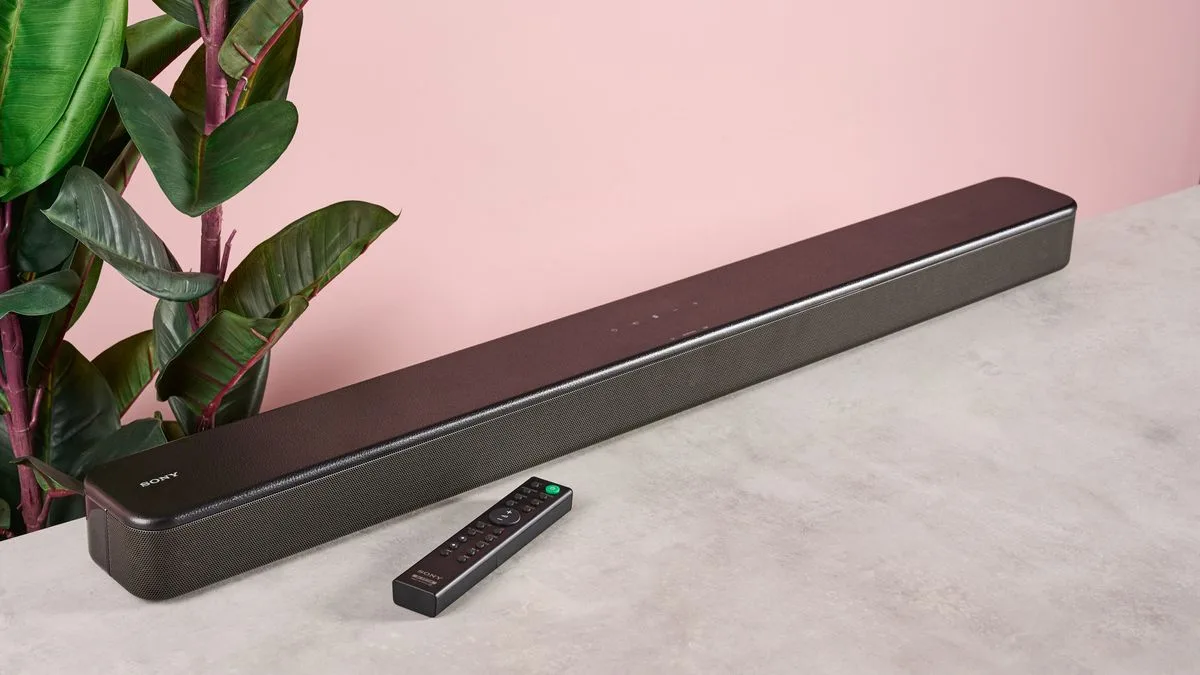
Sony HT-SF150 review If you’ve decided it’s time to upgrade your sub-par TV audio, but don’t want to lose your life savings, the Sony HT-SF150 could be your ideal low-budget solution. This super-slim 2.0 channel soundbar aims to supply “punchy bass without compromising detail and clarity”, simple connectivity and cinematic virtual surround sound – but does it get the job done? Well, let’s kick things off by talking about setup. It really doesn’t get much easier than this: simply connect your soundbar via HDMI ARC or digital optical, plug it into a power outlet and you’re away. I selected HDMI ARC mainly because it allows you to adjust the soundbar’s volume with a standard TV remote – pretty handy. After getting the Sony HT-SF150 all set up, I got straight into testing its audio capabilities. I’m happy to report that it fared very well for a soundbar that’s often available for less than its already cheap $129 / £99 / AU$194 list price. I didn’t encounter much tinniness or distortion, even at medium to high volumes – something I’ve experienced with a lot of cheap soundbars. Speaking of volume, this thing can get surprisingly loud, in part thanks to its 120W power output, which is considerably higher than what some of the best cheap soundbars offer. (Image credit: Future) Staying with sound, I was impressed by dialogue clarity when using the Sony HT-SF150. For instance, I watched the movie Smile on Netflix and, when two women were speaking in an isolated room, the vocals were super clear and each character’s tone sounded natural. When listening to a podcast, I could switch to Voice mode using the included remote, which really brings speech to the forefront and presents it in a crisp, clear-cut manner. In addition to Voice, there are Standard, Cinema, Music, Night and Auto Sound modes. That last mode tunes EQ depending on what content you’re consuming, though sometimes I still needed to do this manually. Another glowing aspect of this soundbar’s performance is the effectiveness of Sony’s S-Force Front Surround virtual processing, which endeavors to emulate “cinema-style surround sound.” That may be a bit of a stretch for a soundbar with no Dolby Atmos or DTS:X, let alone any sub or rear speakers, but, while watching The Boy and the Heron, I was struck by the soundbar’s ability to accurately map the heron’s flight as he soared across my screen and then towards me. You won’t get incredible verticality or room-filling expansiveness here, but the HT-SF150 certainly outclassed my TV’s efforts. (Image credit: Future) One area where a lot of standalone soundbars fall flat is bass output – it can be hard to muster a meaty boom without a dedicated subwoofer – especially in a budget model like this. And although the HT-SF150 won’t rock your world with mesmerizing low-end output, it still plates up decent bass. This model includes a built-in bass reflex speaker, which gives a leg up to deep tones and makes it ideal for movies or video games with dark or ambient scores. When playing Final Fantasy VII: Rebirth, I was met with impressive depth as the protagonist Cloud faced oversized mechanical monstrosities with thumping footsteps and ground-shaking attacks. I would’ve liked an option to raise bass levels manually to really enhance low-end output, but you won’t get that, unfortunately. In some places, this game includes speech from the main cast, chatter from background characters or enemies and music from its grandiose soundtrack. This exposed a slight weakness in the Sony HT-SF150 – it sometimes leans into a slightly muddied presentation. When there are several layers to balance out, you may experience some business in the mid-range. There’s no abrasiveness or harshness to endure, just a bit of bloating that can leave some details under wraps. (Image credit: Future) You’re probably not expecting perfectly separated, ultra-detailed audio, so for the most part, the HT-SF150 performs well in this department. But sound isn’t the only positive part of this model, I also loved its design. Really, this soundbar looks a lot more premium than many of its budget counterparts. It has a beautiful leather-like finish on top, classy onboard buttons, and an attractive wraparound speaker grille. The included remote is slim with well-sized button controls and a premium feel. Unfortunately, some features can only be triggered by repeatedly pressing certain buttons on the remote, which can be a bit confusing unless you consult the user manual. The only frustrating aspect of this soundbar’s design is its LED display. As with competitors like the Panasonic SC-HTB100, this thing just uses small lights to indicate volume and sound mode alterations or when it’s in Bluetooth mode. This works fine, but I do prefer a more visual display with letters and numbers – something you get with the Majority Elias, for instance. (Image credit: Future) Back to the positives, though. I found this soundbar to be pretty feature-rich given its price-point. For example, you can toggle Dolby Dynamic Range Control, which makes Dolby Digital audio easier to hear at lower volumes. There’s also multiplex broadcast sound and USB connectivity available. One key feature is the inclusion of Bluetooth 4.2, which enables you to connect your phone to the soundbar and play music. Musical performance wasn’t amazing over Bluetooth – breathy vocal details in I Want You by Moloko weren’t very audible and could sound a bit lost in the overall mix, even when listening in Music mode. However, the low-end kick in the bass-heavy Splash Mountain by Yung Gravy was commendable and the depth and rapid decay of the drum machine in Black Eye by Allie X also stuck out to me. This soundbar is up to the task if you just want to listen to some tunes in the background, but it won’t impress audiophiles or compete with some of the best soundbars. Overall, the Sony HT-SF150 is a very solid budget soundbar with a broad feature set, generally clear-cut dialogue, considerable power, and an elegant design. For the price, it’s fantastic value and while it’s not without its flaws sonically, it can be trusted to offer a leg up to some of the best small TVs and even some more premium models. So, this soundbar is definitely worth bearing in mind for those on a budget, but if you’re a little short on space, the mini Hisense HS214 is an awesome alternative. Those with a bit more cash may also want to consider one of the best Dolby Atmos soundbars for mind-blowingly good spatial sound. (Image credit: Future) Sony HT-SF150 review: Price and release date $129 / £99 / AU$194 Launched in 2018 The Sony HT-SF150 is available in the UK and has an RRP of £99. In the US and Australia, the model has a slightly different name – the Sony HT-S100F – and a list price of $129 / AU$194. But I bring great news…this soundbar is often available for a fair amount less. I’ve often seen it sell for less than $100 / £90 / AU$180, which makes it an incredibly low-priced option. It may not be the newest soundbar on the market, but it’s compatible with all modern TVs thanks to its use of HDMI and digital optical connectivity. Sony HT-SF150 review: Specs Swipe to scroll horizontally Dimensions 35.4 x 2.5 x 3.5 inches / 900 x 64 x 88mm Speaker channels 2.0 Connections HDMI, digital optical, USB, Bluetooth 4.2 Dolby Atmos / DTS:X No / No Sub included No Rear speakers included No (Image credit: Future) Should I buy the Sony HT-SF150? Swipe to scroll horizontally Attributes Notes Rating Features S-Force, great sound modes, no bass/treble adjustment or Atmos. 4/5 Audio performance Can get a little bloated but usually clear dialogue and decent bass, powerful too. 4/5 Design Premium-looking given its price, neat remote, small LED display can confuse. 4.5/5 Setup and usability Easy to set up with HDMI, plenty of ways to connect, some unorthodox controls. 4/5 Value Great price for the sound upgrade and build quality on offer. 4.5/5 Buy it if… Don’t buy it if… Sony HT-SF150 review: Also consider Swipe to scroll horizontally Row 0 – Cell 0 Sony HT-SF150 Hisense HS214 Amazon Fire TV Soundbar Price $129 / £99 / AU$194 $99 / £79 (about AU$160) $119.99 / £119.99 (about AU$180) Dimensions 35.4 x 2.5 x 3.5 inches / 900 x 64 x 88mm 25.6 x 3.7 x 2.3 inches / 650 x 95 x 58mm 24 x 3.5 x 2.6 inches / 610 x 90 x 65mm Speaker channels 2.0 2.1 2.0 Connections HDMI, digital optical, USB, Bluetooth 4.2 HDMI ARC, digital optical, AUX, USB, coaxial, Bluetooth 4.2 HDMI ARC, digital optical, Bluetooth Dolby Atmos / DTS:X No / No No / No No / No Sub included No No (but includes built-in woofer) No Rear speakers included No No No Sony HT-SF150 review: How I tested (Image credit: Future) Tested for one week Connected the soundbar to the Hisense U7K TV at home Used the HDMI ARC connectivity option For one week, I had the not-so-arduous task of testing the Sony HT-SF150. During this time, I used HDMI ARC to connect the soundbar to my Hisense U7K TV – which already has solid built-in audio. While testing, I viewed a variety of TV shows, videos and movies – mainly using streaming services like Amazon Prime Video, Netflix and YouTube. I also played Final Fantasy VII: Rebirth on the PS5 to assess the soundbar’s gaming capabilities. In addition, I connected the Samsung Galaxy S24 FE to the SF150 and trialed Bluetooth connectivity for playing music. I made sure to play tracks from the TechRadar testing playlist to judge the quality of the soundbar’s Music mode. First reviewed: February 2025 Read more about how we test

Posted on

New cheaper blue OLED material breakthrough could be great news for OLED TVs – and every other device

Researchers have discovered a new host material for blue OLED pixels Tests showed a big jump in power efficiency The breakthrough could mean cheaper production Good news for anyone hankering for a cheaper OLED TV: a new scientific breakthrough could pave the way for cheaper, more efficient OLED displays in our smart TVs, phones, tablets, and pretty much everywhere else – though the impact could be largest on TVs. Researchers at the University of Cambridge and University of Manchester have reportedly discovered a new ‘oxadiazine’ host material for creating high-efficiency, lower-cost, blue OLED pixels (via OLED-info). Blue OLED pixels are the white (blue?) whale of TV panel development, proving much more difficult to produce with the same light-emitting efficiency as their red and green counterparts, with more risk of instability and a short shelf-life. As the abstract from the scientific paper says: “Energy-efficient and deep-blue organic light-emitting diode (OLED) with long operating stability remains a key challenge to enable a disruptive change in OLED display and lighting technology.” However, it looks like headway is being made. The paper shows the molecular design of the new material, with 21% improvements in power efficiency and excellent “thermal stability” for use in blue OLED pixels. And while all OLED devices use blue pixels, the reason that’s especially good for TVs is that even the latest and greatest TV tech requires multiple layers of blue pixels, so that’s where the biggest effects may be felt. The Panasonic Z95B features LG Display’s new four-stack OLED panel. (Image credit: Future) The future of OLED There’s been a big push in recent years towards developing ‘phosphor OLED’ panels with greater power efficiency and higher brightness This means that a TV screen can deploy fewer layers of blue pixels for the same brightness output as existing screens. Sign up for breaking news, reviews, opinion, top tech deals, and more. LG’s latest ‘four-stack’ Primary RGB Tandem OLED panel (used in the LG G5 and Panasonic Z95B), for example, uses more blue layers than red or green. QD-OLED, as used in the Samsung S95F, relies heavily on blue light coming through a layer of quantum dots, so also requires several layers of blue pixels. So any method for reducing the complexity or cost of blue pixels is going to be very welcome. While phosphor OLED has proved difficult to manufacture so far, these kinds of breakthroughs show that headway is being made in blue options overall. A laboratory breakthrough like this will take time to impact mass panel production, of course, but it does bode well for the development of OLED in the coming years, and the hope for cheaper, more accessible OLED TVs that offer excellent picture quality for longer. While OLED TV prices have fallen in recent years, they’ve largely stalled around the $1,000 mark, and manufacturers and consumers alike have been waiting for something to break the deadlock. Hopefully, that future isn’t too far off. You might also like

Posted on

LG C5: everything we know so far about LG’s mid-range OLED TV

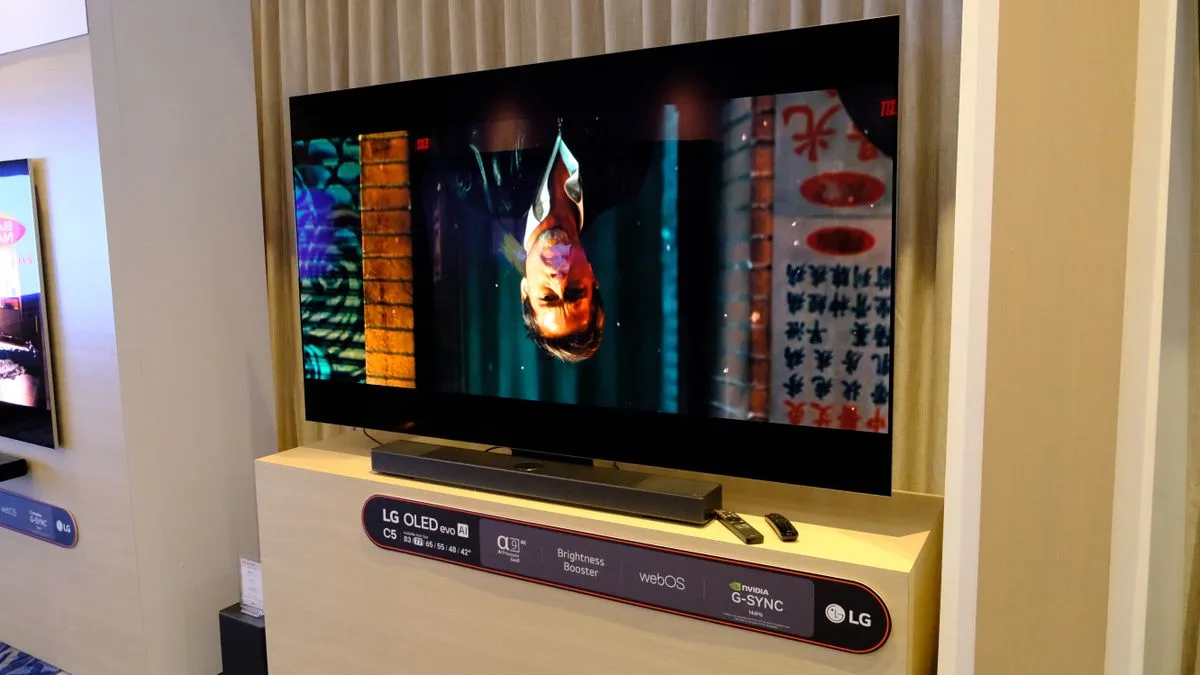
The LG C5 was revealed in January at CES 2025 as part of LG’s 2025 OLED TV lineup. While we still don’t have all the info on the C5, from what we’ve been told it looks like there will be minimal changes from its predecessor, the LG C4. These changes include higher brightness, improved processing and the latest iteration of LG’s smart TV platform, webOS 25. We were impressed with the LG C4 in 2024, thanks to its stunning contrast, stacked list of features and wide range of sizes. It was a noticeable step-up over the LG C3 from 2023 and the C4 earned its place among the best OLED TVs. We’ve seen the C5 in person and at first glance, it looked nice and bright, but not very different from the C4. This was only a brief preview at CES 2025, so we’ll wait to properly test it before we make our final judgment. Below, we look at what’s been confirmed so far about the C5 and everything we still need to know. At the time of writing, we’ve yet to have pricing and official release dates confirmed. LG C5 OLED TV: Prices and release date We don’t have pricing for the LG C5, but we can guess based on the launch pricing of the LG C4 (pictured) (Image credit: Future) At the time of writing, we don’t have official pricing or release dates for the LG C5, but we can speculate based on the same information for the C5’s predecessor, the LG C4. When the C4 was released in March 2024, it had a slight price increase over the LG C3 on every model size in the range. Pricing for the LG C4 at release was as follows: OLED83C4: $5,399 / £5,999 / AU$7,999 OLED77C4: $3,699 / £3,799 / AU$5,999 OLED65C4: $2,699 / £2,699 / AU$4,299 OLED55C4: $1,999 / £1,899 / AU$3,299 OLED48C4 $1,599 / £1,499 / AU$2,499 OLED42C4: $1,499 / £1,399 / AU$2,199 We guessed that the LG C4 would have a price increase due to inflation over the LG C3 before official pricing was confirmed, and were correct, with all C4 models priced roughly $200 higher than the same sizes in the C3 series. Sign up for breaking news, reviews, opinion, top tech deals, and more. We expect a price increase over the C4 series for all C5 sizes, once again due to inflation. Based on previous years, we anticipate that the C5 will launch in March or April 2025, as this is when LG has traditionally launched its new TVs. Again we’re only speculating on the pricing and release dates above based on previous models. Once we have official pricing and release dates, we’ll be sure to update this section. LG C5 OLED TV: Features The LG C5 (pictured) appears to have higher brightness and new AI features, but not many more upgrades over its predecessor (Image credit: Future) The LG C5 will be available in its usual range of sizes: 42, 48, 55, 65, 77 and 83 inches. As far as upgrades go, there haven’t been many confirmed changes over the LG C4. Firstly, we know that the C5 will continue to use an OLED Evo panel and not a micro lens array panel (MLA) as many hoped for (although MLA has been dropped from the LG G5 and LG M5 OLEDs in favor of a new four-stack OLED panel). For this reason, we won’t expect any drastic changes in brightness. While no official brightness specs have been confirmed, the Philips OLED810, its mid-range 2025 OLED, has been confirmed to have a 15% brightness increase from 1,300 nits (in the OLED809) to 1,500 nits for the OLED810. Considering it uses the same panel as the LG C5, we can assume that the C5 will have a similar brightness increase over the LG C4. When we measured the C4, peak brightness on a 10% white HDR window pattern was 1,065 nits in Filmmaker Mode. If the 15% increase is correct, we can guess that the C5 will hit about 1,225 nits peak brightness. Of course, we haven’t officially measured the C5 yet; this is just speculation. The C5 will also use the Alpha A9 AI Processor Gen8, which will provide AI features and support the latest version of LG’s smart TV platform, webOS 25. Several new AI enhancements arrive with webOS 25, including AI Search (AI content search engine), AI Concierge (a feature that recommends content based on viewing history) and a more advanced version of the AI Chatbot first featured in webOS 24. There’s also the ability to create custom profiles for multiple users that will provide tailored recommendations and picture settings. The LG C5 should have the same gaming features as the LG C4 (pictured), and that’s not a bad thing (Image credit: Future) Unlike the LG G5, which now supports 165Hz, the new C5 isn’t getting any gaming upgrades. Even so, the LG C4 is one of the best gaming TVs, and its gaming features that will carry over to the LG C5 include four HDMI 2.1 ports with 4K 144Hz, Dolby Vision gaming, VRR (AMD FreeSync and Nvidia G-Sync), HGiG and ALLM support. LG C5 OLED TV: what we still need to know We’re still waiting on specs for the LG C5’s built-in speaker system (Image credit: Future) We are still waiting on confirmation of specs for the C5’s built-in speakers. The C4 came with a 2.2-channel Dolby Atmos system and while it’s likely the C5 will have the same, audio is an area where LG could make another upgrade. Could a built-in subwoofer be included? Any upgrades would be welcome. The C4’s speakers “did the job” as we said in our review, but we recommended it be paired with one of the best soundbars. You might also like

Posted on

Amazon’s Android TV update hints at new Fire TV devices – maybe at the next-gen AI Alexa event soon

New documentation suggests we’ll see Fire TV devices run on Android 14 That’s despite claims Amazon was moving Fire TV to a new platform A big product launch is planned for February 26 Amazon appears to be working on some new Fire TV Sticks that run on Android 14, and we could get our first good look at them before the month is out. Eagle-eyed reporters for AFTVNews spotted the mention of new hardware on one of Amazon’s developer pages, titled ‘Developing for Amazon Fire TV Devices Running Android 14’. The page opens by saying that “Android 14-based Fire TV is based on API level 34. The following sections explain some of [the] important changes that you should consider when you build apps for Android 14-based Fire TV.” There are no specific models listed, but the term ‘Android 14’ reappears on another Fire OS page, and with a big Amazon product launch only a few weeks away, we’re curious about whether a new Fire TV lineup is about to appear. We don’t yet have any Fire TV devices running on Android 14 – the version of Google’s ubiquitous operating system that launched in 2023 – and it looked like Amazon was keen to start shifting its streaming hardware onto the new Linux-based VegaOS, which runs on the latest versions of the Echo Spot and Echo Show. However, the documentation suggests that Amazon’s Fire TV streaming sticks and smart TV collaborations could still run on a version of the Android platform, and with no current devices running it, it seems likely that new ones are coming. The last Fire TV Stick was the HD model launched in 2024, and we wouldn’t be surprised to see some updates to older Fire TV hardware for the coming year. Sign up for breaking news, reviews, opinion, top tech deals, and more. (Image credit: Getty Images) You, me, and Alexa The big launch event is on February 26, and is expected to showcase a next-generation, AI-powered iteration of the Alexa smart assistant – which could well be integrated into any new-for-2025 Fire TV hardware. This new Alexa should be better at understanding natural speech, and handling multiple contextual prompts in sequence – allowing for a more streamlined, conversational interaction – and even act as an AI agent to perform tasks on your behalf. These kinds of AI enhancements are still in public beta for the most part, and you may find yourself paying $5-10 dollars per month for the privilege of testing these not-yet-perfect features out. But it shows that Amazon is stepping up to the AI plate and making sure it’s part of this new frontier in smart assistants. Given how ubiquitous Alexa is across the best smart home devices, it’s something we should all take notice of. Here’s hoping the new Fire TV brings back our ability to hide apps on the homepage, though… You might also like…

Posted on

The Nvidia Shield lives! A new update adds a Dolby Atmos competitor, and a load of other fixes

Nvidia Shield’s latest update, v9.2, adds a new 3D audio format The support comes two years after Nvidia first voiced plans to do so However, there’s no sign of a new Shield TV model A new update to the Nvidia Shield TV streaming box has arrived, with software version 9.2 now rolling out to Shield TV devices with a host of new fixes and changes, reminding us that the ageing streamer may still have some life in it yet. The flashiest change is the addition of Auro-3D, a three-dimensional audio format in the vein of Dolby Atmos or DTS:X. Nvidia voiced its intention to support Auro-3D back in 2023, but it’s taken around two years to finally get here. Developed by Denon, Auro-3D works in a similar way to other three-dimensional formats, configured for a sense of height and surround sound immersion alongside traditional horizontal speaker arrangements. You’ll need a minimum 9.1 channel speaker setup to get the full experience, mind. The format isn’t widely supported compared to Dolby Atmos, which you’ll find on the best streaming services such as Netflix, but it’s still a contender making its way to devices, Blu-rays and other platforms – and for those with a suitable home theater system, you’ll likely want to check it out for yourself. (Image credit: Nvidia) Other changes for version 9.2 include added parental controls in French, increased security measures for 4K DRM playback, and a long list of bug fixes for video and audio playback, app launching, and smart assistant integration issues. The patch notes mention that the update will remove your Shield TV from Google Home integration, too, so make sure you reconfigure your setup if that’s something that affects you. Will there be more Shield TV hardware to come? It’s an interesting time for Nvidia’s TV streaming box. The Shield TV range first launched in 2015, with the latest Shield TV and Shield TV Pro models releasing in 2019, meaning the current hardware is getting a little long in the tooth – especially given it still runs on Android 11 rather than the latest Android 12 OS. Sign up for breaking news, reviews, opinion, top tech deals, and more. As we wrote in 2024, though, the Shield TV is still an excellent streaming box, even if its updates are now few and far between. It’s a capable 4K HDR streamer for any smart TV, with countless Android apps and services, including the jam-packed GeForce Now streaming service with access to over 1,800 games. But with plenty of other streaming devices to choose from, games consoles that double as streaming boxes, and reports that Valve may be looking at creating a Shield TV competitor, and it’s hard to see how long Nvidia’s box can hold on without releasing a new hardware iteration in the near future. I can at least assure you that Matt Hanson, our Managing Editor for Computing and TR’s foremost Shield fanatic, brings it up with Nvidia literally every time he speaks to the folks there, which has been pretty damn regularly recently – so when Nvidia finally breaks and promises a new one to shut him up, you’ll know who to thank. You might also like

Posted on

The leaked Sonos streaming box could be a huge hit for custom home theaters, if it adds 2 key missing features from the current line-up

The big features of Sonos’ upcoming streaming box have leaked, and they sound pretty damn great, actually. The key elements are that it will have multiple HDMI passthrough ports and will act as an HDMI switch, that it will have a comprehensive range of streaming services in a unified interface, and that it will be able to send wireless audio to Sonos speakers in home theater configurations that don’t involve a soundbar at all (or can still include one, but also wirelessly). The downsides are that the software is being developed by an ad-tech company (and Sonos has a rocky reputation around software over the last year), and that it’s predicted to cost $200-$400, which is a lot if you’re looking at a living-room setup, since you then need to add all those speakers, and probably stands for the speakers, and all that jazz. But there’s a very interesting potential use case where the price downside really goes away, and the new speaker system could come into its own even more: custom home theater installs. Not everyone realizes that Sonos is actually a significant name in the world of in-wall speakers and in-ceiling speakers. These aren’t wireless, alas, but they’re designed to work seamlessly with the Sonos Amp, which knows exactly how to drive them for peak output, and can drive six speakers (three pairs) per Amp box. In the past, their use for home theater has been limited to Sonos regular Amp options: they can act as stereo TV front speakers only, or rear TV speakers when paired with a soundbar. But if the new streaming box enables more flexible speaker configurations, and can work with Sonos’ in-wall speakers connected to multiple Sonos Amps, things could get interesting. The Sonos Amp could be a secret weapon for the streaming box. Imagine one of the best projectors (which probably won’t have its own streaming tech built in) connected to a Sonos streaming box, which wirelessly sends audio out to two Sonos Amps. One is powering four in-ceiling speakers and a pair of front left and right in-wall speakers; the other is powering a pair of side in-wall speakers and a pair of rear ones. Hopefully the streaming box could also wirelessly connect to a pair (at least!) of Sonos Subs at the same time. That would be quite the Dolby Atmos setup. Is this superior to connecting an AV receiver to a load of in-wall speakers? Perhaps not, but the installation might be easier if you only need to run cabling a shorter distance to a nearby box, rather than all the way to wherever your AV receiver is. And you have the ease of use of Sonos’ TruePlay tuning, which works excellently to get everything calibrated for your room. To be clear, this is all speculation on my part – the original leaks about the ability to use speakers for wireless home theater sound said that Sonos is still evaluating exactly which options to include, and we don’t know what configurations will be available. But if Sonos makes the Sonos Amp part of the system, the Sonos streaming box could be popular for installations, where price is way less sensitive a topic than most living-room setups. But what about DTS? However, there’s something else that might put home theater enthusiasts off this whole project, and that’s Sonos’ on-going rejection of the DTS sound format. The only real competitor to Dolby (sorry Eclipsa Audio, call me when you’re supported by some actual movies!) is a big deal to home theater enthusiasts, because it’s the format of choice for so many 4K Blu-rays, and it’s also now featured on the Disney Plus streaming service. If you’ve gone to the effort of outfitting a projector and all these in-wall speakers, are you going to risk hearing the Oppenheimer soundtrack in anything less than full-power, maximum-impact DTS-HD? No, of course not, you’re not a barbarian. My Sonos Arc Ultra soundbar review would have scored it higher if it supported DTS; when it’s so common among the competition, it’s so frustrating that it’s missing. And it lacking from that soundbar worries me that it’s not coming to the streamer either. I’m worried that the Sonos streaming box could end up falling into a valley between the two different sets of people who might love it: living-room users might be put off by the price; home theater users might be put off by the lack of DTS support. Fortunately, everything we know so far is based on leaks. Perhaps the price will be a bargain in the end, perhaps it’ll support DTS and every wireless configuration known to humankind, perhaps it’ll be a total dud. I’m hoping Sonos will realize its potential for custom installs, at the very least. You might also like…