Posted on

Samsung Galaxy S25 Series to Feature Older Display Technology to Cut Costs: Report

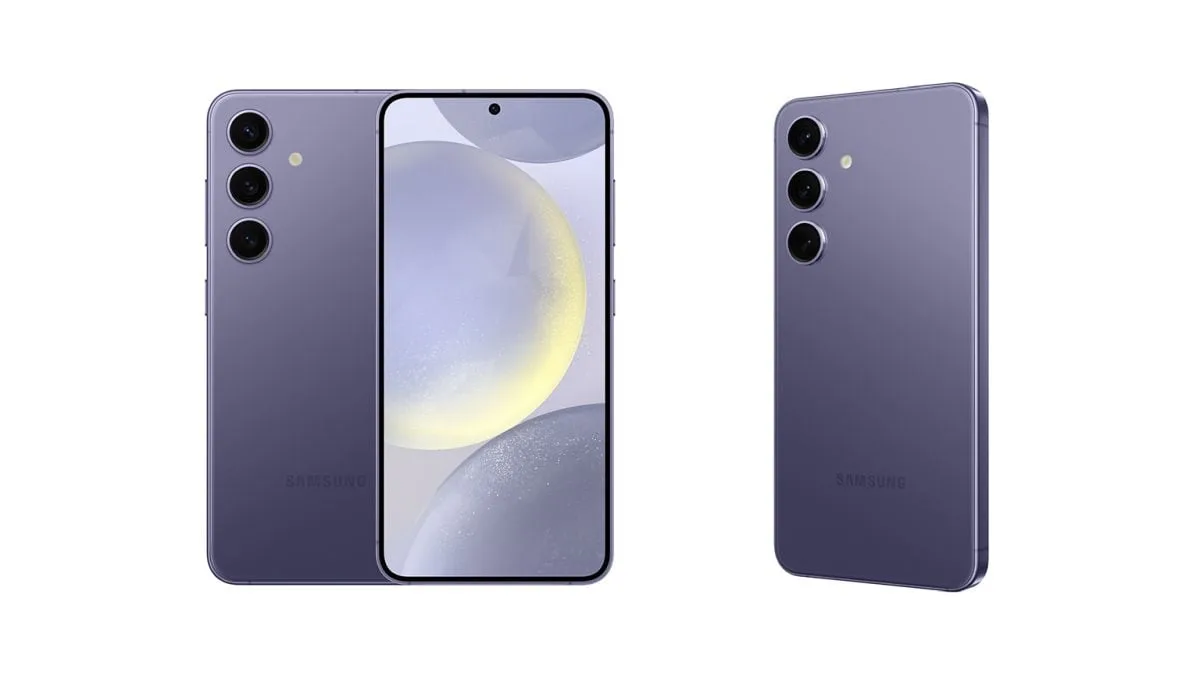
Samsung
Galaxy
S25
series
will
reportedly
feature
slightly
older
display
technology
to
keep
costs
of
producing
the
upcoming
handsets
in
check.
While
the
iPhone
16
Pro
models
sport
displays
that
are
built
with
the
company’s
latest
technology,
the purported
successors
to
the
company’s

Galaxy
S24

lineup
might
not
offer
the
same
display
improvements
as
its
rivals,
according
to
a
report.
Samsung
is
expected
to
launch
the
Galaxy
S25
series
of
smartphones
in
early
2025,
with
Snapdragon
8
Elite
chips.

Samsung
Galaxy
S25
Could
Feature
Older
Display
Technology
to
Cut
Costs

An
ETNews

report

citing
industry
insiders
(in
Korean)
states
that
Samsung
will
equip
the
Galaxy
S25
series
with
low-temperature
polycrystalline
oxide
(LTPO)
OLED
panels
built
by
Samsung
Display
using
M13
organic
materials.
These
are
the
same
OLED
materials
were
reportedly
used
by
the
company
to
produce
the
displays
for
the
Samsung
Galaxy
S24
series
that
arrived
earlier
this
year.

This
means
that
the
Samsung
Galaxy
S25
series
will
not
feature
displays
that
are
built
using
M14
organic
materials,
used
by
Samsung
Display
to
produce
the
panels
on
the
iPhone
16
Pro
models
that
were
launched
earlier
this
year.
Display
Chain
Supply
Consultants
(DSCC)
CEO
Ross
Young
also
echoed
these
claims,
stating
that
the
decision
was
made
for
“cost
reasons”.

The
report
also
sheds
some
light
on
the
display
sizes
of
the
company’s
upcoming
flagship
phones

the
Galaxy
S25
could
feature
a
6.16-inch
screen,
while
the
Galaxy
S25+
and
the
Galaxy
S25
Ultra
may
sport
6.66-inch
and
6.86-inch
displays,
respectively.

At
Qualcomm’s
recent
Snapdragon
Summit
2024
event,
Samsung
Mobile
President
TM
Roh

said

that
Samsung’s
upcoming
smartphone
models
would
be
equipped
with
the
chipmaker’s
latest
flagship
processor.
It
is
unclear
whether
the
purported
decision
to
use
an
older
display
technology
to
cut
costs
is
related
to
the

reported

decision
to
use
Snapdragon
8
Elite
chipsets
on
all
models,
unlike
the
Galaxy
S24
and

Galaxy
S24+

that
arrived
with
an
Exynos
2400
SoC
in
several
markets.

Posted on

iOS 18.2 Developer Beta 1 With Image Playground, ChatGPT Integration, More AI Features Rolls Out


Apple

rolled
out
the
iOS
18.2
Developer
Beta
1
update
for iPhone
on
Wednesday.
It
arrives
a
week
prior
to
the
anticipated
introduction
of
the
iOS
18.1
stable
release
and
brings
more
features
powered
by
Apple
Intelligence

the
company’s

artificial
intelligence

(AI)
suite
that
it
previewed
at
its
WWDC
2024
in
May.
This
includes
Image
Playground,
Genomoji,
ChatGPT
Integration
in
Siri
and
other
new
features.
There
are
also
a
handful
of
new
additions
exclusive
to
the
iPhone
16
series.

iOS
18.2
Developer
Beta
1
Compatible
Models

Apple
says
all
iPhone
models
compatible
with
the
iOS
18
update
are
eligible
to
download
the
latest
iOS
18.2
Developer
Beta
1.
However,
at
present,
it
is
speculated
to
be
rolled
out
only
for
the
models
supporting
Apple
Intelligence.
This
includes
the
entire

iPhone
16
 lineup,

iPhone
15
Pro
,
and

iPhone
15
Pro
Max.

iOS
18.2
Developer
Beta
1
Features

With
iOS
18.2
Developer
Beta
1,

Apple
Intelligence

features
have
been
expanded.
The
Cupertino-based
tech
giant
previewed
a
host
of
AI
additions
at
its
developer
conference
in
May
but
only
a
handful
of
them

such
as
writing
tools,
web
page
summarisation
and
automatic
movie
creation
in
the
Photos
app

were
rolled
out
with
the
prior
beta
updates.
iOS
18.2
Developer
Beta
1
update
adds
the
standout
features
that
Apple
flaunted.

It
includes
Image
Playground
which
leverages
generative
AI
to
generate
images
based
on
textual
prompts.
This
feature
also
bundles
the
Genmoji
tool
that
works
along
the
same
lines
but
for
customised
emojis.
The
created
images
can
be
shared
in
apps
such
as
Messages,
Notes,
and
Keynote.
Then
there’s
an
Image
Wand
feature
that
can
transform
a
rough
sketch
into
a
related
image
in
the
Notes
app.
However,
at
the
time
of
writing,
using
Image
Playground
requires
a
separate
early
access
which
users
will
have
to
request
after
installing
the
update.


ios 18 2 image playground Image Playground

Image
Playground
in
iOS
18.2
Developer
Beta
1

Apple
has
also
brought

ChatGPT

integration
to

Siri
.
The
voice
assistant
can
now
leverage
the
capabilities
of
OpenAI’s
AI
chatbot
to
provide
users
with
more
in-depth
responses
to
queries
and
even
insights
about
photos
and
documents.
They
can
ask
for
ChatGPT
via
Siri
directly
to
get
enhanced
answers.
Additionally,
it
also
becomes
a
part
of
Writing
Tools,
enabling
Apple
Intelligence
to
tweak
the
text
even
further
by
providing
prompts
or
composing
a
new
one
altogether.
The
feature
requires
optional
sign-in,
and
iPhone
users
with
a
paid
ChatGPT
account
can
use
their
account
for
access
to
more
powerful
OpenAI
models.

iPhone
16
series
users
will
be
able
to
take
advantage
of
the
new
Visual
Intelligence
as
part
of
the
iOS
18.2
Developer
Beta
1
update.
It
is
said
to
be
Apple’s
own
version
of
Google
Lens.
Long
pressing
the
Camera
Control
button
brings
up
a
new
interface.
Users
can
point
the
camera
viewfinder
towards
an
object
and
the
iPhone
will
be
able
to
search
for
it
on
the
web
or
ask
ChatGPT
for
more
information.

While
Apple
Intelligence
is
the
highlight
of
the
update,
other
changes
have
been
introduced
too.
This
applies
to
the
Email
app
which
now
has
a
new
look
coupled
with
an
on-device
categorisation
system.
It
can
now
separate
emails
into
four
different
categories:
Primary,
Transactions,
Updates,
and
Promotions.

In
addition
to
new
features,
Apple
has
also
expanded
the
availability
of
Apple
Intelligence
to
more
English-speaking
locales.
It
is
now
available
in
the
following
languages
for
the
respective
regions:

  1. English
    (Australia)
  2. English
    (Canada)
  3. English
    (New
    Zealand)
  4. English
    (South
    Africa)
  5. English
    (United
    Kingdom)
Posted on

Xiaomi 15 to Launch This Month as the First Snapdragon 8 Elite-Powered Phone in Global Markets

Snapdragon
8
Elite
—Qualcomm’s
new
SoC
was

launched

during
the
company’s
Summit
2024
event
in
Maui
on
Monday.
During
the
keynote,
Xiaomi’s
senior
vice
president
Adam
Zeng
announced
that
its
next
flagship
Xiaomi
15
will
be
the
first
smartphone
to
feature
the
latest
chip.
The

Xiaomi
14

successor
will
be
unveiled
by
the
end
of
this
month.
The
Snapdragon
8
Elite
SoC
is
built
on
TSMC’s
3nm
process
and
has
prime
cores
capped
at
4.32GHz.

Xiaomi
senior
Vice
President
Adam
Zeng

announced

that
Xiaomi
15
will
be
the
first
smartphone
to
come
with
the
Snapdragon
8
Elite
SoC
in
global
markets.
Qualcomm
unveiled
the
new
chipset
at
its
ongoing
annual
Snapdragon
Summit
in
Hawaii.
It
gets
a
dedicated
Hexagon
neural
processing
unit
(NPU),
second-generation
custom-built
Qualcomm
Oryon
CPU,
and
enhanced
AI
image
signal
processing
(ISP)
unit.

The
Xiaomi
15
will
boast
Snapdragon
8
Elite
paired
with
Xiaomi’s
HyperCore
technology.
Zeng
states
this
new
technology
covers
performance,
graphics,
networking,
and
security
areas.
This
combination
is
said
to
reduce
Xiaomi
15’s
power
consumption
by
29.7
percent.
The
upcoming
phone
is
claimed
to
run
3
degrees
Celsius
cooler
at
peak
temperatures
compared
to
previous
generation
phones.

Xiaomi
15
to
Launch
at
the
End
of
October

Zeng
also
confirmed
that
the
Xiaomi
15
series
will
launch
“at
the
end
of
October.”
Besides
the
Xiaomi 15
series,
the
OnePlus
13,
which
is

scheduled
to
debut

on
October
31
and
the
Asus
ROG Phone
9

that
is
set
to
launch
in

November,
are
also
confirmed
to
use
the
Snapdragon
8
Elite
chip.

However,
the
Xiaomi 15
will
be
the
first
across
the
line
to
reveal
the
capabilities
of
the
new
chipset
in
global
markets
outside
China.
In
India,
the
Realme
GT
7
Pro
has
been

confirmed

to
be
the
first
phone
to
get
the
new
chipset. 

Posted on

iOS 18.1 Release Candidate for Beta Testers Brings Hearing Aid Functionality to AirPods Pro 2

iOS
18.1
Release
Candidate
(RC)
was
rolled
out
by

Apple

to
registered
developer
and
public
testers
in
beta
on
Monday.
The
update’s
feature
set
remains
largely
similar
to
the
previous
iOS
18.1
beta
versions,
bringing
improved
home
and
lock
screen
customisation,
a
new
Control
Centre
with
more
options,
an
enhanced
Photos
app,
and
a
new
Passwords
app,
in
addition
to

Apple
Intelligence

features.
However,
a
notable
new
addition
in
the
iOS
18.1
RC
is
the
hearing
aid
functionality
for
the
AirPods
Pro
2.

Notably,
the
stable
iOS
18.1
update
for
iPhone
is
widely
reported
to
be
rolled
out
later
this
month,
with
October
28
tipped
as
the
most
likely
date
of
its
release.
It
will
bring
the
first
set
of
Apple
Intelligence
features.

iOS
18.1
Release
Candidate
Features


According

to
Apple,
the
iOS
18.1
RC
update
for
developer
and
public
beta
testers
enables
users
to
take
a
hearing
aid
test
when
paired
with
the

AirPods
Pro
2
.
The
Cupertino-based
tech
giant
claims
it
is
a
clinically
validated
hearing
test
meant
for
users
with
perceived
mild
to
moderate
hearing
loss.
The
AirPods
Pro
2
can
act
as
a
personalised
hearing
aid
set
to
meet
the
specific
needs
of
the
user.
This
feature
can
be
accessed
on
AirPods
Pro
2
when
connected
to
an
iPhone
running
iOS
18.1
RC
update.

The
update’s
other
features
are
carried
over
from
previous
beta
iterations.
This
includes
health
features
like
Sleep
Apnea
detection
which
records
and
informs
the
user
of
any
breathing
disturbances
that
might
be
considered
moderate
or
severe
Sleep
Apnea
and
may
require
further
action.

There
is
also
a
limited
feature
set
powered
by
Apple
Intelligence

the
company’s
artificial
intelligence
(AI)
suite.
A
new
AI-powered
writing
tool
is
available
to
testers,
with
options
for
proofreading
documents
with
spelling
and
grammar
checks
and
rewriting
text
for
different
tones:
Concise,
Friendly
or
Professional.
Additionally,
users
can
also
take
advantage
of
an
object
removal
tool
and
an
automatic
movie
creation
option
in
the
Photos
app.
The
new
Siri
UI
that
glows
around
the
edges
has
also
been
introduced
when
the
voice
assistant
is
invoked.

For
the
latest

tech
news

and

reviews
,
follow
Gadgets
360
on

X
,

Facebook
,

WhatsApp
,

Threads

and

Google
News
.
For
the
latest
videos
on
gadgets
and
tech,
subscribe
to
our

YouTube
channel
.
If
you
want
to
know
everything
about
top
influencers,
follow
our
in-house

Who’sThat360

on

Instagram

and

YouTube
.

Snapdragon
8
Elite
SoC
With
Improved
Performance,
On-Device
AI
Capabilities
Unveiled
for
Mobile
Devices

Posted on

Snapdragon 8 Elite SoC With Improved Performance, On-Device AI Capabilities Unveiled for Mobile Devices


Snapdragon
8
Elite
 chipset
was
unveiled
by
Qualcomm
at
the
Snapdragon
Summit
in
Hawaii
on
Tuesday.
Qualcomm’s
newest
mobile
processor
is
targeted
at
delivering
top-of-the-line
performance
with
upgrades
such
as
on-device
generative

artificial
intelligence

(AI)
and
multi-modal
AI
capabilities,
a
dedicated
Hexagon
neural
processing
unit
(NPU),
second-generation
custom-built
Qualcomm
Oryon
CPU,
and
enhanced
AI
image
signal
processing
(ISP).
Courtesy
of
these
features,
the
Snapdragon
8
Elite
claims
to
bring
a
massive
performance
leap
over
its
predecessor

the
Snapdragon
8
Gen
3.

Snapdragon
8
Elite
Chipset
Availability

Qualcomm

says

flagship

Android

devices
powered
by
its
latest
Snapdragon
8
Elite
SoC
are
expected
to
be
available
in
the
coming
weeks.
The
chip
will
be
adopted
for
flagship
devices
by
global
original
equipment
manufacturers
(OEMs)
including
Asus,
Honor,
iQOO,
OnePlus,
Oppo,
Realme,
Samsung,
Vivo,
and
Xiaomi.

Snapdragon
8
Elite
Chipset
Specifications


According

to
Qualcomm,
the
Snapdragon
8
Elite
chipset,
with
the
model
number
SM8750-AB,
sits
above
the
Snapdragon
8
Gen
3
as
its
newest
mobile
processor
for
flagship
devices.
The
chip
is
built
on
a
64-bit
architecture
based
on
a
3-nanometre
fabrication
process
and
features
a
second-generation
custom-built
Qualcomm
Oryon
CPU
with
eight
cores,
having
a
peak
clock
speed
of
4.32GHz.

It
is
claimed
to
deliver
a
45
percent
improvement
in
both
single
and
multi-core
performance,
while
web
browsing
is
also
improved
by
62
percent.
Qualcomm
says
devices
running
this
chipset
will
support
up
to
LPDDR5x
RAM
and
UFS
4.0
storage.
It
also
brings
Unreal
Engine
5’s
Nanite
solution
for
enabling
film-quality
3D
environments
in
smartphone
gaming.

Snapdragon
8
Elite
features
Qualcomm
Adreno
GPU
and
enhanced
Hexagon
NPU
as
part
of
the
Qualcomm
AI
Engine

both
of
which
contribute
to
achieving
40
percent
better
gaming
performance
and
35
percent
enhanced
ray-tracing
capability.
The
chipset
supports
on-device
generative
AI,
multi-modal
capabilities
and
longer
token
inputs,
accepting
voice,
text,
image,
and
even
live-view
prompts.
Qualcomm
claims
a
45
percent
increase
in
overall
AI
performance,
while
the
same
boost
is
also
applicable
to
the
chipset’s
performance
per
watt.
However,
it
is
more
efficient
too.
The
chipmaker
says
that
the
Snapdragon
8
Elite
is
27
percent
more
power
efficient
compared
to
its
predecessor.

For
connectivity,
the
Snapdragon
8
Elite
SoC
brings
the
Qualcomm
FastConnect
7900
System
with
support
for
Wi-Fi
7
at
6GHz,
5GHz
and
2.4GHz
spectral
bands
and
Bluetooth
5.4.
The
latest
chip
features
the
Snapdragon
X80
5G
Modem-RF
System.
The
mobile
platform
is
claimed
to
feature
a
dedicated
AI
tensor
accelerator
which
can
achieve
multi-gigabit
5G
speeds
in
more
places
with
the
first
4×6
MIMO
solution.

Smartphones
equipped
with
the
Snapdragon
8
Elite
chip
will
be
able
to
support
up
to
320-megapixel
camera
sensors,
with
the
chipset
featuring
a
triple
18-bit
Spectra
AI
ISP
setup,
offering
AI-based
auto-exposure,
auto-focus,
face
detection,
and
other
features.
It
supports
video
capture
and
playback
in
up
to
8K
resolution
at
60
frames
per
second
(fps).
Additionally,
it
has
a
new
Qualcomm
AI
ISP
which
is
fused
with
the
NPU,
enabling
features
like
limitless
Semantic
Segmentation
at
4K
resolution,
video
object
eraser,
and
real-time
skin
and
sky
adjustments
via
Insight
AI.

The
chip
also
supports
on-device
displays
with
a
maximum
QHD
resolution
with
up
to
240Hz
refresh
rate
and
10-bit
colour
depth.

According
to
Qualcomm,
the
Snapdragon
8
Elite
supports
satellite
systems
such
as
QZSS,
Galileo,
Beidou,
GLONASS,
NavIC,
and
GPS
with
lane-level
and
sidewalk-level
accuracy,
and
triple
frequency
support.
It
gets
sensor-assisted
navigation
and
concurrent
satellite
system
features.
Additionally,
it
brings
support
for
up
to
Quick
Charge
5
via
USB
Type-C.
The
SoC
also
supports
fingerprint
recognition
via
a
dedicated
sensor
courtesy
of
Qualcomm
3D
Sonic
Sensor
Max
support.
Alternatively,
it
also
comes
with
biometric
support
for
voice,
facial
and
iris-based
authentication.

Posted on

iQOO 13 India Launch Teased by Company Country Head Nipun Marya


iQOO
13

is
confirmed
to
launch
in
China
later
this
month.
Now,
iQOO
India
head
has
teased
the
launch
of
the
smartphone
in
India.
It’ll
launch
as
a
successor
to
the iQOO
12
.
The
company
had
previously
revealed
the
display
details
of
the
upcoming
phone.
Other
features
like
the
battery
and
charging
specifications
have
also
been
confirmed
by
a
senior
company
official.
It
is
confirmed
to
get
the
latest
generation
of
Snapdragon
chipset,
the
moniker
for
which
is
not
yet
revealed. 

iQOO
13
India
Launch

The iQOO
13
will
launch
in
India
soon,
as

suggested

by
an
X
post
by
iQOO
India
CEO
Nipun
Marya.
A
launch
date
or
timeline
has
not
yet
been
revealed
but
it
will
likely
be
sometime
later
this
year.
The
phone
will
be
introduced
in
China
in
late
October.

The
teaser
suggests
that
the
iQOO
13
will
be
equipped
with
Snapdragon’s
latest
flagship
chipset.
The
moniker
of
the
chip
has
yet
to
be
revealed.
It
will
be
unveiled
at
a
Qualcomm
event
this
week. 

iQOO
13
Specifications

iQOO
13
is
confirmed
to
feature
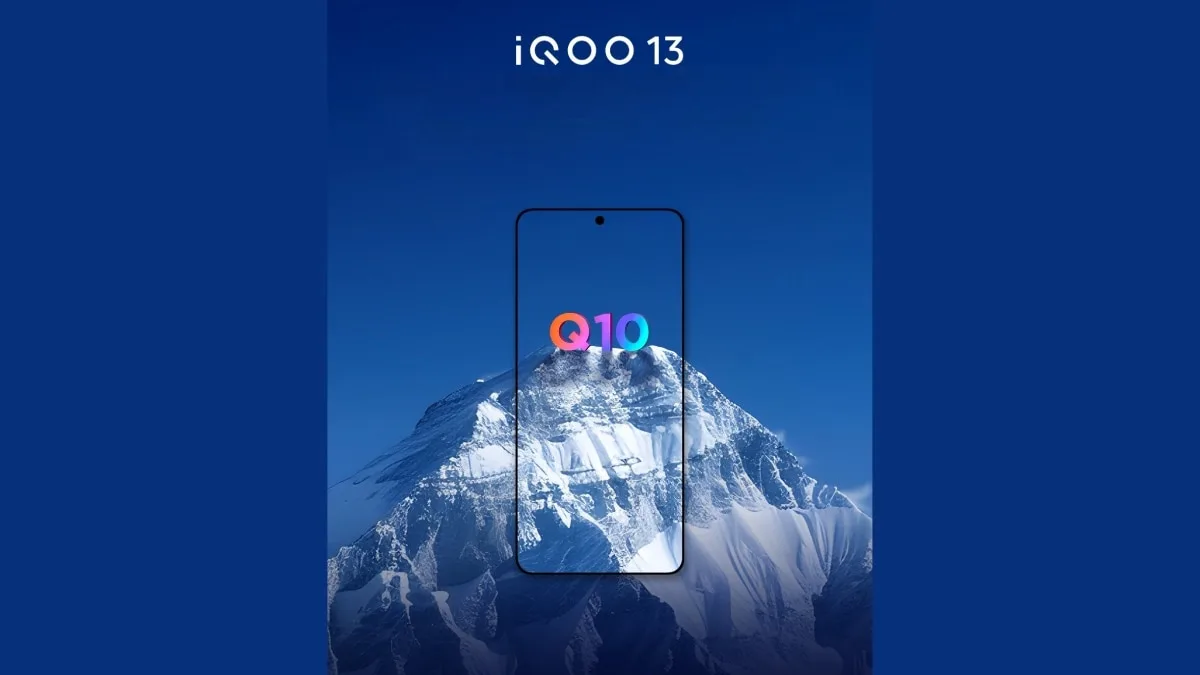
BOE’s Q10
display
with
a
2K
resolution.
Vivo
VP Jia
Jingdong
has
also confirmed
that
the
phone
will
carry
a
6,150mAh
battery
with
support
for
120W
wired
fast
charging
as
well
as
a
Q2
gaming
chipset.

Previous
leaks
have

claimed

that
the
iQOO
13
handset
will
sport
a
6.7-inch
2K
AMOLED
screen
with
a
144Hz
refresh
rate.
It
is
expected
to
support up
to
16GB
of
RAM
and
up
to
512GB
of
inbuilt
storage. The
Chinese
version
of
the
smartphone
is
expected
to
ship
with
OriginOS
5,
while
the
Indian
and
international
variants
are
tipped
to
run
on
Funtouch
OS
15.

In
the
camera
department,
the
iQOO
13
is
expected
to
get a
triple
rear
camera
system,
including
a
50-megapixel
primary
sensor,
a
50-megapixel
sensor
with
an
ultrawide
lens,
and
a
50-megapixel
2x
telephoto
shooter.
Meanwhile,
the
front
camera
could
be
equipped
with
a
32-megapixel
sensor.

Posted on

Samsung Galaxy Z Fold 6 Special Edition With 200-Megapixel Rear Camera Launched: Price, Specifications


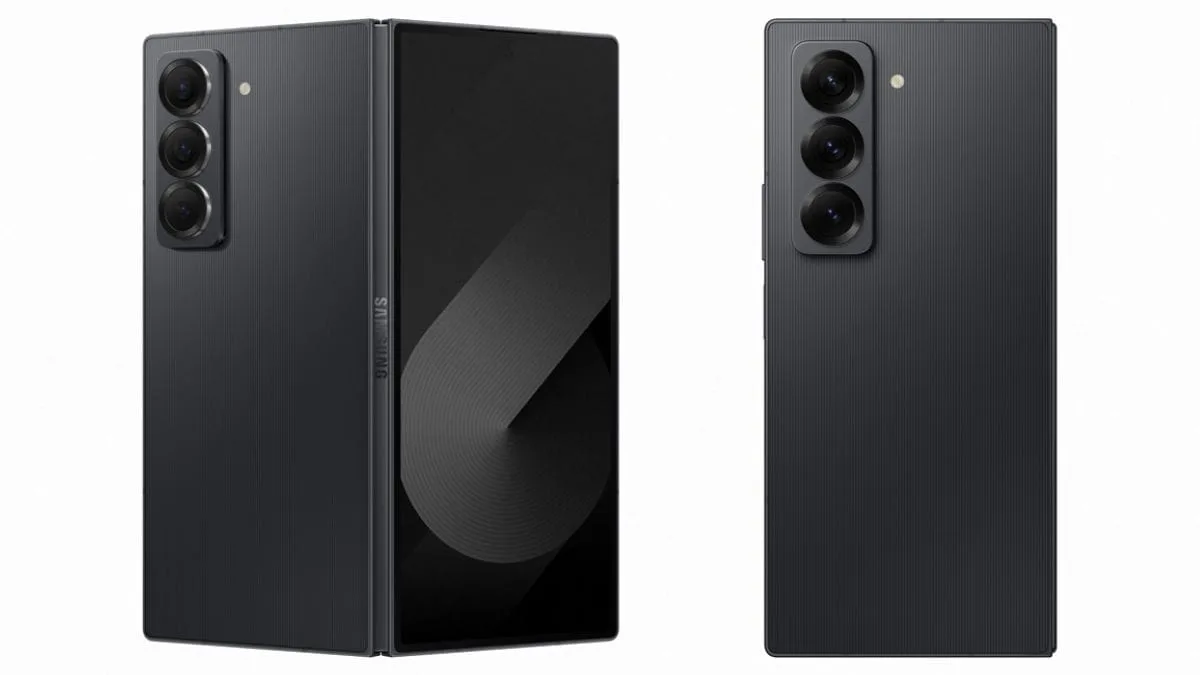
Samsung
Galaxy
Z
Fold
6
Special
Edition

will
be
available
for
purchase
in
select
markets
starting
next
week,
the
company
announced
on
Monday.
The
new
foldable
smartphone
is
thinner
and
lighter
than
the
standard
Galaxy
Z
Fold
6
that
debuted
earlier
this
year.
It
also
improves
upon
several
of
its
features
including
the
camera
system
and
the
display.
However,
its
launch
is
limited
and
will
only
be
initially
available
in
the
South
Korean
technology
conglomerate’s
home
base.

Samsung
Galaxy
Z
Fold
6
Special
Edition
Price,
Availability


Samsung

Galaxy
Z
Fold
6
Special
Edition
price
starts
at
KRW
2,789,600
(roughly
Rs.
1,70,000)
in
South
Korea.
It
will
be
available
in
a
single
16GB+512GB
configuration
and
a
Black
Shadow
colourway,
the
company
announced
in
a
newsroom

post
.

The
foldable
handset
can
be
purchased
starting
October
25
through
the
brand
website
and
other
online
channels
such
as
T
Direct
Shop,
KT,
Eu+.
Customers
who
purchase
this
model
will
receive
discount
coupons
for
other
Samsung
products
like
the

Galaxy
Ring
,

Galaxy
Watch
Ultra
,

Galaxy
Buds
3
Pro
,
and
the

Galaxy
Tab
S10
Ultra
.

Samsung
Galaxy
Z
Fold
6
Special
Edition
Specifications

Samsung
Galaxy
Z
Fold
6
Special
Editions
features
marginally
bigger
displays
than
its
predecessor,
with
8-inch
internal
and
6.5-inch
outer
screens.
For
reference,
the
standard
model
is
equipped
with
a
6.3-inch
external
and
7.60-inch
internal
screen.
The
outer
and
internal
displays
have
21:9
and
20:18
aspect
ratios,
respectively.

The
special
edition
model
also
has
better
ergonomics.
Samsung
says
it
is
1.5mm
thinner
and
3g
lighter
than
the
standard

Galaxy
Z
Fold
6
,
having
10.6mm
thickness
and
236g
weight.
For
optics,
Samsung
has
bumped
up
the
main
wide-angle
shooter
to
200-megapixels.
The
rest
of
the
lenses
remain
unchanged.

Samsung’s
Galaxy
Z
Fold
6
Special
Edition
is
powered
by
Qualcomm’s
Snapdragon
8
Gen
3
for
Galaxy
processor,
paired
with
16GB
of
RAM,
and
512GB
of
onboard
storage.
It
also
supports

Galaxy
AI


the
company’s
suite
of

artificial
intelligence

(AI)
features
for
smartphones
and
other
devices.

Posted on

iPhone 16 Plus Review: The One Worth Buying This Year

2024
is
the
year
when
I
can
finally
say
that
the
iPhone
16
is
the
perfect
choice
in
the
latest
iPhone
line-up.
Of
course,
it
misses
out
on
many
Pro
features
like
a
ProMotion
display,
a
telephoto
camera,
and
better
camera
sensors,
which
are
limited
to
expensive
Pro
models.
But
still,
the
iPhone
16s
(iPhone
16
and
iPhone
16
Plus)
are
far
bigger
upgrades
in
terms
of
features
set
and
overall
capability
this
year.

Starting
with
the
A18
chip
under
the
hood,
which
is
a
two-generation
jump
this
time
around.
And,
not
to
forget,
there
is
8GB
of
RAM,
the
same
as
the
Pro
models.
The
dual
cameras
have
also
been
realigned,
and
I
will
talk
in
detail
about
why
Apple
returned
to
the
iPhone
11
setup
in
a
bit.
Of
course,
there
are
some
misses,
too.

This
year,
Apple
sent
us
the
iPhone
16
Plus,
so
I
will
add
references
that
should
make
it
easier
for
you
to
understand
which
one
suits
you
better:
the
vanilla

iPhone
16

or
the

16
Plus
,
which
primarily
offers
a
bigger
display
and
battery.
Let’s
dive
into
the
review.

Oh,
my

iPhone
16
Pro
Max


review
is
already
live,
so
you
can
read
it
here

to
know
why
it
is
Apple’s
crown
jewel.


iPhone
16
Plus
price
in
India

The
iPhone
16
Plus
starts
at
Rs.
89,900
for
the
128GB
storage
option,
while
the
256GB
comes
at
Rs.
99,900.
The
512GB
model,
on
the
other
hand,
is
priced
at
Rs.
119,900.
I
got
the
512GB
model
for
this
review.
To
compare,
the
iPhone
16
starts
at
Rs.
79,900
for
the
128GB
model.
The
256GB
and
512GB
come
at
Rs.
89,900
and
109,900,
respectively.


iphone 16 plus rear camera iPhone-16-plus

iPhone
16
Plus
packs
a
dual
camera
setup
aligned
vertically

iPhone
16
Plus
Design:
Sticking
to
basics
but
keeping
it
elegant

  • Dimensions

    160.9
    (H)
    x
    77.8mm
    (W)
    x
    7.8mm
    (D)
  • Weight

    199
    grams
  • Colours

    Ultramarine,
    Teal,
    Pink,
    Black
    and
    White

The
iPhone
16
Plus
is
the
third-generation
Plus
device
from
Apple.
The

iPhone
14
Plus

was
launched
in
2022,
followed
by
the

iPhone
15
Plus

last
year
and
now
16
Plus.
The
smartphone
doesn’t
bring
a
ground-breaking
overhaul
to
design
except
for
one
important
aspect

camera
housing.
From
a
glass
back
(14
Plus)
to
a
matte
finish
rear,
the
16
Plus
gets
aluminium
frames
that
offer
a
solid
feel
and
a
ceramic
shield
front
for
protection.


iphone 16 plus back iPhone-16-plus

The
phone
features
aluminium
with
colour-infused
glass
back

Compared
to
the
Pro
models,
the
iPhone
16s
(16
+
16
Plus)
receives
two
new
physical
buttons
this
year

Action
and
Camera
Control.
As
I
mentioned
in
my
16
Pro
Max
review,
Apple
has
gone
the
opposite
route
by
offering
more
physical
buttons
when
some
companies
are
trying
to
push
for
gesture-based
interactions.
Action
button
debuted
last
year
on
the
15
Pro
models
and
is
finally
reaching
the
16
and
16
Plus.
The
Action
button
is
a
suitable
replacement
for
ring/
silent
switch,
and
it
can
be
customised
to
enable
any
other
function.
Camera
Control,
on
the
other
hand,
changes
how
you
use
the
cameras
on
the
latest
generation
iPhones.
It’s
always
better
to
have
a
dedicated
button
for
launching
something
than
unlocking
or
waking
the
screen
and
then
launching.
Apple
has
reduced
one
step
to
launch
the
camera
app,
and
the
button
is
the
way
to
launch
the
camera.
However,
one
thing
that
repeatedly
happened
to
me
while
reviewing
was
accidentally
launching
the
camera
app
with
a
single
click
on
the
Camera
Control.
I
had
to
set
it
then
as
a
double
click
to
stop
launching
the
camera
app.


iphone 16 plus camera control iPhone-16-Plus

The
iPhone
16
Plus
features
the
Camera
Control
on
the
right
side

The
iPhone
16
Plus
comes
in
amazing
colour
choices,
including
Ultramarine,
Teal,
Pink,
Black,
and
White,
compared
to
the
slightly
muted
colours
we
saw
on
the
15
and
15
Plus.
Interestingly,
the
16
Plus
(199
grams)
weighs
marginally
less,
with
the
same
dimensions
as
the
15
Plus
(201
grams).
The
difference
in
weight
might
not
be
too
huge,
but
16
Plus
is
a
better
device
for
one-hand
operations.
Of
course,
the
6.7-inch
screen
size
isn’t
for
everyone;
hence,
a
smaller
6.1-inch
model
is
also
available.

The
16s
get
an
IP68
rating
for
water
and
dust
resistance,
which
is
the
same
as
the
15
series,
so
there
is
no
change
in
water
ingress
protection.


iphone 16 plus buttons iPhone-16-Plus

The
phone
also
features
an
Action
button
that
was
introduced
on
the
Pro
models
last
year

The
camera
placement
is
vertical,
reminding
of
the

iPhone
11
,
and
it
is
much
more
subtle
than
the
housing
we
saw
on
the
15
and
14
series.
Apple
says
that
the
vertical
camera
housing
allows
the
phone
to
shoot
spatial
photos
and
videos,
offering
a
sense
of
depth
or,
in
layperson’s
terms,
multimedia
with
a
3D
effect.

The
front
panel
houses
the
6.7-inch
Super
Retina
XDR
display
with
bezels
that
are
not
as
thin
as
the

iPhone
16
Pro

models.
There’s
the
Dynamic
Island,
the
pill-shaped
notch
which
has
been
there
since
the
iPhone
14
Pro.


iphone 16 plus dynamic island iPhone-16-Plus

The
phone
also
features
Dynamic
Island,
the
pill-shaped
notch
that
was
first
introduced
on
the
14
Pro
models

Overall,
the
iPhone
16
has
a
vibrant
look,
and
aerospace-grade
aluminium
offers
a
premium
in-hand
feel.
The
colour-infused
back
glass
feels
rich
with
a
matte
finish
and
provides
an
unparalleled
smudge-free
experience
compared
to
the
Android
landscape.
Like
other
iPhones,
the
iPhone
16
Plus
is
built
to
last
and
offers
solid
durability.
The
addition
of
an
Action
button
allows
users
to
perform
various
functions
with
just
a
press

from
recording
a
voice
memo
to
identifying
a
song
or
translating
a
sentence.
There
are
enough
customisation
options.
The
much-talked-about
Camera
Control
is
covered
with
sapphire
crystal
and
has
a
smooth
texture.
A
colour-matched
stainless
steel
trim
surrounds
it.

iPhone
16
Plus
Display:
Top-notch
display
quality
but
limited
to
60Hz

  • Display

    6.7-inch
    Super
    Retina
    XDR
    display
  • Refresh
    rate

    60Hz
  • Brightness

    2,000nits
    (peak)
    and
    1nit
    (minimum)

The
iPhone
16s
(16
+
16
Plus)
gets
the
familiar
Super
Retina
XDR
OLED
display.
The
refresh
rate
is
still
locked
at
60Hz,
which
is
a
bummer,
yet
again.
The
iPhone
16
Plus
is
the
costliest
phone
with
a
60Hz
refresh
rate
in
2024,
and
I
hope
that
Apple
tries
to
change
this
next
year
with
its
next-generation
models.
The
16
Plus
offers
1290×2796
pixels
screen
resolution
with
460PPI
pixel
density.
The
peak
brightness
is
2000nits
while
the
minimum
brightness
can
drop
to
1nit,
which
wasn’t
the
case
with
the
15
series.
The
display
is
bright
and
offers
rich
colours.
The
text
appears
crisp,
and
16
Plus
offers
a
stunning
display
minus
a
higher
refresh
rate.


iphone 16 plus display iPhone-16-Plus

iPhone
16
Plus
features
a
6.7-inch
OLED
display
with
60Hz
refresh
rate

In
my
time
with
the
iPhone
16
Plus,
I
enjoyed
watching
multimedia
on
the
phone
alongside
gaming.
If
your
multimedia
consumption
is
going
to
be
high,
then
the
16
Plus
could
be
a
better
choice
than
the
16

basis
on
both
screen
real
estate
and
battery.


iphone 16 plus screen iPhone-16-Plus

The
iPhone
16
Plus
can
offer
a
peak
brightness
of
2000nits

iPhone
16
Plus
Performance:
Massive
leap

  • Processor

    A18
    chip
  • RAM

    8GB
    RAM
  • Biometric

    Face
    ID

For
the
vanilla
iPhone
16s,
the
biggest
leap
is
under
the
hood.
The
iPhone
16
Plus
(and
16)
are
powered
by
Apple’s
latest
A18
chip,
jumping
two
generations
ahead
from
the
A16
Bionic
in
iPhone
15.
It
features
a
6-core
CPU,
5-core
GPU,
and
16-core
Neural
Engine,
which
Apple
says
is
optimised
for
running
large
generative
models.
During
the
launch
last
month,
the
company
claimed
that
the
A18
is
30
percent
faster
than
the
A16
Bionic
seen
on
the
15
series
in
CPU
performance.
It
is
built
on
second-generation
3-nanometer
tech.
Long
thing
short,
Apple
has
made
these
changes
to
ensure
that
Apple
Intelligence
runs
buttery
smooth
on
the
16s.


iphone 16 plus comparison iPhone-16-Plus

Side-by-side
comparison:
iPhone
14
Plus,
iPhone
15
Plus
and
iPhone
16
Plus
(left
to
right)

While
you
don’t
get
Apple
Intelligence
out-of-the-box,
I
tried
a
beta
update
that
gave
me
a
sneak
peek
into
these
features.
Starting
with
the
Writing
tools,
Apple
has
integrated
these
within
iOS,
making
them
accessible
wherever
you
type.
Be
it
for
rewriting
notes,
adjusting
tone
or
proofreading
written
mail.
Next
are
the
latest
emojis
you
can
create
by
simply
typing
a
description
or
creating
images
with
Image
Playground.
All
of
this
is
integrated
into
apps
like
Messages.
In
the
Photos
app,
you
can
now
find
whatever
image
you’re
looking
for
by
typing
keywords,
thus
making
it
easy
to
find
photos
from
your
entire
collection.
There
are
more
AI
features,
but
most
of
them
are
being
polished
for
the
final
rollout.
Most
importantly,
Apple
Intelligence
marks
the
start
of
a
new
era
for
Siri.
Apple
is
expected
to
release
the
latest
iOS
update
with
a
full
suite
of
Apple
Intelligence
features
by
the
end
of
October,
so
stay
tuned.


iphone 16 plus viewing angles iPhone-16-Plus

Apple’s
latest
A18
chip
powers
the
phone

The
iPhone
16
Plus
packs
more
RAM
than
the
15
series
and
offers
better
thermal
performance.
Apple
updated
the
main
logic
board
this
year,
keeping
the
chip
placement
at
the
centre
and
optimising
the
surrounding
architecture.
The
company
added
a
sub-structure
to
dissipate
heat
made
from
100
percent
recycled
aluminium
to
improve
thermal
performance.
I
experienced
this
while
trying
out
AAA
titles
like
Assassin’s
Creed:
Mirage,
Resident
Evil
4,
and
GTA:
San
Andreas
on
the
16
Plus.
Jumping
to
synthetic
benchmarks,
the
A18
chip
brings
a
leap
compared
to
the
15
series,
and
you
can
notice
that
below
in
the
comparison
table.


Benchmarks

iPhone
16
Plus

iPhone
15
Plus

AnTuTu
157,8189 138,7632

GFX
Bench
Car
Chase
3550/
60fps
3129/
60fps

GFX
Bench
Manhattan
3.1
3724/
60fps
3227/
60fps

GFX
Bench
T-Rex
3364/
60fps
3087/
60fps

3D
Mark
Wild
Life
Extreme
3922 2989

3D
Mark
Wild
Life
Maxed
Out
8704

Geekbench
6
3203
(single)
&
7846
(multi)
2989
(single)
&
7219 (multi)

The
iPhone
16
Plus
packs
a
fantastic
display,
and
stereo
speakers
complement
it.
The
speakers
sound
well
and
offer
balanced
output.
The
clarity
doesn’t
get
hit
when
raising
the
volume.
Next,
the
iPhone
16
Plus
packs
incredible
haptic
feedback
that’s
precise
to
the
core
and
offers
a
decent
experience
while
typing
long
emails
or
gaming.

Connectivity-wise,
the
iPhone
16
Plus
is
impressive
and
can
latch
onto
networks,
offering
a
consistent
5G
connection.
Of
course,
you
can
experience
this
currently
only
on
Jio
and
Airtel
networks.


iphone 16 plus control panel iPhone-16-Plus

iPhone
16
Plus
runs
iOS
18
out-of-the-box

iOS
18
brings
new
customisation
options
like
rearranging
apps
and
widgets
alongside
personalising
the
home
screen
layout.
With
the
latest
iOS
update,
you
can
opt
for
dark
and
tint
themes
alongside
choosing
to
increase
the
app
icon
size.
Users
can
lock
or
hide
an
app,
which
is
a
great
addition.
The
Control
Centre
gets
a
complete
makeover
alongside
the
option
to
rearrange
and
resize
controls

a
much-demanded
feature
finally
makes
it
to
iOS
18.
You
can
now
also
swap
controls
on
the
lock
screen
for
quick
access.
The
Photos
app
gets
a
full-blown
redesign;
however,
getting
used
to
the
new
refresh
will
take
some
time.
There
are
a
bunch
of
more
additions
in
the
iOS
18.
The
theme
of
the
latest
iOS
update
is
customisations,
as
it
offers
plenty
of
ways
to
play
around
with
existing
things.


iphone 16 plus camera setup iPhone-16-Plus

iPhone
16
Plus
sports
a
48-megapixel
primary
camera
and
a
12-megapixel
ultrawide
camera

iPhone
16
Plus
Camera:
Capable
with
some
new
tricks

  • Cameras

    48MP
    wide
    and
    12MP
    ultra-wide
  • Zoom
    options

    0.5x,
    1x,
    2x
    (optical)
  • Selfie

    12MP

The
iPhone
16
Plus
ships
with
the
same
primary
sensor
as
the
15
Plus

the
48-megapixel
camera
is
retained
from
last
year.
The
upgrade
is
with
the
ultrawide
camera,
which
remains
a
12-megapixel
sensor,
though
it
now
packs
f/2.2
aperture
and
supports
autofocus.
The
selfie
camera
is
yet
again
12-megapixel,
the
same
as
the
15
series.


iphone 16 plus control iPhone-16-Plus

The
Camera
Control
offers
an
easier
way
to
capture
photos

Before
diving
into
the
performance
of
the
16
Plus
cameras,
I
want
to
briefly
talk
about
the
Camera
Control.
It
has
been
an
excellent
addition
and
the
easiest
way
to
access
the
cameras
on
the
new
16
series.
Yes,
it
has
a
learning
curve
because
the
muscle
memory
will
keep
taking
you
to
the
home
screen
to
launch
the
camera
via
its
app.


iPhone
16
Plus
Primary
Sensor
Daylight
Shots

Compared
to
the
16
Pro
Max,
the
16
Plus
is
easier
to
handle
with
Camera
Control
thanks
to
the
6.7-inch
screen
size,
which
is
convenient

if
you
have
big
hands.
For
people
who
prefer
a
smaller
form
factor,
there’s
the
iPhone
16
with
a
6.1-inch
screen.


Portrait
mode
in
action

Jumping
back
to
the
cameras,
the
iPhone
16
Plus
can
capture
some
fantastic
daylight
shots
with
fine
details
in
the
scene.
Images
are
sharp
and
offer
excellent
dynamic
range.
The
colours
are
pleasant
and
remain
as
natural
as
possible.
Portraits
come
out
well
with
accurate
depth
estimation.
Apple
has
also
introduced
new
Photographic
Styles,
which
offer
more
custom
options
to
let
you
personalise
how
you
or
your
subject
appears
in
photos.
The
new
control
pad
provides
more
flexibility
when
clicking
photos.
The
optical
zoom
also
works
flawlessly
and
offers
a
solid
option
for
shutterbugs.
The
zooming
capability
is
limited
because
of
the
lack
of
a
telephoto
camera.


Ultrawide
samples
from
the
iPhone
16
Plus

The
ultrawide
sensor
is
liked
because
of
its
versatility
in
capturing
more
of
the
scene,
and
this
time,
Apple
has
made
it
more
capable.
It
is
claimed
to
capture
up
to
2.6
times
more
light.
The
good
news
is
that
the
ultrawide
camera
allows
macro
photography
this
time
around.

Ultrawide
shots
come
out
really
well
with
more
details
and
solid
colours.
Autofocus
is
a
big
addition
that
makes
your
life
easier
by
automatically
autofocusing.
Macro
shots
made
possible
with
the
new
ultrawide
setup
also
come
out
well.


Low-light
samples
from
the
iPhone
16
Plus

Even
low-light
photos
come
out
well
with
the
iPhone
16
Plus.
The
primary
sensor
is
solid
for
night
shots,
and
the
details
are
intact.
Ultrawide
shots
at
night
are
decent,
though
not
as
great
as
daytime
shots.
Selfies
come
out
well,
and
there
is
no
complaint
in
this
regard,
including
the
skin
tones,
which
are
as
natural
as
they
can
be.

Video
upgrades
are
fantastic
and
one
of
the
reasons
that
makes
the
iPhones
the
go-to
devices
for
video
needs.
Overall,
the
iPhone
16
Plus
packs
capable
cameras
that
can
shoot
wonderful
shots
in
day
and
night.


iphone 16 plus photographic styles iPhone-16-Plus

iPhone
16
Plus
gets
the
latest-generation
Photographic
Styles

iPhone
16
Plus
Battery:
Will
blow
you
away

  • Video
    Playback

    Up
    to
    27
    hours
    (Claimed)
  • Charging

    Up
    to
    50%
    in
    35
    minutes
  • Supports
    USB
    2

iPhone
16
Plus
is
a
dark
horse
when
it
comes
to
battery
performance.
In
my
tests,
the
iPhone
16
Plus
beat
the
16
Pro
Max
multiple
times
in
terms
of
screen
time.


iphone 16 plus versus iPhone-16-Plus

iPhone
16
Plus
offers
better
battery
performance
compared
to
15
Plus
and
14
Plus

Compared
to
the
16
Pro
Max’s
best
battery
performance
(8
hours
and
30
minutes),
the
16
Plus
offered
me
9
hours
and
37
minutes
of
screen
time
with
heavy
usage
that
included
a
couple
of
hours
of
gaming
as
well
as
streaming
a
two-hour
movie
on
Netflix
apart
from
apps
like
Outlook,
Gmail,
WhatsApp,
Telegram,
Instagram,
clicking
photos
and
videos
using
the
Camera
app
and
also
including
regular
calls
of
about
50
minutes
in
a
full
day.
Technically,
the
iPhone
16
Plus
lasted
1.5
days
easily
with
heavy
usage
which
is
way
more
than
what
Android
flagships
guarantee.
In
our
HD
video
loop
test,
the
iPhone
16
Plus
managed
27
hours
and
20
minutes
of
playback
time.


iPhone 16 plus battery run iPhone-16-Plus

iPhone
16
Plus
can
charge
up
to
50%
in
35
minutes

Charging
remains
the
biggest
Achilles
heel
of
the
new
iPhone
16
Plus.
It
can
charge
up
to
50
percent
in
35
minutes,
but
a
full
charge
takes
around
120
minutes,
which
isn’t
ideal
compared
to
the
competition.
The
16
Plus
packs
USB
2,
which
is
slightly
disappointing.


iphone 16 plus cameras iPhone-16-plus

The
iPhone
16
Plus
weighs
under
200
grams


iPhone
16
Plus
Verdict

The
iPhone
16
raises
the
bar
for
what
vanilla
iPhone
models
could
do.
The
iPhone
16
(and
16
Plus)
gets
an
A18
chip,
which
promises
superior
performance
compared
to
Android
flagships
in
the
market.
The
cameras
are
solid,
and
you
get
two
new
buttons

Action
and
Camera
Control.
The
battery
backup
is
impressive,
and
the
build
quality
is
top-notch.
It
also
gets
an
IP68
rating
for
peace
of
mind
and
is
a
fantastic
device
for
high-graphics
gaming
in
its
latest
avatar.
The
display
quality
is
superb.
Of
course,
a
few
things
could
be
improved,
like
slow
charging
and
60Hz
refresh
rate
at
this
price
point,
making
this
look
slightly
out
of
place
compared
to
Android
flagships.


iphone 16 plus back panel iPhone-16-Plus

The
iPhone
16
series
is
available
in
5
attractive
colours

So,
who
should
buy
it?
If
you
purchased
an
iPhone
15
(Review)
or
15
Plus
last
year,
you
can
give
this
a
miss.
However,
for
people
still
using
the
iPhone
14
or
older
models,
the
iPhone
16
promises
much
bigger
upgrades.
Thanks
to
festive
sales,
the
iPhone
15
is
selling
at
lower
price
points,
making
it
a
viable
competitor
to
the
iPhone
16.

If
you
want
the
absolute
best
performance
and
do
not
want
to
compromise
on
any
aspect,
then
the
iPhone
16
Pro
Max
sits
at
the
top,
and
you
can
read
our

review
here
.

Posted on

Realme GT 7 Pro With Snapdragon 8 Elite Chip Beats Dimensity 9400, A18 Pro in AnTuTu Benchmark: Report

Snapdragon
8
Elite

previously
expected
to
debut
as
the
Snapdragon
8
Gen
4

is
expected
to
be
announced
by
Qualcomm
next
week,
and
details
of
the
upcoming
chipset’s
performance
have
now
been
leaked
online.
According
to
a
benchmark
result
for
the
purported
Realme
GT
7
Pro,
the
Snapdragon
8
Elite
could
offer
a
massive
increase
in
performance
compared
to
its
predecessor,
and
outperform
both
MediaTek’s
recently
launched
Dimensity
9400
SoC
and
Apple’s
A18
Pro
chip
that
powers
the
iPhone
16
Pro
Max.

Snapdragon
8
Elite
AnTuTu
Benchmark
Leaked

Tipster
Steve
Hemmerstoffer
(@OnLeaks)
in

collaboration

with
Smartprix
leaked
an
image
that
shows
the
purported
Realme
GT
7
Pro
that
is
expected
to
be
launched
soon,
with
an
unprecedented
score
of
3,025,991
points
on
the
AnTuTu
benchmark
test.
It
will
be
one
of
the
first
smartphones
to
be
powered
by
the
Snapdragon
8
Elite
chipset,
which
will
be
unveiled
by
Qualcomm
at
its
annual
Snapdragon
Summit
on
October
21.


realme gt 7 pro antutu smartprix realme gt 7 pro

Realme
GT
7
Pro
benchmarked
(left)
alongside
the
iPhone
16
Pro
Max

Photo
Credit:
Smartprix/
@OnLeaks

The
leaked
image
also
shows
the
iPhone
16
Pro
Max
next
to
the
Realme
GT
7
Pro,
with
a
much
lower
score

1,651,728.
Apple’s
flagship
handset
was
launched
last
month
with
the
six-core
A18
Pro,
its
most
powerful
smartphone
chip
to
date.
However,
it’s
worth
noting
the
benchmark
tool’s
use
of
the
Vulkan
and
Metal
APIs
on
Android
and
iOS,
respectively,
while
making
comparisons
across
platforms. 

Realme’s
upcoming
flagship
phone
isn’t
the
first
handset
to
cross
the
3
million
mark
on
AnTuTu.
Last
month,
the
Vivo
X200
with
MediaTek’s
3nm
Dimensity
9400
chipset

scored
 3,007,853
points
on
the
benchmarking
tool.
Qualcomm’s
chip
is
slightly
ahead
of
its
competitor,
according
to
these
tests.

The
recently
launched
Oppo
Find
X8
was
previously

benchmarked

on
AnTuTu
with
a
score
of
2,880,558
points,
which
was
the
highest
score
on
the
platform
at
the
time.
This
handset
is
also
powered
by
the
Dimensity
9400
chipset,
which
is
expected
to
power
other
flagship
smartphones
over
the
coming
year.

For
the
latest

tech
news

and

reviews
,
follow
Gadgets
360
on

X
,

Facebook
,

WhatsApp
,

Threads

and

Google
News
.
For
the
latest
videos
on
gadgets
and
tech,
subscribe
to
our

YouTube
channel
.
If
you
want
to
know
everything
about
top
influencers,
follow
our
in-house

Who’sThat360

on

Instagram

and

YouTube
.

iQOO
13
Design
Revealed
in
Leaked
Live
Images;
Could
Feature
Narrow
Bezels,
Flat
Edges

Posted on

iQOO 13 Design Revealed in Leaked Live Images; Could Feature Narrow Bezels, Flat Edges

iQOO
13
is
expected
to
launch
soon
as
the
company’s
upcoming
flagship
smartphone,
and
the
company
has
already
started
to
tease
some
of
the
handset’s
specifications
online.
A
tipster
has
now
leaked
purported
live
images
of
the
iQOO
13,
giving
us
an
idea
of
what
to
expect
from
the
phone.
The
iQOO
13
will
be
launched
in
China
at
the
end
of
October,
and
could
be
one
of
the
first
smartphones
to
debut
with
the
next-generation
Snapdragon
8
Gen
4
(or
Snapdragon
8
Elite)
chipset
from
Qualcomm.

iQOO
13
Design
Revealed
in
Leaked
Images

Weibo
user
WHYLAB
has

posted

three
images
of
the
purported
iQOO
13
on
the
Chinese
microblogging
platform,
that
show
the
front
of
the
upcoming
smartphone.
The
live
images
of
the
handset
including
two
close
up
images
that
show
the
top
and
bottom
halves
of
the
screen,
which
appears
to
have
a
flat
design,
along
with
narrow
bezels
on
four
sides.


iqoo 13 whylab weibo inline iQOO 13

iQOO
13
seen
in
the
leaked
image
with
slim
display
bezels

Photo
Credit:
Weibo/
WHYLAB

These
leaked
images
also
throw
some
light
on
the
button
arrangement
on
the
iQOO
13.
The
volume
rocker
and
the
power
button
located
on
the
right
side
of
the
screen,
while
the
metal
frame
is
shown
to
have
flat
edges.
These
images
appear
to
corroborate
the
design
of
the
smartphone
that
was
previously

teased

by
an
iQOO
executive. 

Last
week,
the
company

confirmed

that
the
iQOO
13
would
be
equipped
with
BOE’s
next-generation
Q10
display
with
a
2K
resolution.
Previous
leaks
had
also
suggested
that
the
next
flagship
phone
from
iQOO
would
sport
a
6.7-inch
2K
AMOLED
screen
with
a
144Hz
refresh
rate.

The
iQOO
13
is
also
tipped
to
arrive
with
Qualcomm’s
next-generation
smartphone
chipset
that
is
expected
to
be
unveiled
on
October
21
as
the
Snapdragon
8
Gen
4
or
Snapdragon
8
Elite.
It
is
said
to
be
equipped
with
up
to
16GB
of
RAM
and
up
to
512GB
of
inbuilt
storage.

According
to
previous
reports,
the
iQOO
13
could
arrive
with
a
triple
50-megapixel
primary,
ultrawide,
and
2x
telephoto
cameras,
as
well
as
a
32-megapixel
selfie
camera.
It
is
said
to
pack
a
6,150mAh
battery
with
support
for
100W
fast
charging.